The collection “Jewellery” of the National Museum of History contains more than 9000 pieces of movable cultural valuables, which have come to the NMM since 1975.
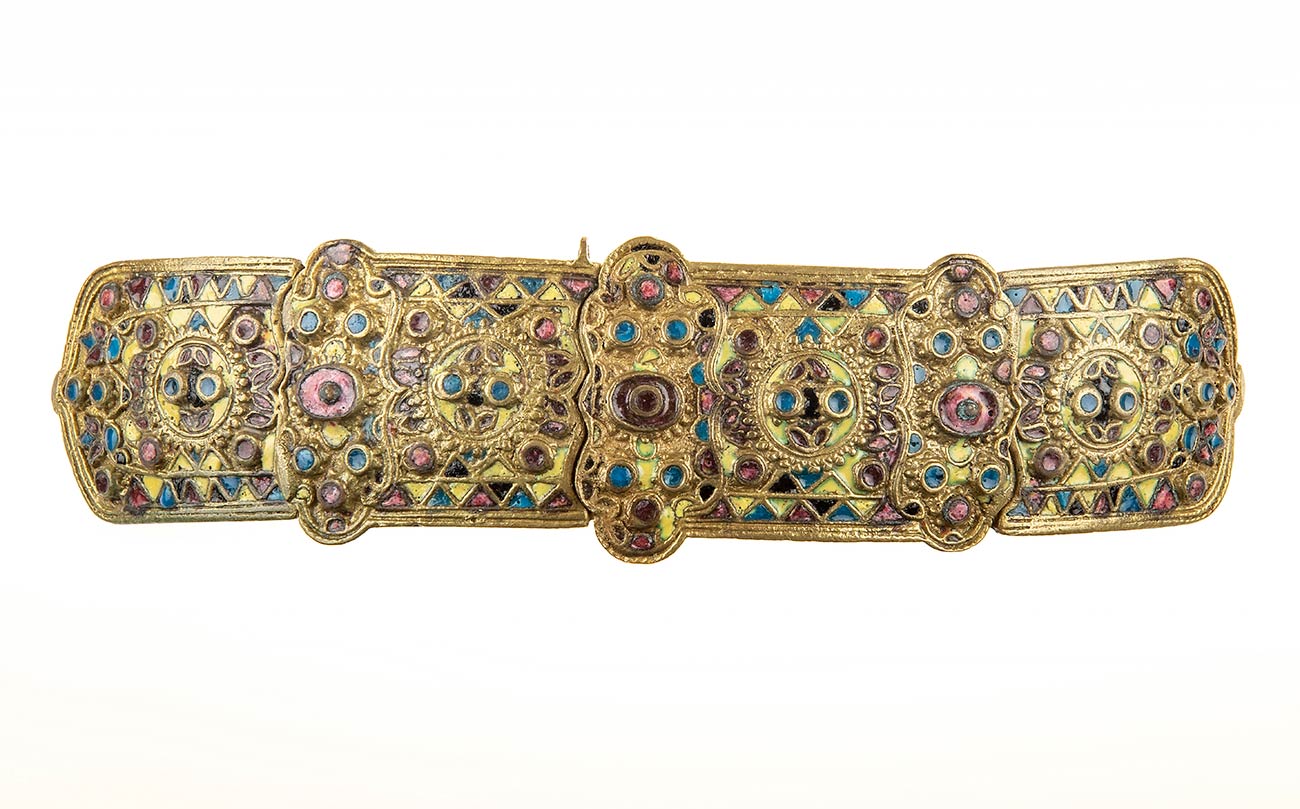
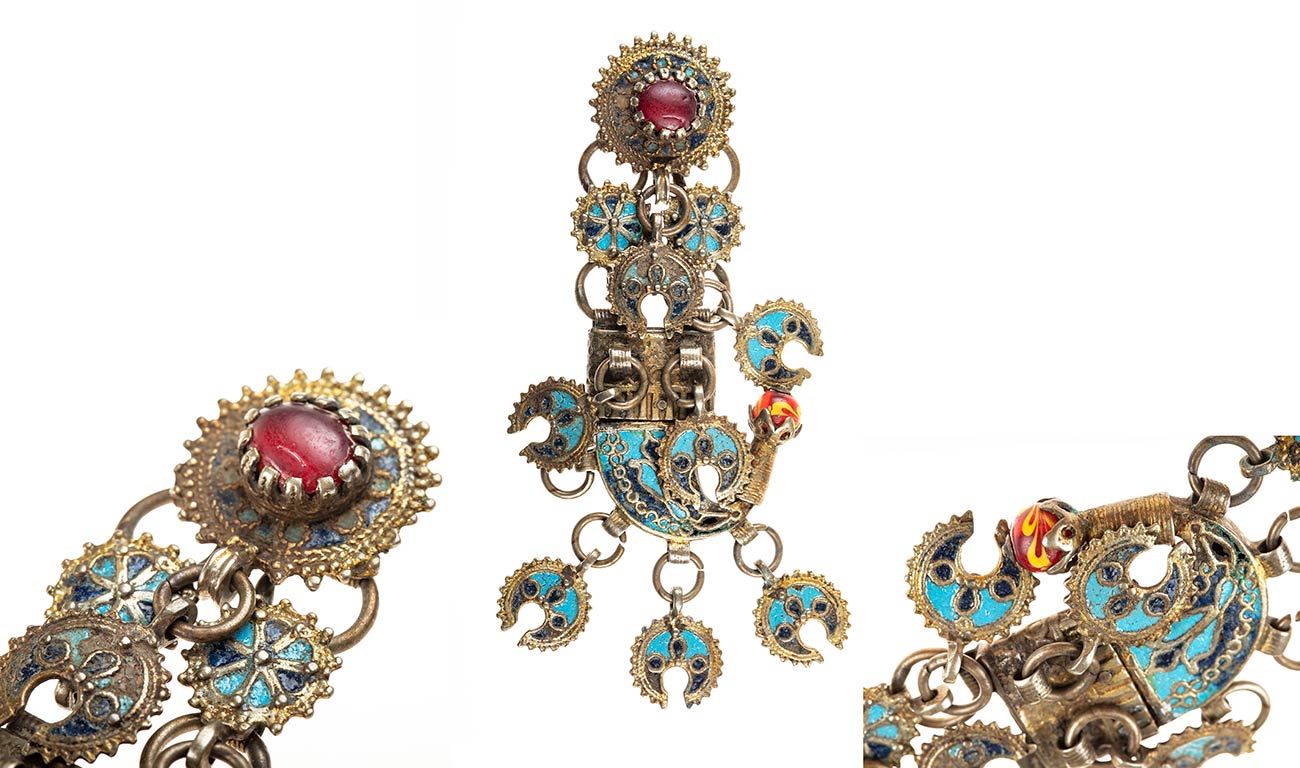
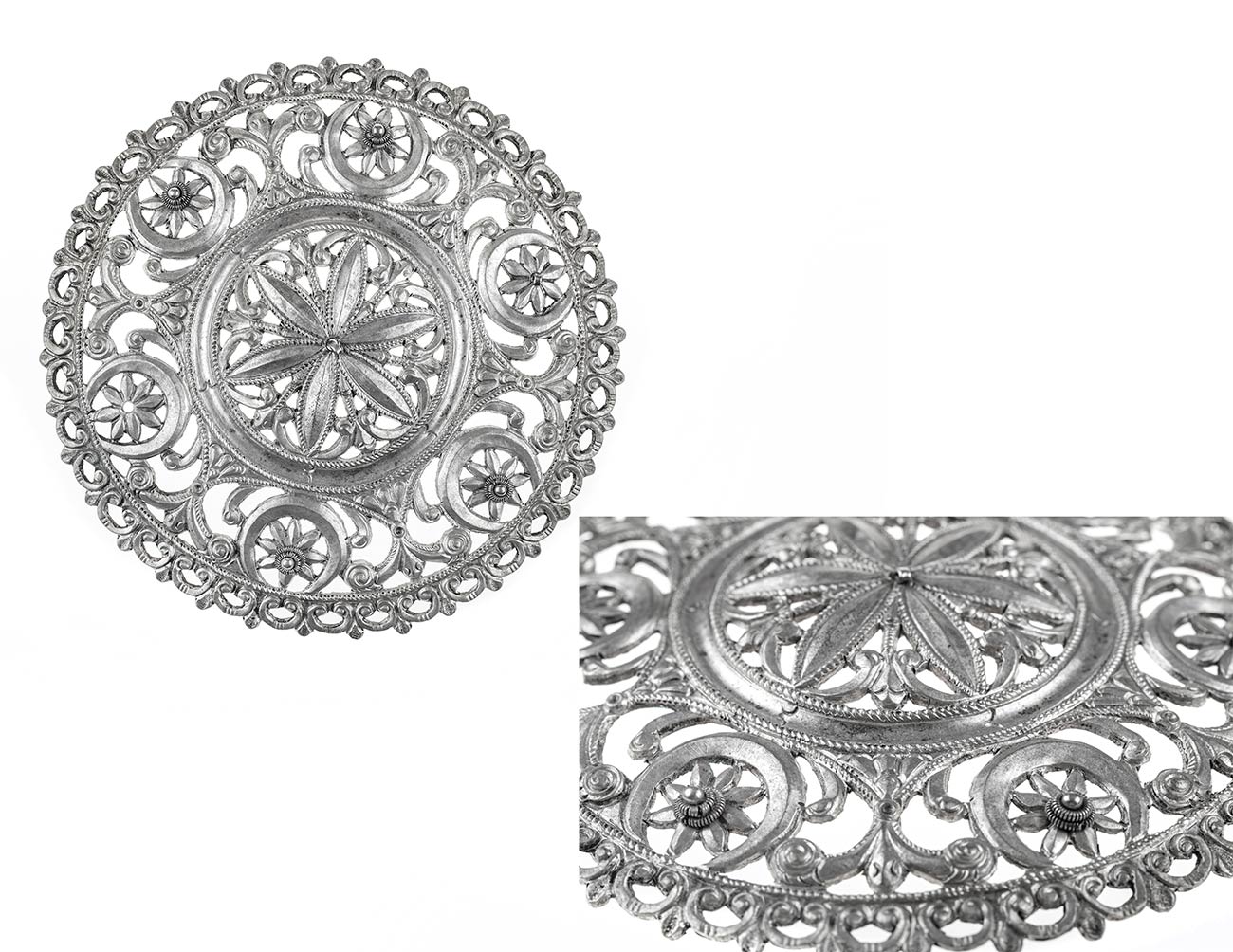
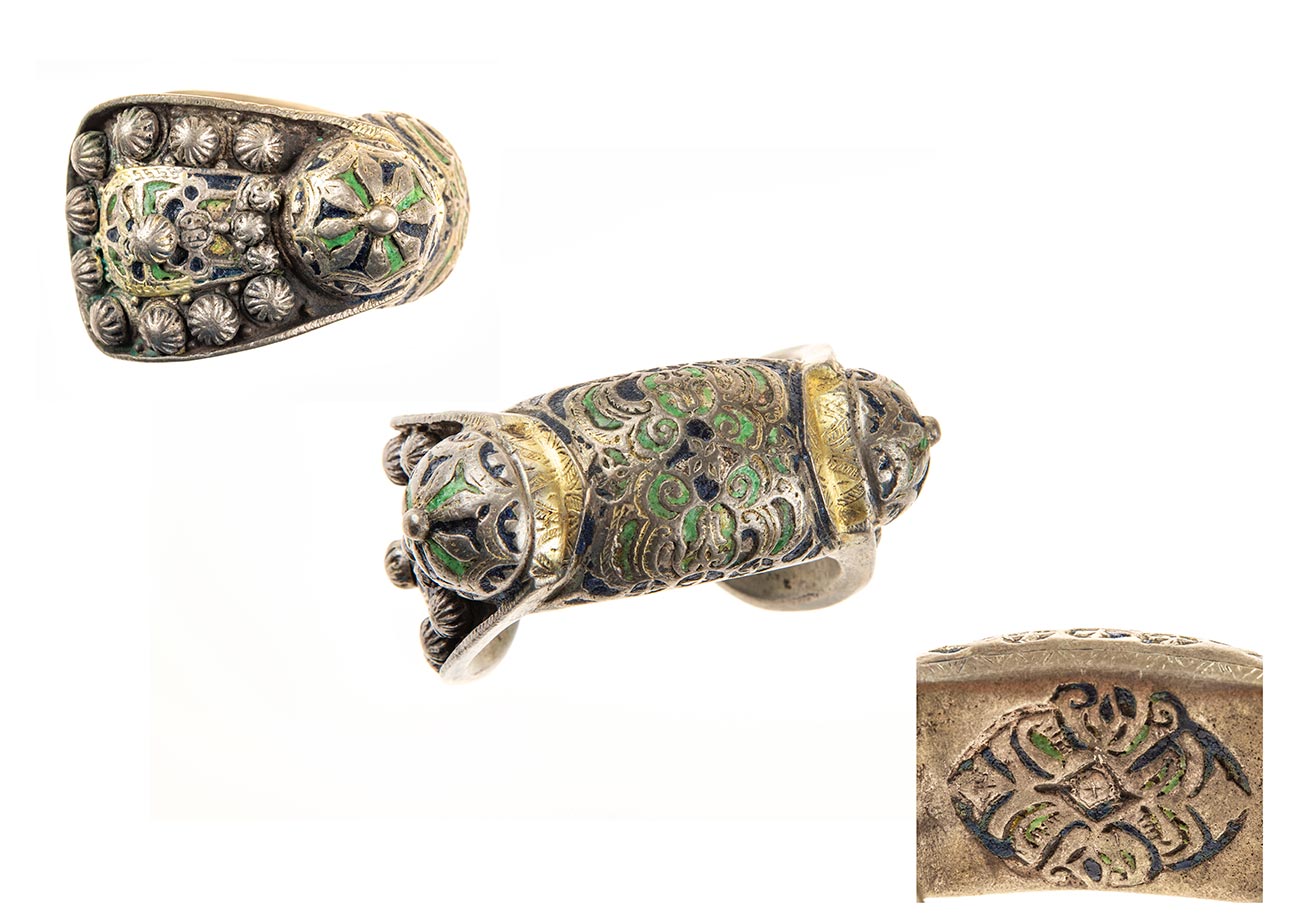
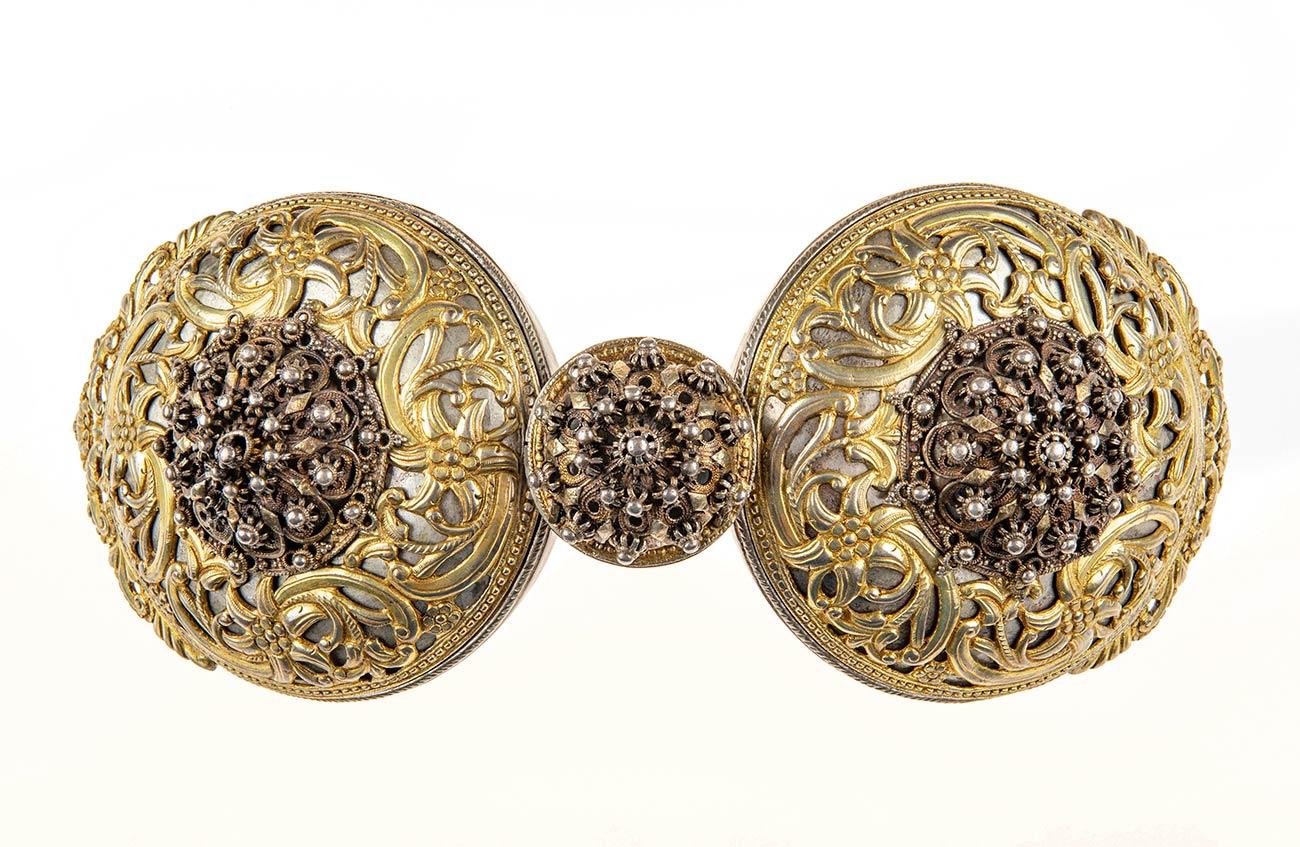
More than 2/3 of the collection contains traditional jewellery worn by Bulgarian women from the 17th to the early 20th century. Examples of Bulgarian goldsmithing from the Renaissance period are represented by head ornaments – tepelats (round, decorated tiles sewn onto a small hat), hair pins, which also served to secure the kerchief, chin-pieces, earrings and snuff-pieces (similar to earrings, but attached to a textile band above the ears), and for the body and arms – necklaces, belts, pafti (metal belt buckles), bracelets and rings.
In response to the increased aesthetic demands of the Bulgarians, the increased material possibilities and the growing national self-confidence, the famous goldsmiths’ workshops in Sofia, Plovdiv, Tarnovo, Sliven, Chiprovtsi, Vidin, Vratsa produced jewellery that combined the old traditions of Bulgarian goldsmithing with influences and borrowings from various Eastern and Western European decorative styles of artistic metalwork. Through the application of traditional and new technologies such as casting, forging, filigree, tinselling, granulation, enamelling, etc., skilled master goldsmiths create unique examples of goldsmith’s art. Silver, bronze and gold are the preferred materials for the work, selected according to the aesthetic needs and material capabilities of the clients.
The works of contemporary goldsmith’s art included in the collection are accessories – additions to the urban outfit of the early 20th century. They illustrate the heightened aesthetic demands of the contemporary Bulgarian woman and reveal her sense of elegance and aesthetics.
The collection of jewellery kept at the National Museum of History presents the development, specificity, artistic and technological achievements of Bulgarian applied art, as well as its coded messages. Conceived as mystical safeguards, refined and aesthetically enriched, metal ornaments are an integral part of Bulgarian women’s clothing. With their perfect shapes and combinations of colours, they give it a peculiar colour that emphasises Bulgarian identity. Along with this, the jewellery also has functional qualities depending on its specific purpose – to attach to the headscarf, to straighten the hair, to fasten the garment at the waist, to enrich the decoration of the bosom or to enchant with its specific, magical ringing.
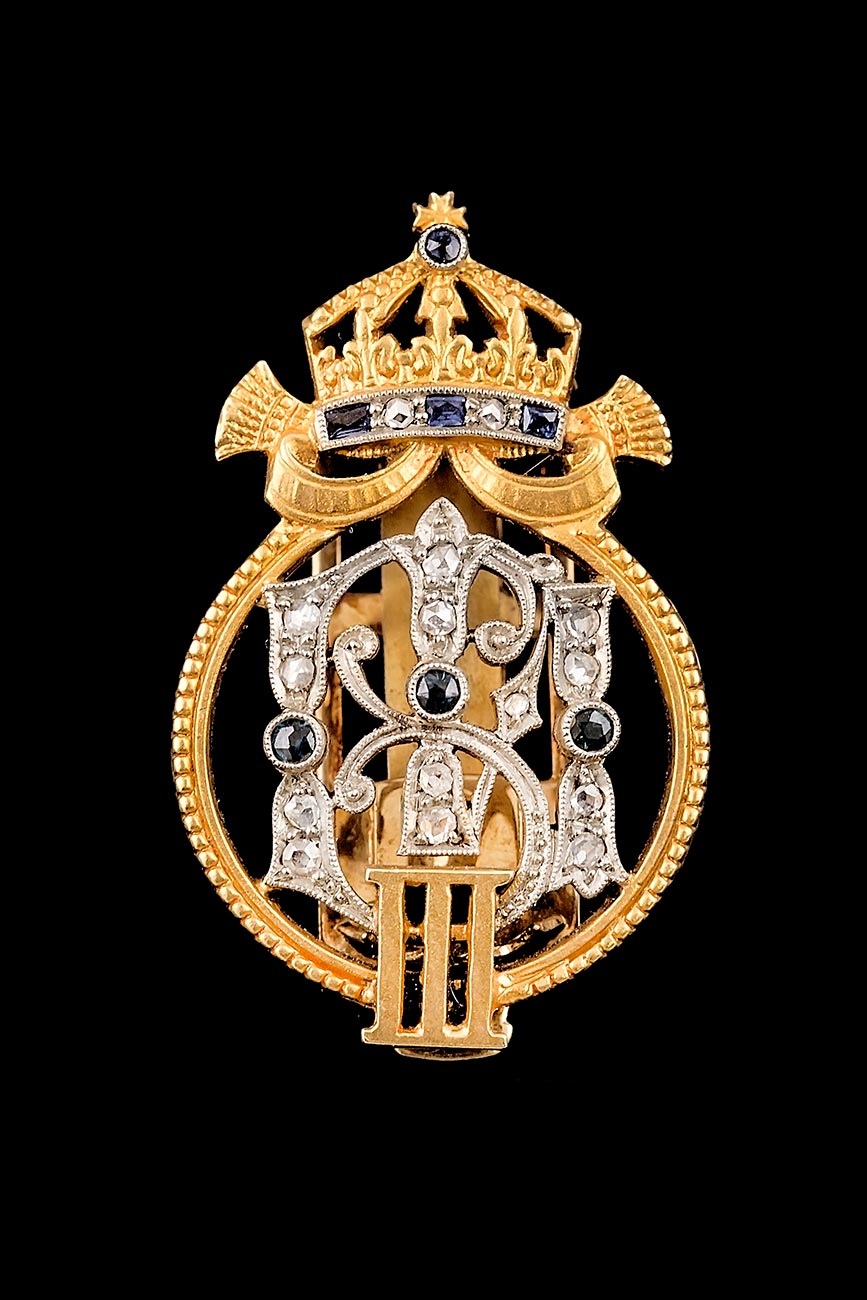
The National Museum of History also has a collection of brooches and pins with the wreaths of the rulers of the Third Bulgarian Kingdom and members of their families, which were presented to prominent political figures and cronies.