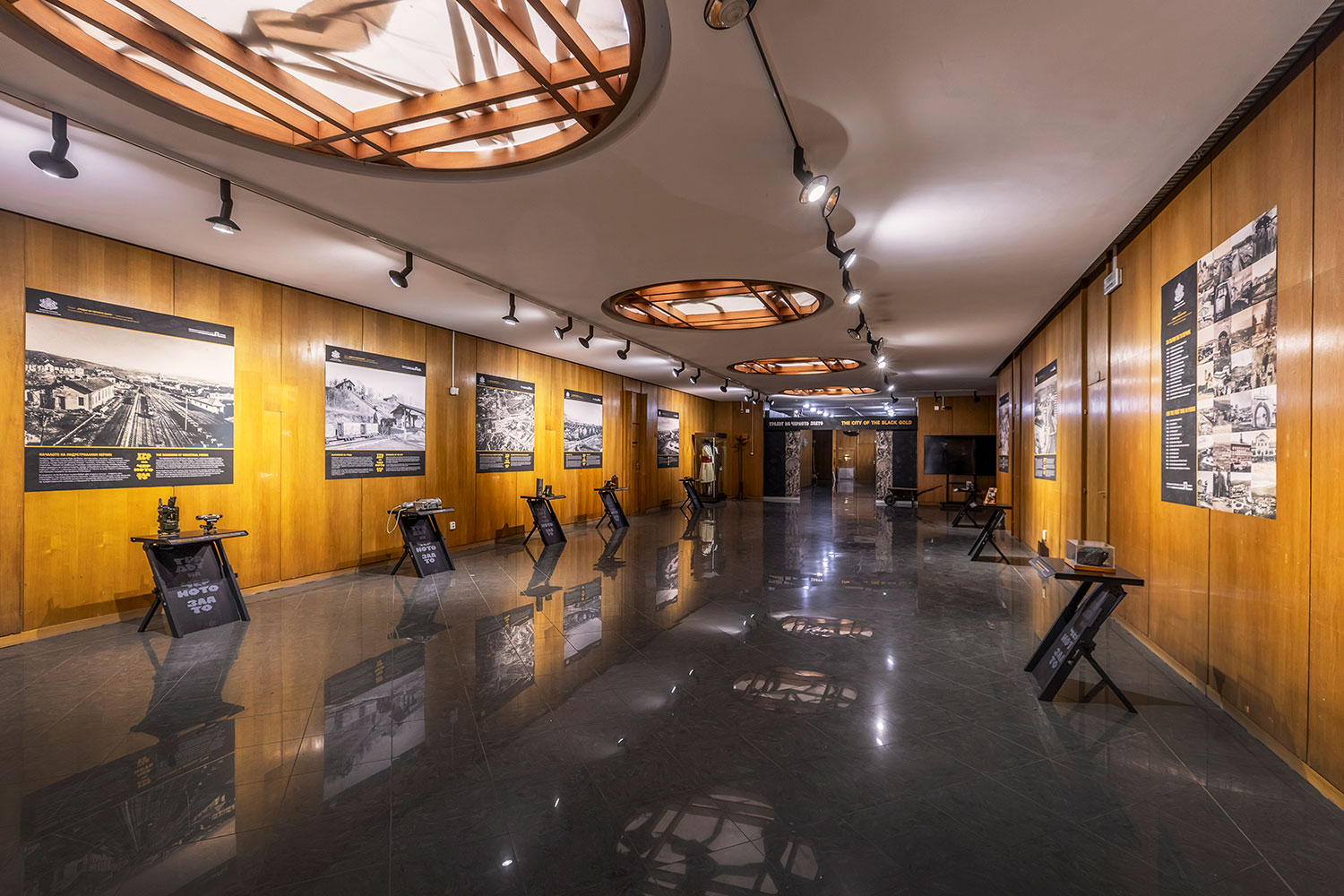
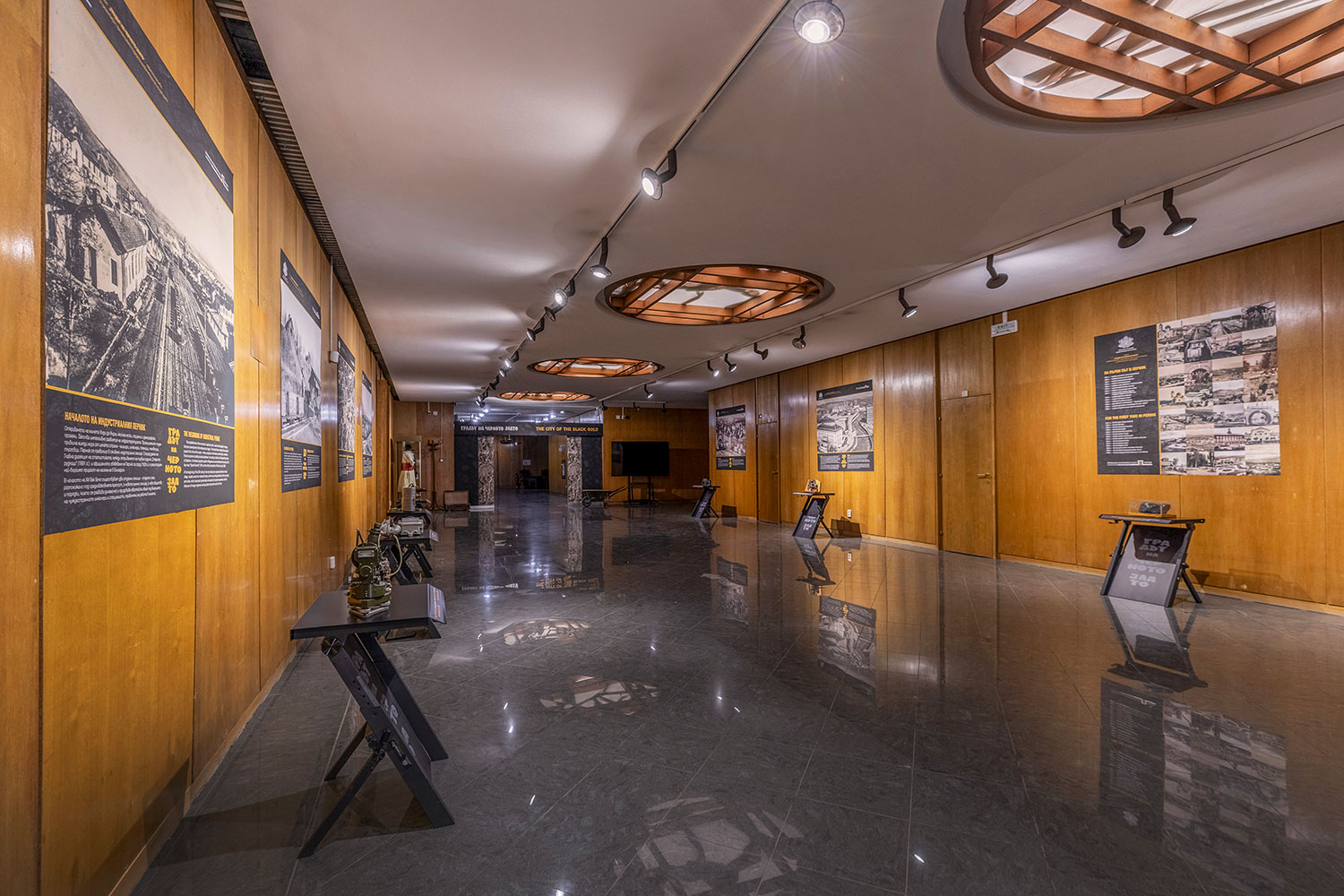
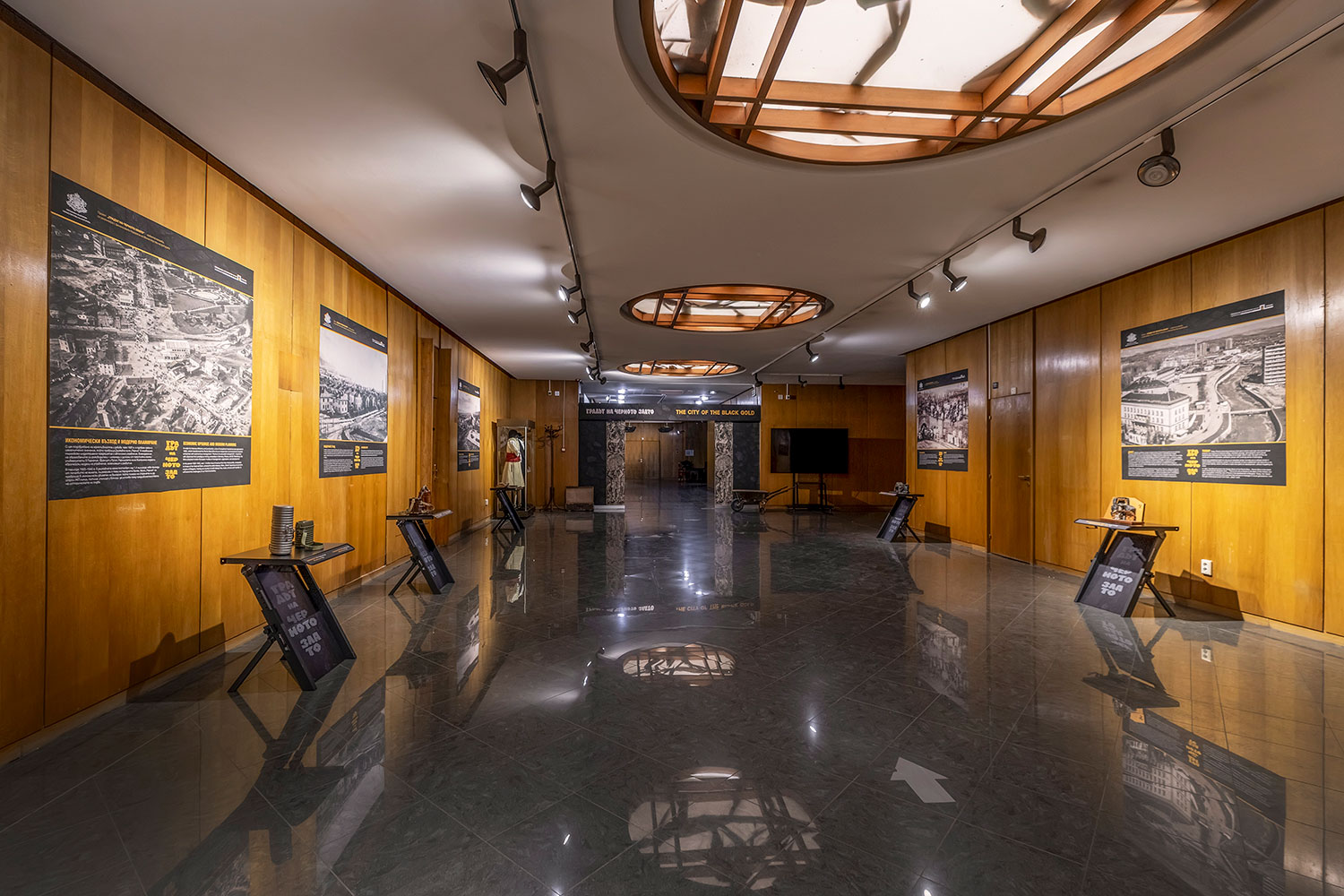
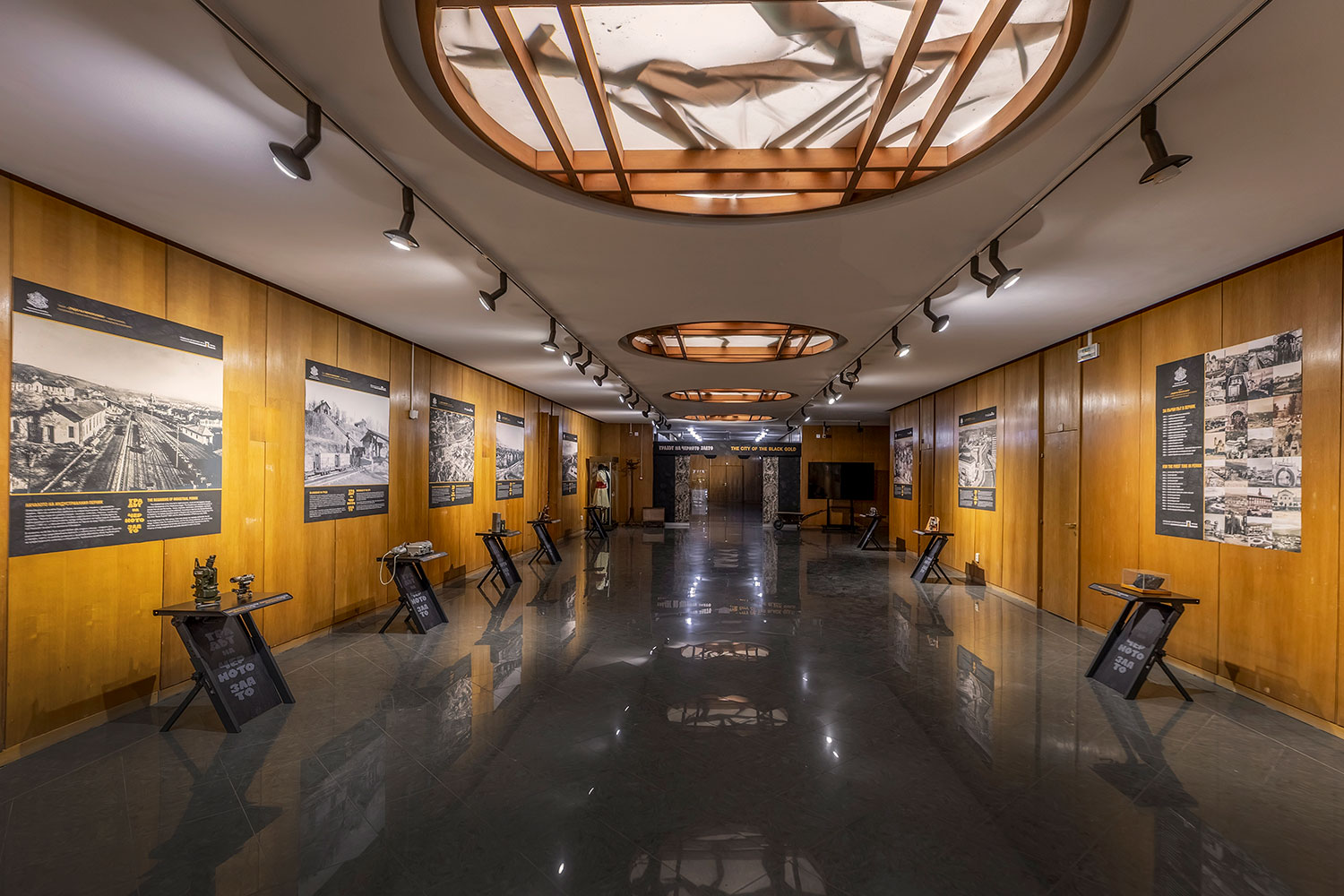
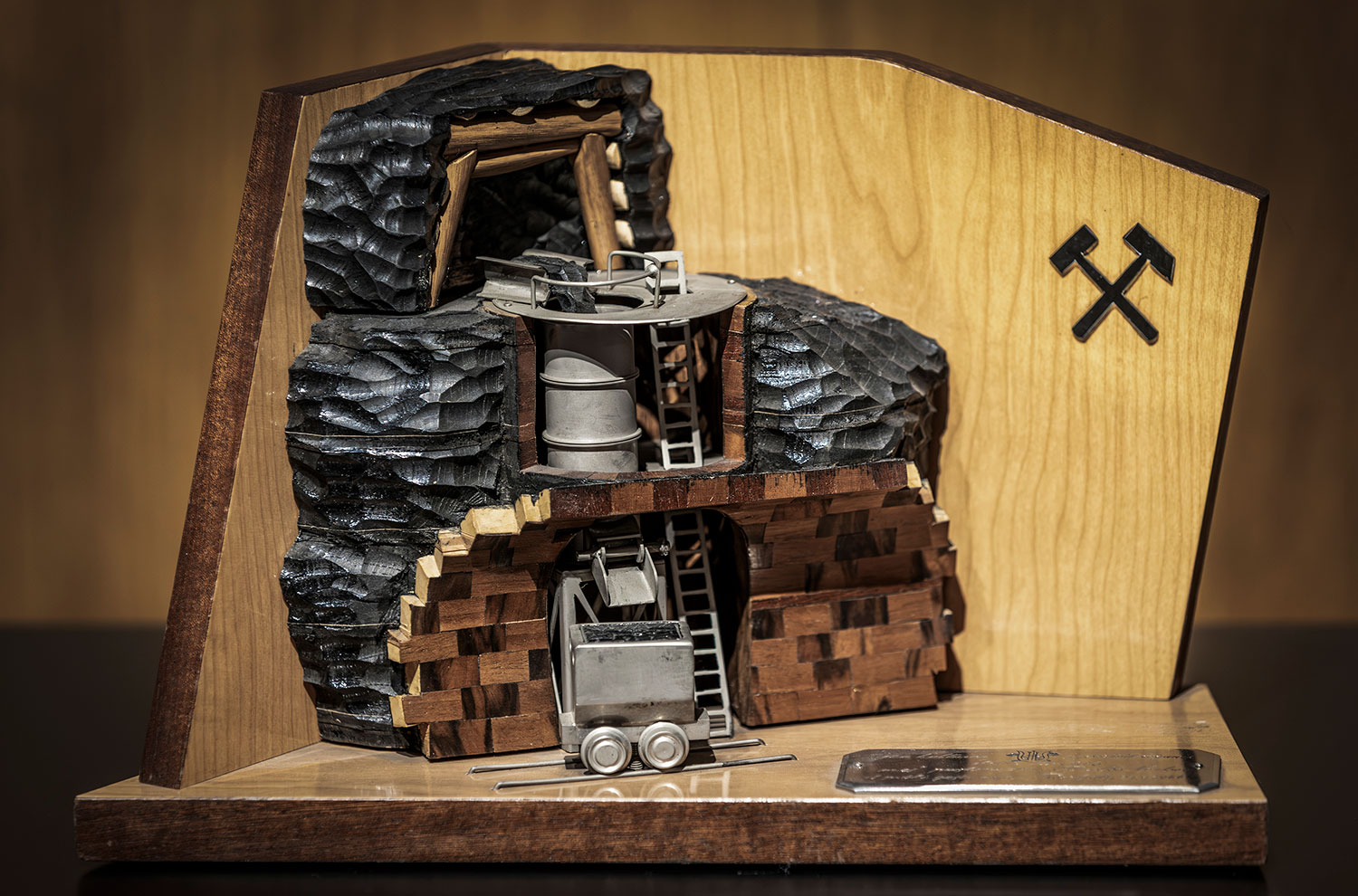
On February 24, 2026, the Bulgarian History Museum (NIM) opened its doors to the visiting exhibition “The City of The Black Gold” from the Regional Historical Museum in Pernik. It presents a compelling story about the birth of an industrial city and the people who turned coal deposits into the engine of modern Bulgaria. Its visit to the capital is part of the established partnership between the two institutions and continues the tradition of exchanging significant regional exhibitions.
Until the end of April, visitors can view the exhibition in the temporary exhibition hall on the third floor of the museum, where authentic exhibits, archival evidence, and visual materials bring the history of Pernik to life. The exhibition is curated by Dr. Desislava Milanova (Regional Museum of History – Pernik), and the design is by Ivaylo Panayotov (Ivoform). The exhibition at the National Historical Museum was made possible with the assistance of Chief Curator of the Regional Museum of History – Pernik, Dr. Desislava Milanova, and the Regional Administration of Pernik. Ass. Dr. Petranka Nedelcheva, Head of the Exhibition and International Activities Department at the museum. The project is implemented with the financial support of the Ministry of Culture, in partnership with the Municipal History Museum – Radomir.
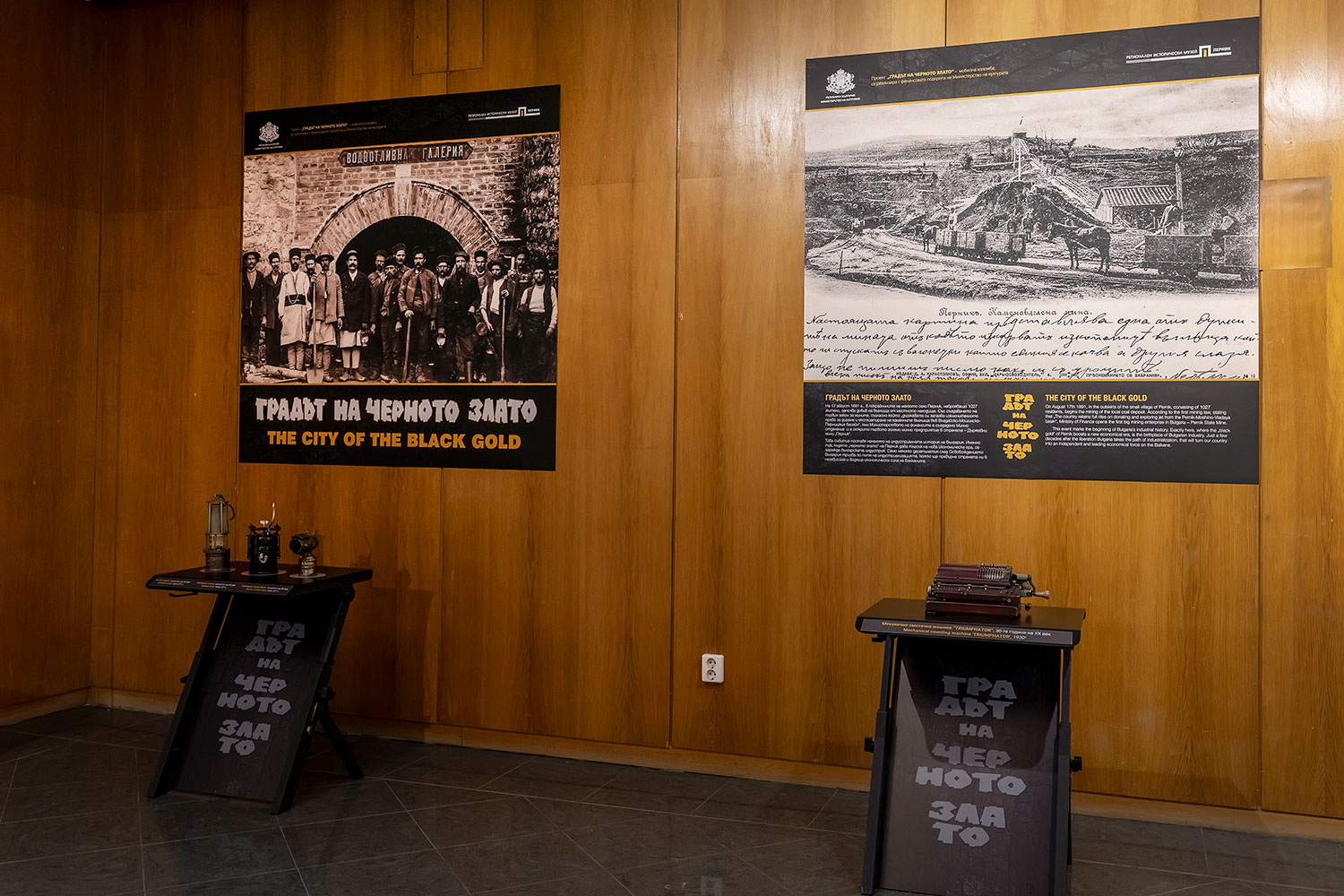
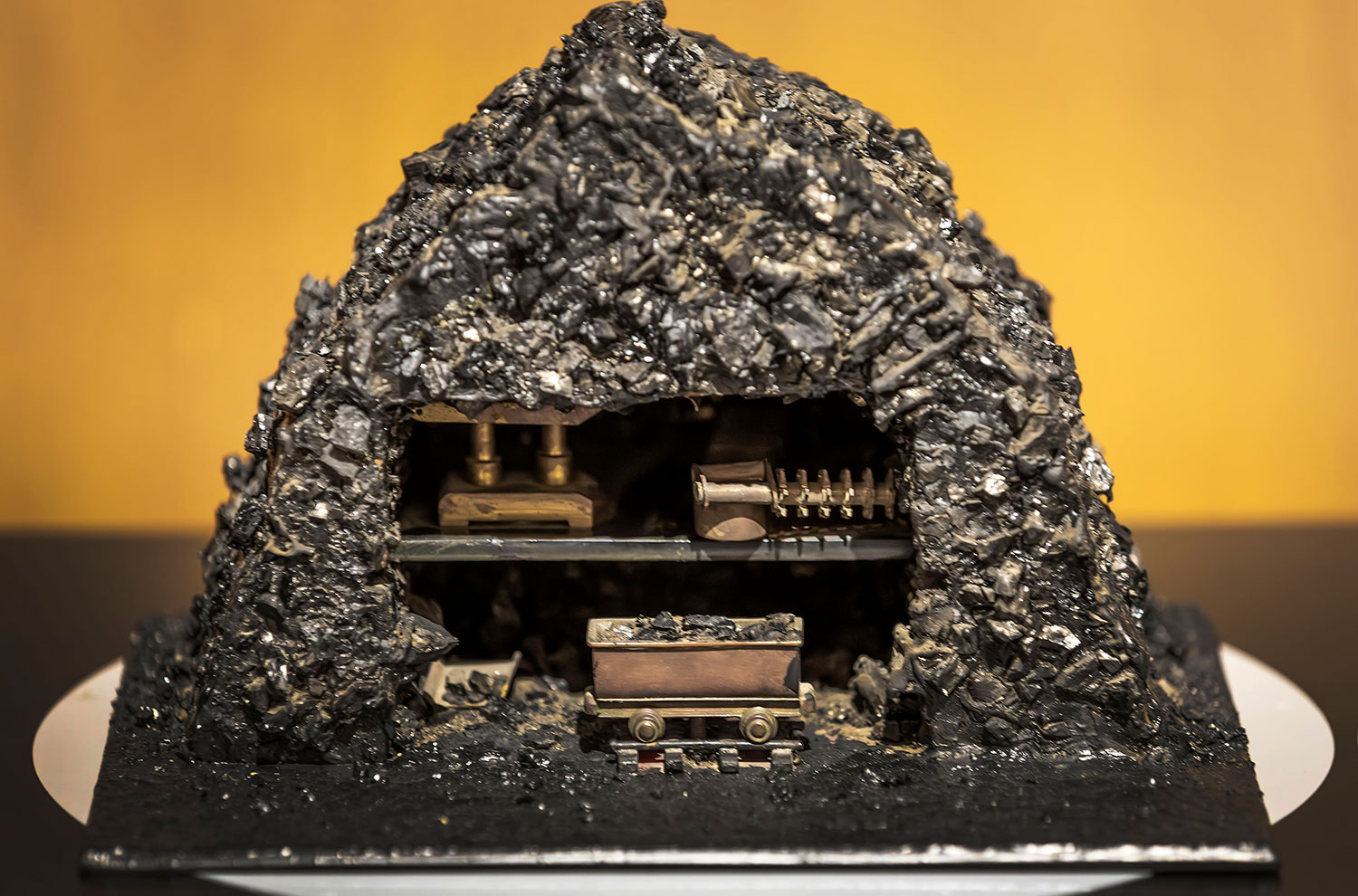
The exhibition traces the development of Pernik from a small post-liberation settlement to a symbol of Bulgarian industrialization. Through archival photographs, original tools and equipment from Mini Pernik, as well as educational animation, it shows how coal deposits – “black gold” – laid the foundations for economic and social prosperity, changing the face of the entire region.
In 1924, Boris III described Mini Pernik as “the black pearl of the beautiful Bulgarian land,” and five years later, in 1929, Pernik was granted city status. At the beginning of the 20th century, the city was one of the most dynamically developing industrial centers in the country and the first with a modern urban development plan. European mining specialists contributed not only with their technical expertise, but also with a new vision for the organization of labor and the urban environment.
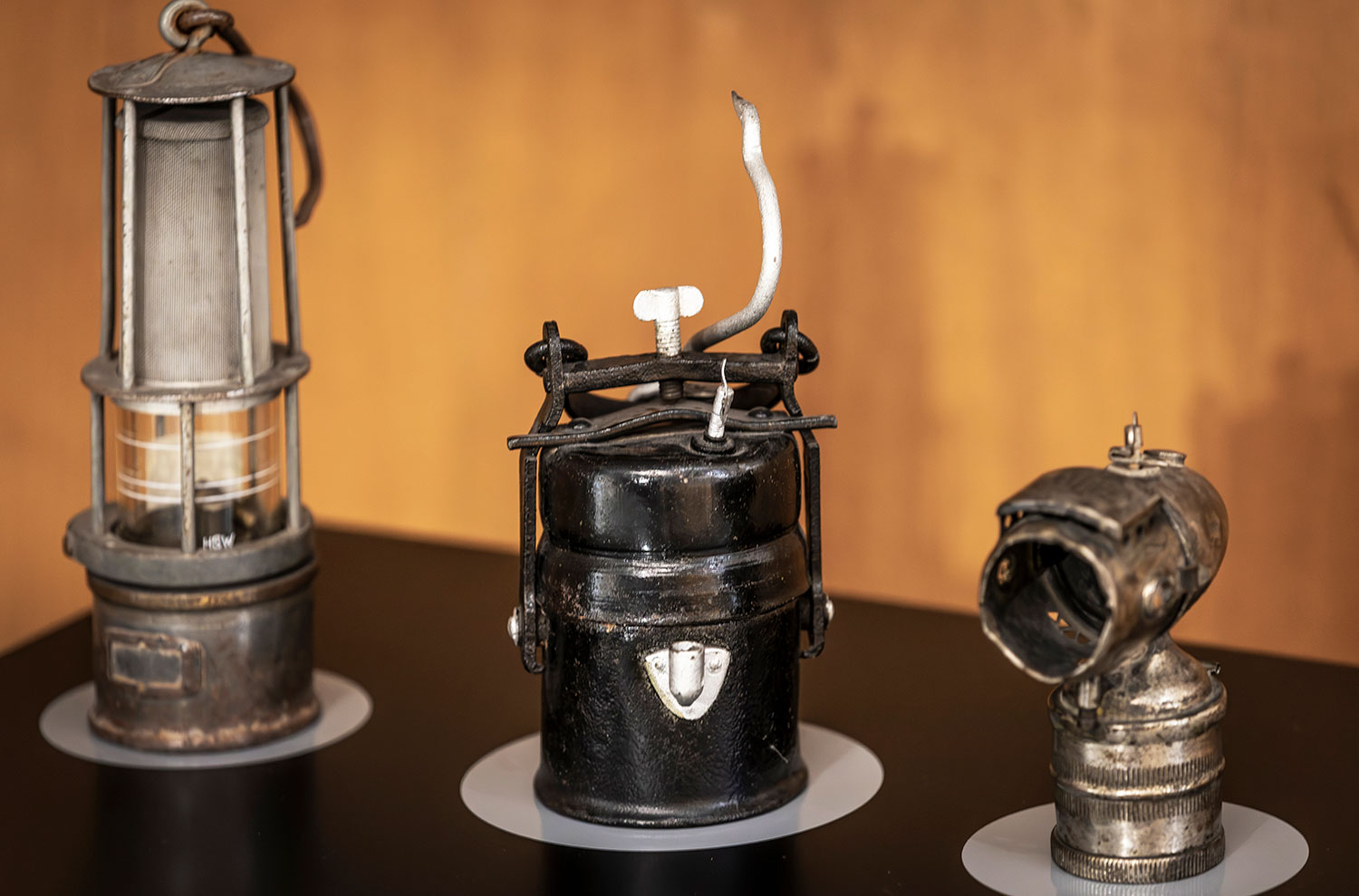
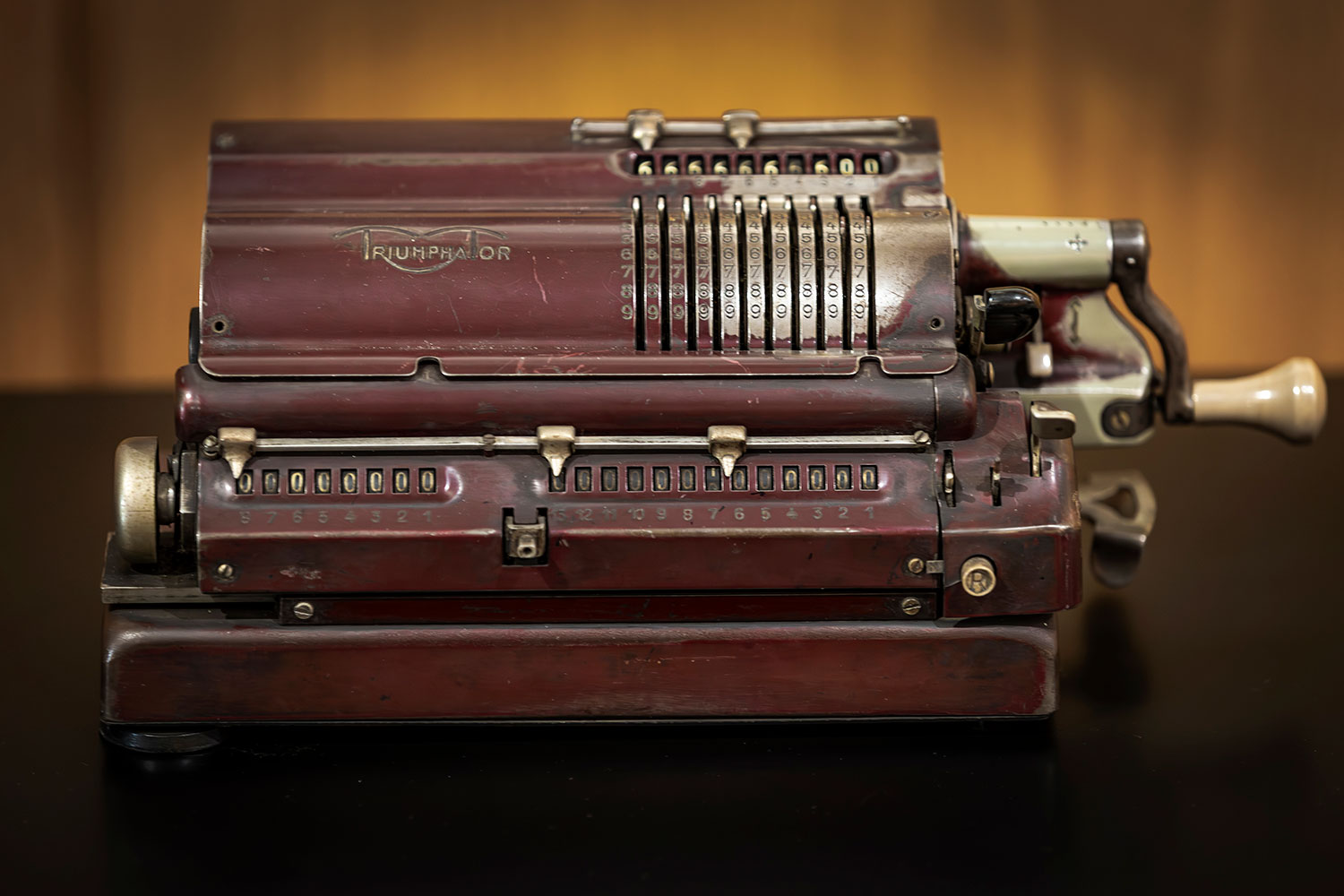
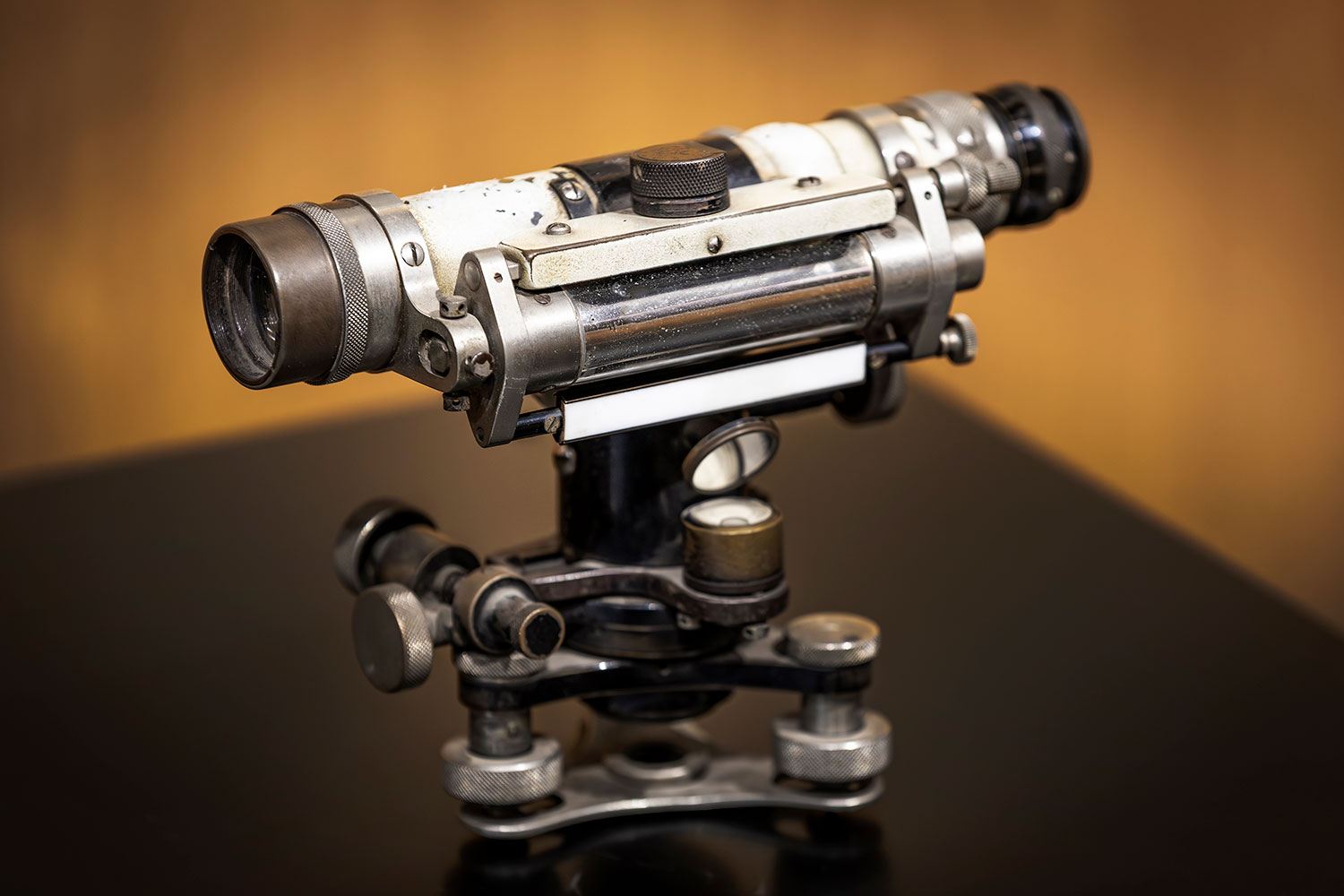
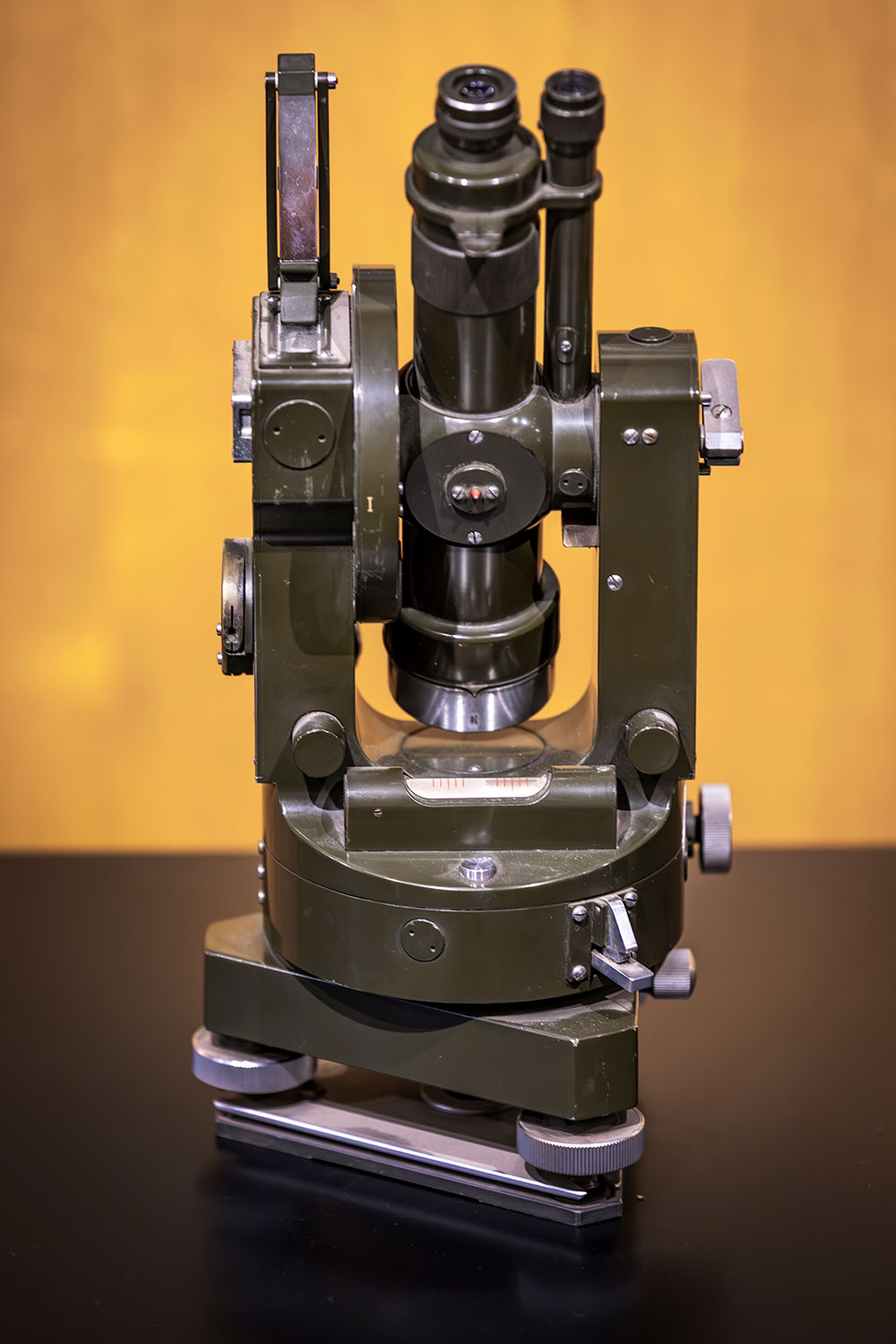
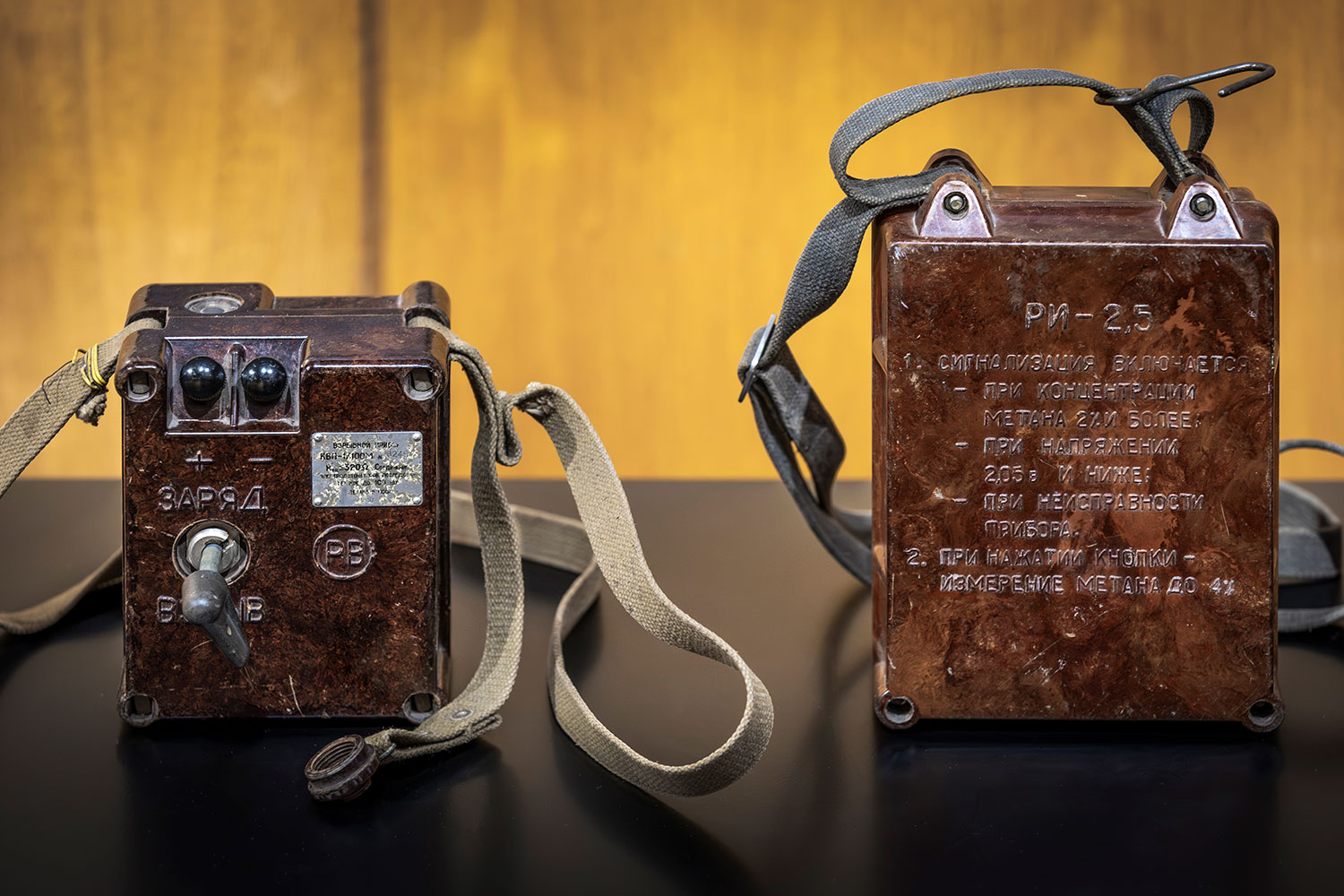
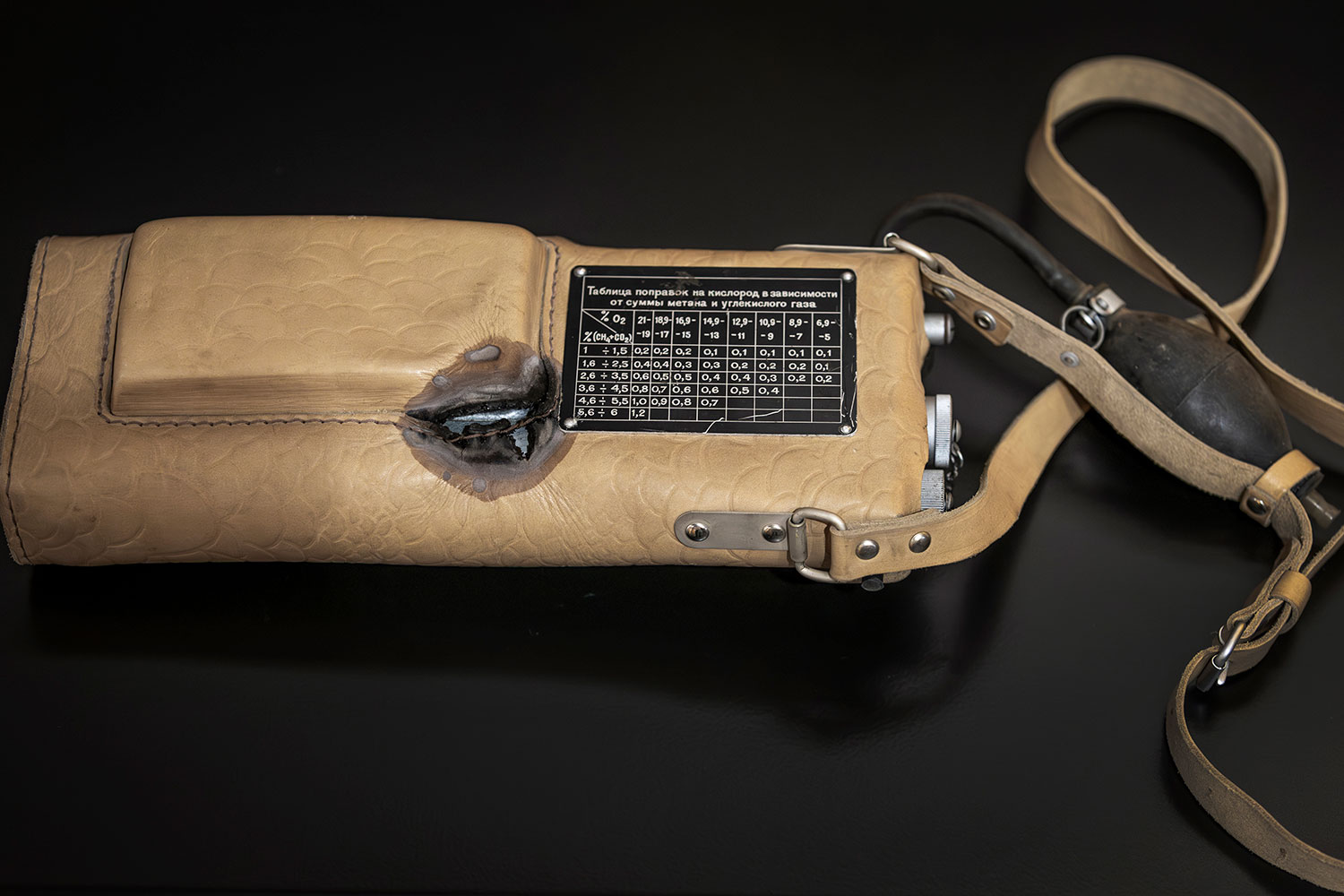
Among the exhibits are miner’s lamps, mechanical calculating machines, telephones, measuring instruments, optical theodolites, and precision detonators—testimony to the development of mining and the professionalism of generations of miners. Their labour and dedication are at the heart of the story told by the exhibition – a story of creation, sustainability and the pursuit of progress.
With the presentation of “The City of The Black Gold,” NIM reaffirms its mission to encourage cooperation between museum institutions and promote the richness of national historical memory.