Hall The Early Iron Age 11th century BC – mid 6th century BC.
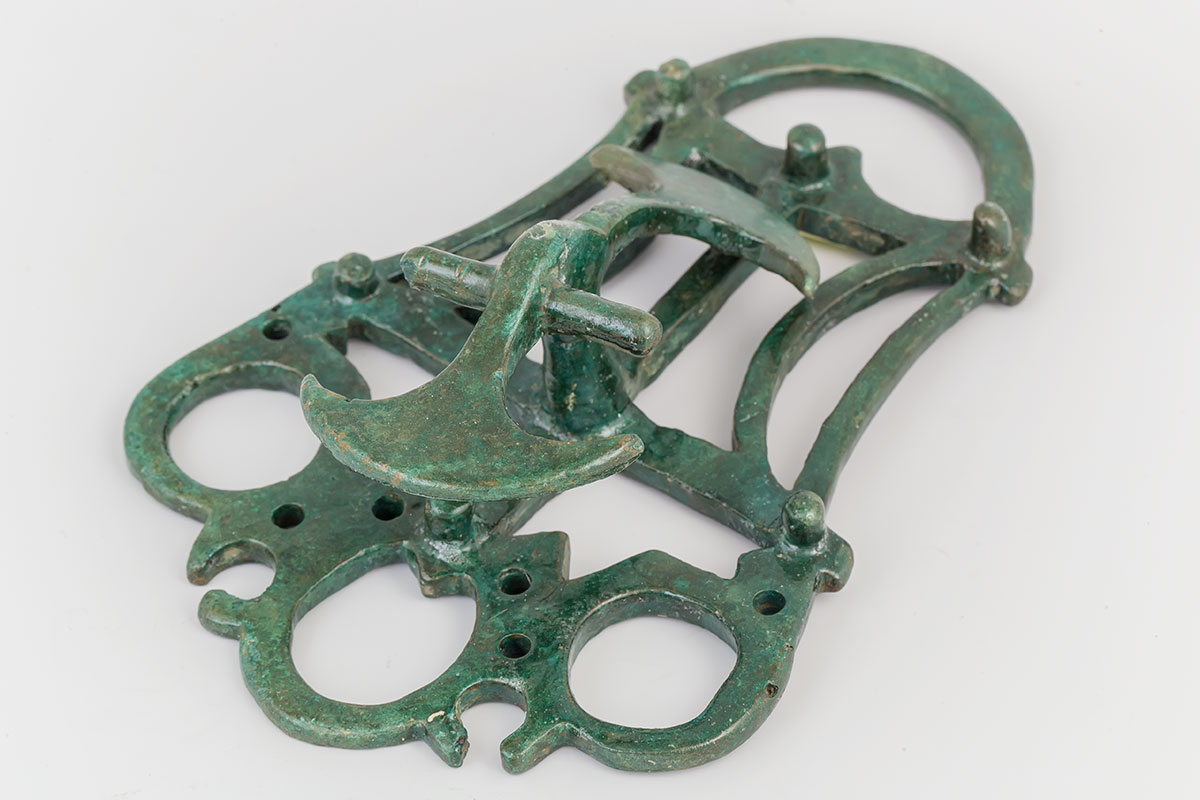
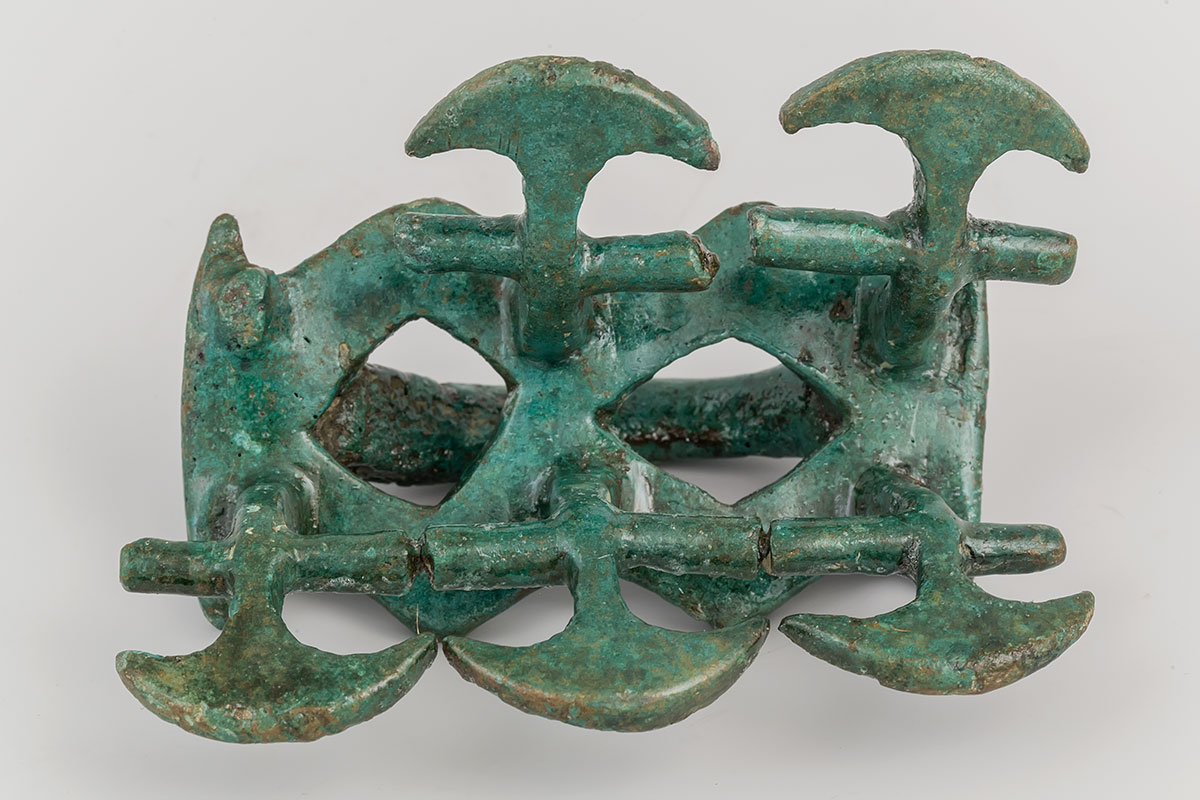
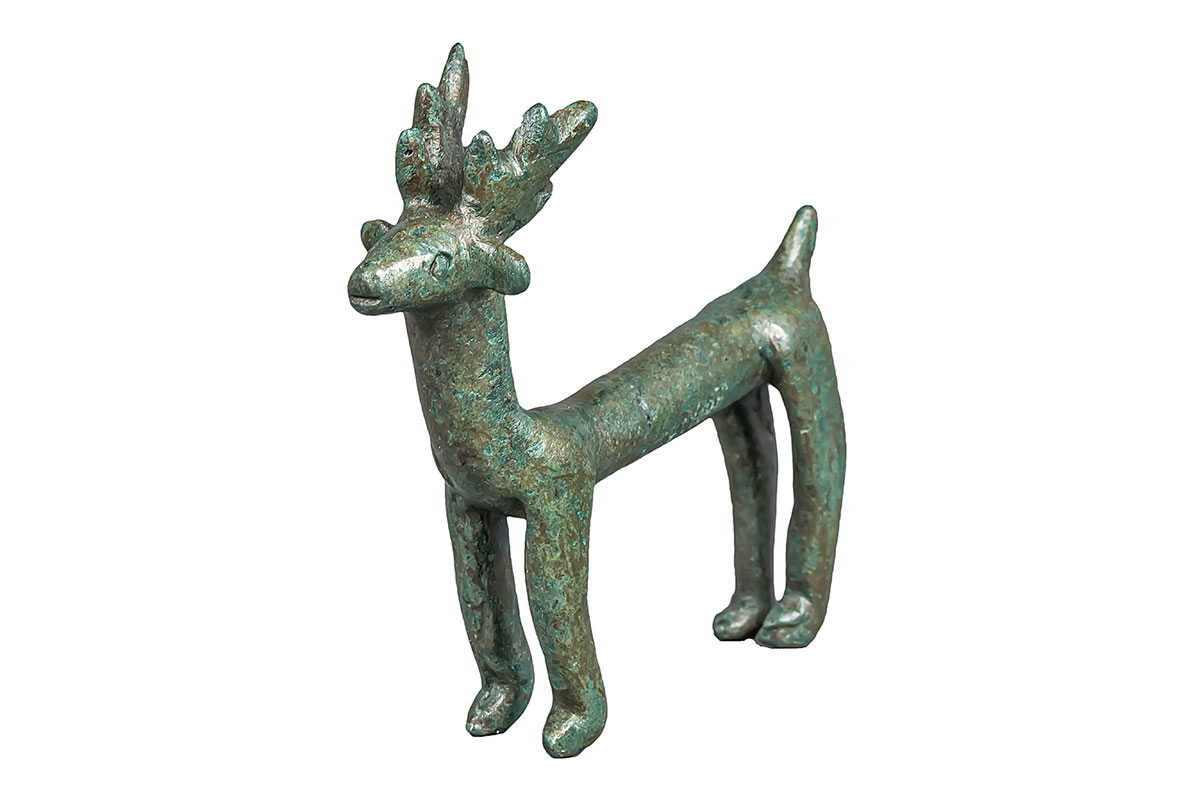
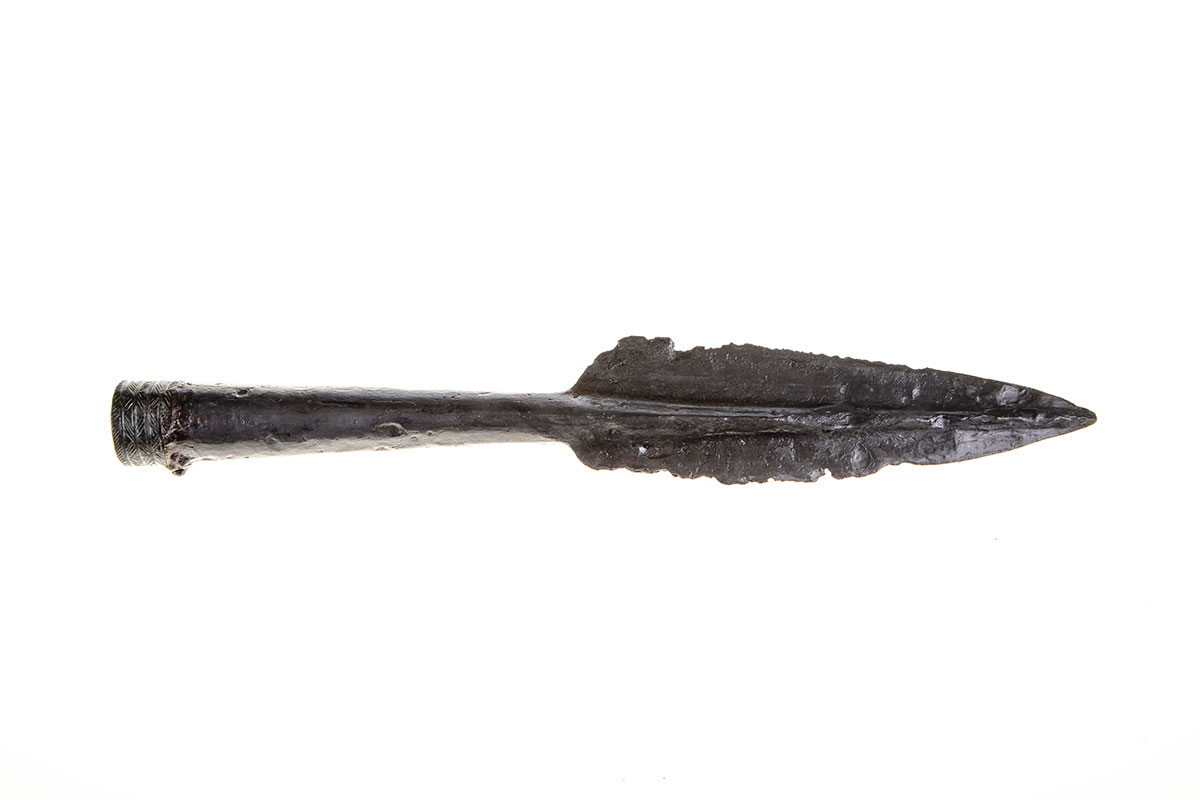
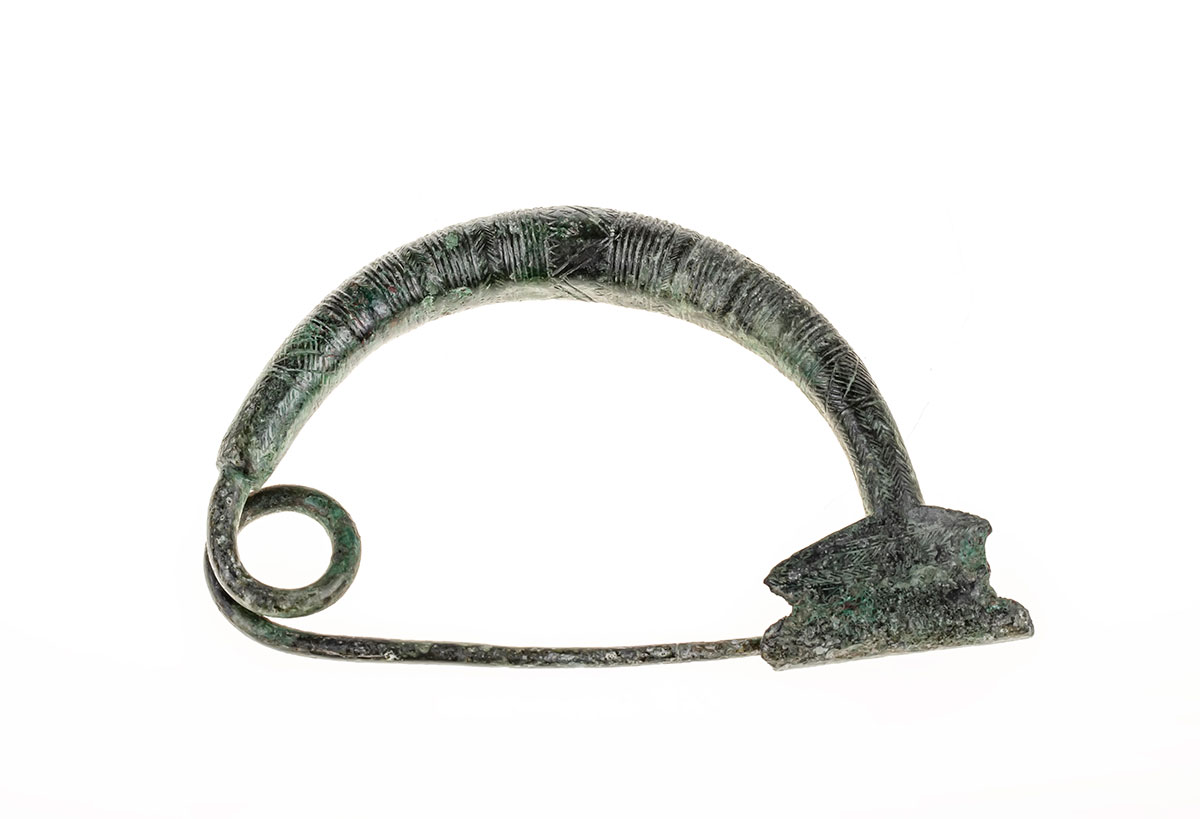
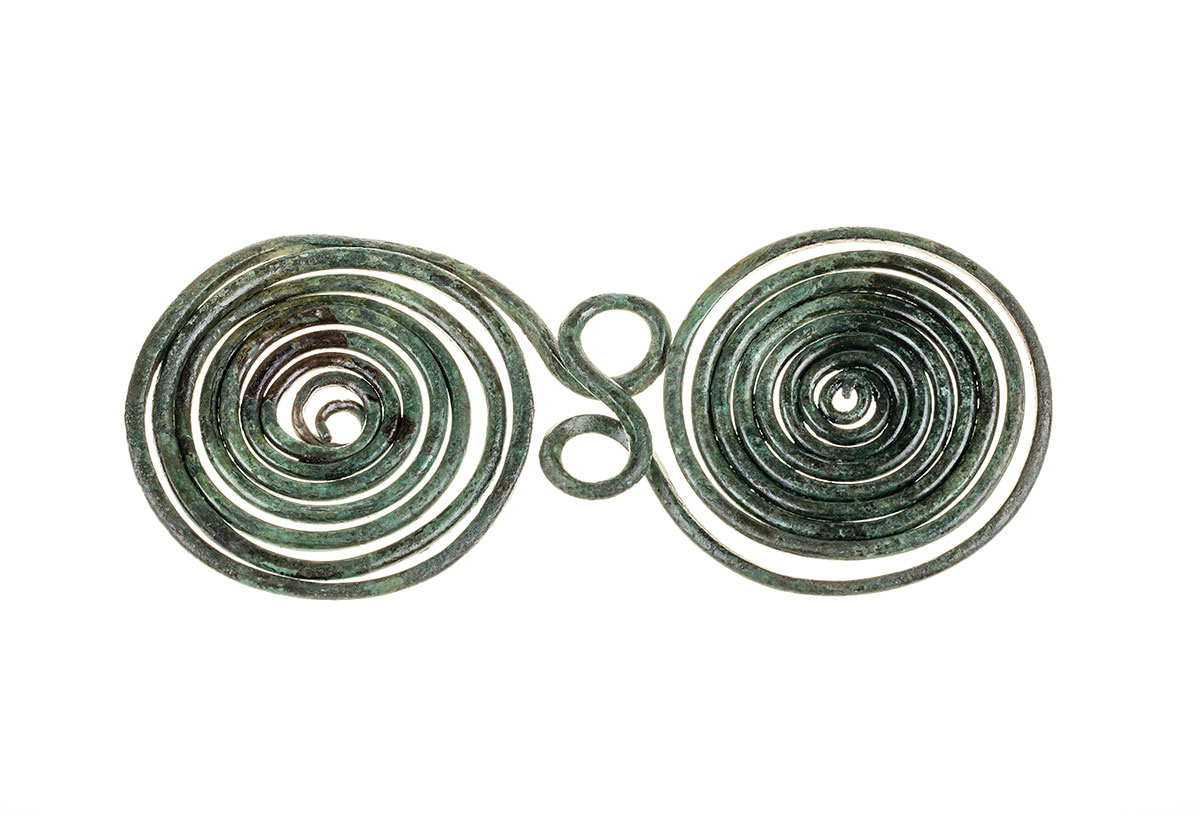
In the space between Hall 1 and Hall 2 of the exposition of the National Museum of History is traced the development of the Bulgarian lands in the period of the Early Iron Age – 11th century BC to the middle of the 6th century BC. It occurred on the Balkan Peninsula with the introduction of iron as the main metal for the production of tools, weapons and sometimes jewellery. The tin supply crisis at the end of the Bronze Age caused a need for iron mining and production, although bronze continued to be one of the predominant materials in the manufacture of weapons and jewellery. Evidence of mining, metalworking, jewellery making, toreutics and the many metal objects of local origin are proof of the skills of the Thracian tribes in these areas of production. Depending on the specific landscape, agriculture and animal husbandry predominated in the livelihoods of the local tribes. Archaeological studies provide evidence of the development of specific crafts such as pottery, leatherwork and woodwork.


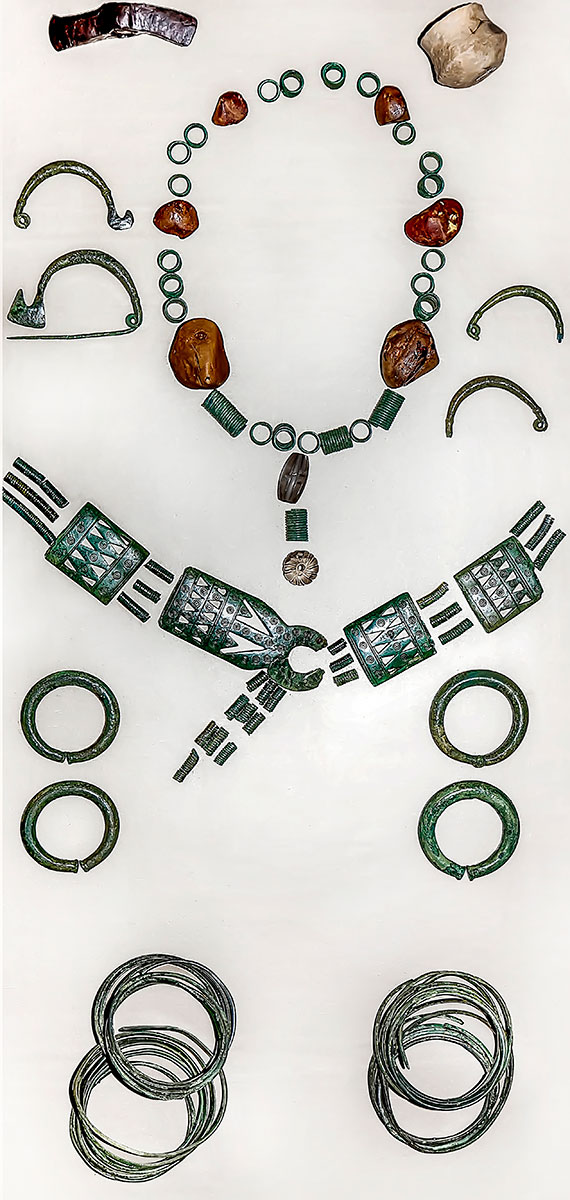
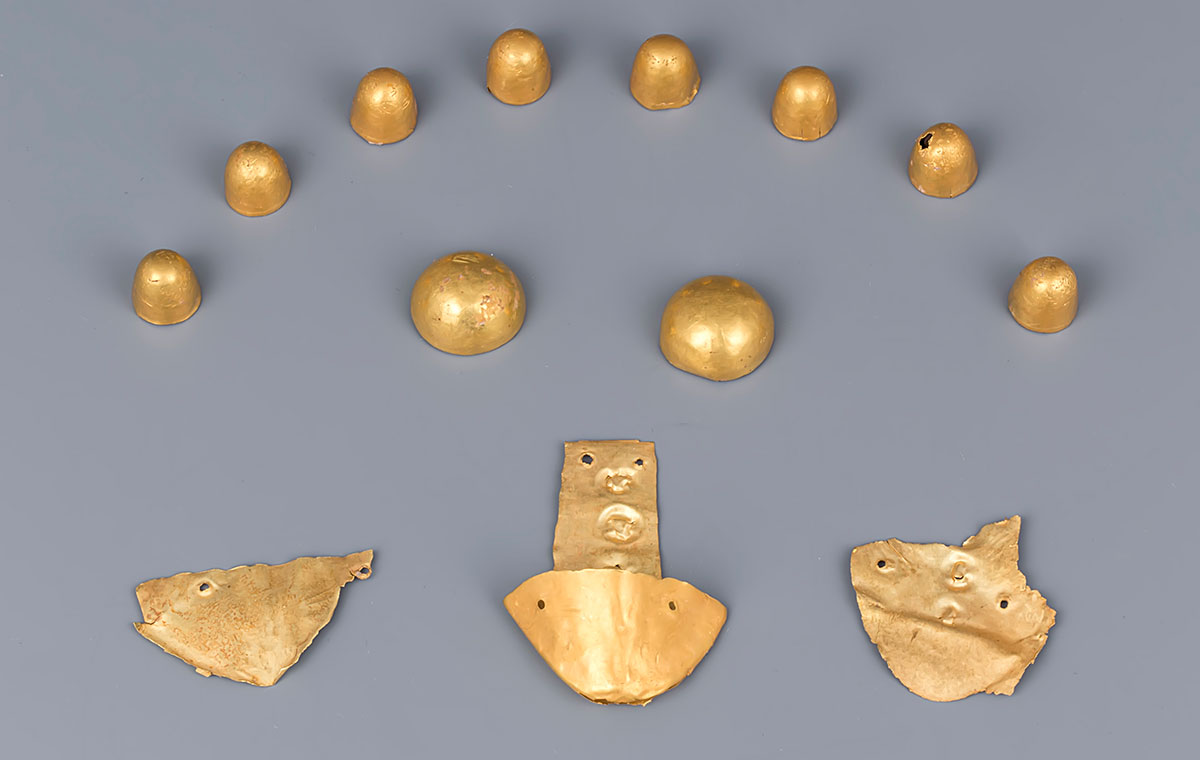
The processes of social stratification, the disintegration of the patrilineal society and the increasing role of the aristocracy in the state-educational tendencies which were inherited from the preceding period reached their completion by the middle of the 1st millennium BC. A clear expression of this was observed as early as the 9th-8th centuries BC, when artefacts were found that attested to a deep social distinction in the society of the local tribes. The appearance of rich burial complexes, such as the symbolic burial from the area of the village of Belish, Troyan municipality, from the late 8th – early 7th century BC is an evidence of the formation of a leading stratum with high material capabilities.
The apparent power of the military aristocracy in the later Early Iron Age led to intertribal conflicts and to the creation of the first Thracian state organizations. From the ancient Greek sources we draw evidence of their existence in four main regions: the first is located in the lands east of Hebros (Maritsa River) and is associated with the ethnonym “Thracians”, the second is located in the lands east of Nestos (Mesta River), inhabited by the Cicones with their centre in the mythical Ismarus (ancient Maroneia), the third is located in the lands on both sides of the lower course of the river Strymon (Struma River), where the Paeonians live, and the fourth one is around the lands along the lower course of the river Istros (Danube River), known for the habitation of the Getae. At the end of the period under consideration, ancient Greek historians mention the ethnonym of the Odryses, who in the Late Iron Age established one of the largest kingdoms (basileia) in south-eastern Europe.