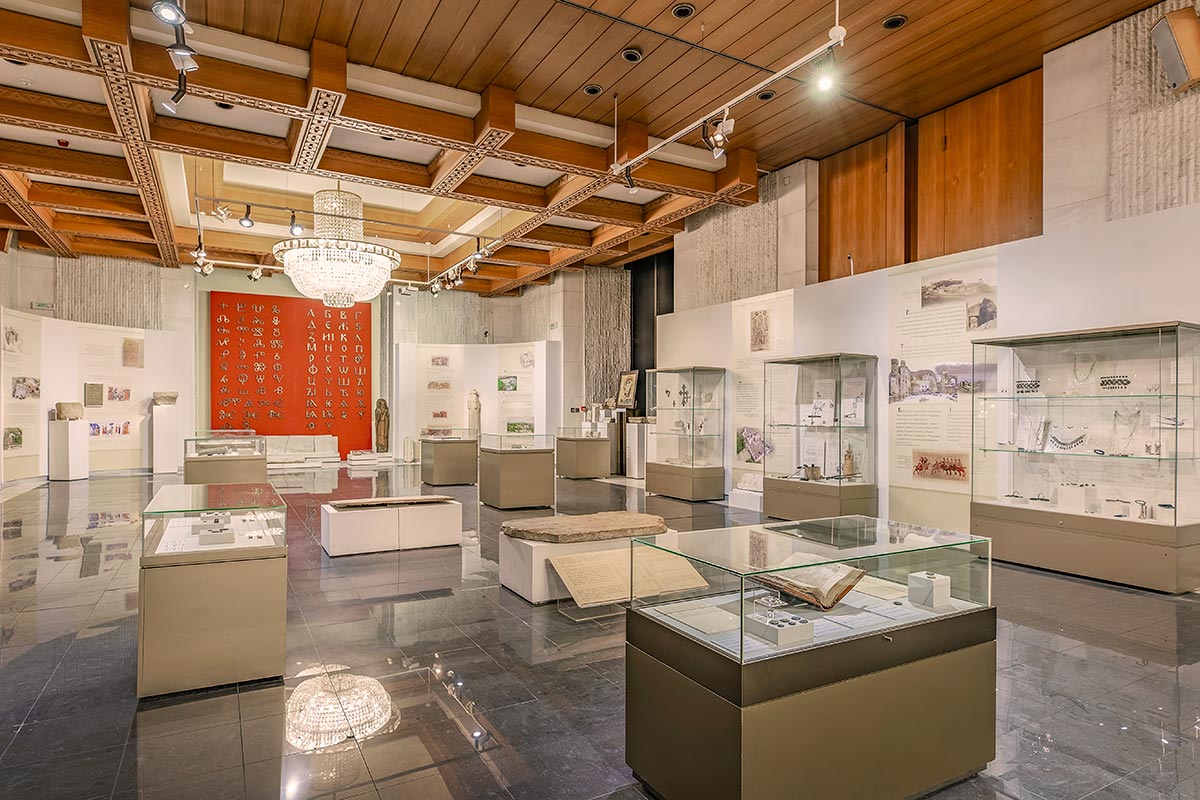
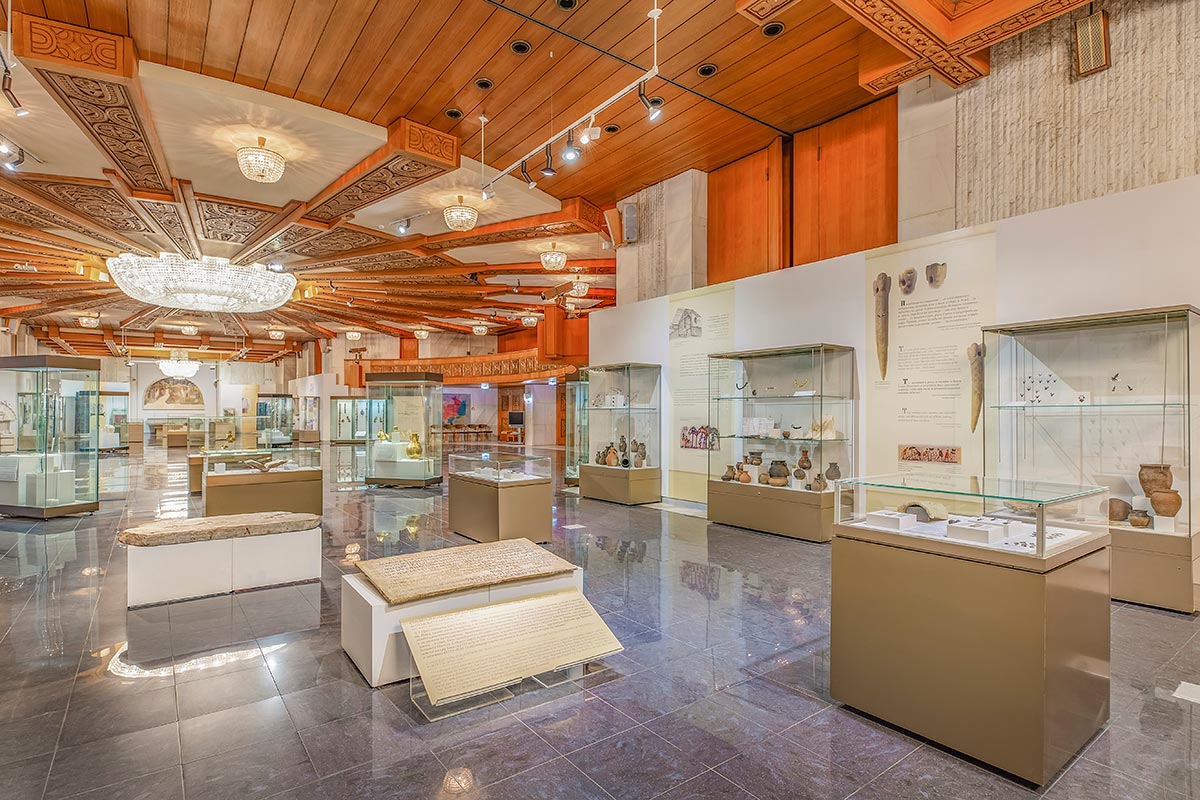
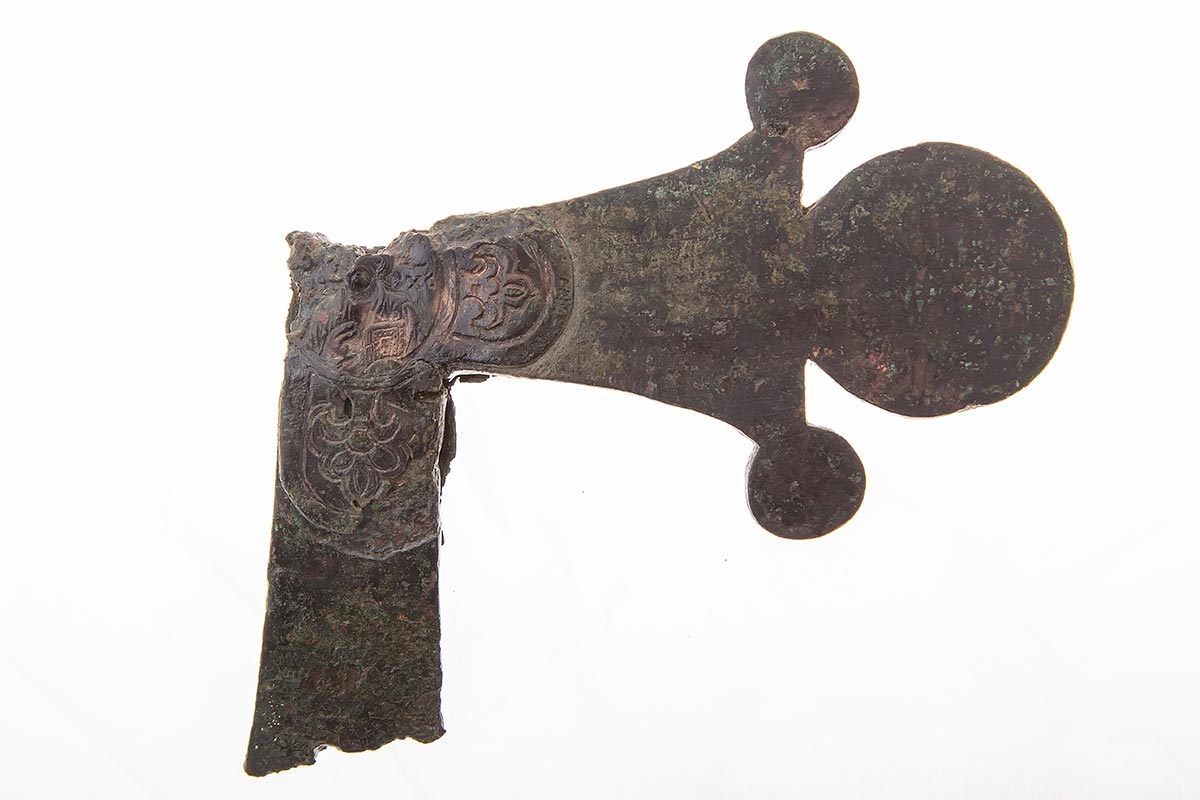
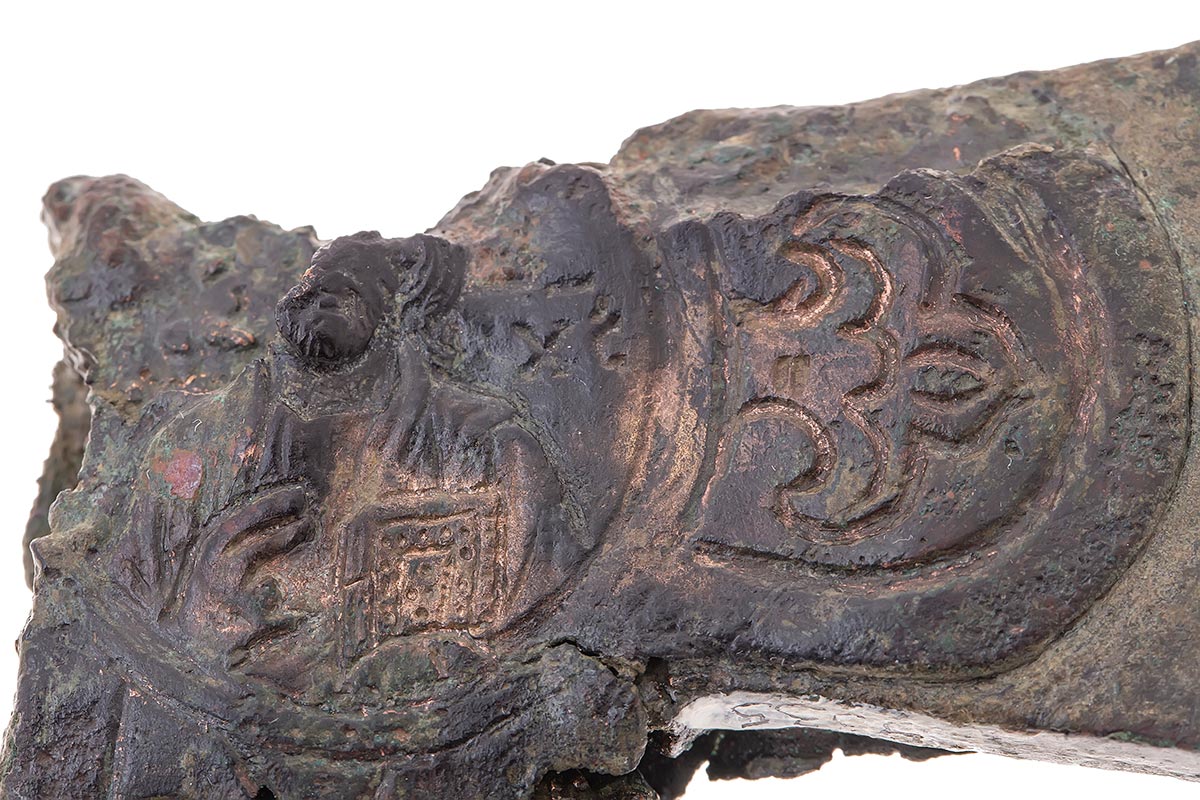
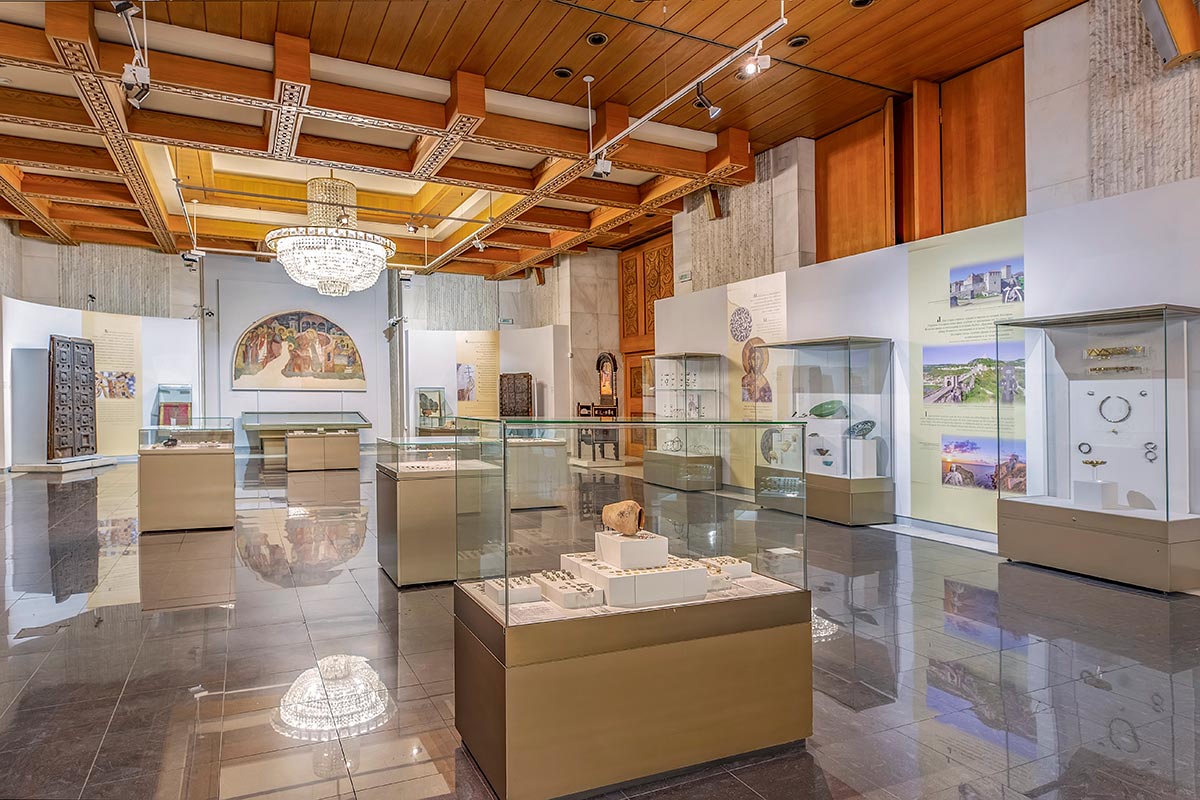
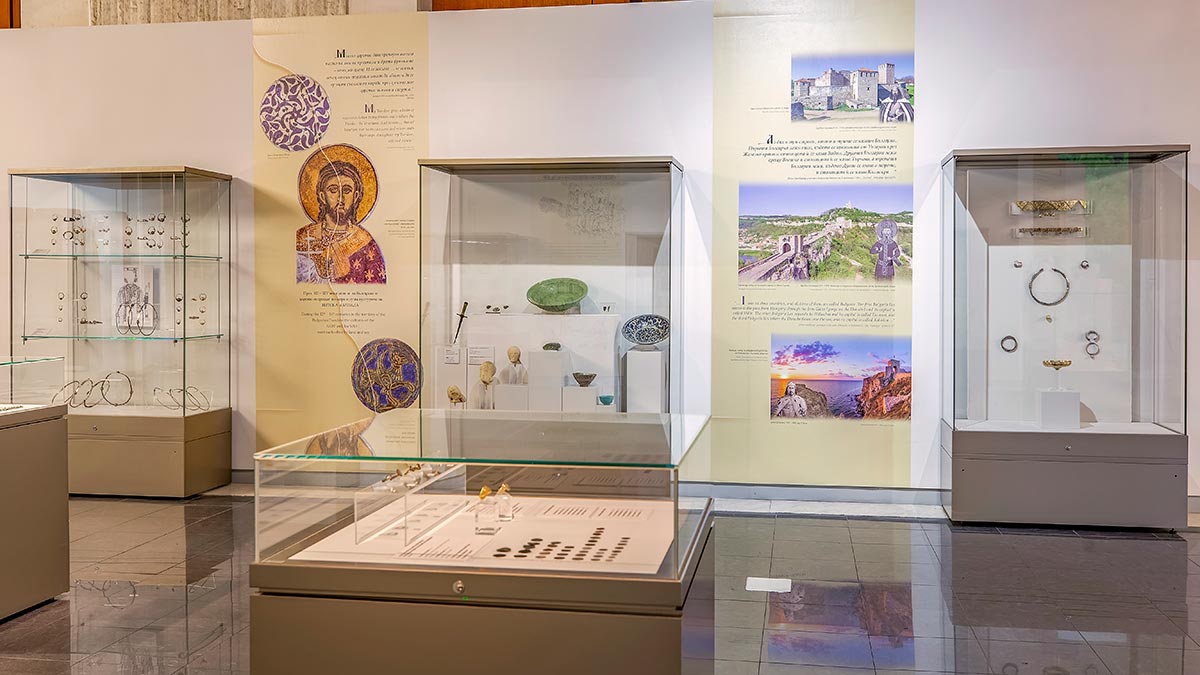
Укрепването на ханството, териториалното разширение на юг от Стара планина и на изток към Македония, осъществено при походите на хан Крум, а по-късно с успешните военни походи на цар Симеон е визуализирано с артефакти, свързани с въоръжението и снаряжението на старобългарската войска – саби, бойни брадви, върхове на копия и на стрели, стремена.
Процесът на утвърждаване на българското ханство, на неговите институции, развитие на езическата култура е прекъснат през 864 г. с приемането на християнството от княз Борис (852 – 889) като държавна религия. Най-ранното свидетелство е надписът от с. Балши, Южна Албания. Този акт издига международният авторитет на държавата, ускорява процеса на вътрешна консолидация. Съпроводен е със строителството на църкви, и манастири, с приемане на славянската писменост, сътворяване на кирилицата, превод на каноничните творби и въвеждане на богослужение на старобългарски език.
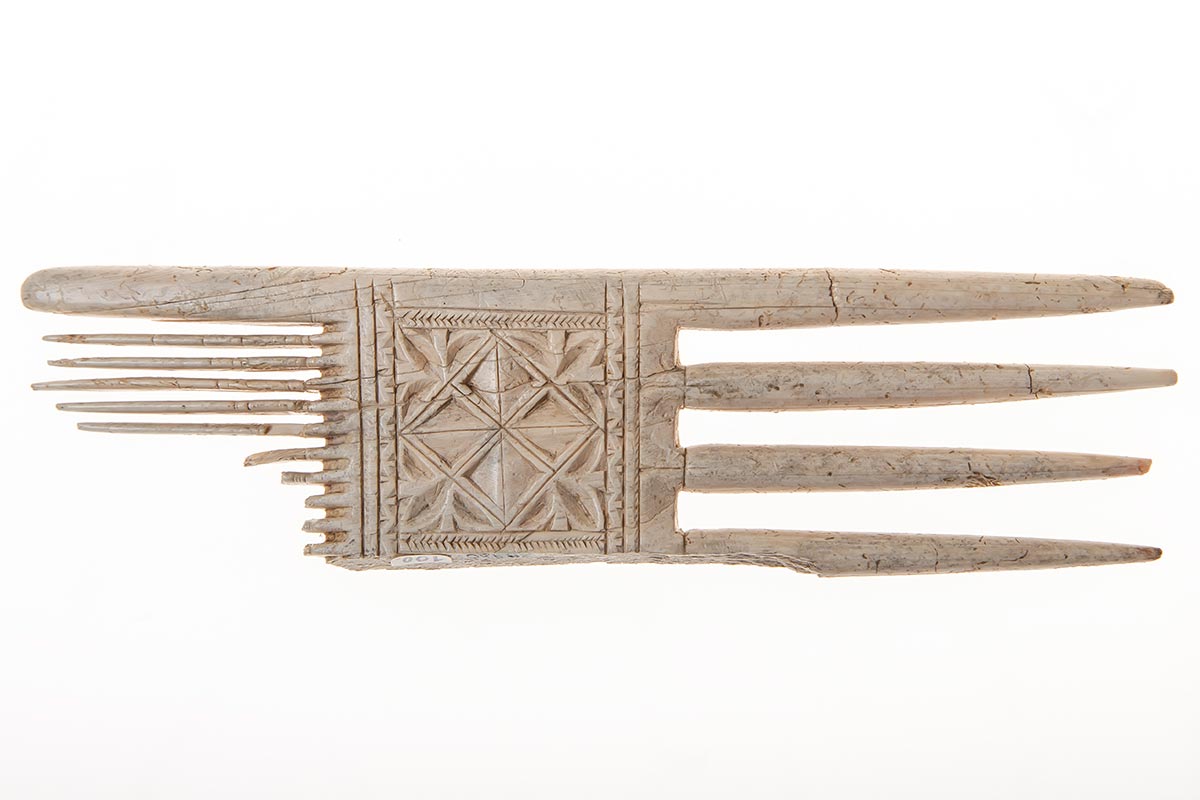
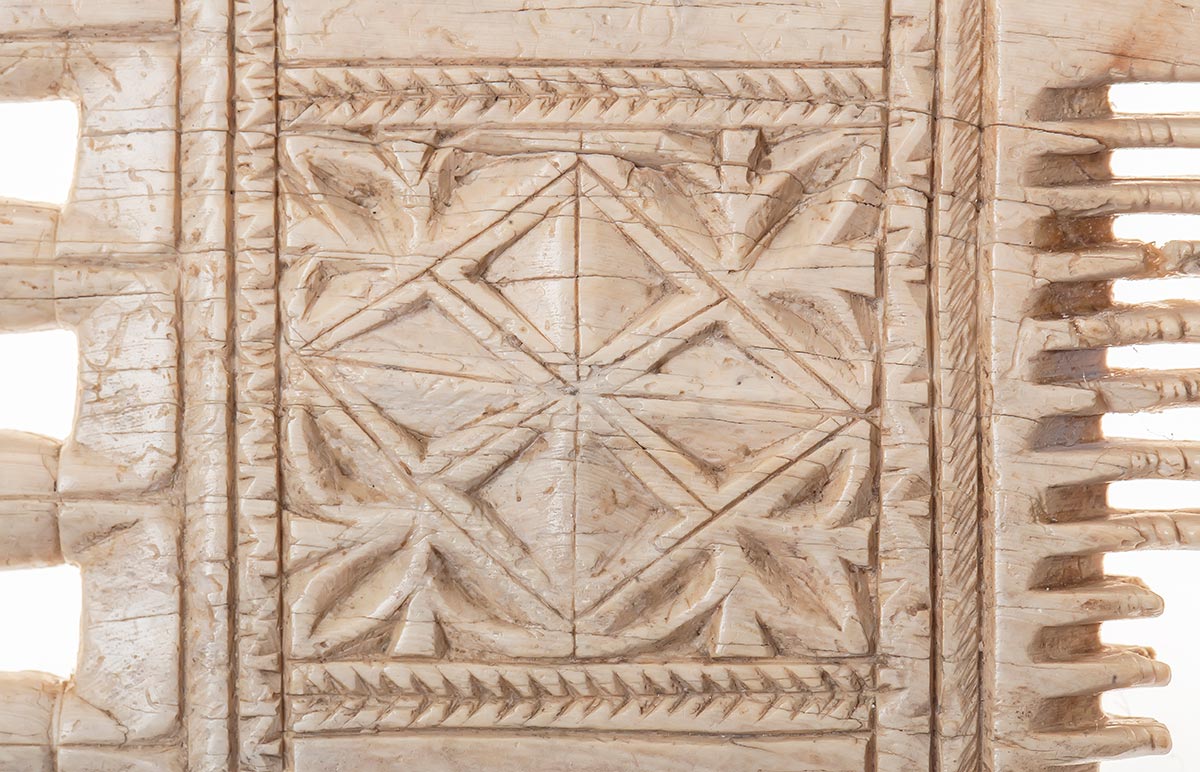
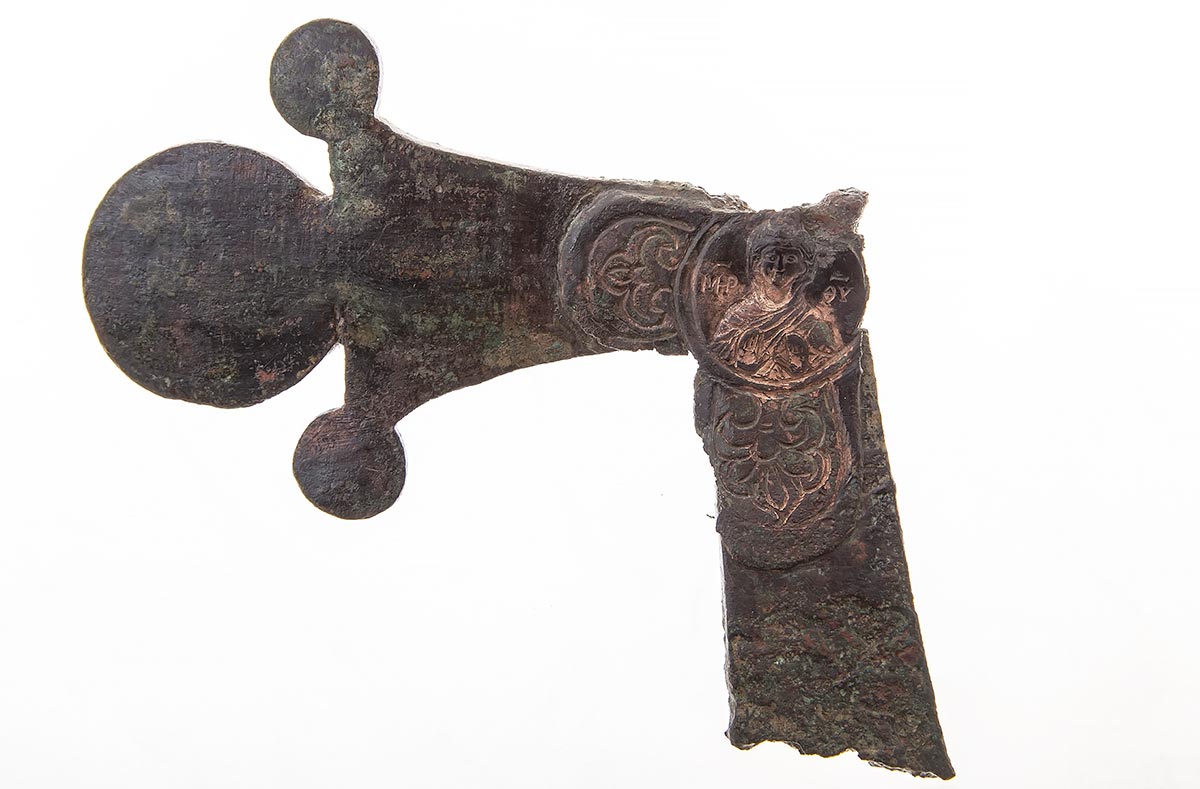
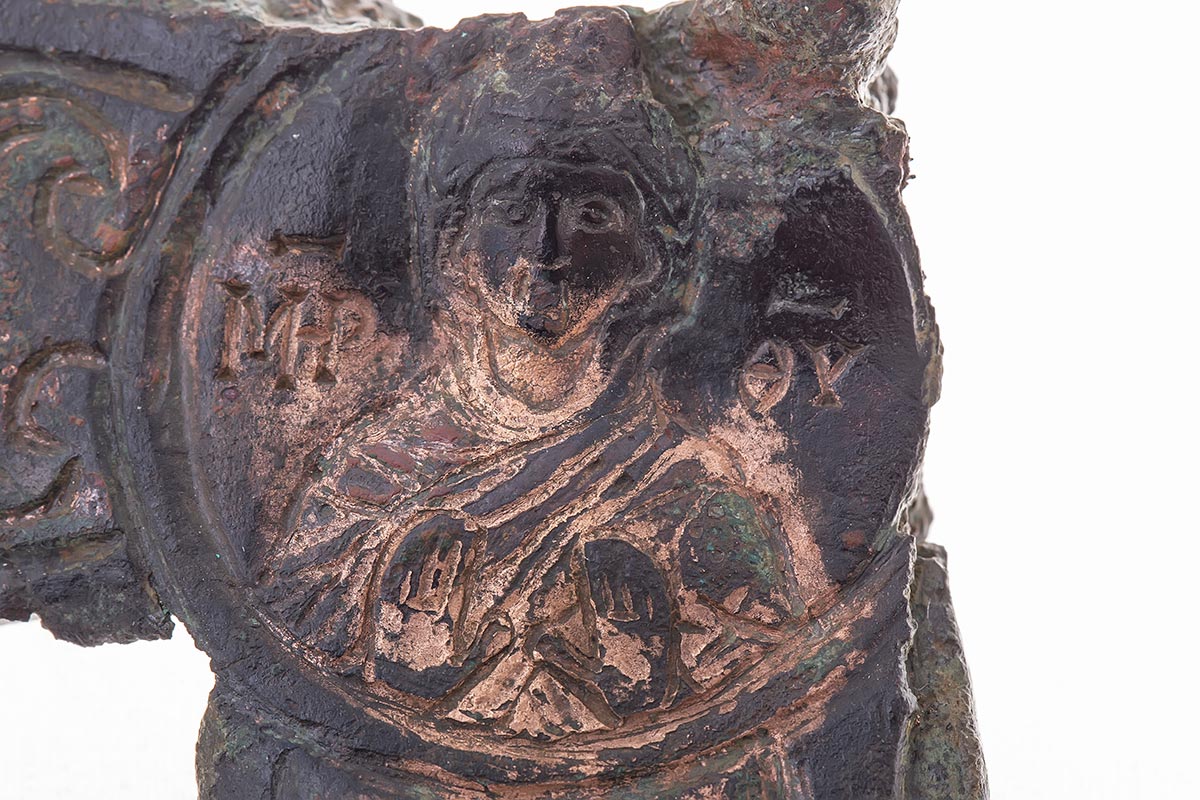
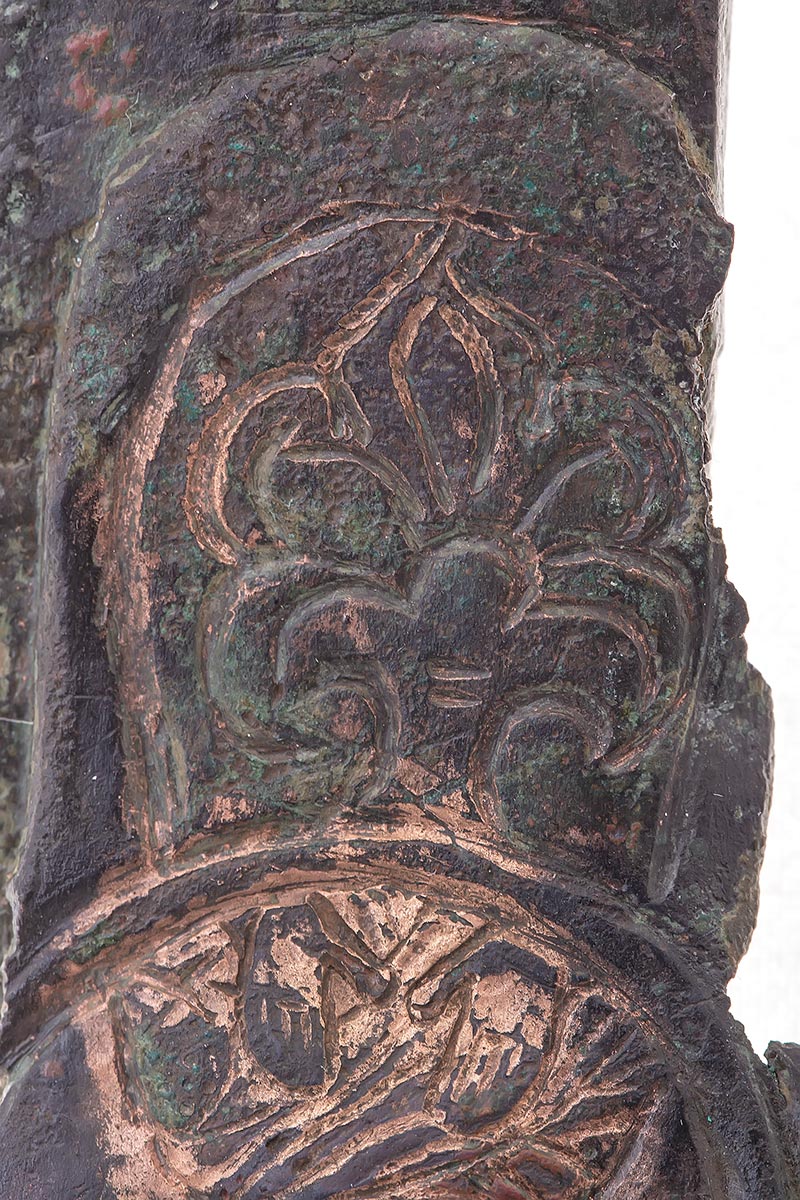
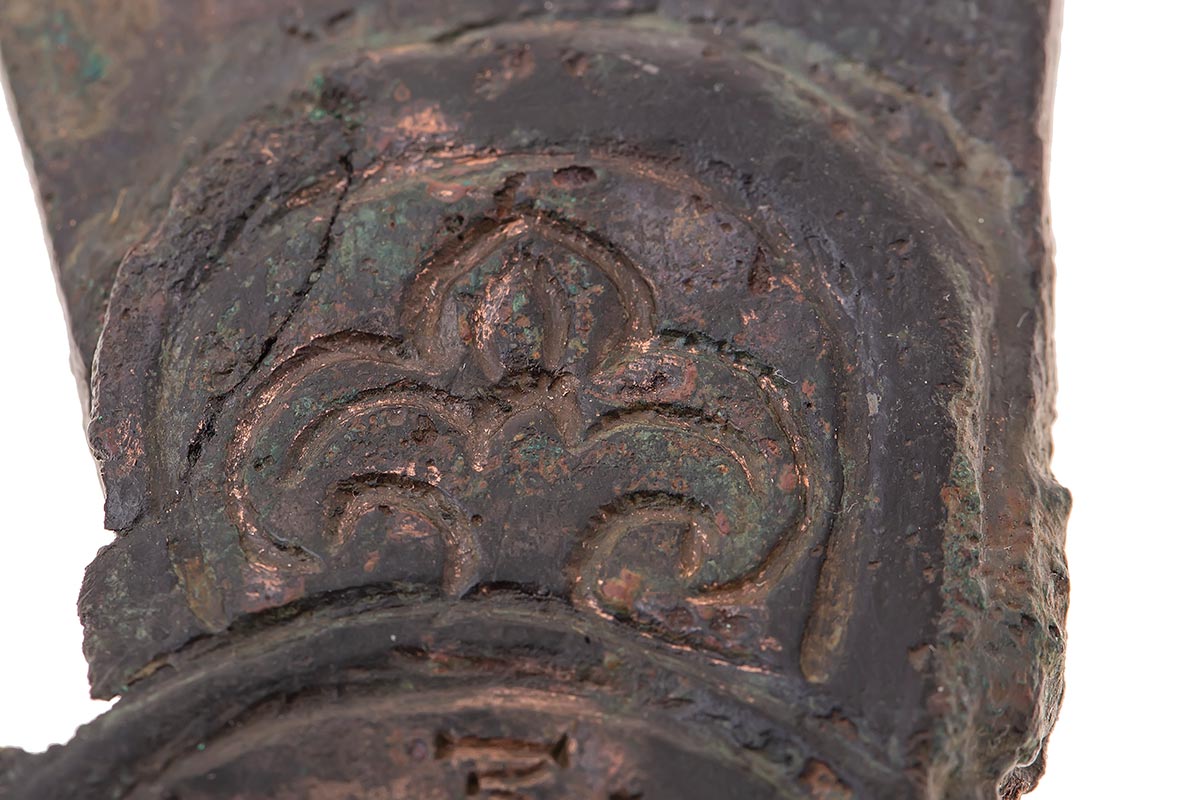
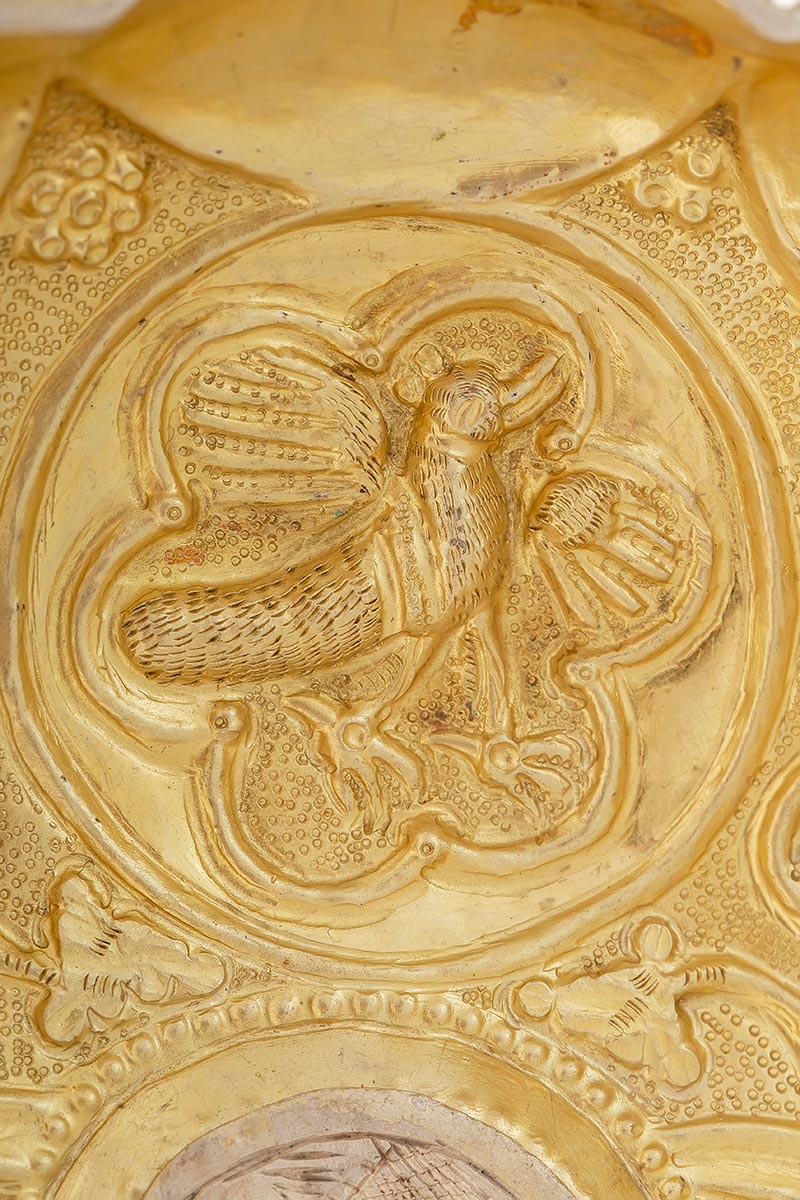
Със заемането на престола от княз Симеон през 893 г. държавният център е преместен във Велики Преслав. Новата столица е укрепена и благоустроена с представителни дворци, граждански и църковни сгради, украсени богато със скулптирана каменна пластика, мозайки и стенна рисувана керамика. Манастирите около столицата стават центрове на новите художествени занаяти – за изработка на ръкописи, костерезба, рисувана керамика. В близост до столицата се организират и първите центрове за производство на художествен метал за църковна утвар, но и за масовия вкус и вяра – нагръдни кръстове, коланни обкови и накити, предмети на бита, декорирани в духа на византийската естетика. Експозицията представя различни инструменти и пособия за производство: вставна наковалня, клещи, златарски чукчета, хатет, клещи, леярски форми, модели, матрици, готова и полуготова продукция и брак от производствените ателиета при с. Надарево, Търговищко и с. Попица, Бяла Слатина.
Свидетелство за политическия възход на българската държава са владетелските печати – на княз Борис-Михаил, на Симеон – като княз и след провъзгласяването му за василевс, на приемника му Петър (927 – 970), при когото високият владетелски титул и самостоятелна българска патриаршия са официално признати от Византия.
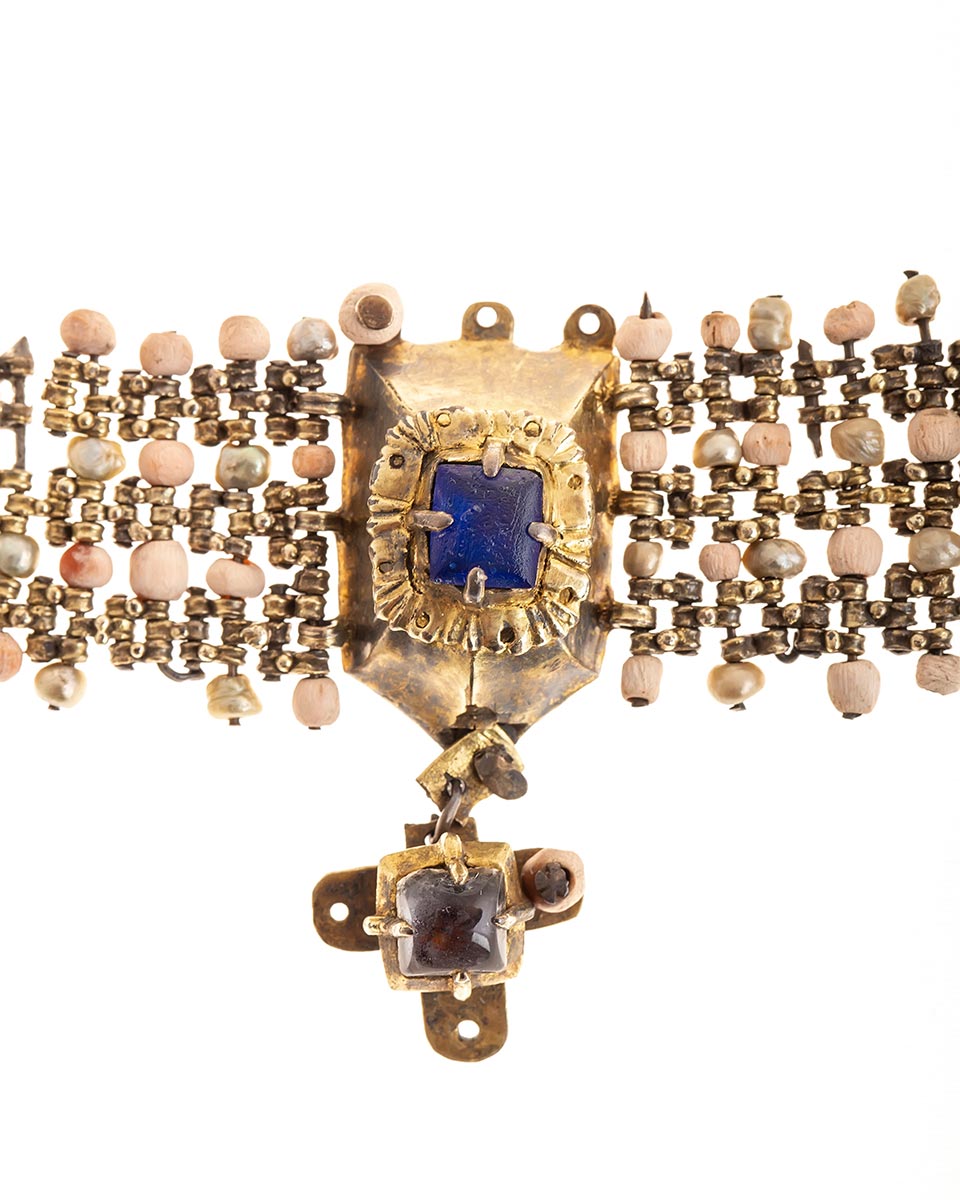
В края на Х в., под натиска на Византия, политическият и църковно-религиозен център се премества в западните български области. Борбата за отстояване независимостта на страната ръководи цар Самуил (997 – 1014) от династията на Комитопулите. В залата е експониран единственият запазен у нас паметник от негово име – надгробната плоча в памет на родителите му и най-големия му брат Давид /91/, както и строителният надпис на Иван Владислав (1015 – 1018), „цар и самодържец български“ за обновяването на крепостта Битоля. През 1018 г., след половинвековна съпротива срещу Византия временно се прекъсва самостоятелното политическо развитие на българската държава, унищожени са българската светска и духовна аристокрация, царският Двор с управленските институции. Българските земи попадат напълно в сферата на византийската културна традиция, визуализирано чрез паметници от Южна България – каменна пластика от църквата „Св. Йоан Предтеча“ на о-в „Св. Иван“ и „ Св. Апостоли“ в Созопол, накити, имитиращи луксозни византийски образци с евтин, но достъпен, материал.
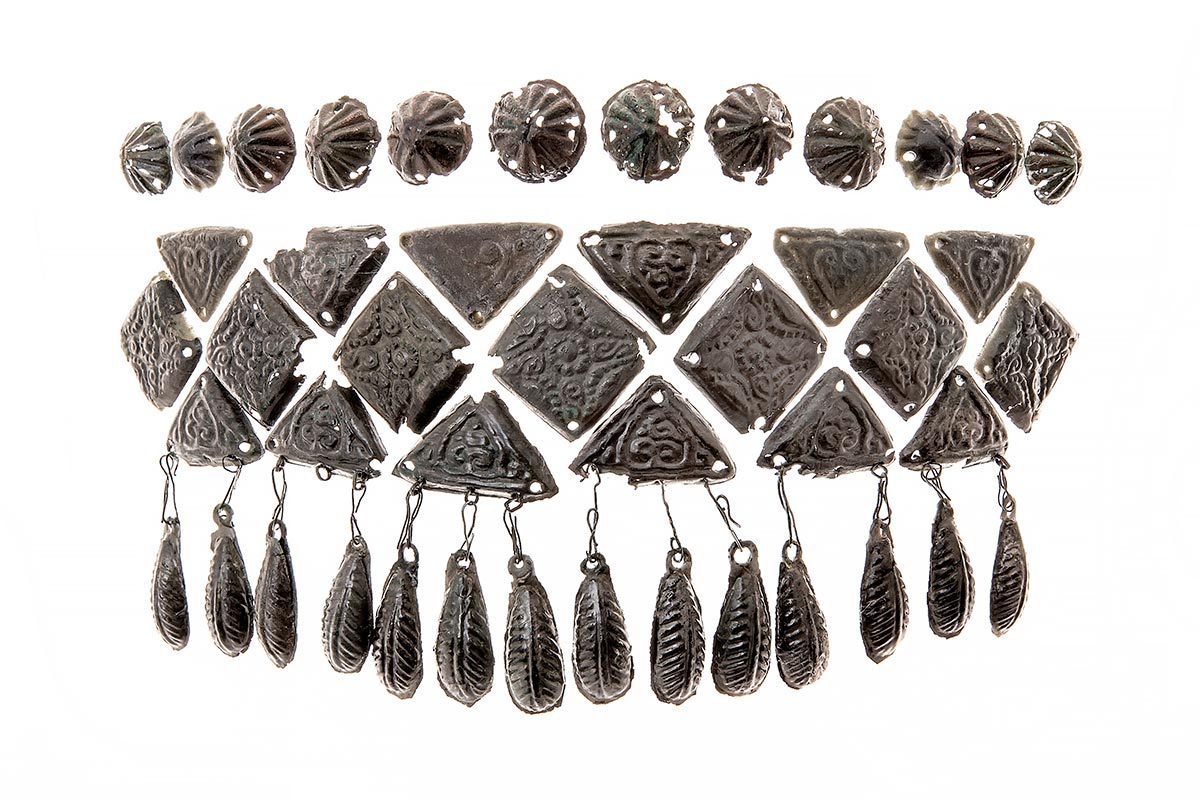
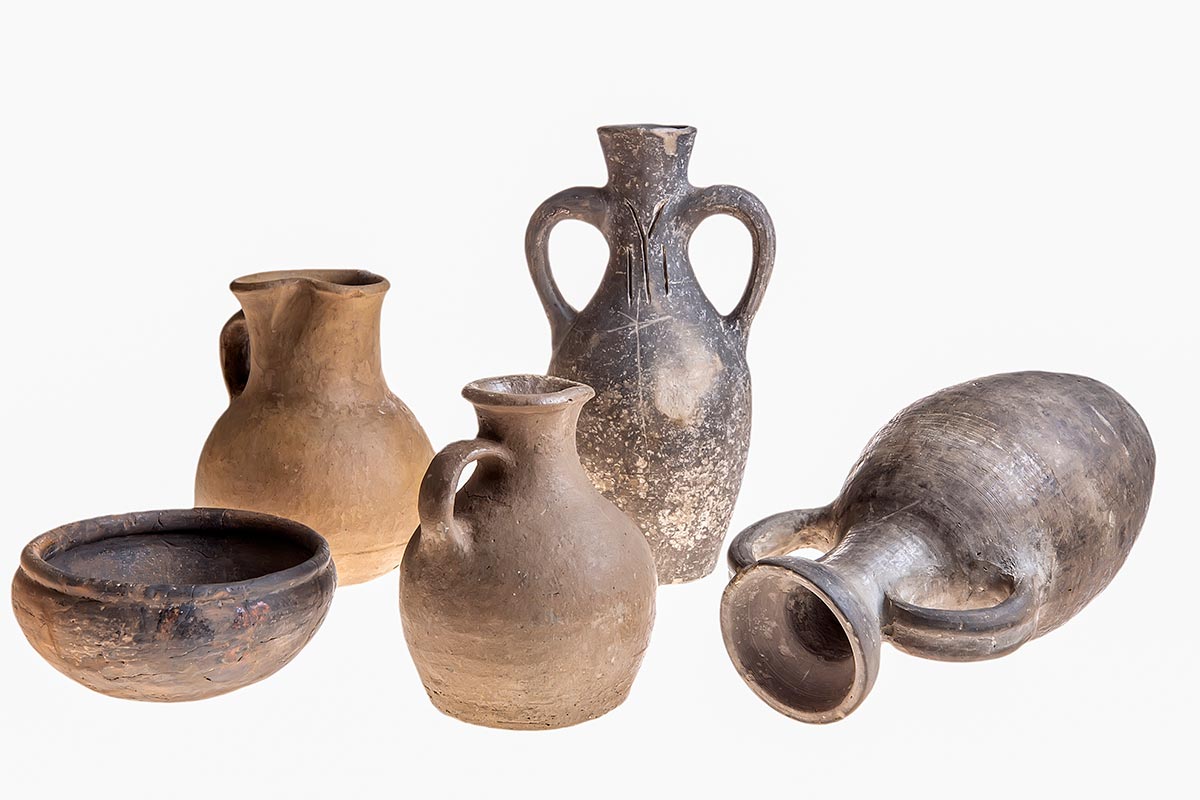
В края на Х – XII в. в северните български земи, но и на юг от Стара планина зачестяват нашествията на т. т. „късни номади“ – печенеги, узи и кумани. Присъствието им тук е визуализирано с характерното за тях въоръжение, луксозни коланни гарнитури, обкови, снаряжение, накити, съдове изработени на ръка, датирани в XI – ХIII в.
26 октомври 1286 г., денят на св. Димитър Солунски, бележи началото на въстанието на братята Асен и Петър и началото на възстановяване на българската държавност. Военните победи на българската войска са визуализирани чрез различни образци на средновековното въоръжение и снаряжение от XIII – XIV в. – мечове, боздугани, върхове за стрели, както и едно изображение на войн върху сграфито керамика от Търновград. Двата века византийско владичество и последвалите столетия водят до окончателното възприемане структурата на византийския императорски Двор. В новия столичен център на възстановената държава Царевград Търнов се изграждат представителни дворцови сгради, патриаршески комплекс, църкви и манастири. Акценти в експозицията са два мраморни паметника от Търновград – фрагмент от тимпан с изображение на ангел и капител с монограм на цар Михаил Шишман (1323 – 1330) от литургичната мебелировка на дворцовата църква.
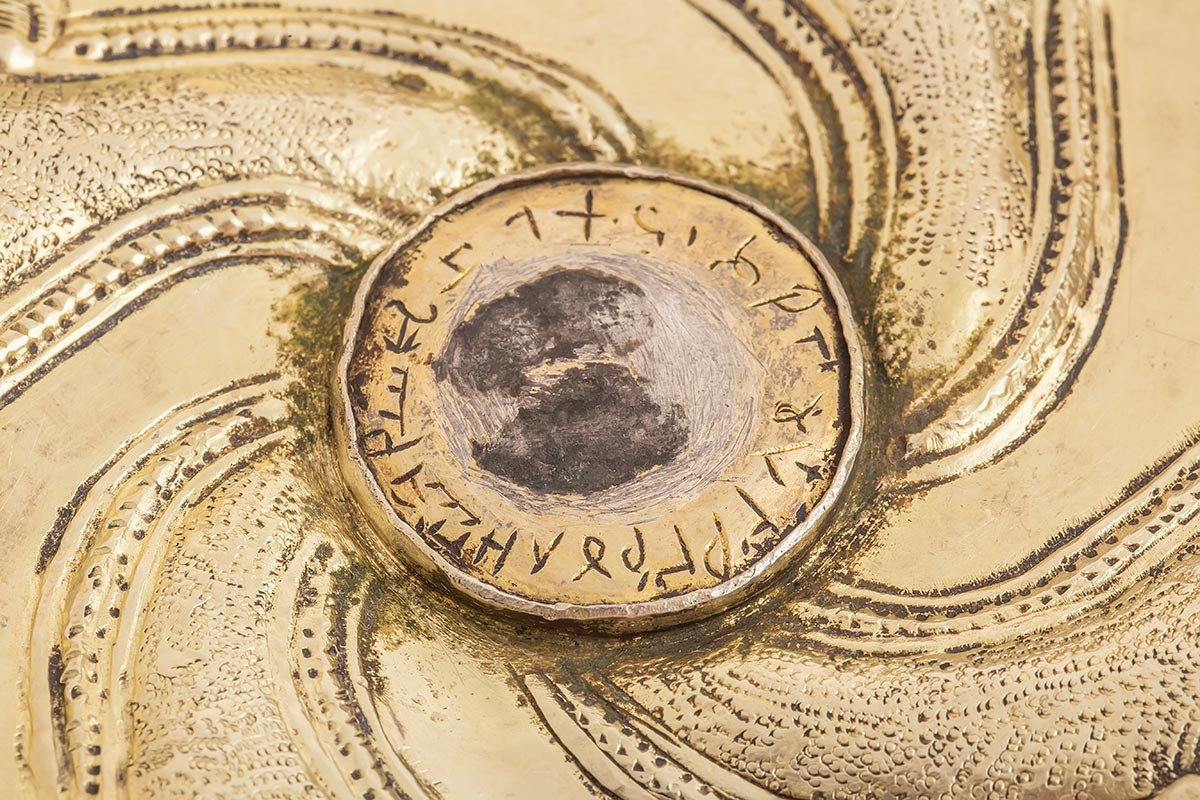
Стремежът към утвърждаване на легитимността и международното признание на царството, независимостта на българската църква намира израз в дипломатическата дейност на цар Калоян (1197 – 1207). В експозицията са представени пръстен печат с надпис „Калоянов пръстен“, пръстен на „Тодор примикюр“, вещи на български аристократи и образци от монетосеченето на българските владетели от XIV в.
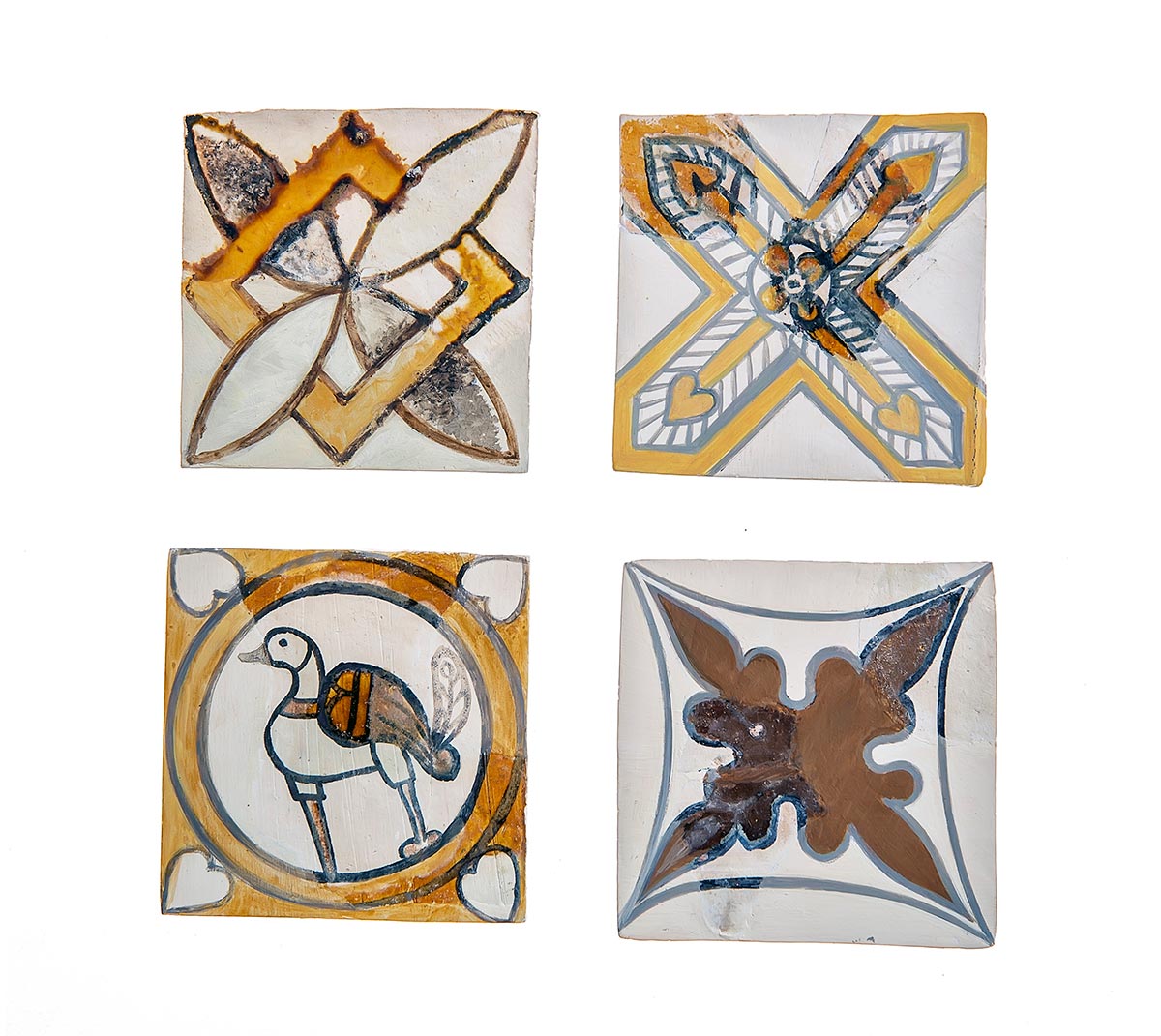
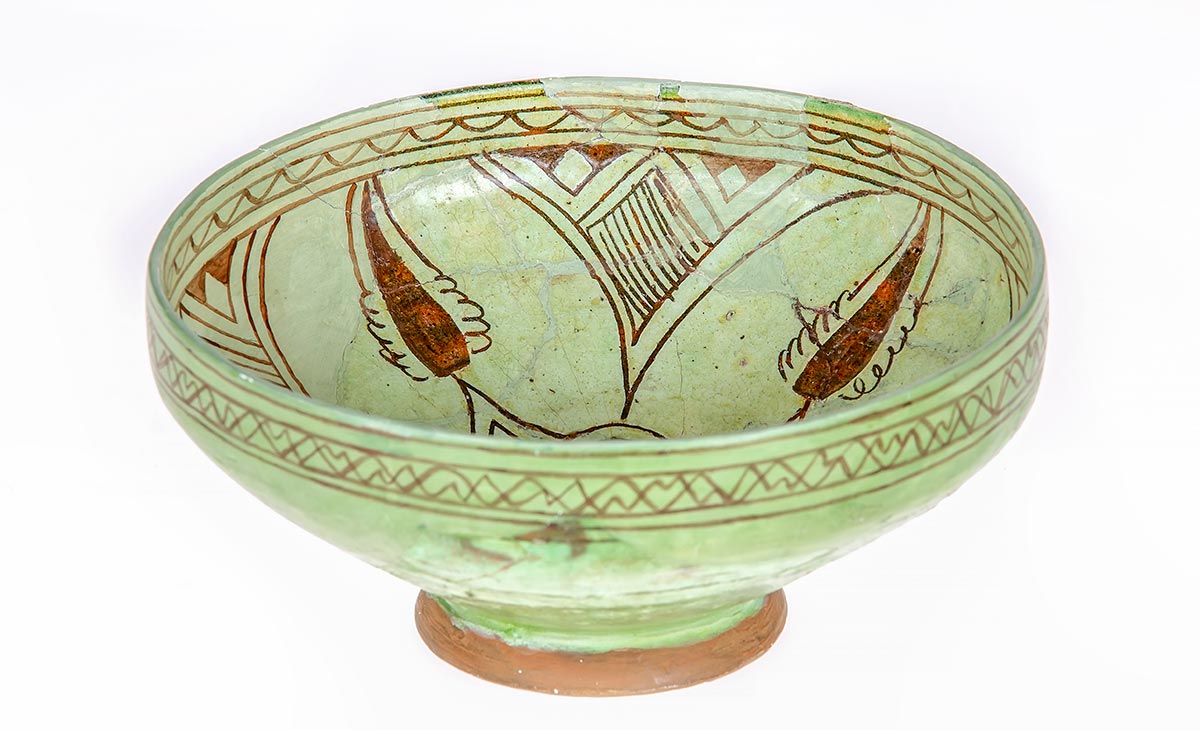
„Царстващият град Търнов“ е еталонът, следван от останалите български средновековни градове – Червен, Шумен, Овеч, Ловеч, Мелник и др. В тях процъфтяват търговията и художествените занаяти: производството на луксозна трапезна керамика, златарството, текстилното производство, железарството, маркирани в експозицията чрез образци на „сграфито“ от различни центрове, пособия за металопроизводство – леярски форми, матрици и готови изделия.
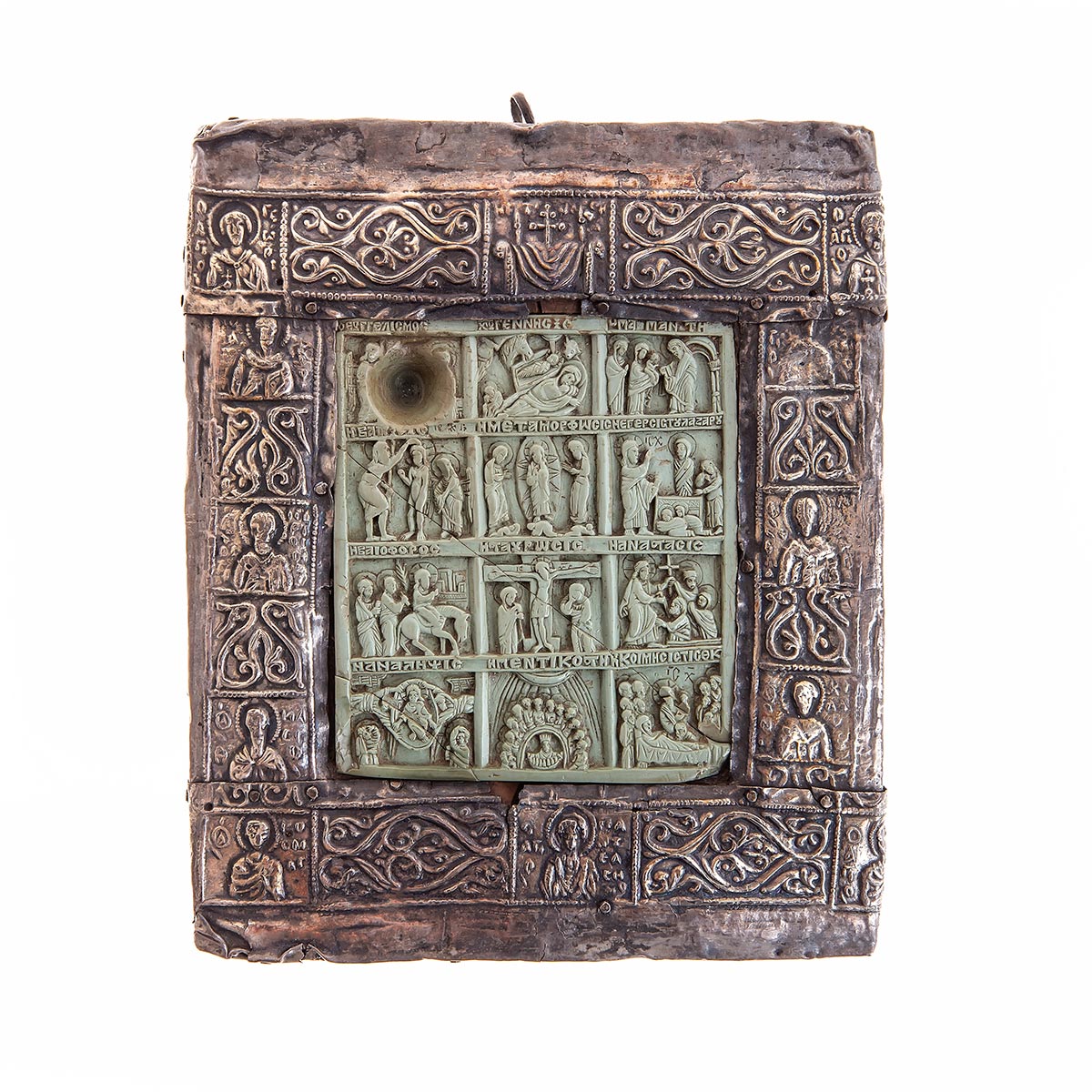
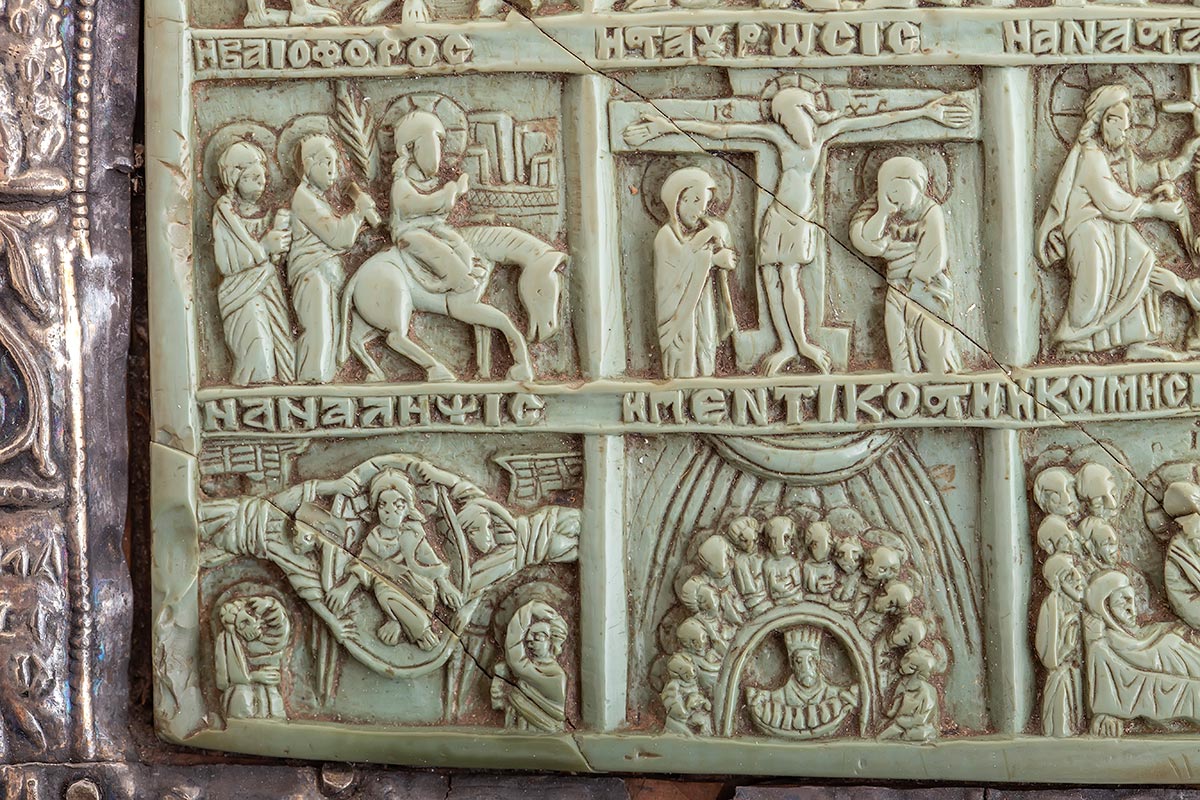
През 1235 г. Българската църква получава статут на самостоятелна патриаршия, а църквите и манастирите стават средища на образование и книжнина. Темата е развита чрез артефакти, от църковния интериор и утвар: дърворезбените врати от църквата „Св. Никола Болнички“ от Охрид и от Рилски манастир, трон на Стефан Хрелю Драговол от църквата, построена по негова воля, процесиен кръст, вероятно от църква, посветена на св. Димитър, Търговищко. Атрактивен акцент е иконата от лизардит с преизползван сребърен обков „Дванадесет господски празника“ от XIV в.
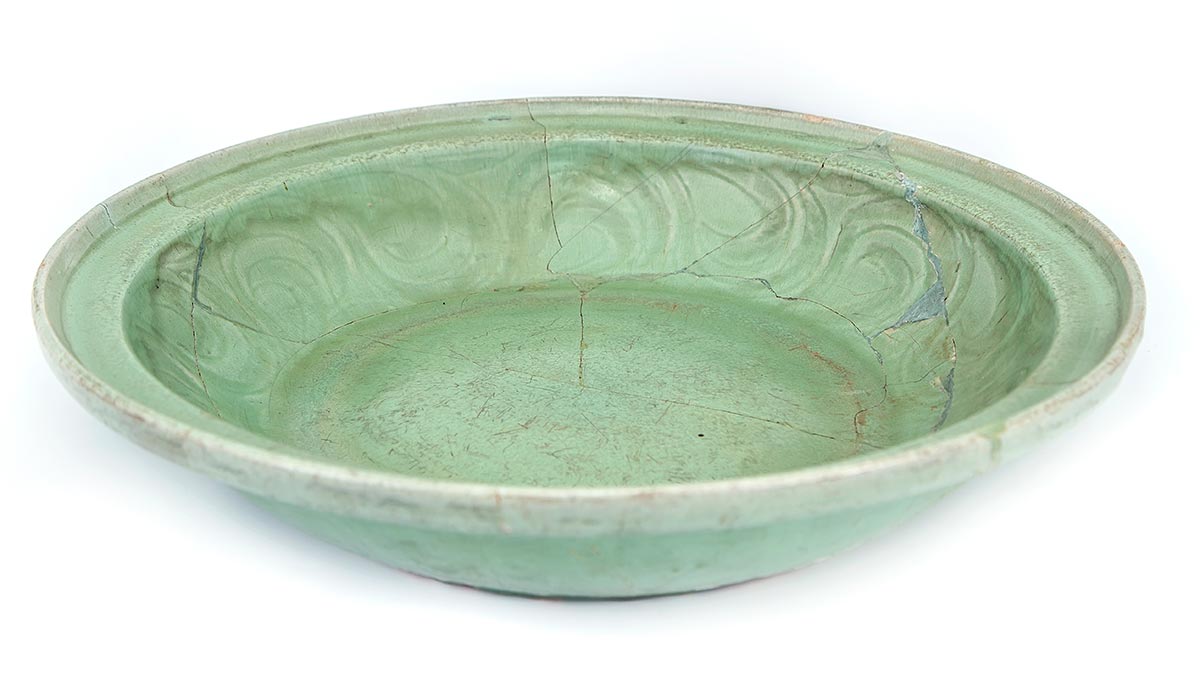
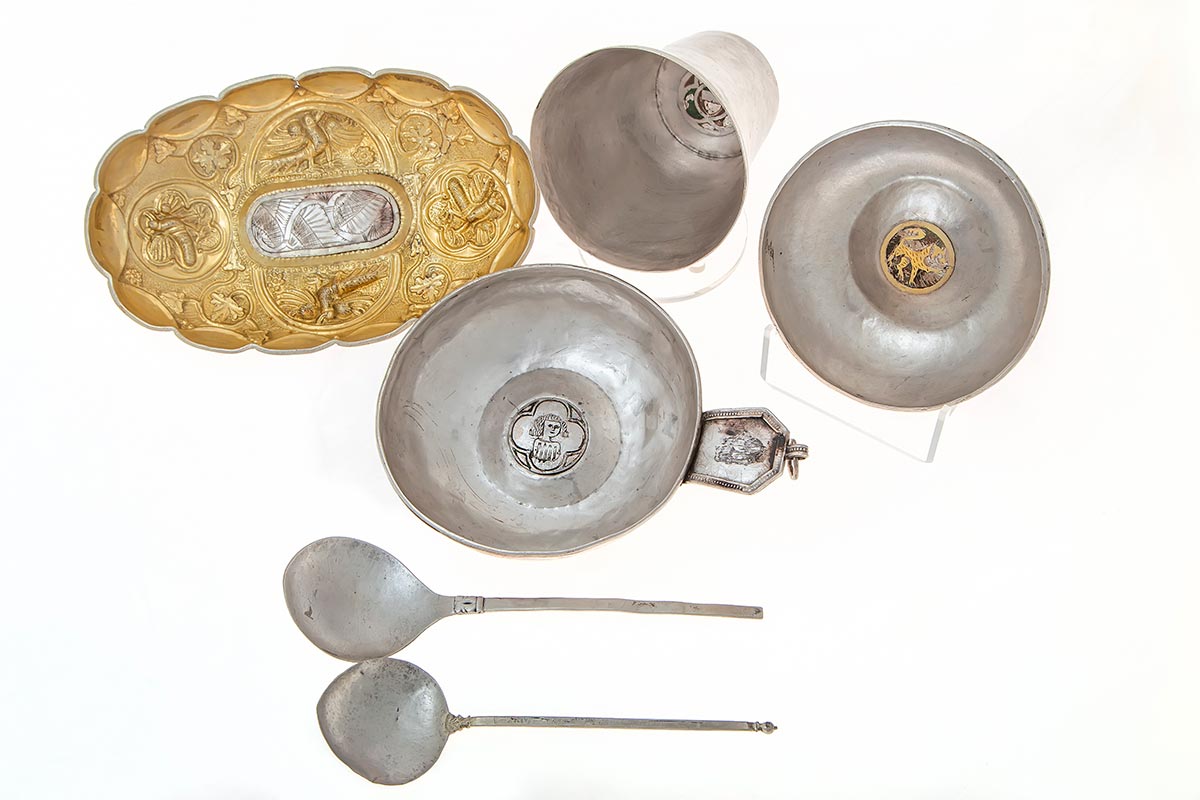
В резултат на кръстоносните походи, политиката на Мануил I Комнин (1143 – 1180), унията с папата, търговските връзки с Венеция и Генуа, контактите с Латинската империя, Унгарското кралство и страните от Изтока през ХII и следващите векове на Балканите проникват нови стоки, технологии и майстори. Новите модни тенденции намират израз в облеклото, аксесоарите към него, декорирани в техниката на émail de Limousin или émail translucide, чиито носители са българските аристократи. Представените съдове тип „Милет“, луксозна керамика от Иран и Китай свидетелстват за контактите с Изтока.
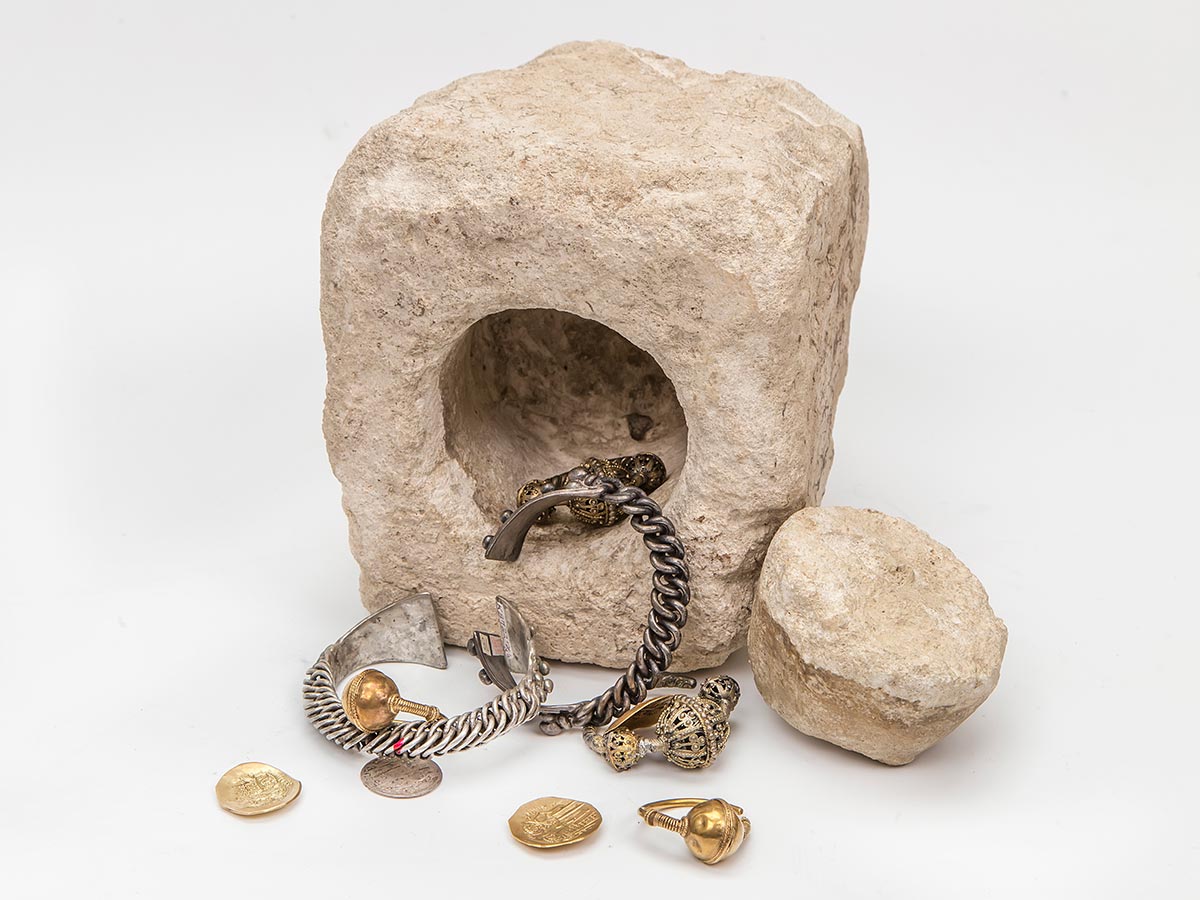
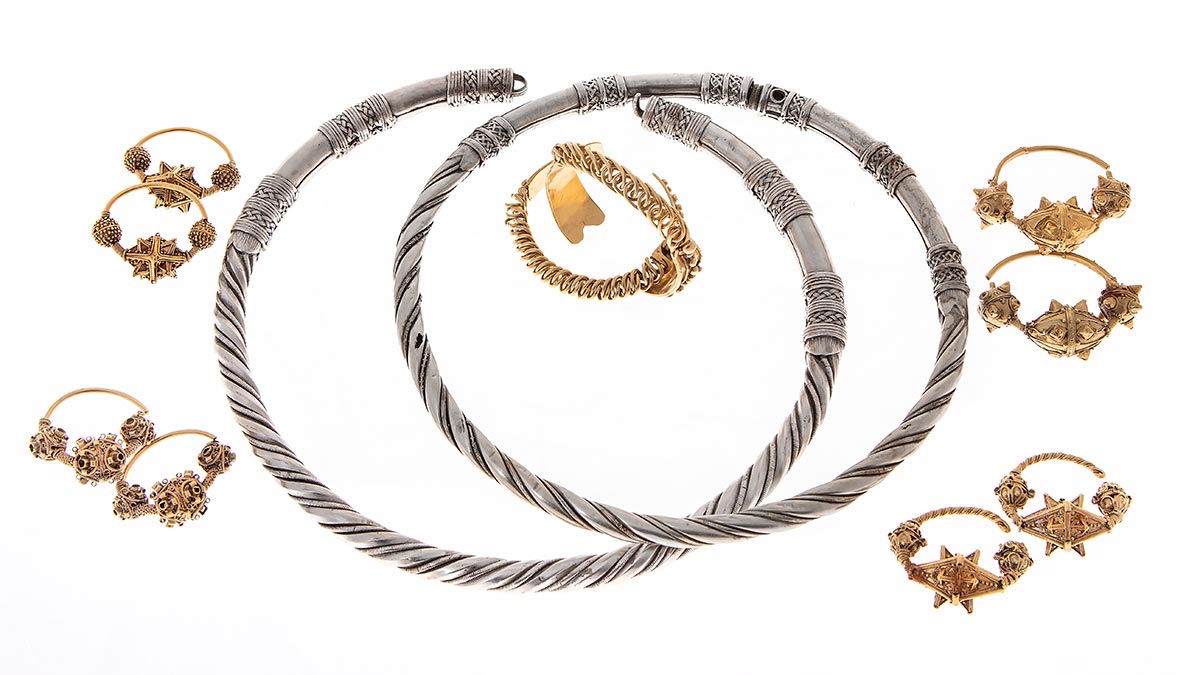
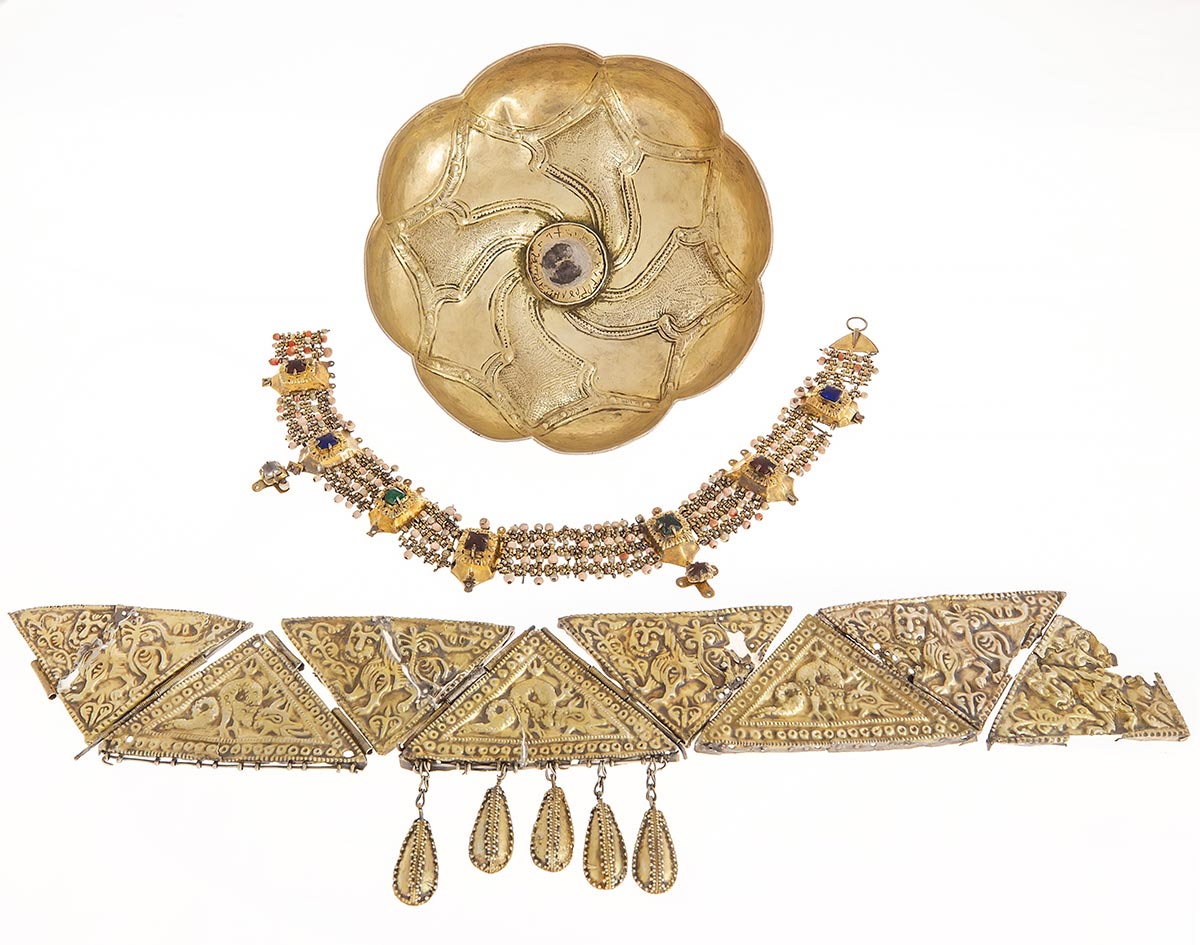
XIV в. е времето на Палеологовия ренесанс, разпространението на исихазма и разцвета на Търновската книжовна и живописна школи, но и време на политически сепаратизъм. Разпадането на държавата на три царства – Търновско, Добруджанско и Видинско, е визуализирано чрез три големи съкровища, представени в експозицията – Никополското, т.н. „татарска плячка“, открита в Калиакра и съкровището от с. Дружба, Видинско.
Неуспешната съпротива срещу османските нашественици от втората половина на XIV в. символично е загатната чрез полиелея от Марков манастир, носещ името на своя ктитор – крал Вълкашин (1365 – 1371), от рода Мрнявчевич, оказал през 1371 г. при Черномен един от последните опити за отпор срещу една чужда на българското общество културна и държавна традиция.