The Multi-layered Site at “St. Archangel” Hill During the Roman Era and Late Antiquity
The site is located on one of the first hills of the Western Rhodopes, on the left bank of the Mesta River. From the hill, there is an exceptionally good view of the Nevrokop Valley, the roads connecting with the fields of Drama, Serres, and Thessaloniki, as well as the mountain passes leading to Petrich and Razlog. This strategic position, its natural protection, and particularly the availability of water on the hill made it a preferred choice for habitation since the Late Chalcolithic Age (second half of the 5th millennium BCE). Subsequently, during the Late Bronze Age (13th – 11th centuries BCE) and the Early Iron Age (9th – 7th centuries BCE), the area was actively inhabited. During the Late Classical and Hellenistic periods, a settlement developed on the hill, becoming a significant center that dominated the entire valley.
After the Battle of Pydna in 168 BCE, these territories probably fell under the influence of Rome, and in 148–146 BCE, when the province of Macedonia was created, they were incorporated into it. By the time of the Mithridatic Wars (89–63 BCE), the region of Middle Mesta was already part of the Roman Empire. In 72 BCE, the proconsul of Macedonia, Marcus Terentius Varro Lucullus, campaigned against the Western Pontic Greek cities and the Bessi. On “St. Archangel” Hill, archaeological materials, mainly coins, from the period of the 1st century BCE to the 3rd century CE have been discovered.
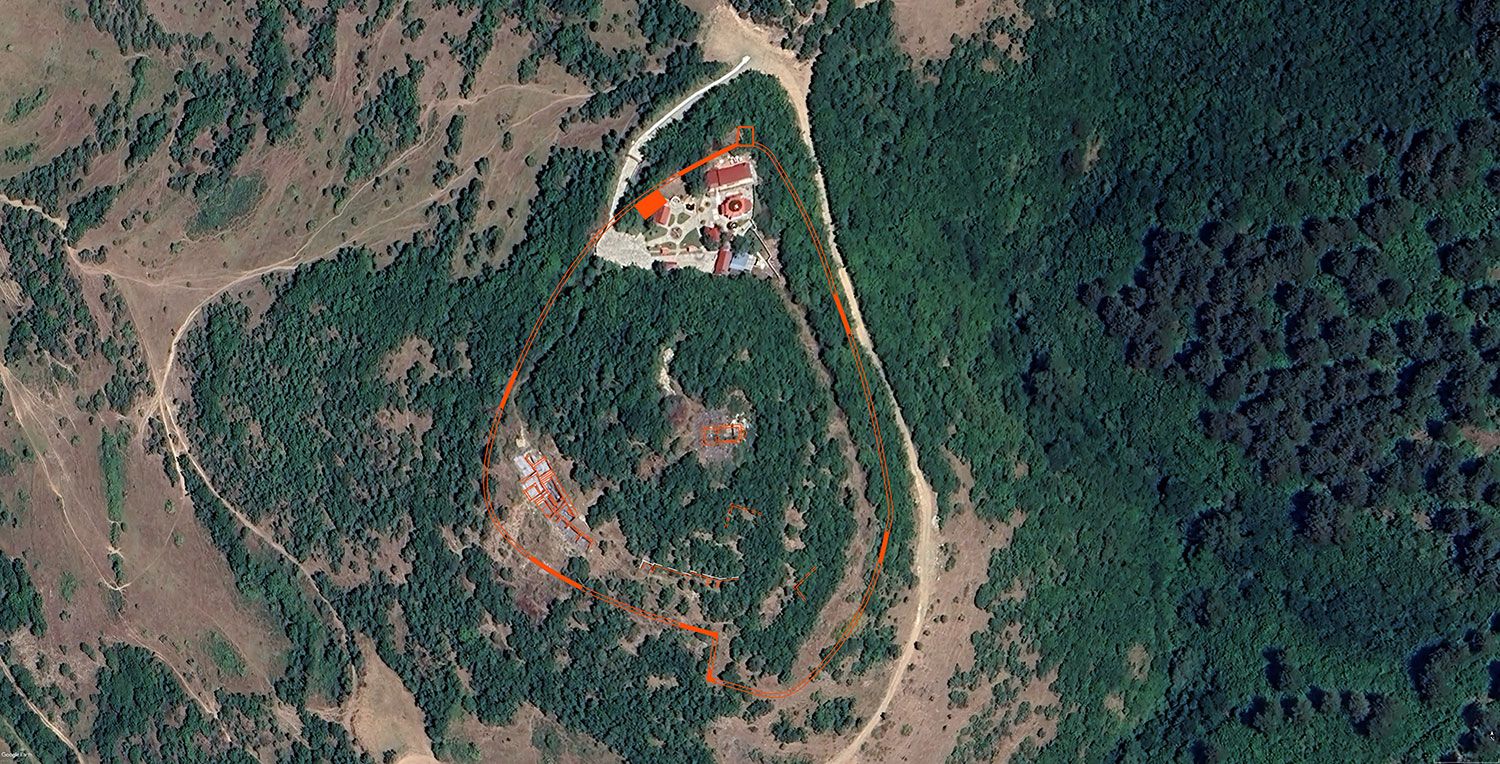
The settlement experienced its greatest development during Late Antiquity (4th–6th centuries). During this time, the area was built up and fortified. The remains from this period are impressive and occupy the entire hill, both in the fortified and unfortified parts. This massive investment is likely linked to the increasing invasions by “barbarians” and the need to further fortify key settlements within the Empire. Based on research, it is clear that this planned construction occurred around the mid-4th century, intended to shelter both the inhabitants of the surrounding area and the major regional center of Roman power, Nicopolis ad Nestum, in the event of enemy attacks. Between the 4th and 6th centuries, the fate of the settlement on “St. Archangel” Hill was closely tied to that of the Roman city.
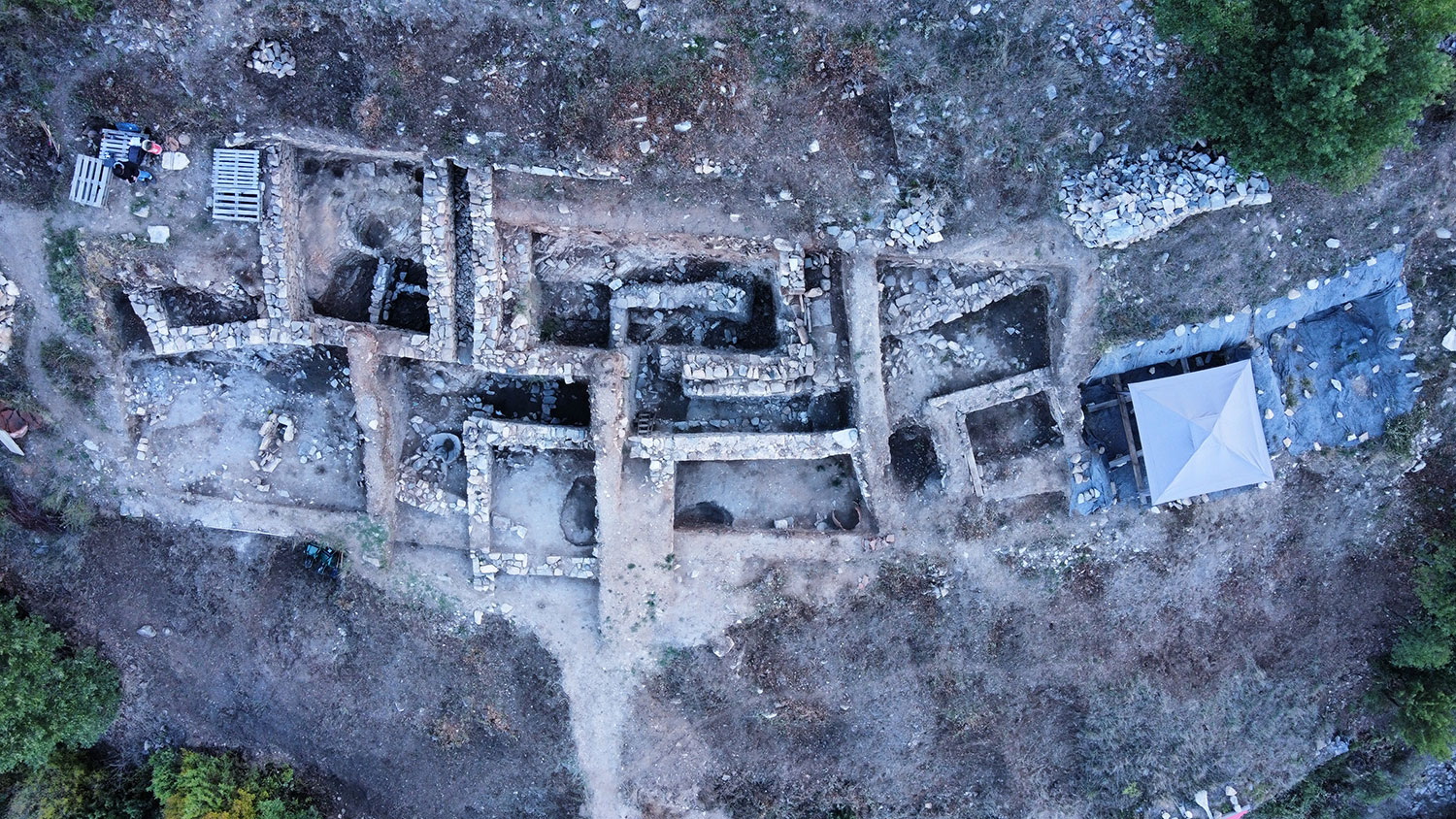
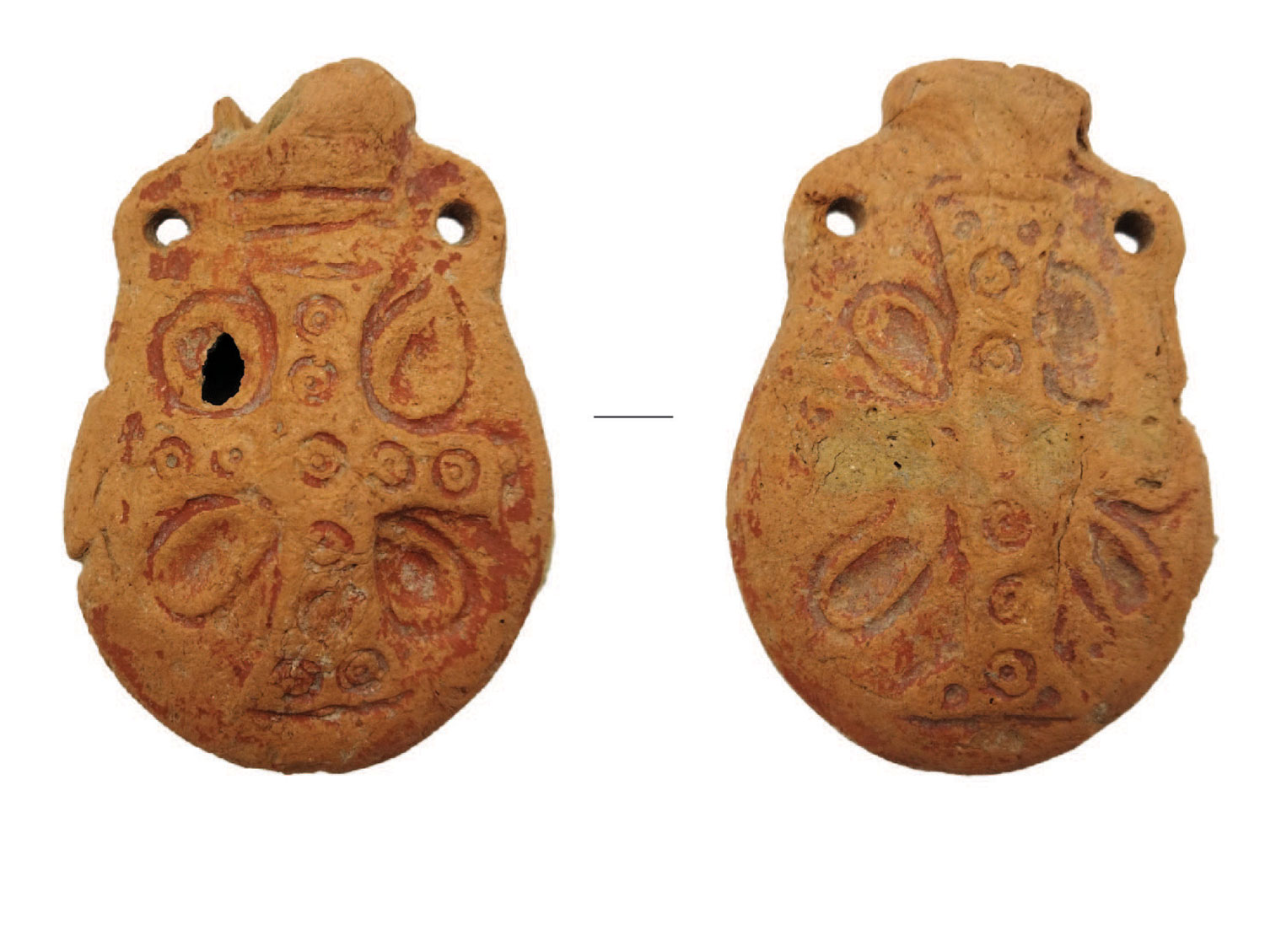
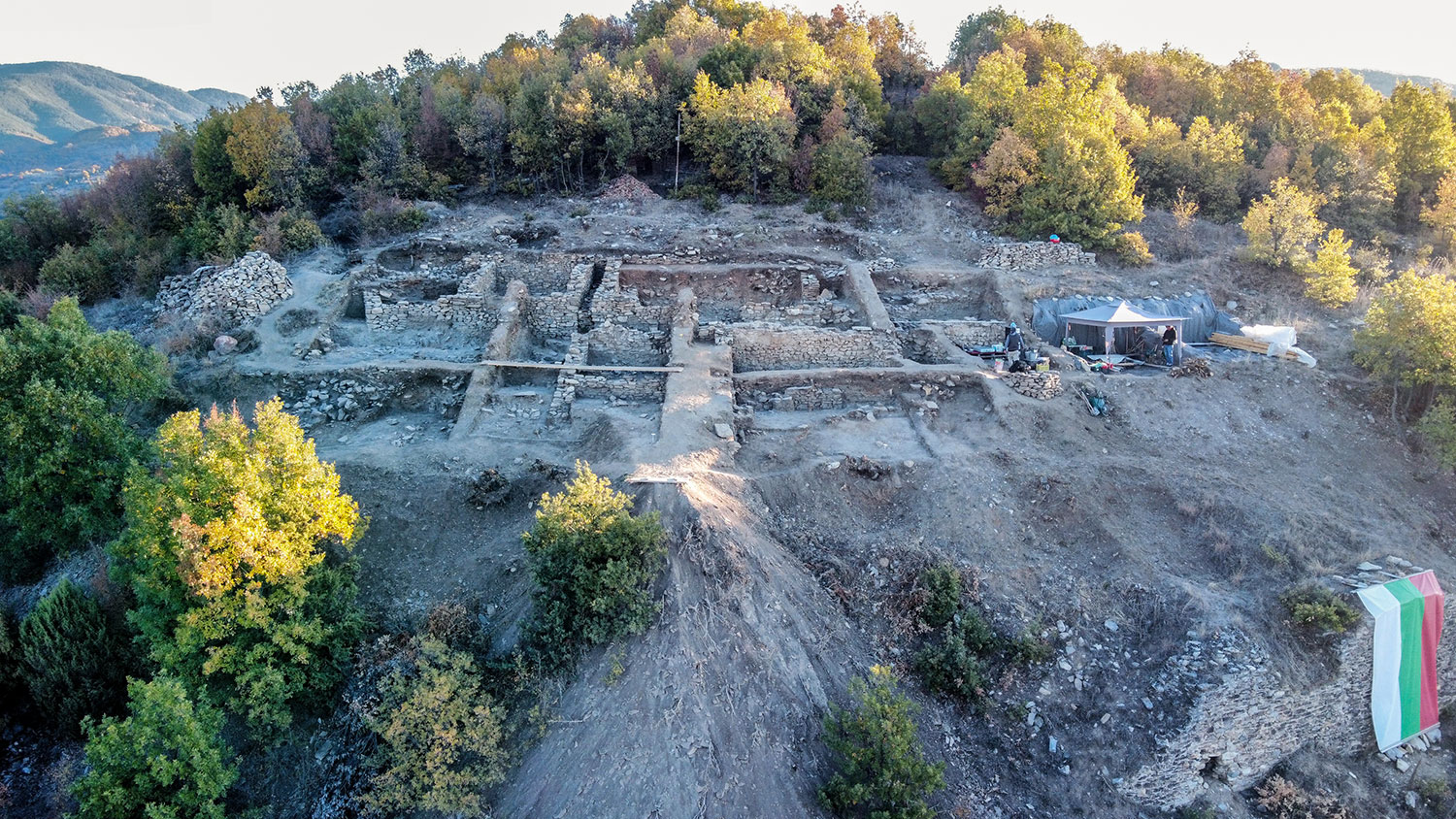
Archaeological excavations since 2020 have revealed buildings and rooms with residential, economic, and religious functions from Late Antiquity. These structures were covered with roof tiles or organic materials and had glass windows. The archaeological finds from the 4th–6th centuries reflect the high status of the inhabitants of this fortified settlement. The most common finds include ceramic vessels—such as fine tableware, kitchenware, and storage vessels—along with fragments of glass vessels, copper alloy objects with various functions, clay and stone weights, and numerous coins. Some of the most impressive discoveries include a lead seal from the Imperial Office of Constantinople, dating to the reign of Emperor Justinian I (527–565), and a pilgrim flask originating from the city of Ephesus, Asia Minor. Only three similar ampoules have been found in the modern territory of Bulgaria.
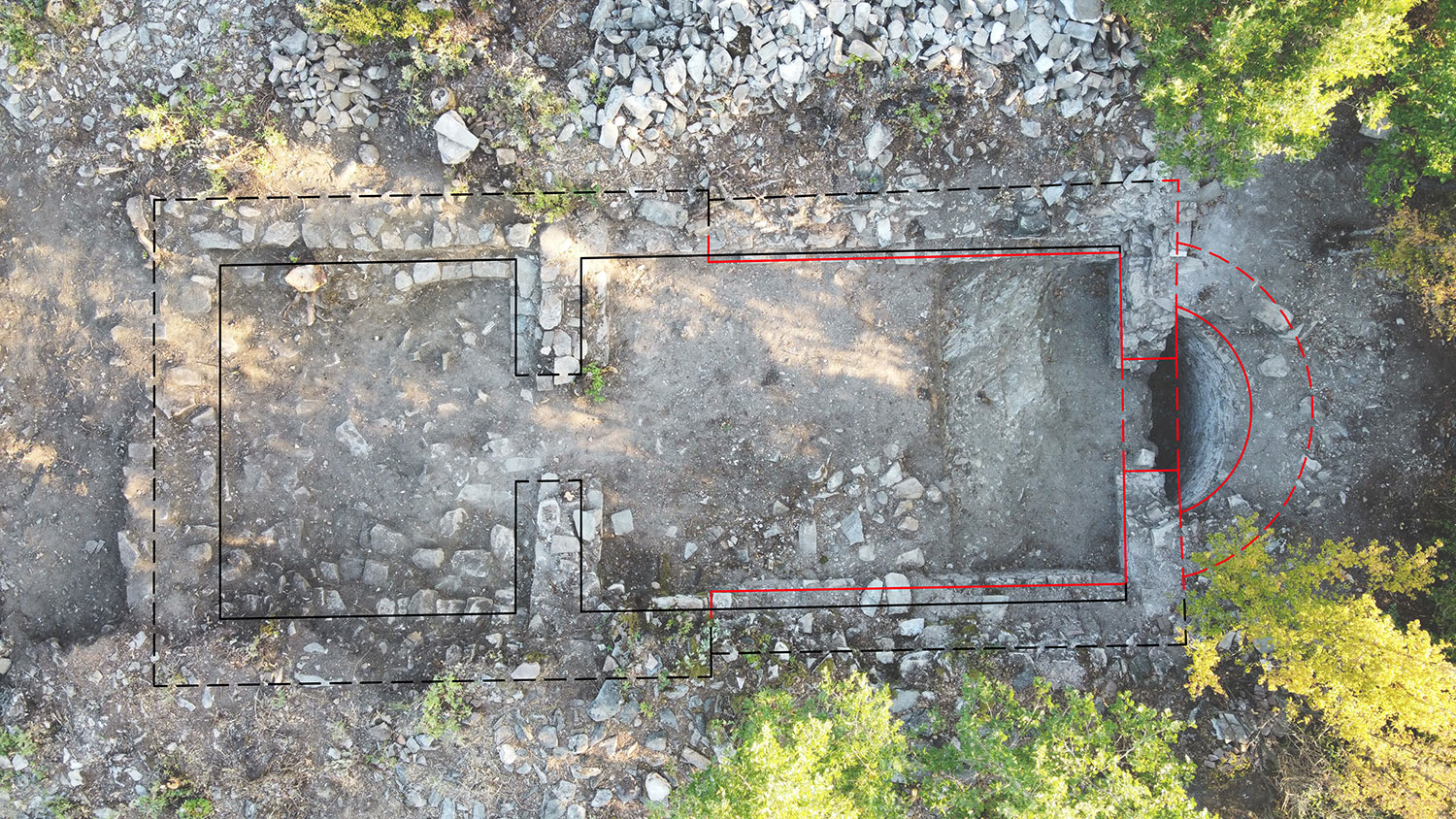
The foundations of an early Christian temple, built in the 60s of the 4th century, have been recorded at the top of the hill, making it the oldest uncovered church in the region.
In the late 6th to early 7th century, life on the hill was interrupted following the attacks of the Avars and Slavs, who devastated the entire region. The hill was later re-inhabited during the early Middle Ages. In the first half of the 13th century, the fortifications were rebuilt, and a large medieval center developed here, lasting until the middle of the 14th century, when the Middle Mesta region was conquered by the Ottomans.
The archaeological excavations, conducted by the National Museum of History team, are currently concentrated in the southwestern part of the fortified area and at the top of the hill. In the coming years, the research will be expanded to provide a comprehensive understanding of the layout and nature of occupation during Late Antiquity, as well as during other periods of habitation on “St. Archangel” Hill.
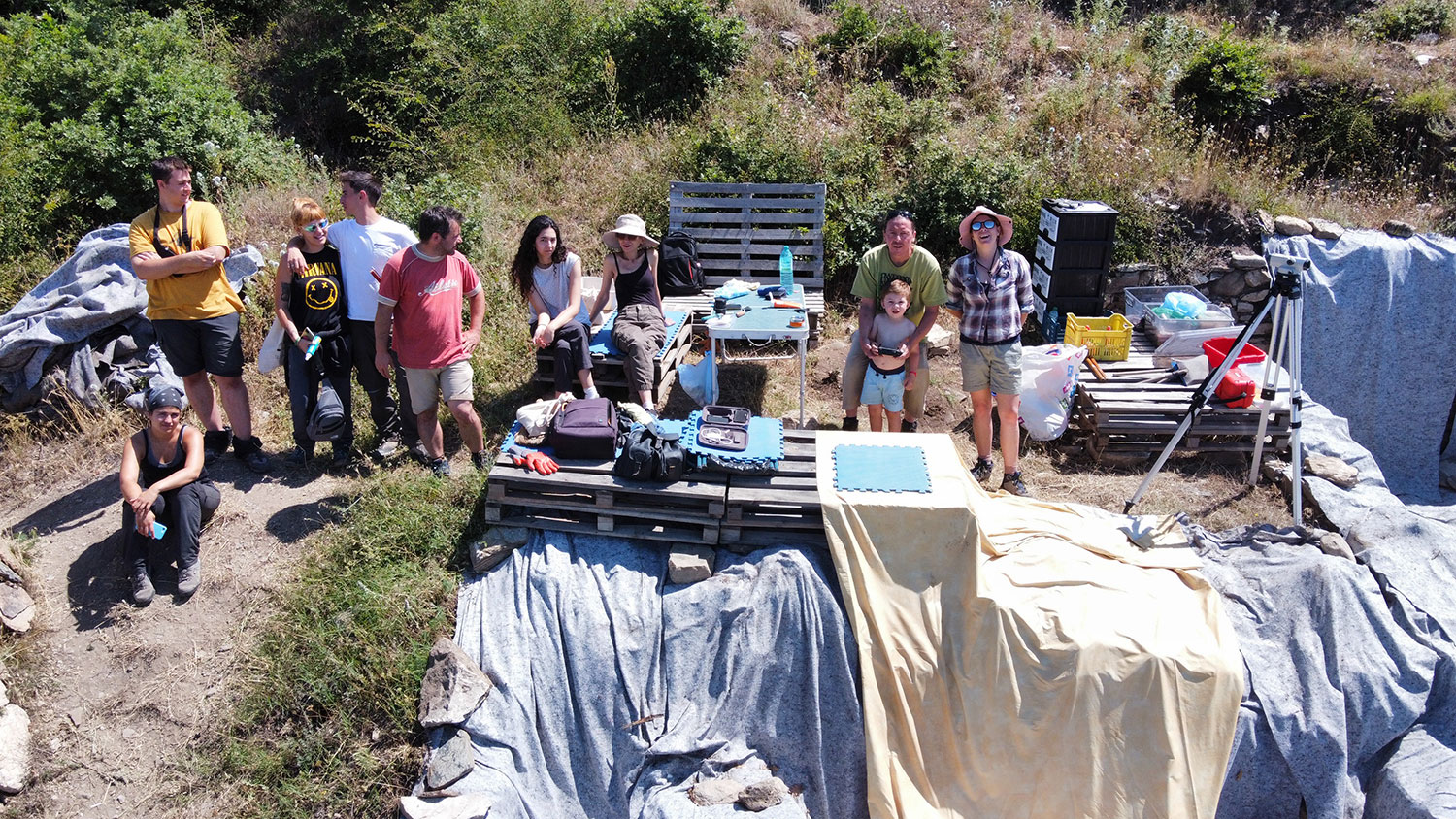
The research of the fortified site “St. Archangel” in 2024 is financed by the National Museum of History and the Ministry of Culture and is being carried out by the following team: Ilia Kirov and Mihail Vaklinov (National Museum of History) – directors; Dr. Yana Mutafchieva (National Archaeological Institute with Museum at the Bulgarian Academy of Sciences) – deputy director; Birten Eminova (National Museum of History); Dr. Veselina Dimitrova (National Archaeological Institute with Museum at the Bulgarian Academy of Sciences) – archaeologists; students from Sofia University “St. Kliment Ohridski”; volunteer students from Spain under the Erasmus+ program; with the assistance of the Open Space Foundation.