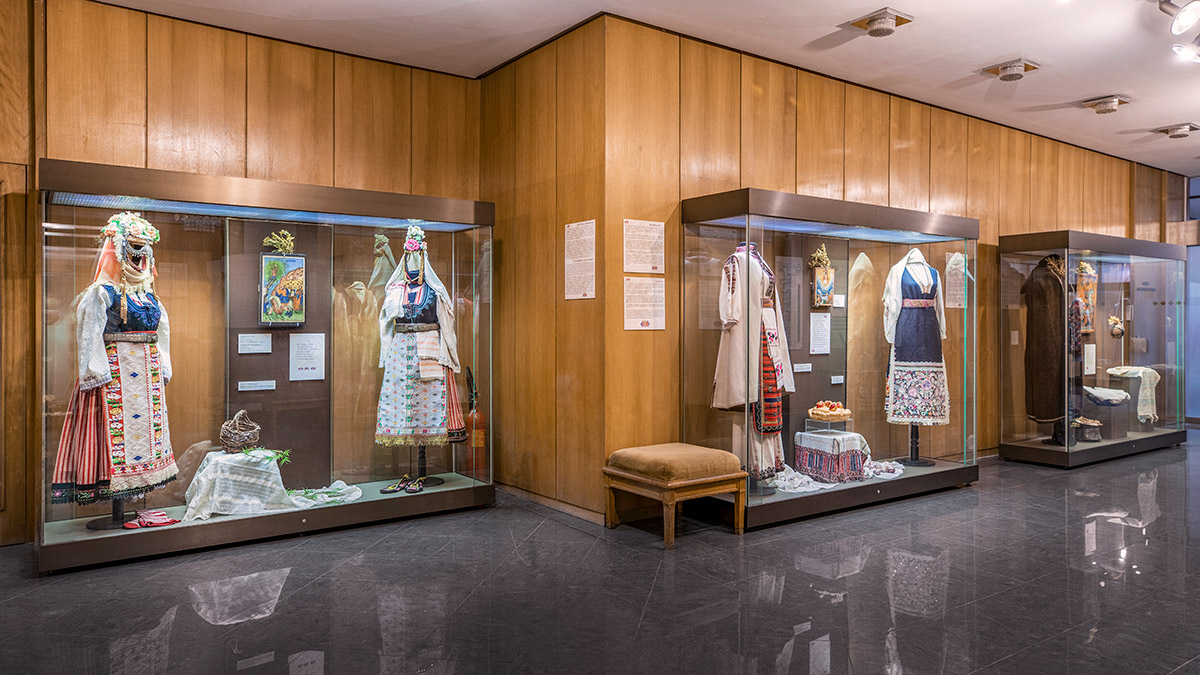
В българската етнографска наука е възприето обособяването на традиционните костюми в няколко основни вида с определено географско разпространение. Според кройката и начина на обличане на горните дрехи, поставяни непосредствено над ризата, женските носии са разделени в три групи – двупрестилчена, сукманена и саяна. Двупрестилчената женска носия е характерна за Северна България. В основния си състав тя е композирана от риза и две престилки, които опасват тялото на жената отпред и отзад, завързани за кръста ѝ. Сукманеният костюм е разпространен в централните области на страната – Стара планина, Средногорието, Розова долина, Витоша, Рила, Средни Родопи, Сакар, Странджа и Югоизточна Тракия. В планинските райони на Северна България сукманената носия битува едновременно с двупрестилчената, но предимно като дреха за зимния сезон. Саяната носия е типът женско облекло, носено в Македония, част от Средна Западна България, Тракия и Мала Азия. Разтворена по цялата предна дължина, саята е предпочитаната горна дреха в южните части на страната.
Мъжките носии са обособени в два типа – белодрешни и чернодрешни (в зависимост от основния цвят на горните дрехи и тяхната форма). Те не са обвързани с географско разпространение, а са два последователни етапа в развитието на мъжкото облекло. Старинната белодрешна носия се запазва най-дълго в Северозападна и Югозападна България. Чернодрешната носия, появила се първоначално още в края на XVIII – началото на XIX век в по-рано развилите се в икономическо отношение региони на Централна и Източна България, заменя почти изцяло в първите десетилетия на XX в. белодрешното мъжко облекло. До късно обаче се запазват белите беневреци в носията на софийските шопи, белите чешири и бозова абичка в Самоковско и Дупнишко.
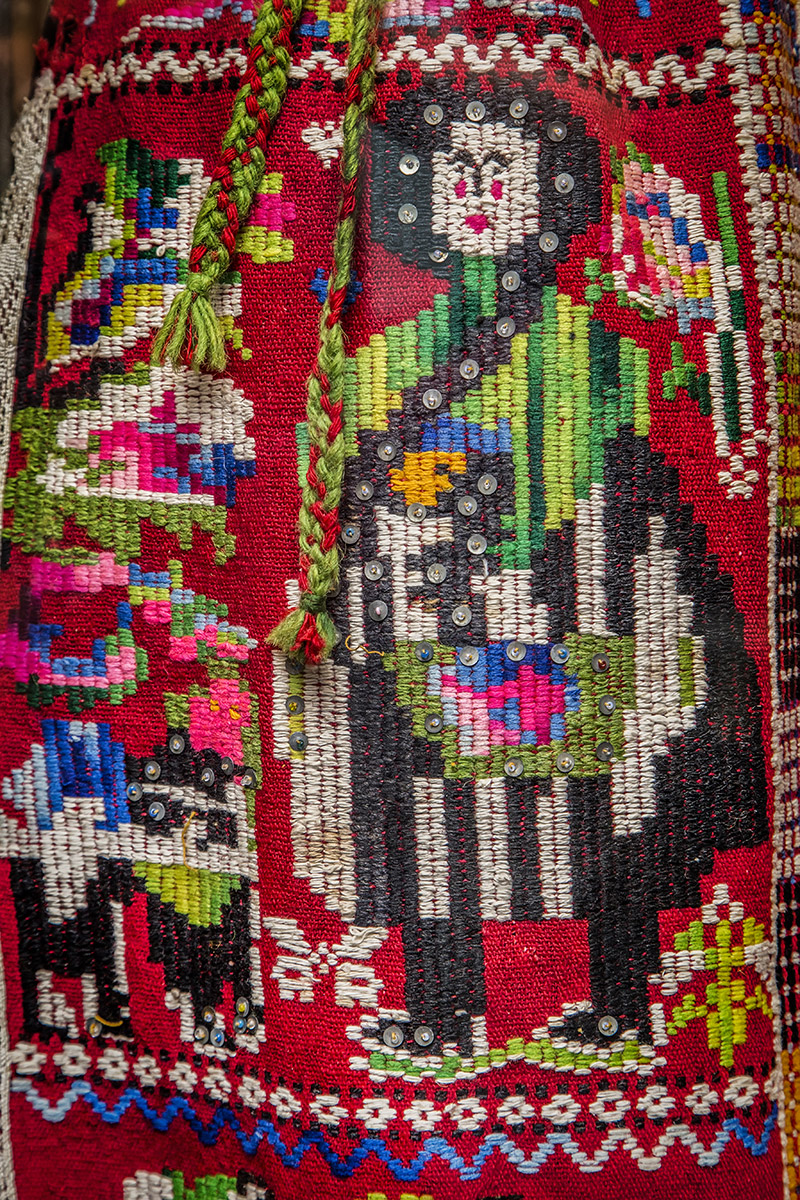
Основна дреха във всички народни носии е ризата. Изработвана от ленено, конопено, а по-късно и памучно платно, в старинните костюми тя изпълнява ролята едновременно на долна и горна дреха. В състава на двупрестилчената носия ризата е предимно от вида на бърчанката, с набори около отвора на врата и краищата на ръкавите, докато при сукманената и саяната носия тя е с туникообразна форма. Украсата на ризата – от тъканна или везбена орнаментика, разположена по краищата на полите и ръкавите, около пазвения разрез и яката, я прави определяща в естетическото въздействие на традиционния костюм.
Композиционно традиционният народен костюм се допълва от следните елементи: престилка, пояс, колан, принадлежности за обуване (чорапи, калци, калцуни, цървули, чехли, обувки), кърпи за забраждане. Към пълния състав на носията принадлежат и връхни дрехи, различни по вид, наименование и декорация в различните региони.
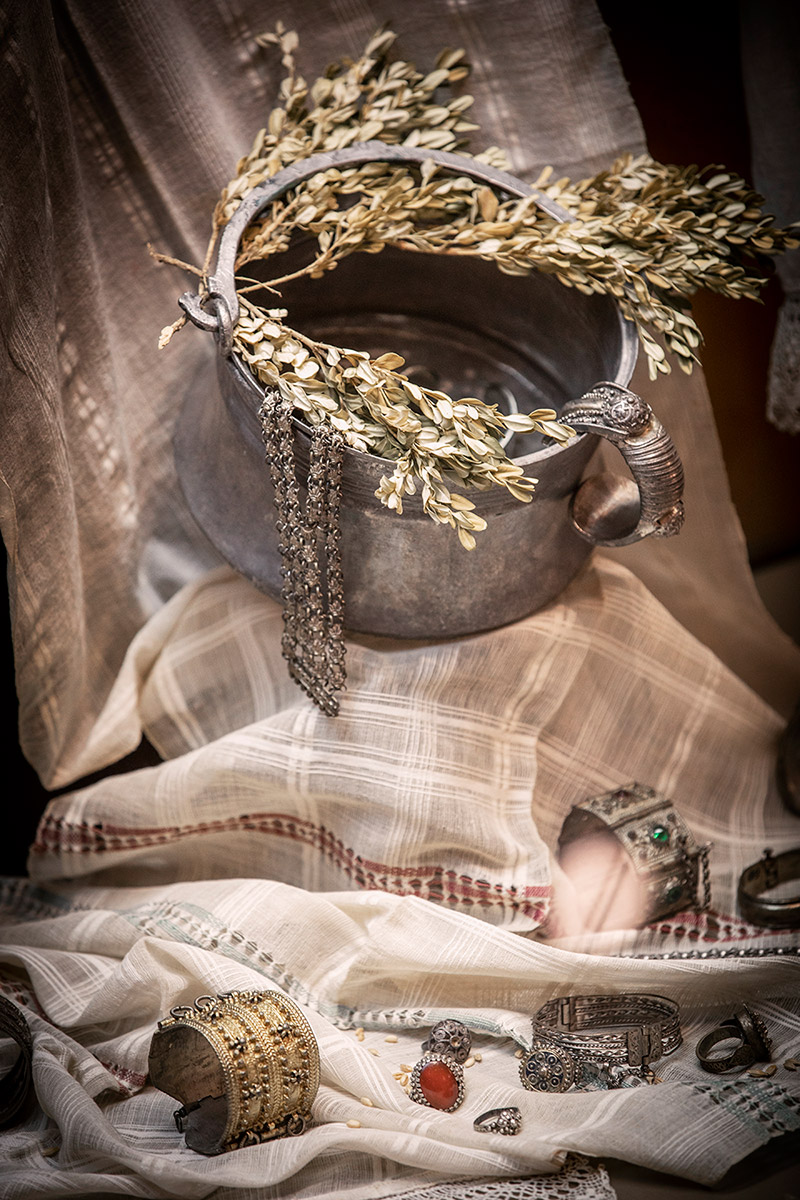
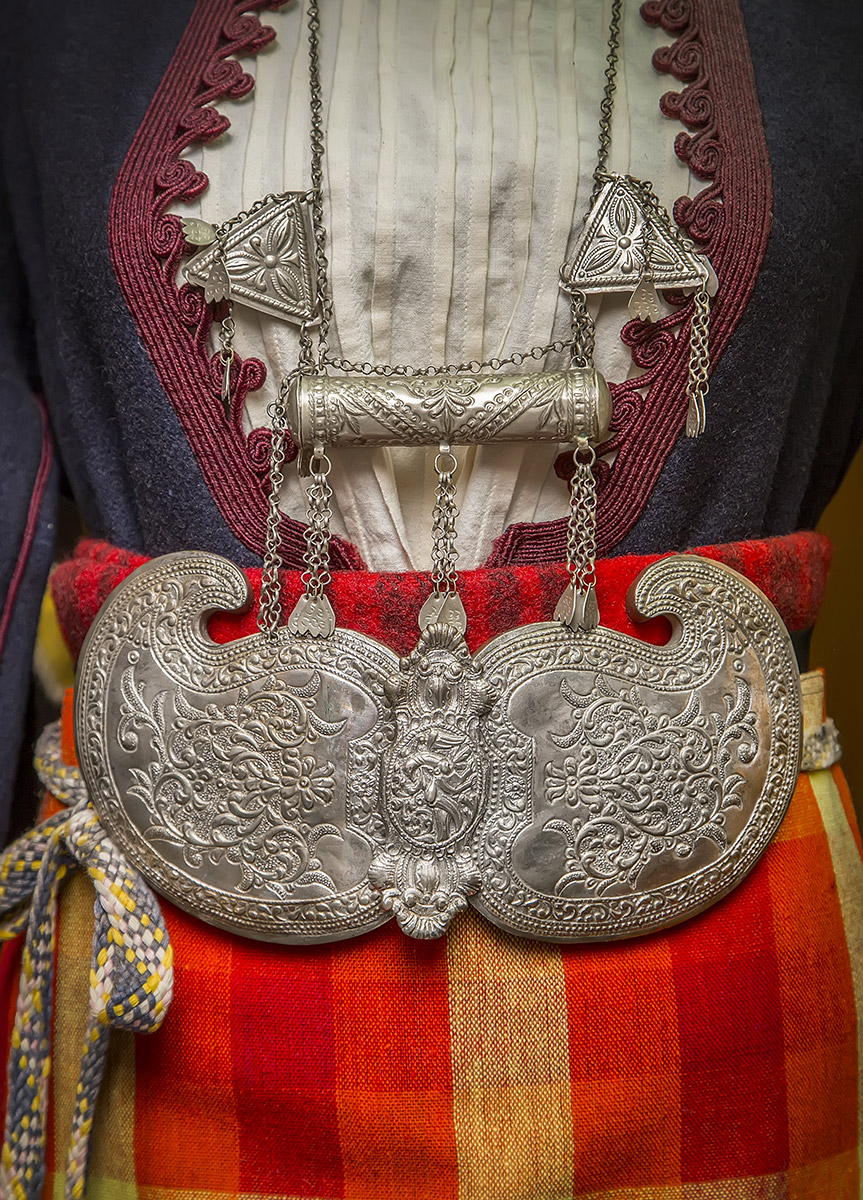
Важна част от оформянето на традиционния женски костюм са накитите към него. Тяхното изработване е дело на майстори куюмджии (златари), работещи в старите златарски центрове Чипровци, Враца, Кратово, София или в оформилите се като такива през Възраждането – Панагюрище, Видин, Пловдив, Сливен, Тетевен и др. Основните материали, от който се изработват повечето накити, са среброто и неговите сплави. Златото се използва предимно за позлата, а накитите, в които то се употребява, се изработват обикновено по поръчка. Разположени на средищни и важни места по човешкото тяло – глава, кръст, гърди, накитите изпълняват освен естетическа, и предпазна функция. Те също така са знак за социална, религиозна и възрастова принадлежност.
Календарни празници
Етнографската експозиция на музея представя избрана част от календарните празници и обреди на българина. От зимния календарен цикъл акцент е поставен на коледните и новогодишните обичаи и обреди, на Бъдни вечер с празничната трапеза с обредни хлябове и храни; огнището с „бъдника“ в него; коледуването. Нова година (Васильовден) е отбелязана с обичаите „Сурва“ и „Напяване на пръстени“.
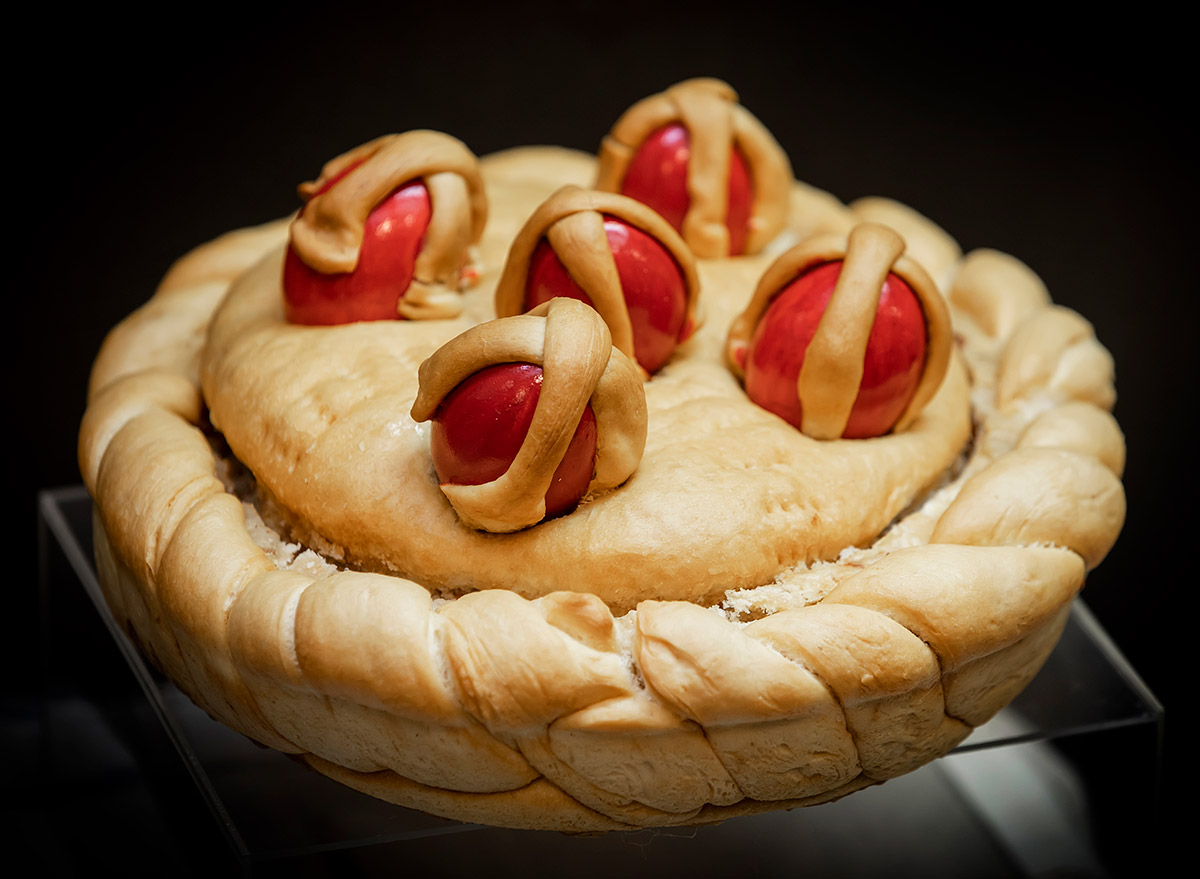
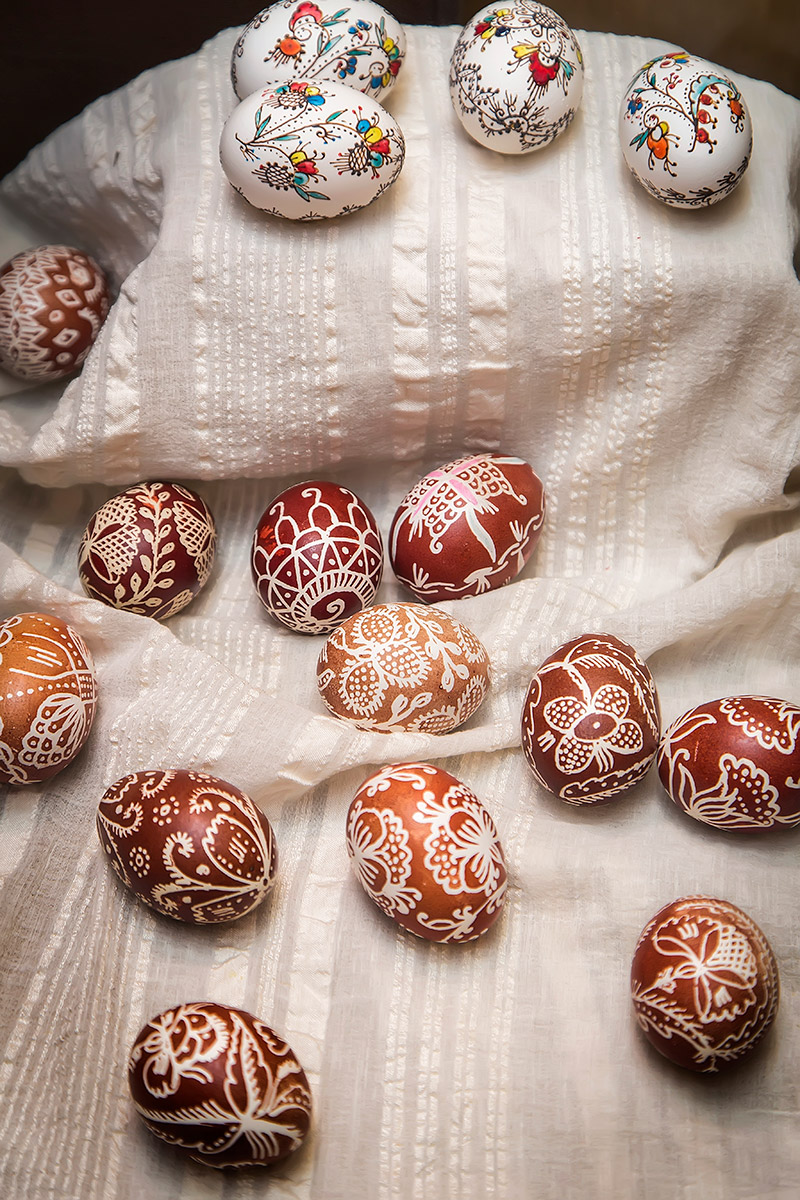
От пролетния календарен цикъл са представени Цветница с моминския обичай Лазаруване; Великден с характерните за празника „писани” яйца и обредни хлябове; Гергьовден – обреди и вярвания, свързани предимно с овцевъдството.