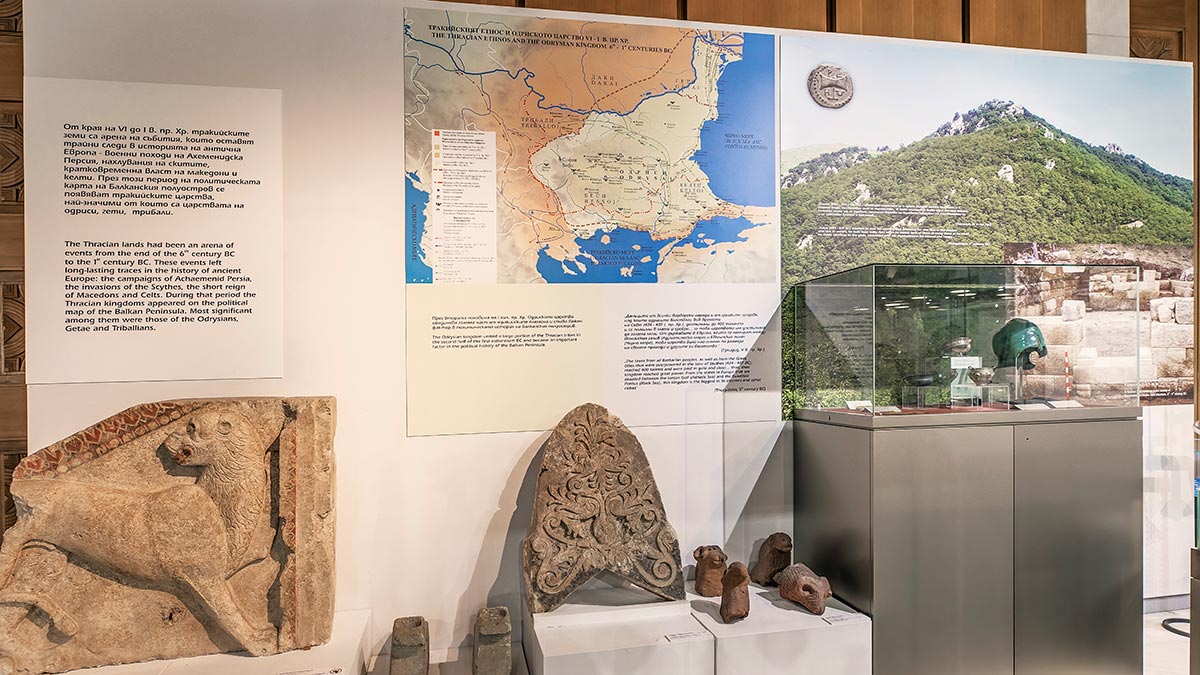
Hall 2 – Bulgarian lands in the period from the end of the 6th century BC to the 6th century AD
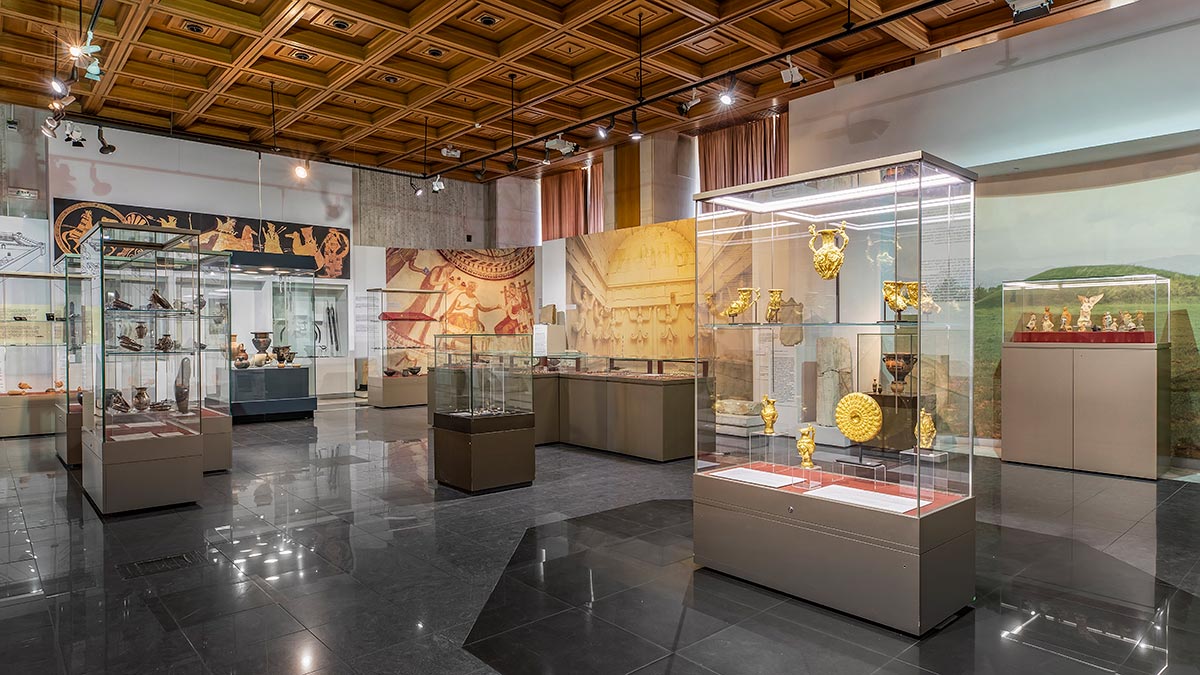
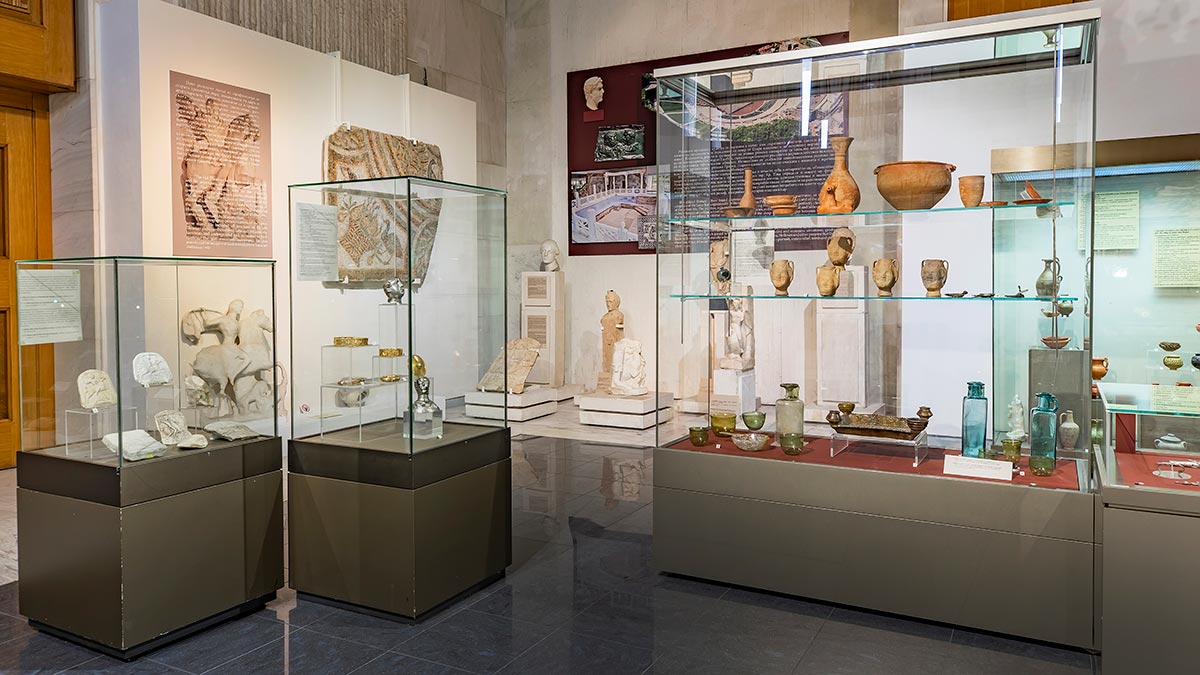
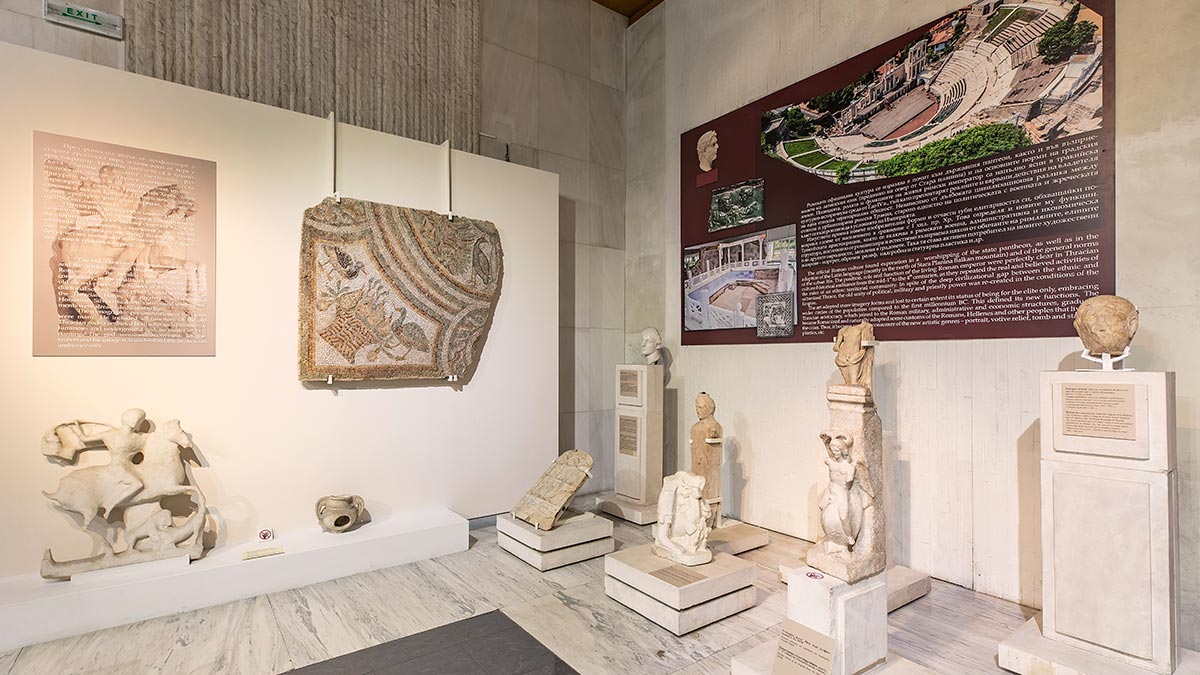
The second section of the exhibition in Hall 2 is dedicated to the development of the Thracian lands during the Roman era in Thrace. As a result of the Roman expansion in the Balkans, the territory of the once mighty Thracian kingdoms became part of the military and administrative system of the Empire.


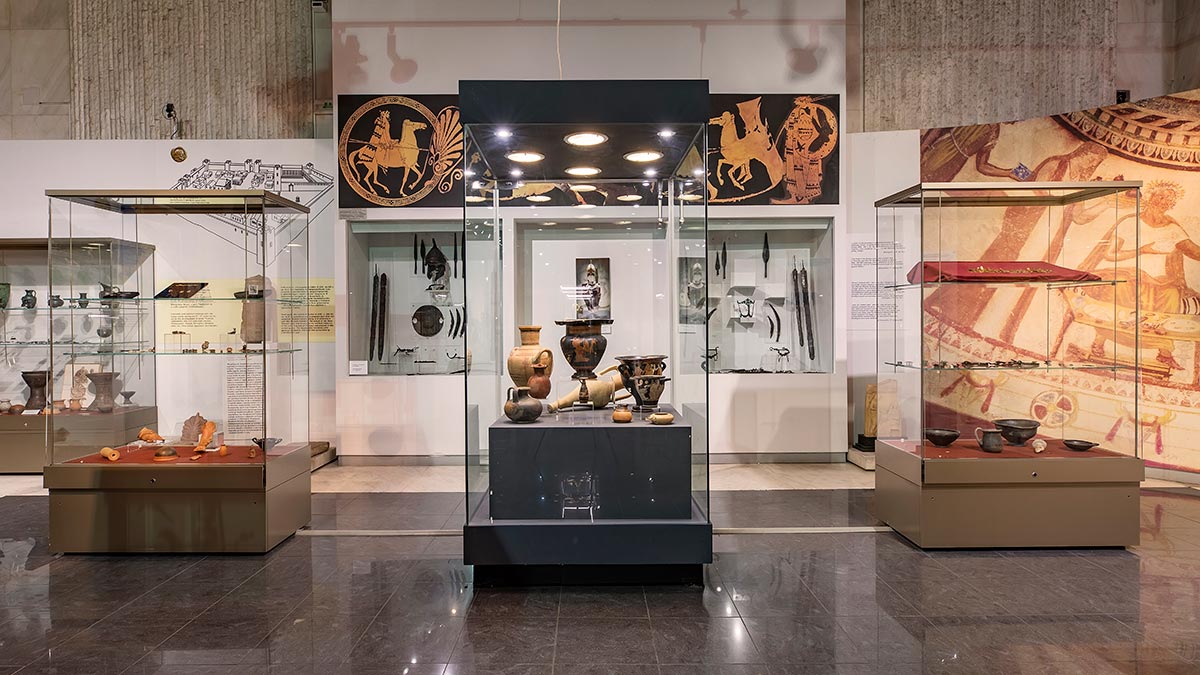
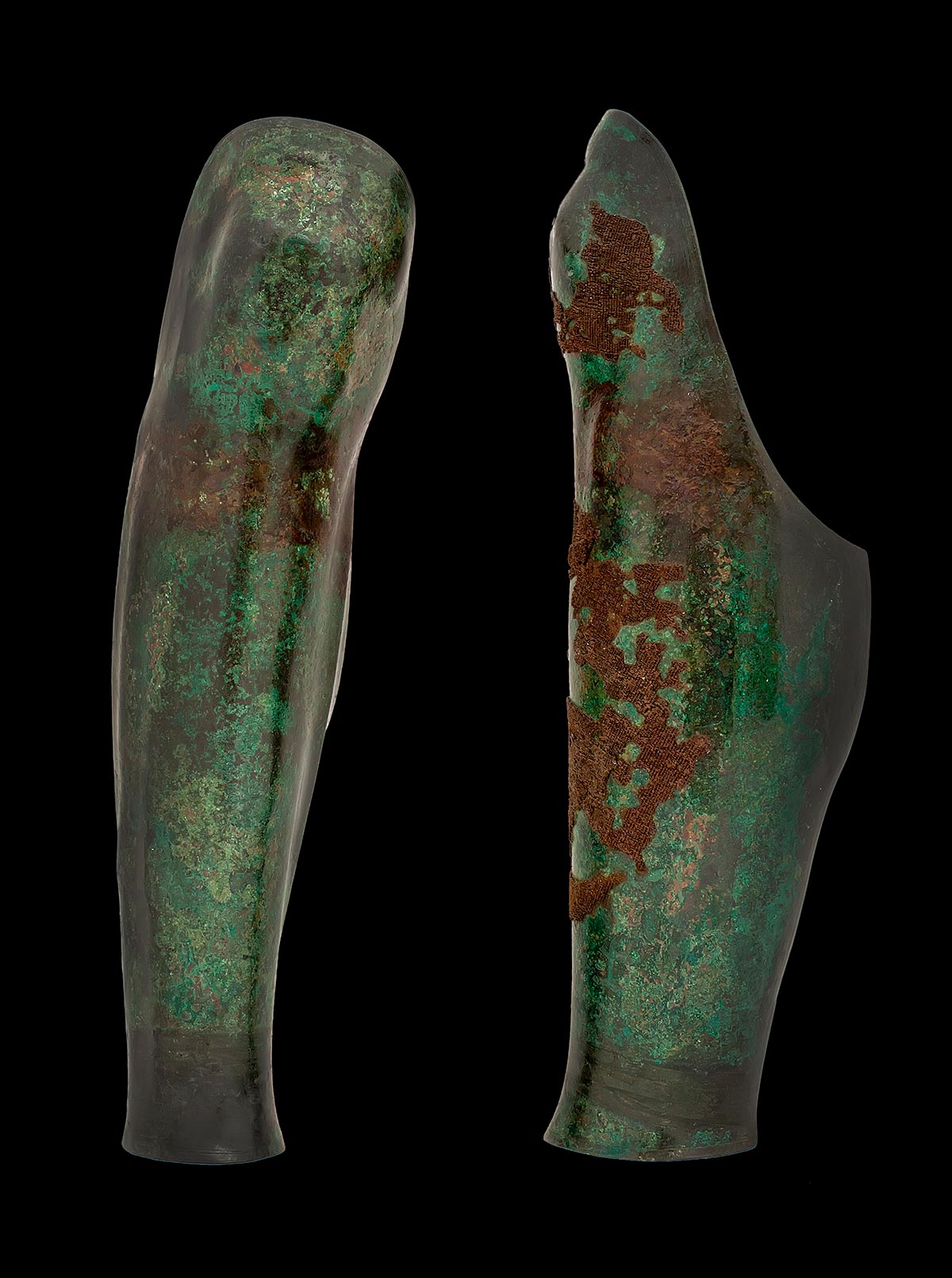
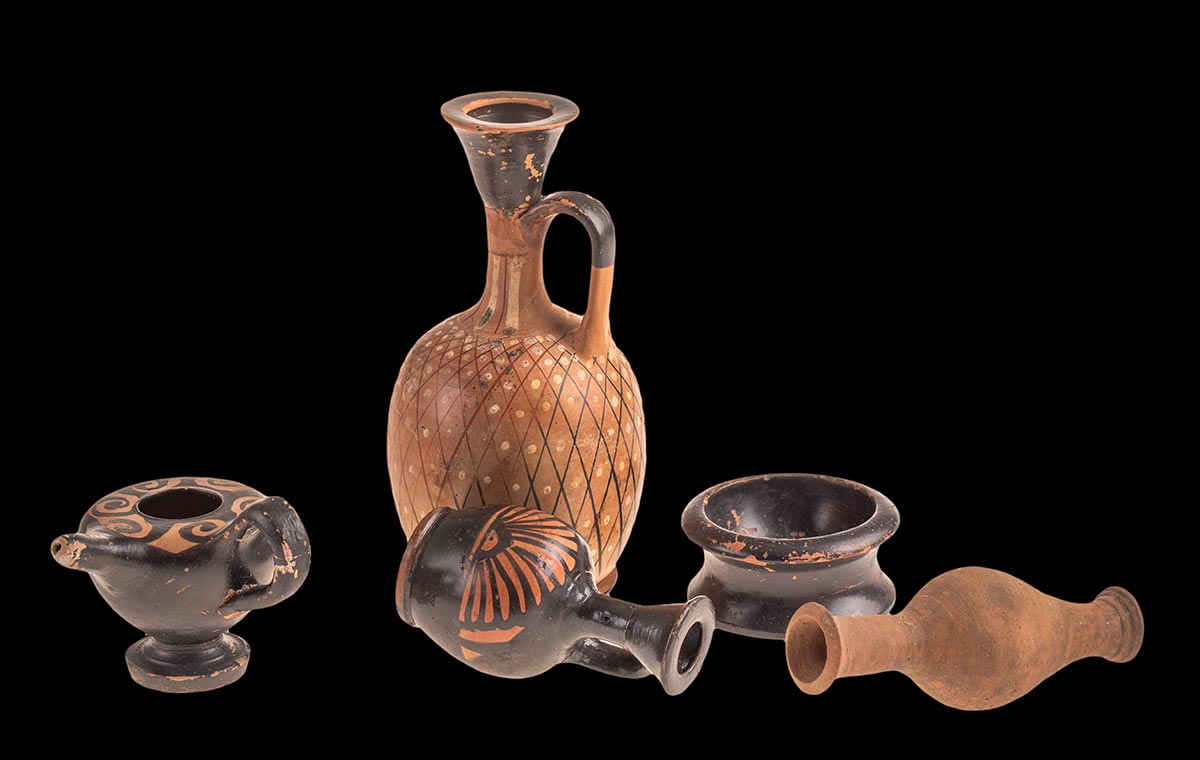
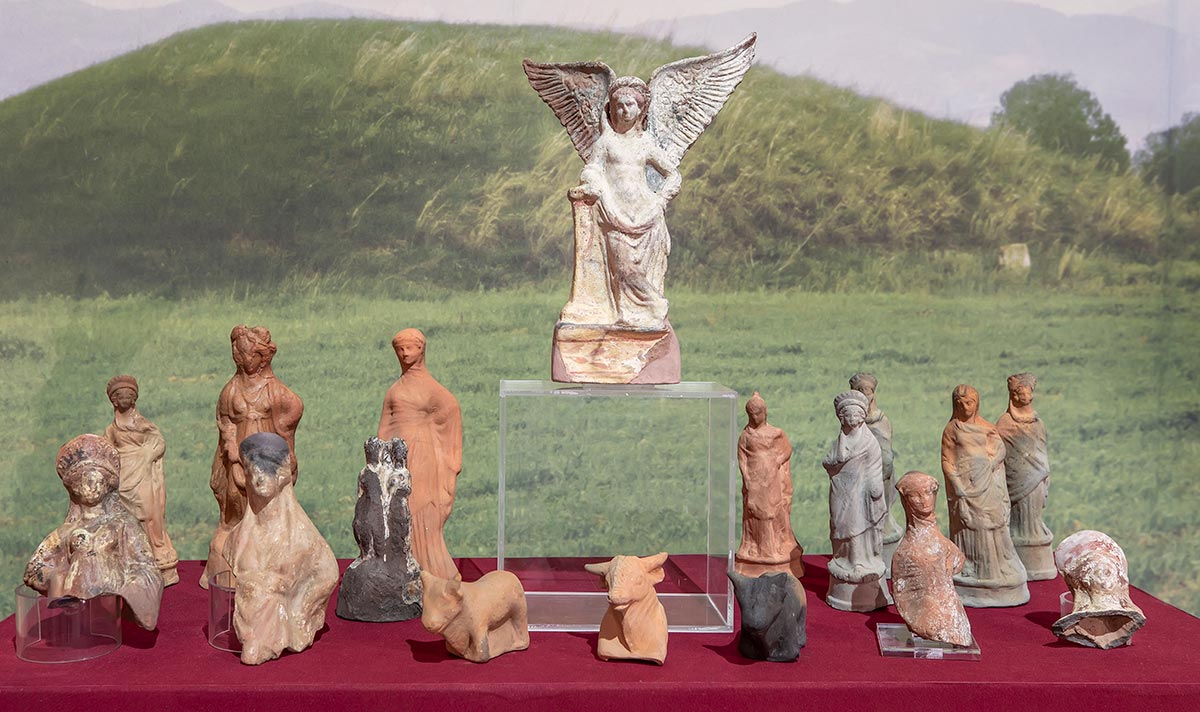
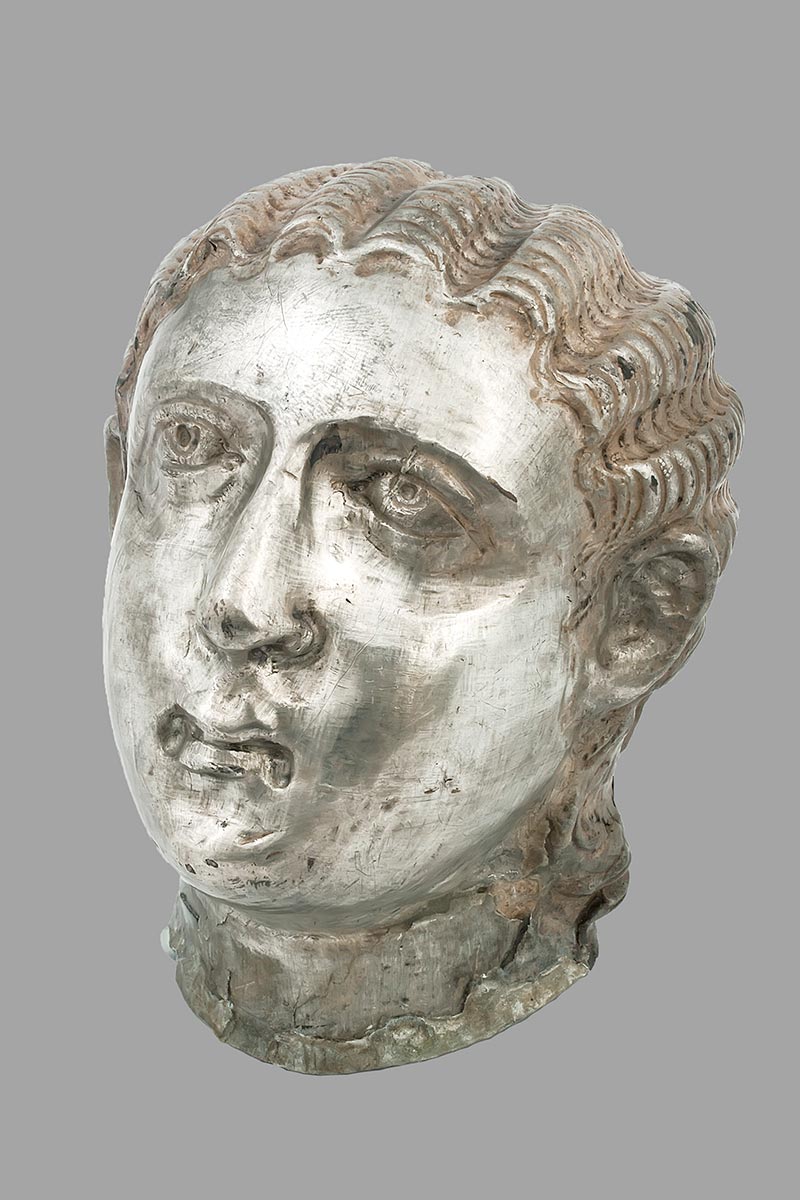
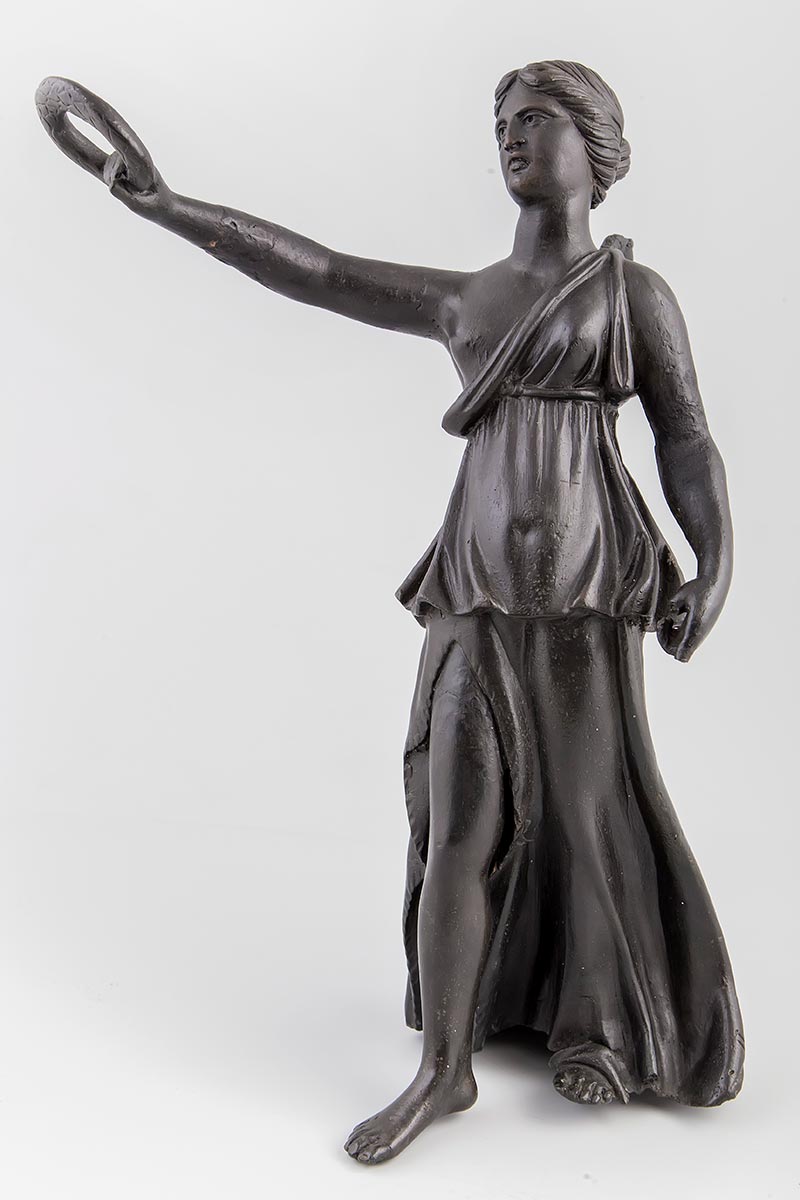
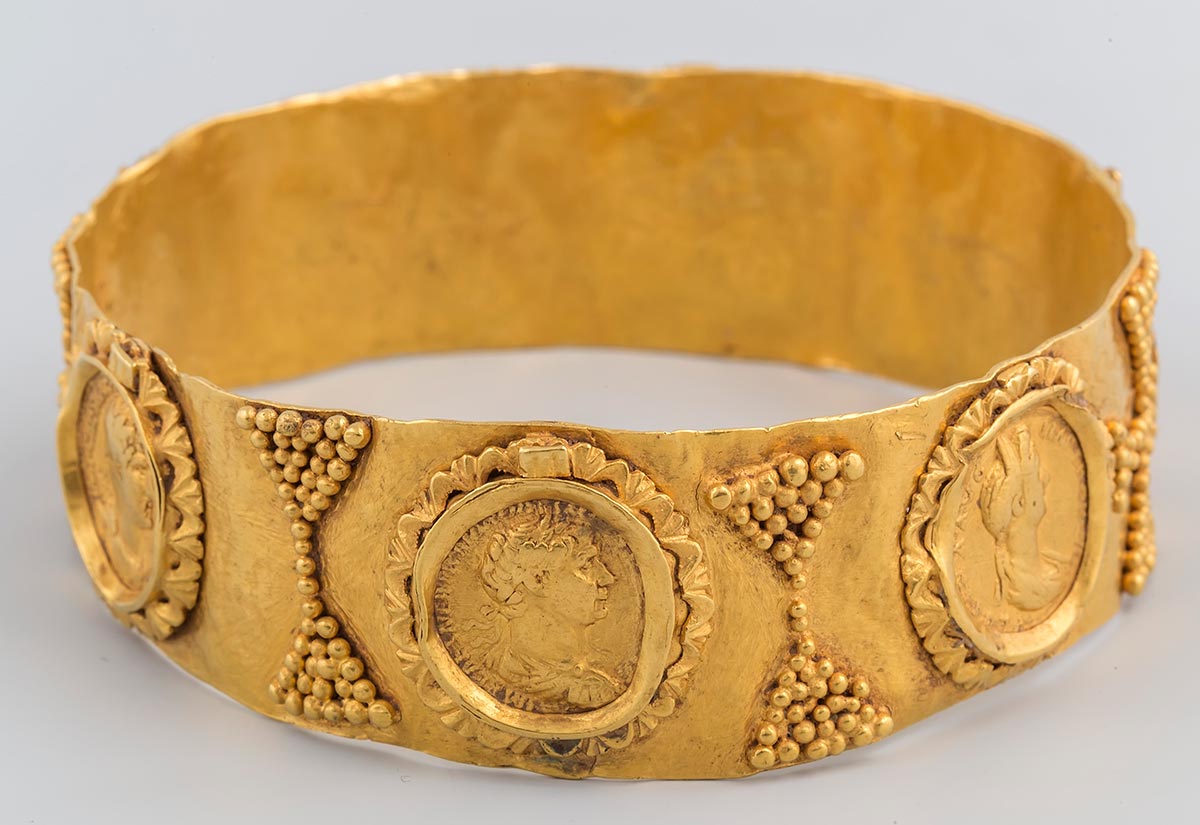
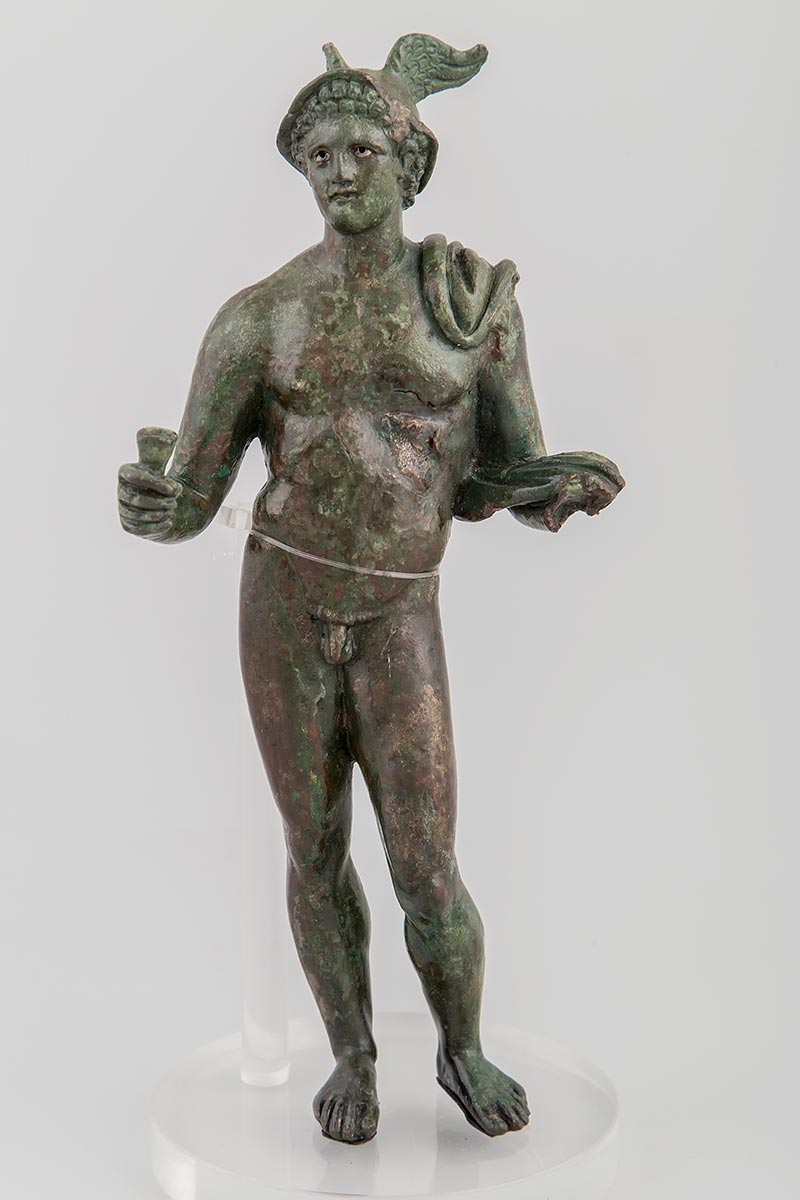
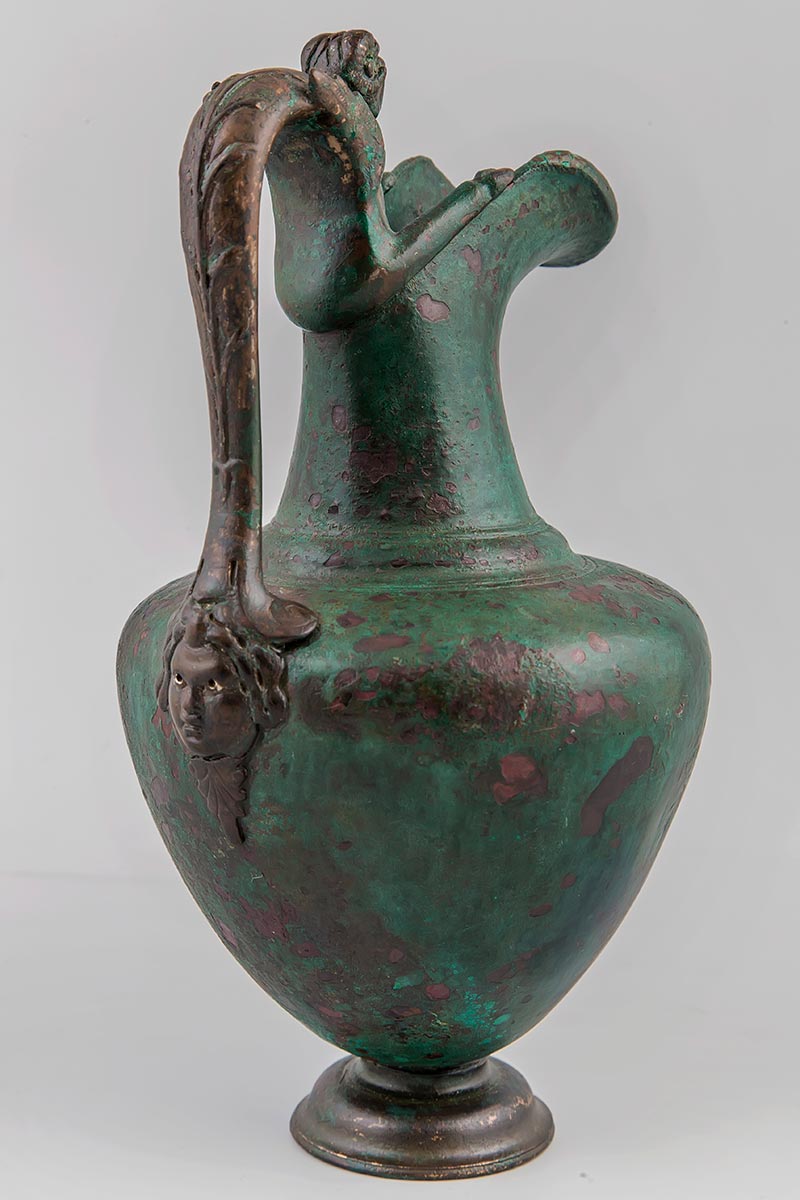
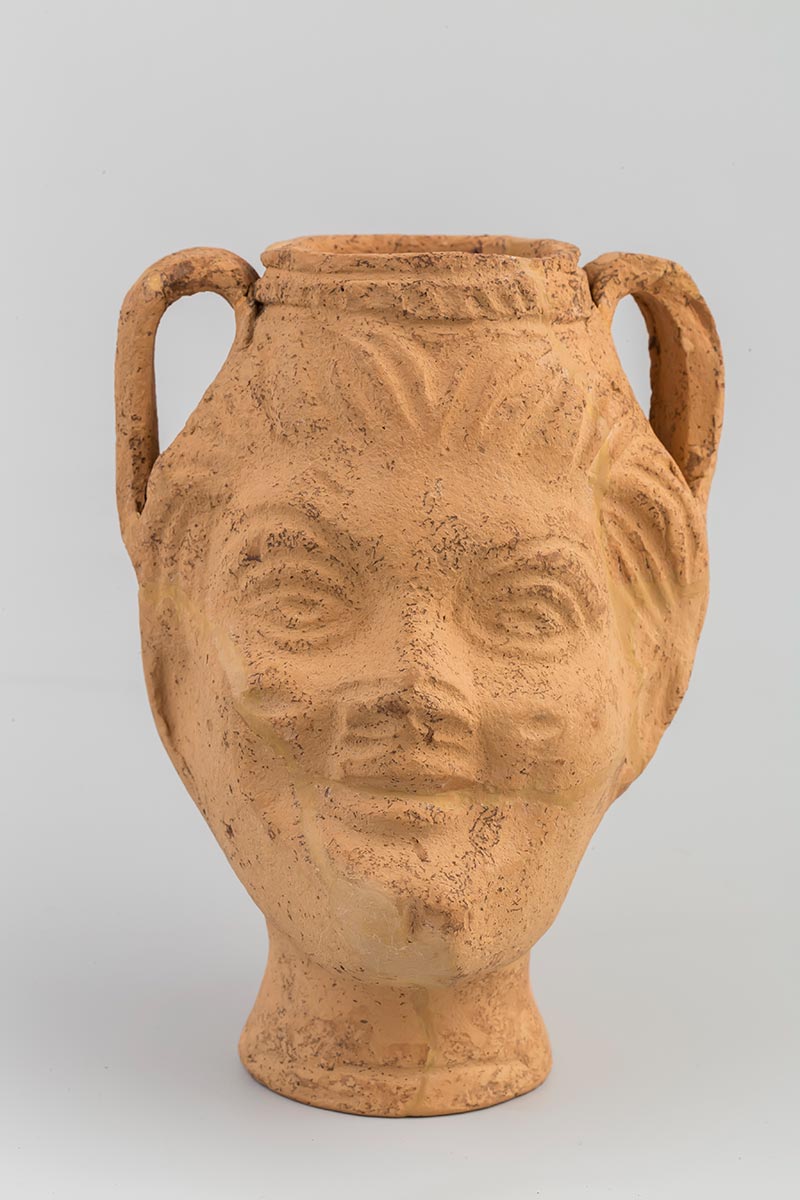
The newly founded urban centres in the provinces of Macedonia, Mysia, Thrace and Dacia – Ratiaria (today’s village of Archar, Vidin region), Nikopolis ad Istrum (today’s village of Nikyup, V. Tarnovo region), Escus (today’s village of Gigen, Pleven region), Serdica (Sofia), Philippopolis (Plovdiv), Augusta Traiana (Stara Zagora), etc., became the centres of the official Roman culture. In the exposition it is represented by objects of everyday life – ceramic and metal vessels, award insignia, bronze, marble sculpture and votive objects. An important part of it is the cult of the emperor, which is expressed in the construction of statues, dedicatory inscriptions, reliefs, portraits, etc.
The disappearance of the borders between the kingdoms and the transformation of the Balkans into a huge contact zone led to significant changes in Thracian culture. The old Thracian faith, practised by the king and the aristocrats in the 1st millennium BC, was preserved, but in a modified and reduced version. Its bearers are the small Thracian sanctuaries located around old sacred sites.
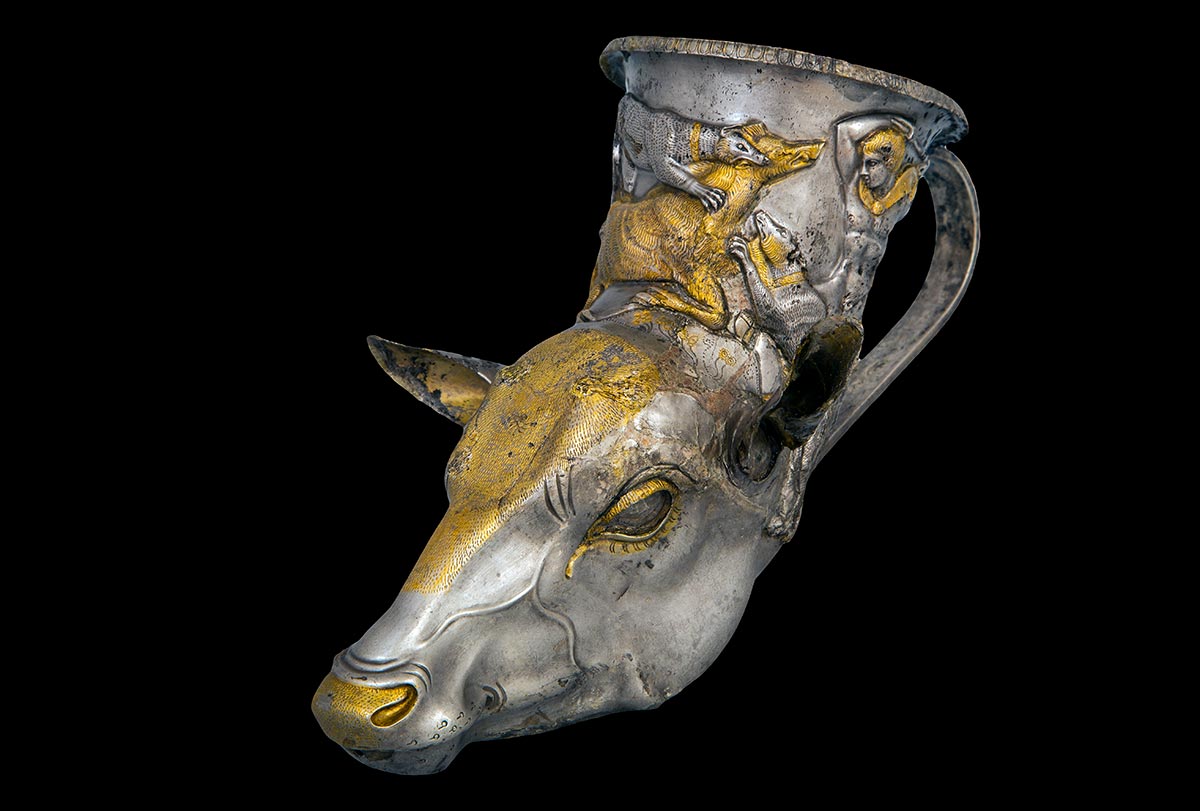
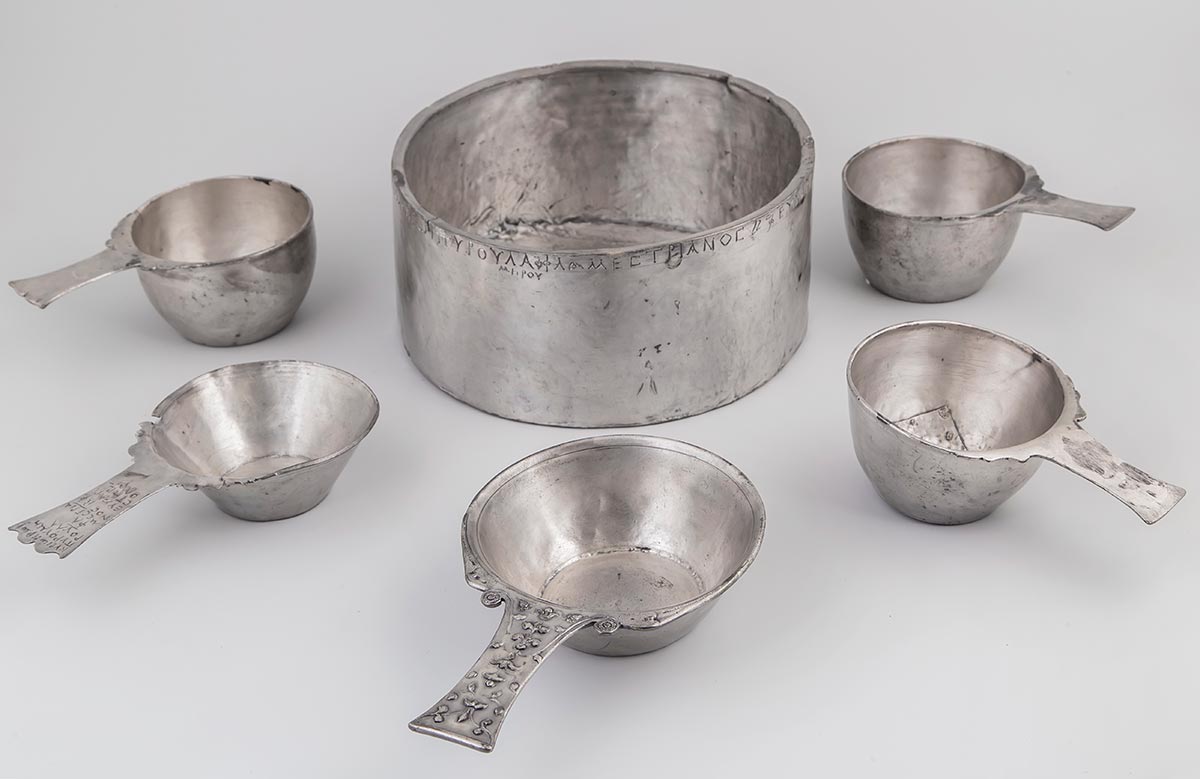
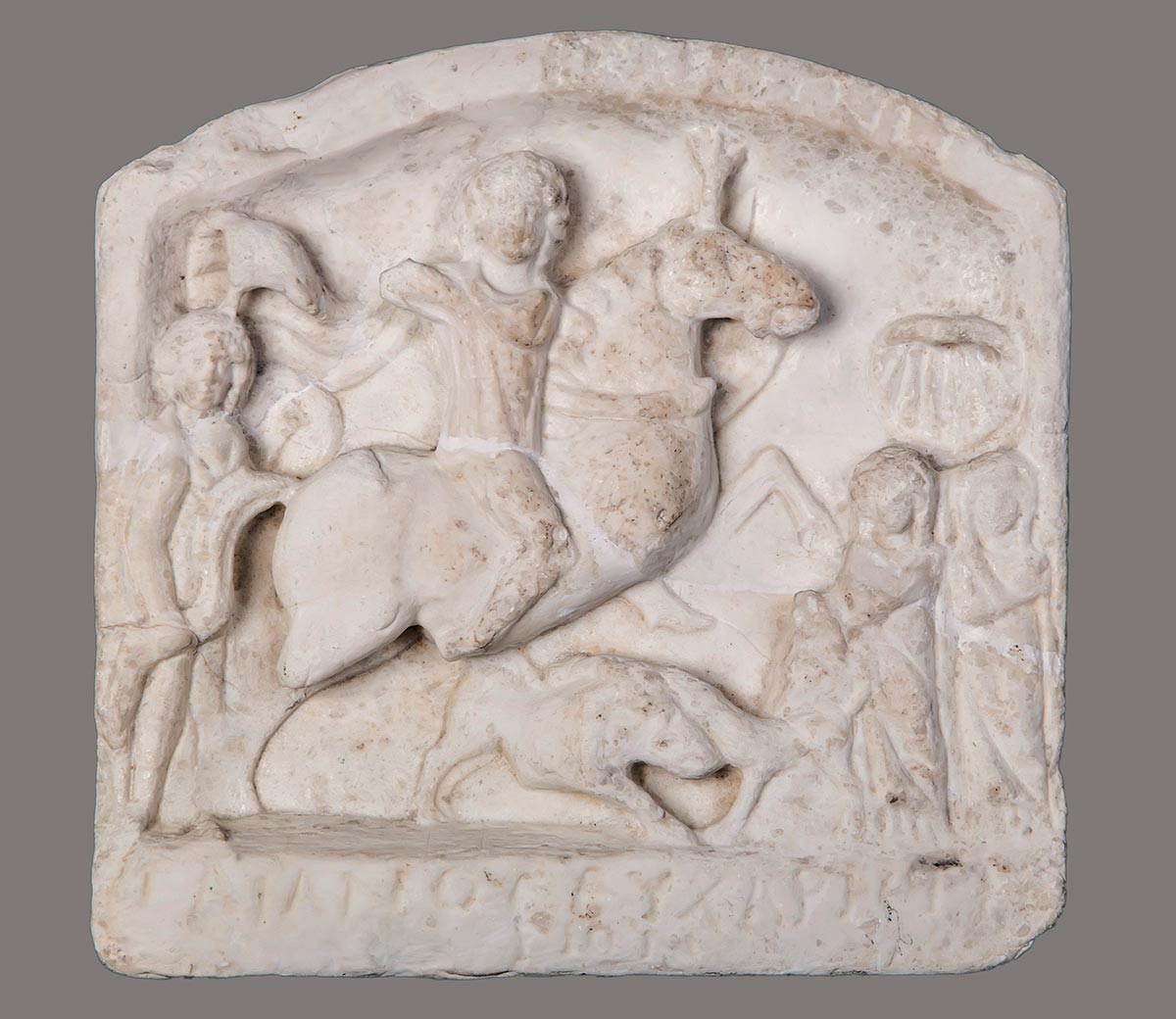
The figure of the ruler-horsemen is transformed into the image of the Thracian Heros. Over time, he transformed into a universal Thracian deity, combining both solar and underworld beginning, regardless of how they would be named. Because of this, the horseman is sometimes depicted with symbols of other gods – lyre (of Apollo), lightning and sceptre (of Zeus), rhyton (of Dionysus). Most often he is anonymous, or named with various epithets denoting his functions or the places where he is worshipped. Evidence of the extreme popularity of Heros in Thrace are the silver ritual vessels dedicated to him, the numerous votive, gravestones and shrines found throughout Bulgaria.
In this way, the Thracian spirituality was combined with Roman-Italian, Asia Minor and Semitic traditions, and the mixed Late Antique population, which was its carrier, gradually experienced the transition from paganism to Christianity between the 4th and 6th – 7th centuries.