The Forgotten Ancestors of Kaliakra
In the context of the ongoing archaeological excavations at Cape Kaliakra, it is worth recalling some of the most remarkable discoveries made there over the years by the team led by Assoc. Prof. Dr. Petrounova, Director of the National Museum of History.
In 2007, the excavations continued in the so-called Suburbium, in the same sectors and grids that had been uncovered since 2004. The surprise came from “Sector Building,” where, after clearing the walls, the researchers came across five graves dating to the late 14th century. In the Suburbium, there had been structures built over tombs or individual burials from the 4th to the 15th century, a period when Kaliakra flourished as the main fortress and capital of the Despotate of Dobruja.
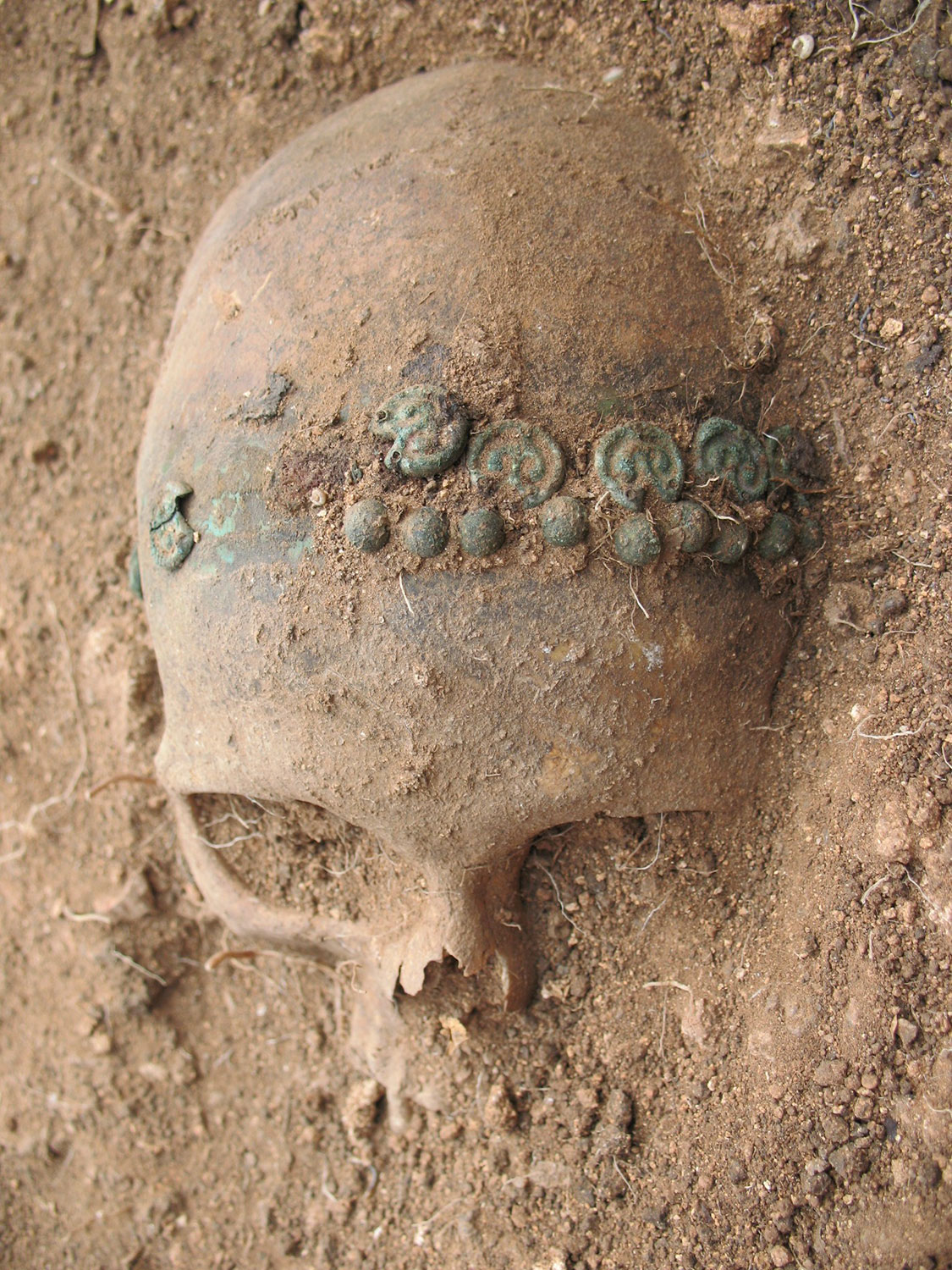
The most significant find comes from grave no. 6/07, where a young woman was buried wearing an exquisite head ornament. It consists of gold beads and gilded silver plates with stylized decoration and small openings for sewing onto a headscarf. Attached to the scarf was an earpiece made of twisted wire in the so-called “rope” style. This method of shaping jewelry hoops was widespread during the Middle Ages. On one of the fingers of her right hand, she wore a bronze ring. As the capital of Dobrotitsa and the center of the despot’s naval strategy, Kaliakra played a special role in the spread of this fashion in jewelry making.
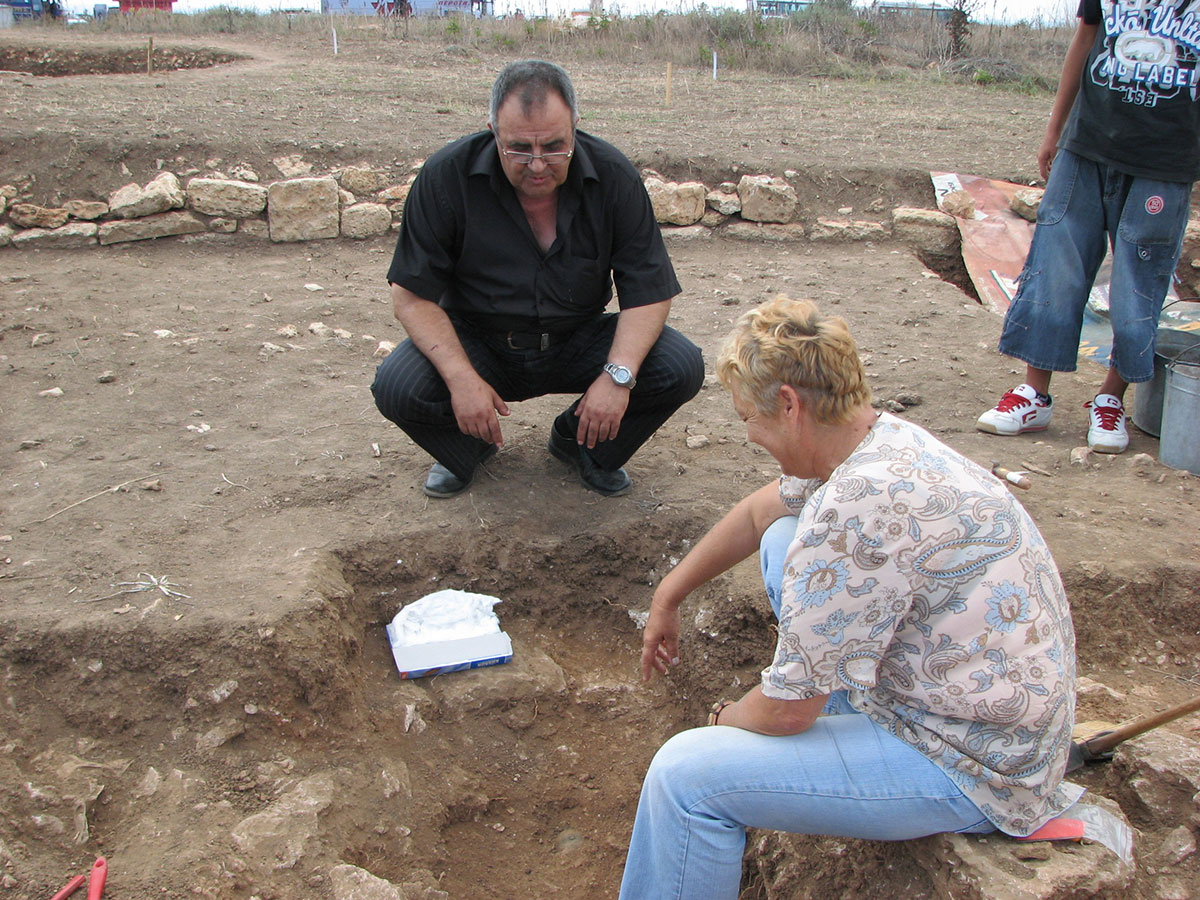
During the grave excavation, the site was visited by Prof. Bozhidar Dimitrov and Assoc. Prof. B. Petrunova, who had the opportunity to explore the culture and treasures of our medieval ancestors.