Research on the ancient and medieval Kaliakra Fortress continues in the 2024 season, with new discoveries taking us even deeper into the history of this unique Bulgarian site.
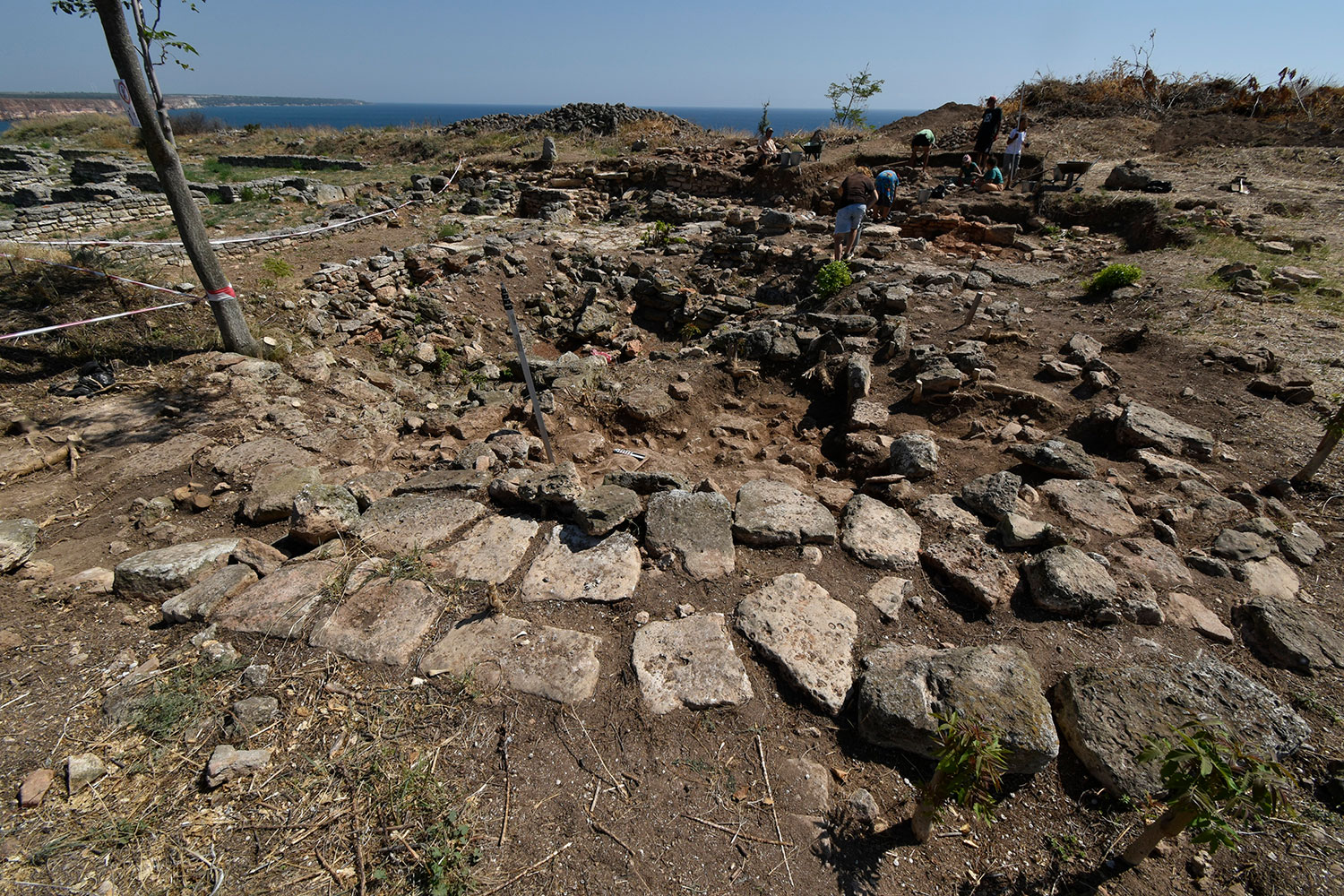
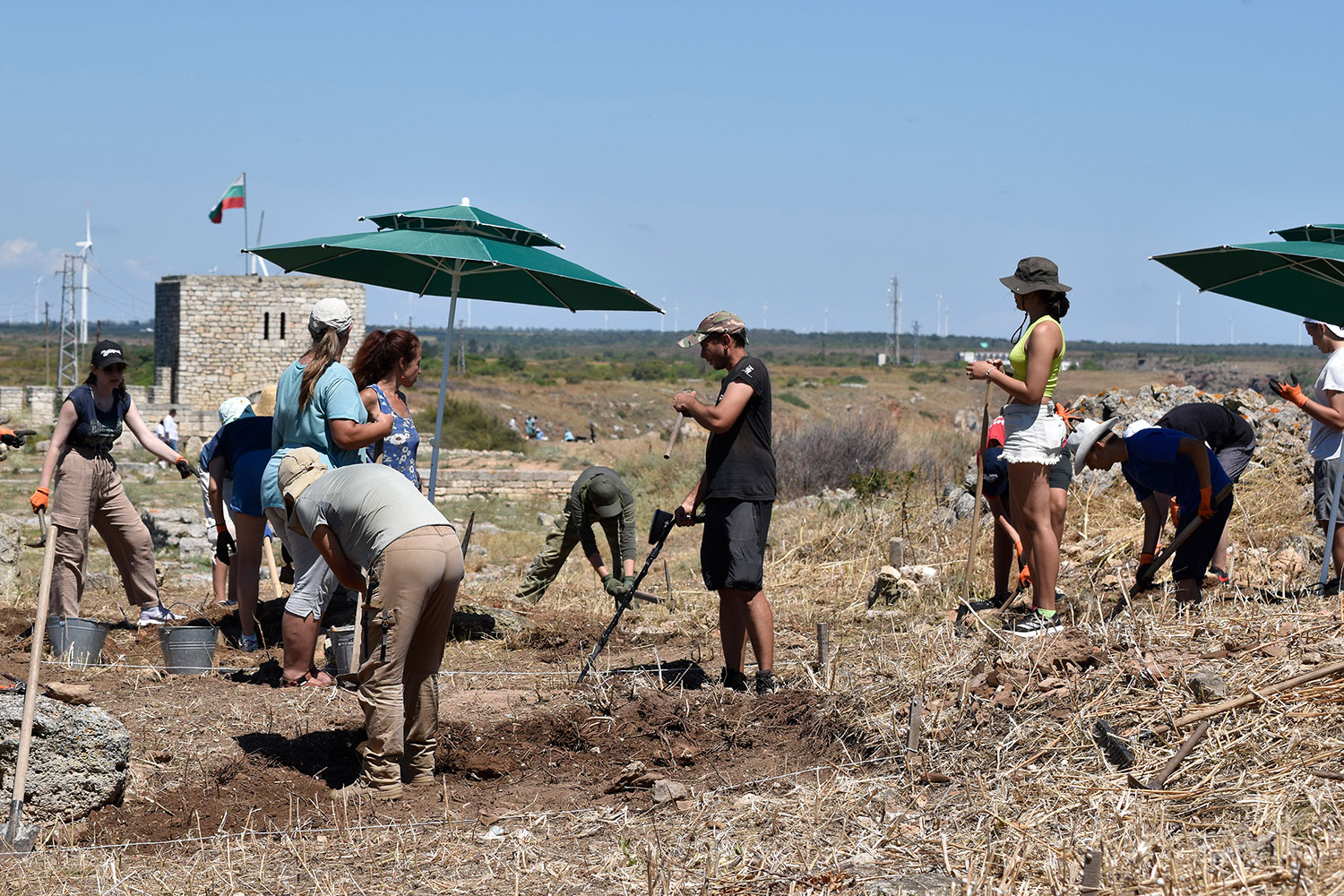
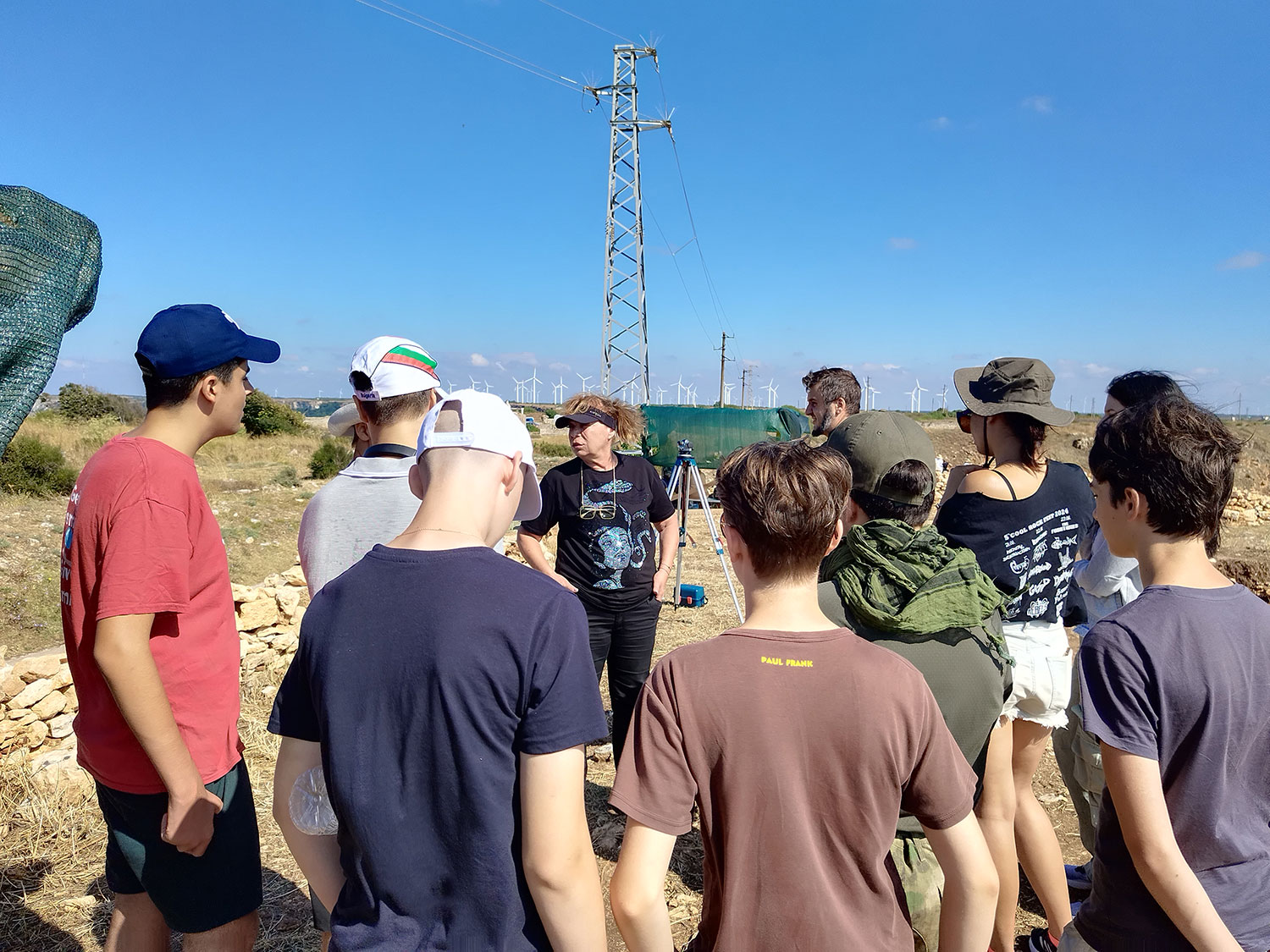
Research on the ancient and medieval Kaliakra Fortress continues in the 2024 season, with new discoveries taking us even deeper into the history of this unique Bulgarian site. Under the leadership of Assoc. Prof. Dr. Boni Petrunova, Director of the National History Museum, and her team, which includes deputy leaders Elena Endarova from the National History Museum and Dr. Filip Petrunov from the National Archaeological Institute with Museum – Bulgarian Academy of Sciences, the archaeologists continue to uncover unexplored parts of Kaliakra. The exciting discoveries continued in the 2024 season, shedding light on the mysterious history of Kaliakra.
Sector 83: The Gold of Kaliakra and the Secrets of the Necropolis
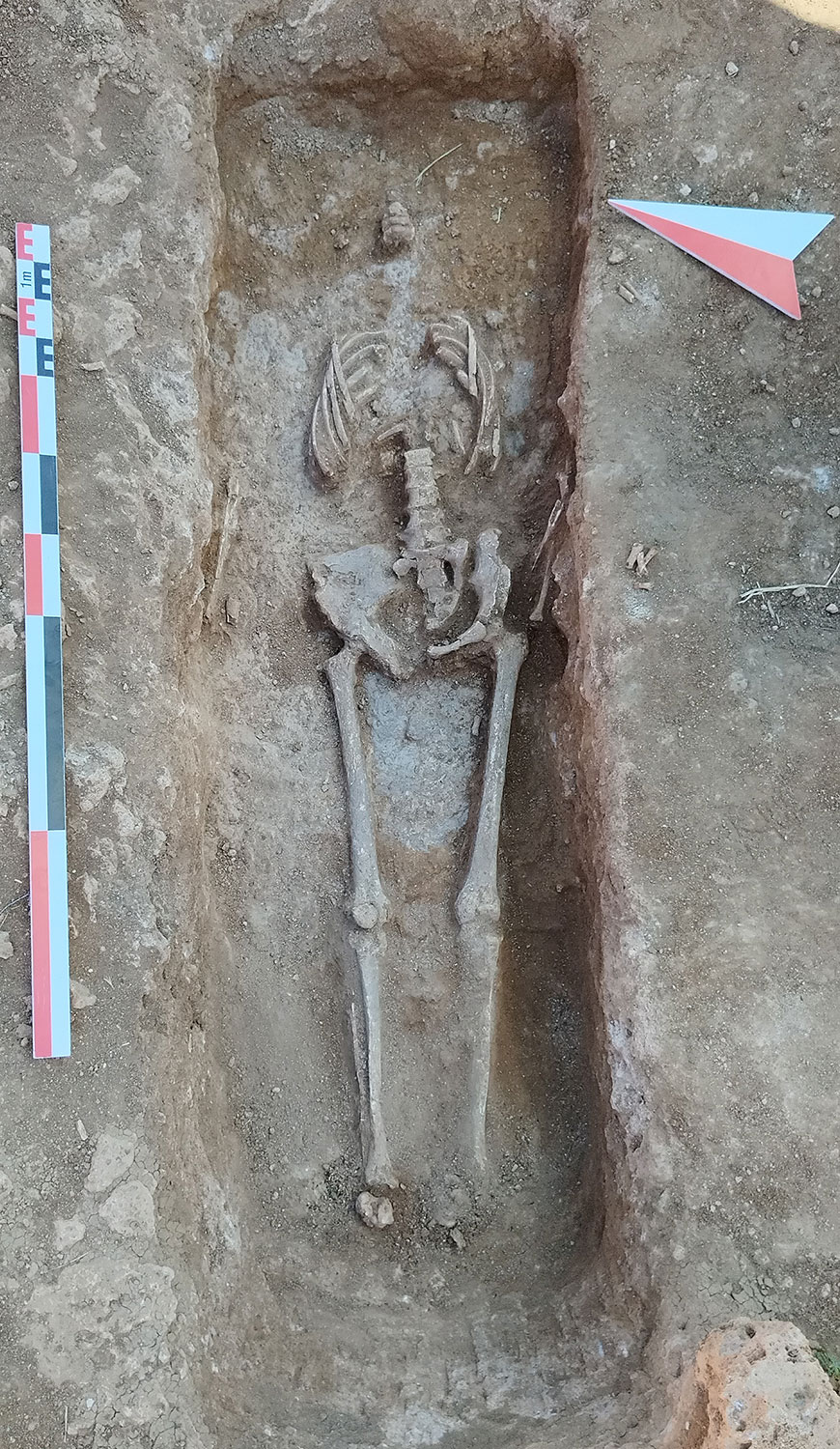
In Sector 83, known for its incredible golden treasure – the “Tatar Loot,” scientists continue to uncover the secrets of the medieval necropolis. To date, 165 graves have been uncovered, all of which follow the Christian burial ritual. New finds have confirmed that this area was inhabited during various periods – from the 8th to the 15th century. Among them, valuable items have been discovered, including 33 finds, 11 of which are coins. Two silver coins from the time of Vladislav III Jagiello (Varnenchik) stand out, providing new details about Kaliakra’s political and economic connections with other parts of Europe during the 15th century.
Sector 109: The Resurrection of Building Structures and 14th-Century Culture
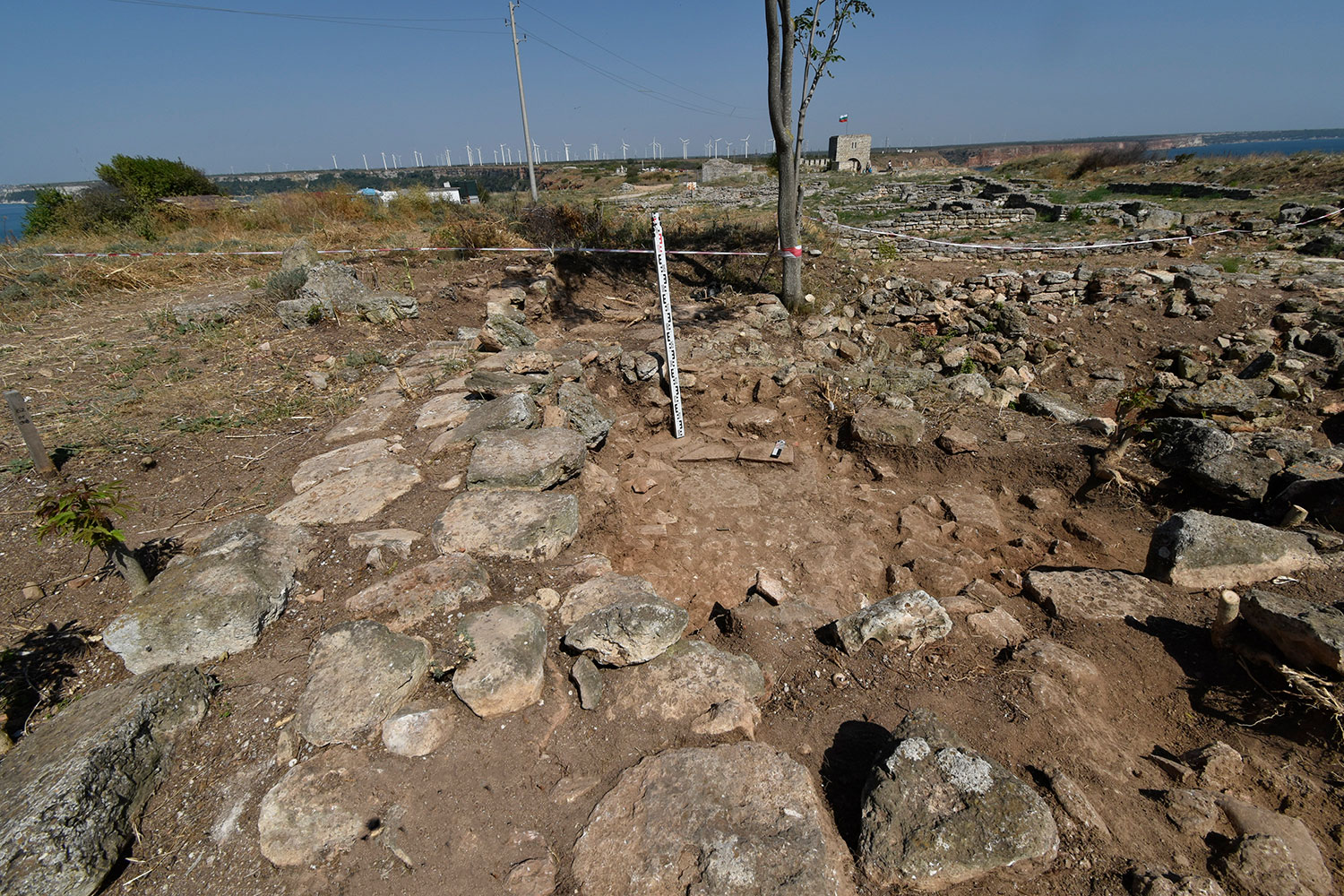
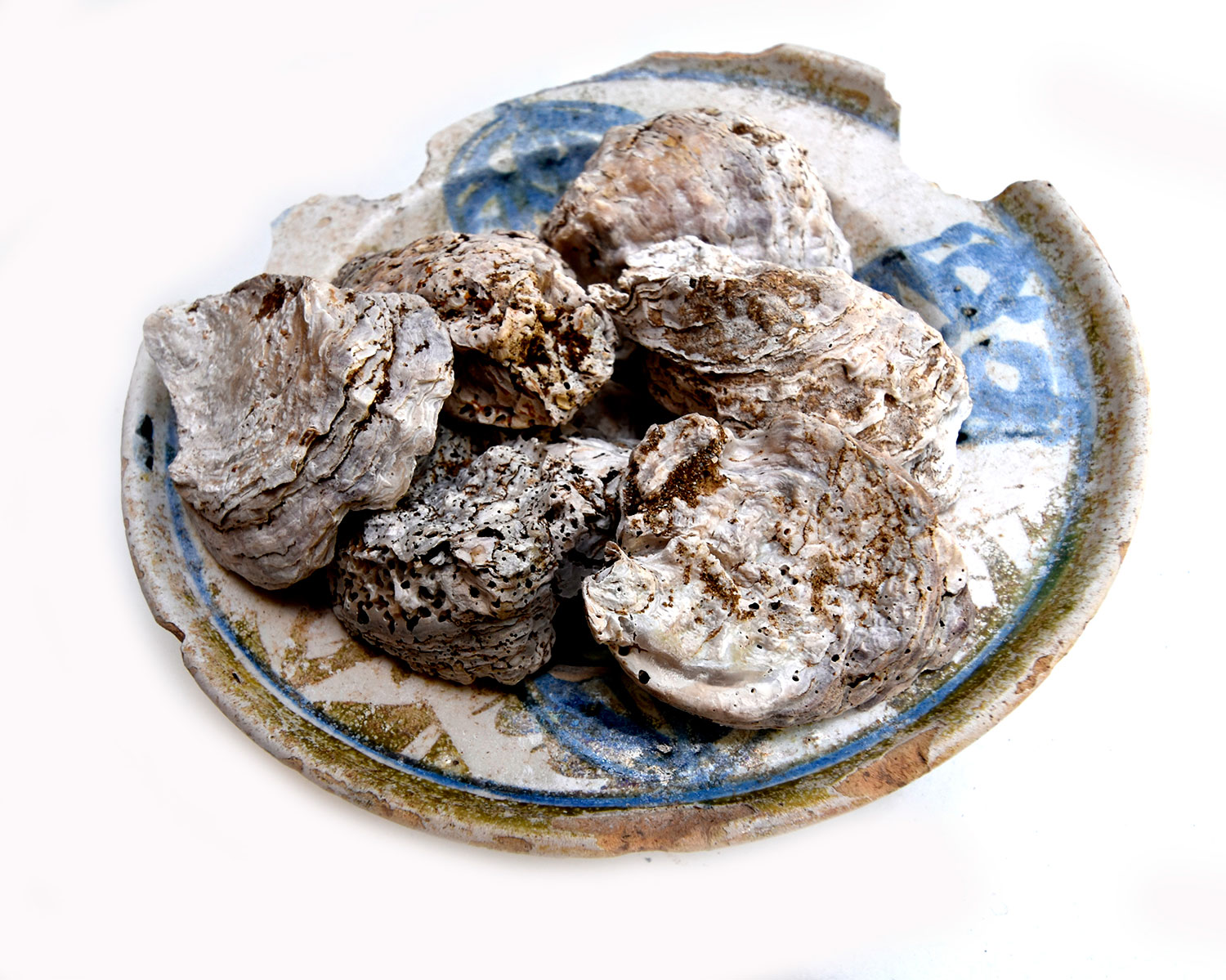
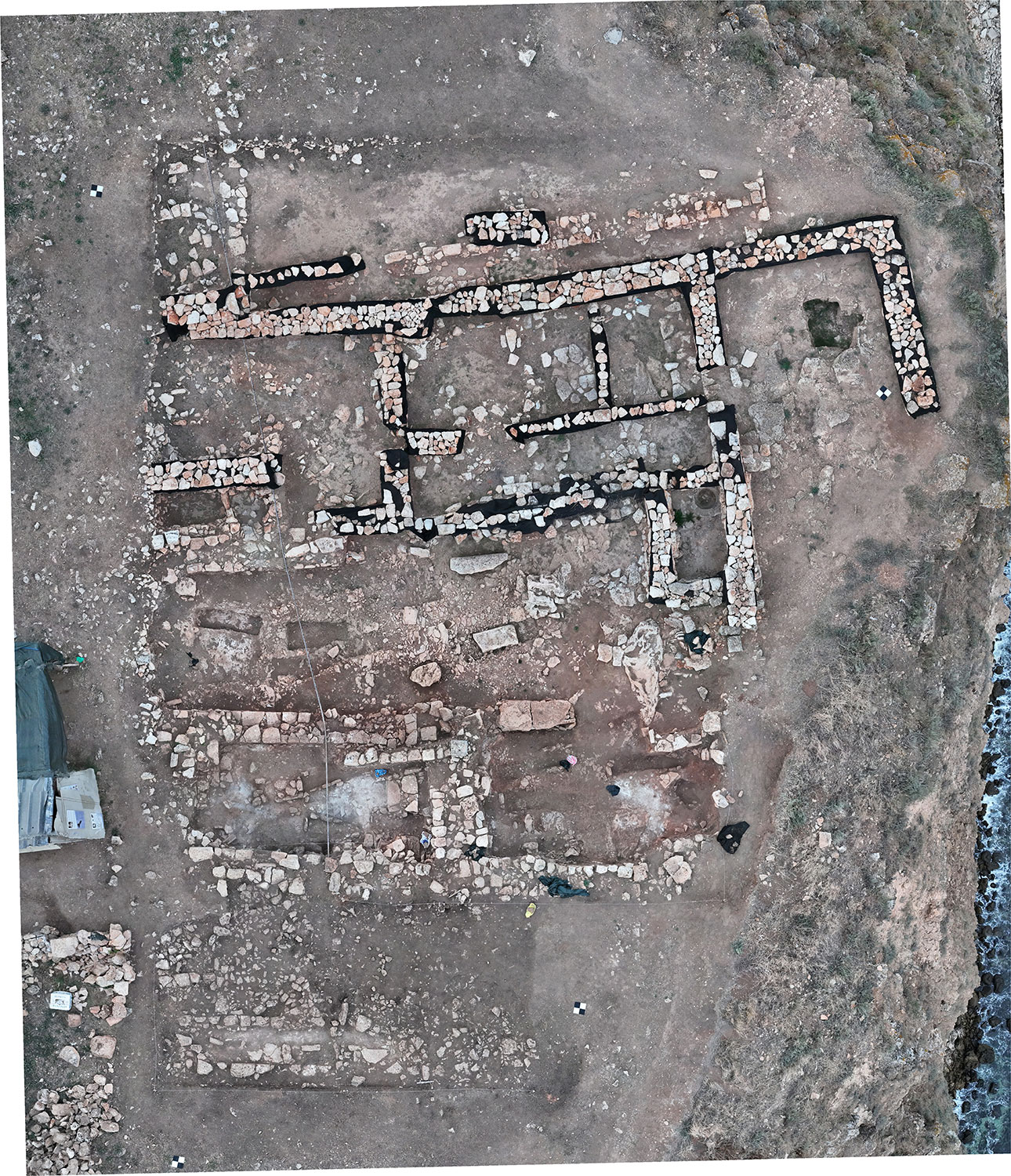
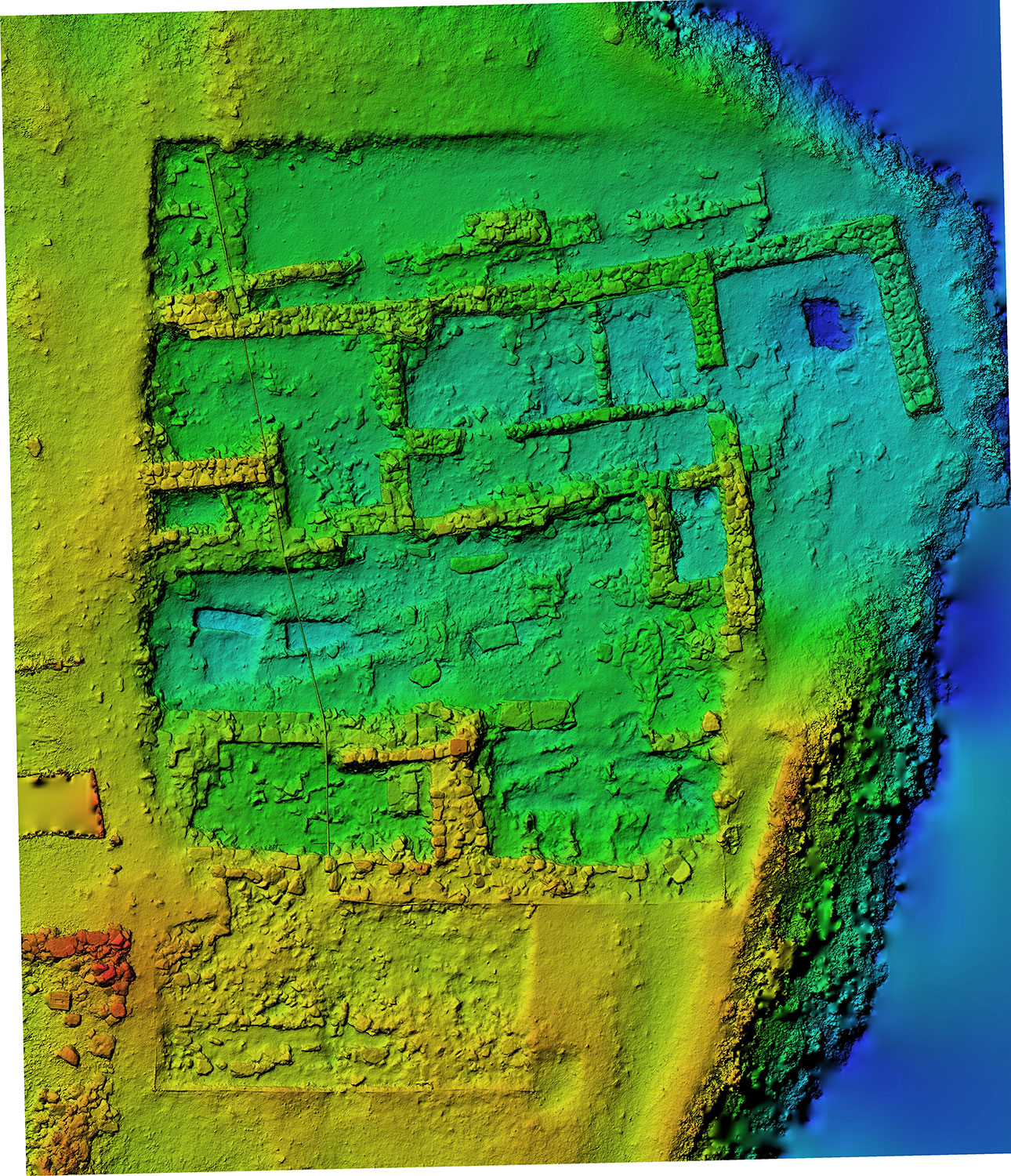
Sector 109, located in the fortress citadel, also yielded new discoveries during the last season. The partially preserved 14th-century structure, which contains fragments of both luxury imported and local vessels, serves as evidence of Kaliakra’s importance as a commercial and cultural center during the Middle Ages. Archaeologists also discovered amphorae with comb-like decorations, fragments of Spanish lustrous pottery, and numerous items that reveal the daily life and social structure of this area during the 14th century. New finds related to medieval culinary traditions in the region were also uncovered – shells of black mussels and white oysters, several processed “buttons” made from turbot with holes for attachment and smoothing on one side, as well as a large quantity of fish vertebrae.
The collected finds and new research during the 2024 season continue to shed light on the importance of Kaliakra as a key fortress and commercial hub. Each new item reveals not only the historical value of the fortress but also the cultural and social life of its inhabitants across different periods.