On April 11, 1866, in Brăila, Dobri Voynikov staged the historical drama “Rayna Knyaginya” at the local community center.
On April 11, 1866, in Brăila, Dobri Voynikov staged the historical drama “Rayna Knyaginya” at the local community center. This marked the beginning of public discussion about theater in Bulgarian Revival society.
Like all National Revival figures of his generation, Dobri Voynikov worked in many different fields to build Bulgarian national identity. He was a teacher, playwright, educator, and an active figure in the church, community centers, and public life.
He was born in 1833 in the town of Shumen to the family of Priest Vasil Voynikov. He studied at the elementary school in his hometown under the distinguished teachers Sava Filaretov, Ivan Bogorov, and Sava Dobroplodni, and later graduated from the French college “Saint-Benoît” in Istanbul. He played the violin, flute, guitar, and, to some extent, the piano.
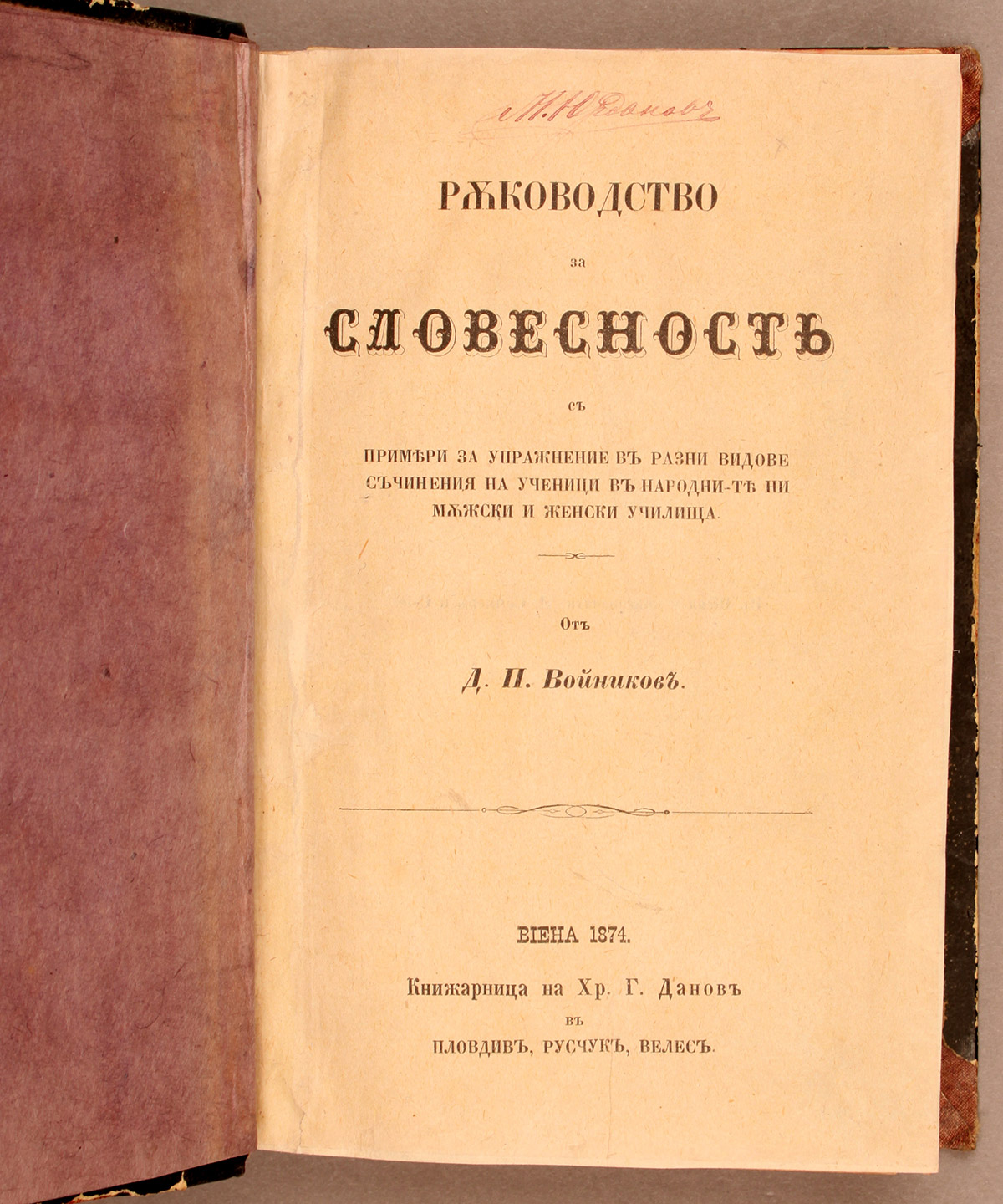
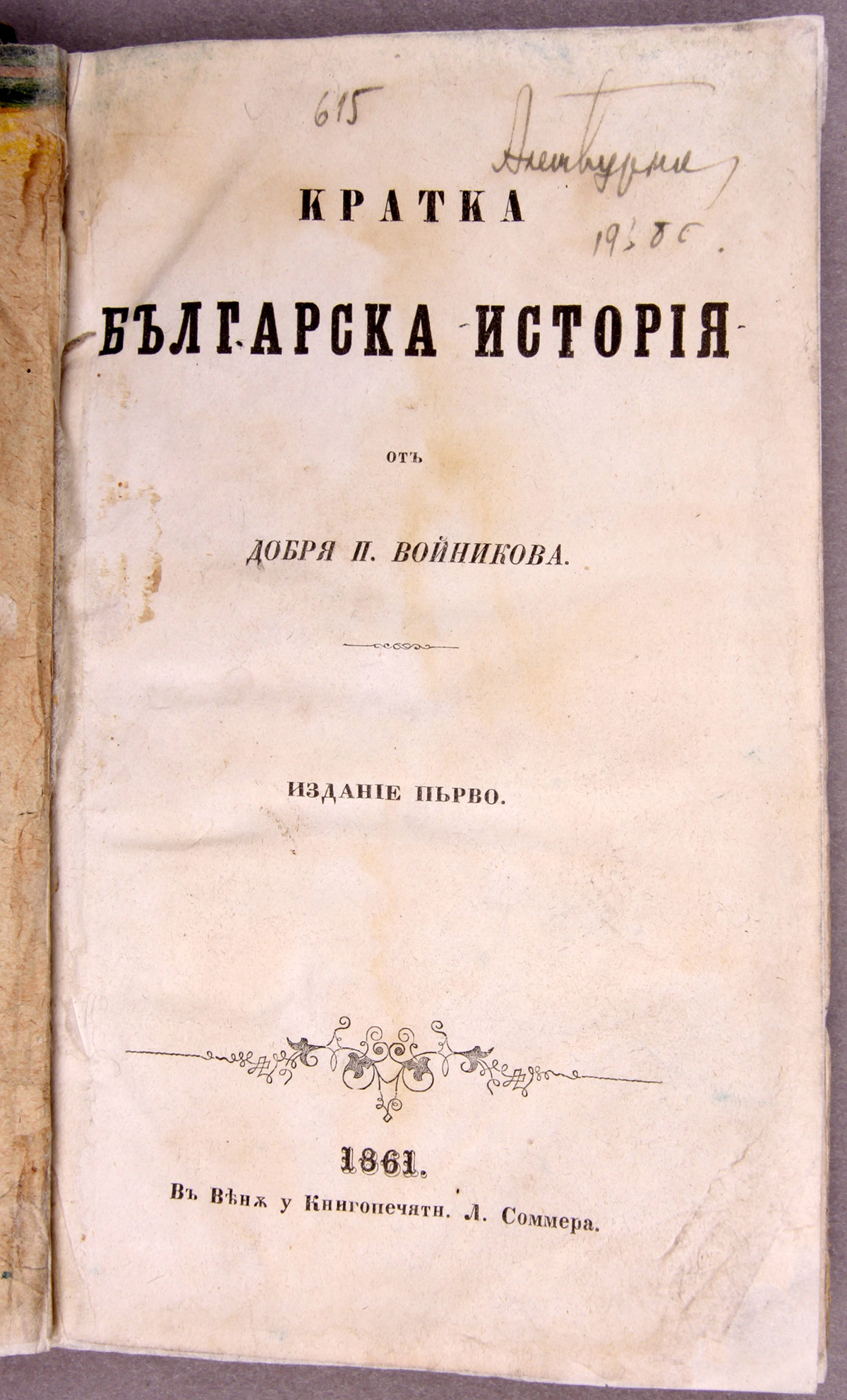
As a teacher, he was the first to introduce music and solfège into the school curriculum. He compiled textbooks on history and grammar, and in the literature textbook, he devoted a special section to the various types of musical works. He directed a student choir and orchestra. He was also the first Bulgarian theater director and the founder of Bulgarian theater.
With the staging of the play “Rayna Knyaginya” in Brăila, Dobri Voynikov created a true celebration for the local Bulgarians. He wrote three more historical dramas: “The Baptism of the Preslav Court” (1868), “Velislava, Bulgarian Knyaginya” (1870) and “The Coronation of Krum the Terrible” (1871), as well as four more comedies, including “Misunderstood Civilization” (1871). From his very first theatrical productions, Voynikov’s name became synonymous with Bulgarian theater.
Dobri Voynikov’s plays form the core repertoire of Bulgarian Revival theater. They also established certain literary and artistic techniques that were later adopted by his successors in playwriting, Vasil Drumev and Ivan Vazov.
Text: Iva Stoyanova