From village to industrial center – Pernik and its “black gold”
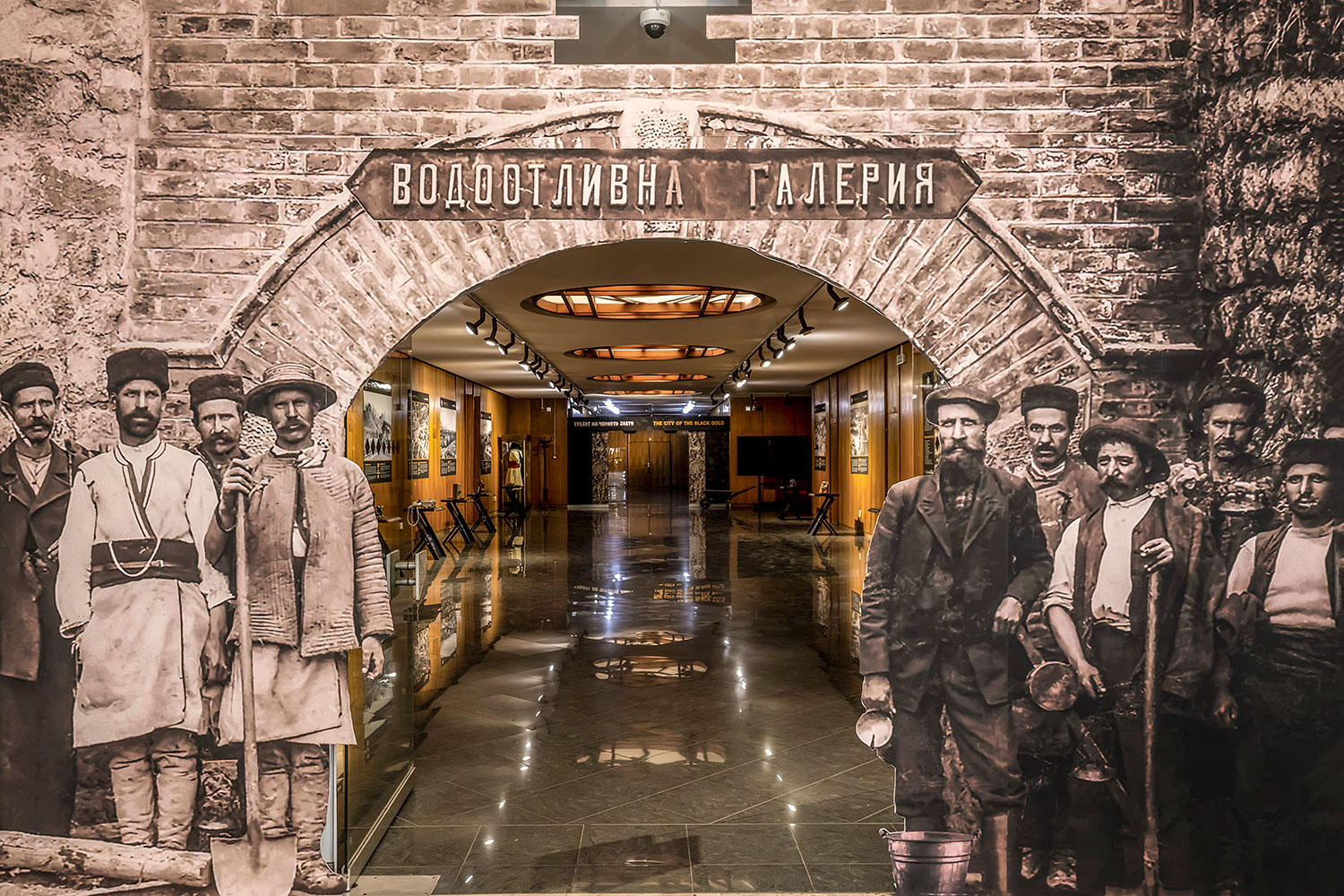
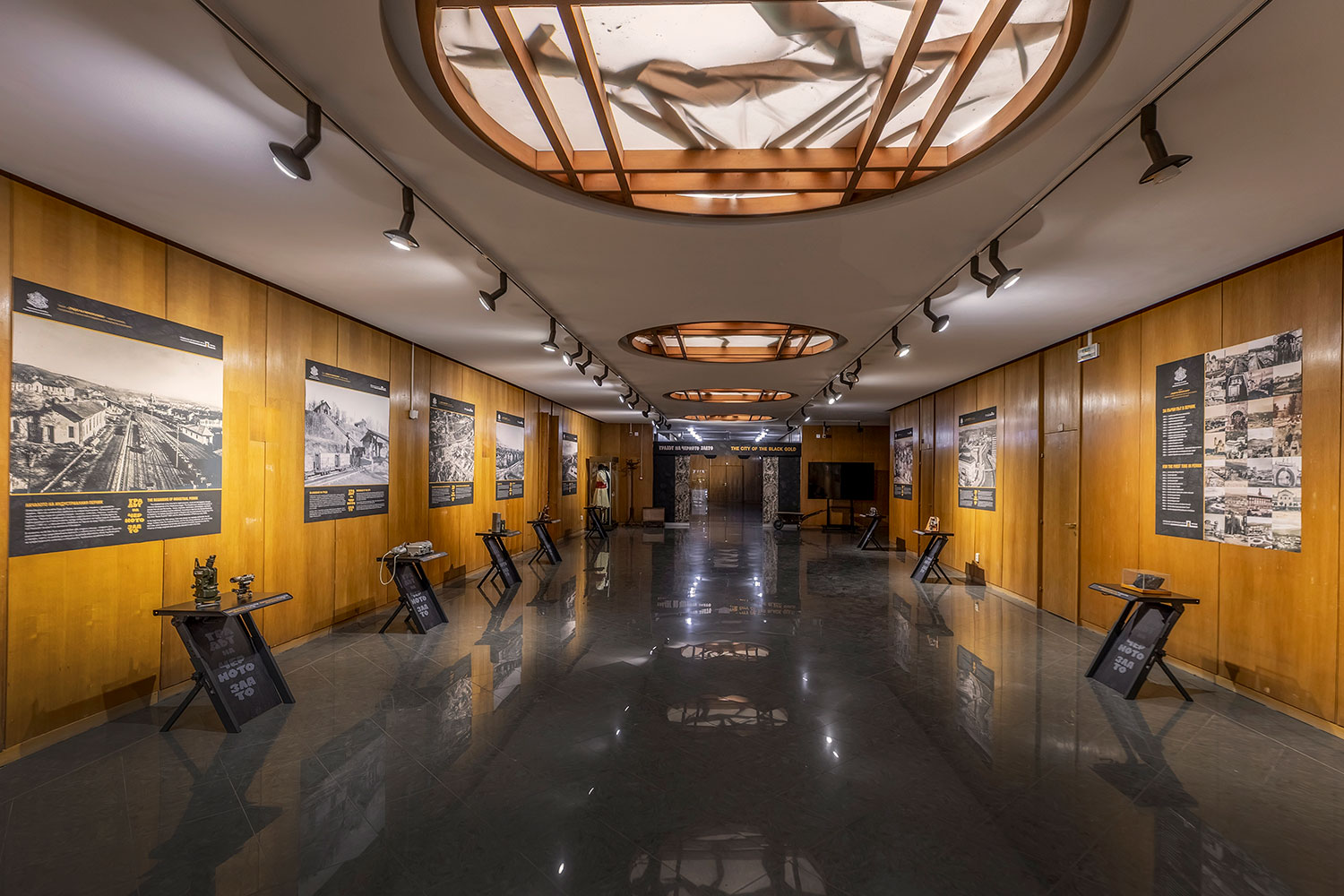
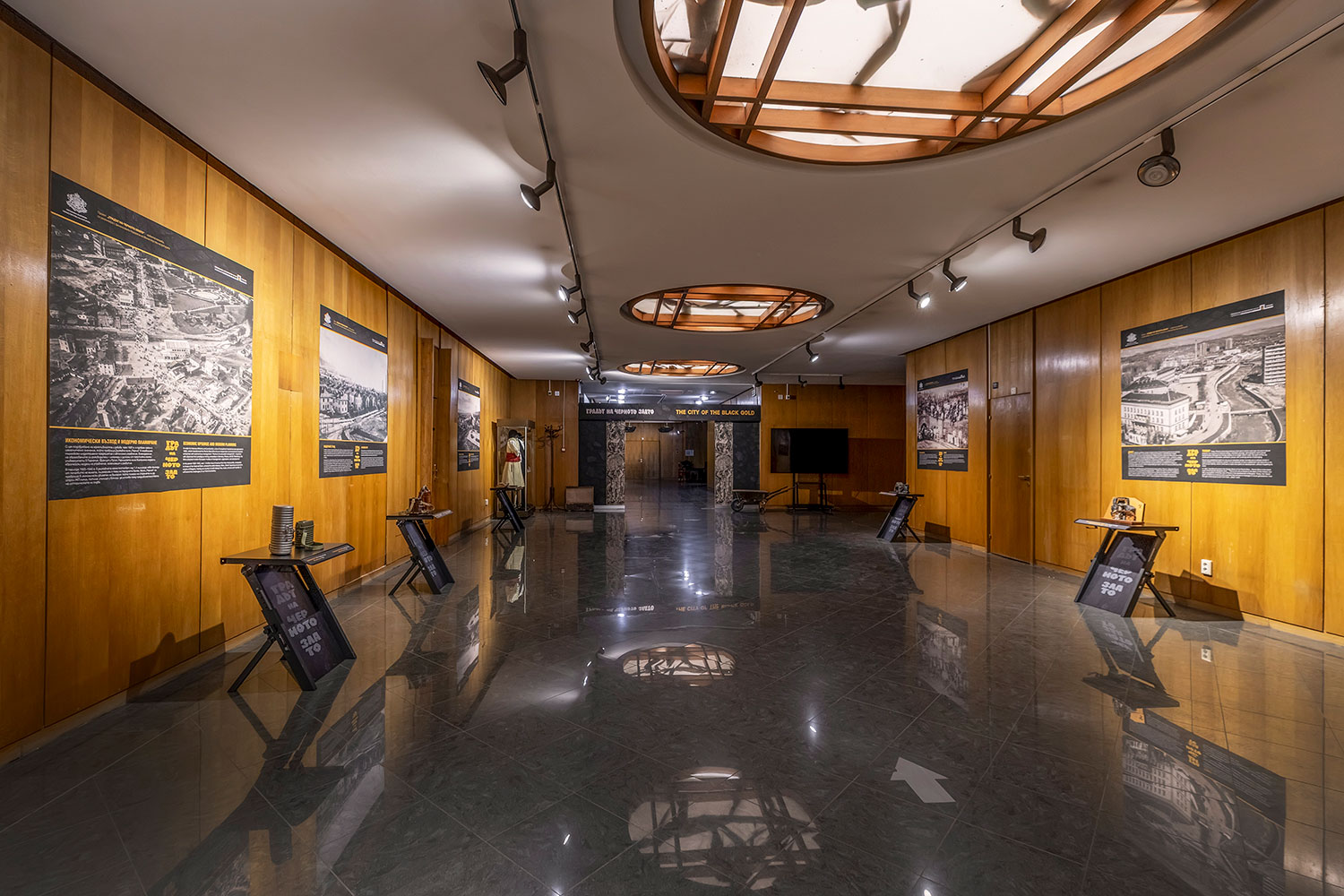
On February 24, 2026, the National Historical Museum opened the visiting exhibition „The City of The Black Gold“ – еan exhibition of the Regional Historical Museum – Pernik, presented in the capital as part of the established partnership between the two institutions. The exhibition will be open until April in the Temporary Exhibition hall on the third floor.
The visit was coordinated by Dr. Petranka Nedelcheva. The curator from the Pernik Museum is Dr. Desislava Milanova, and the exhibition designer is Ivaylo Panayotov (Ivoform). The initiative is being implemented with the financial support of the Ministry of Culture, in partnership with the Municipal History Museum in Radomir.
Through archival photographs, original tools and equipment from Mini Pernik, as well as educational animation, the exhibition traces the development of a small post-liberation village that became a symbol of Bulgarian industrialization. After the Liberation, Pernik was a modest village at the foot of a medieval fortress, whose real wealth turned out to be coal deposits – “black gold”. The decision to exploit them predetermined the economic and social rise of the settlement.
In 1924, Tsar Boris III described Mini Pernik as “the black pearl of the beautiful Bulgarian land,” emphasizing its strategic importance. In 1929, the village was granted town status and established its emblematic name – “the town of black gold.”
At the beginning of the 20th century, Pernik was one of the most dynamically developing cities in the country and the first to have a modern urban development plan. The European mining specialists who were attracted to the city contributed not only with their technical expertise, but also with their vision for a modern industrial center.
Today, the city’s industrial heritage lives on in historical memory. The exhibition presents evidence of the labor and dedication of generations of miners—a story of creation, resilience, and the pursuit of progress. Among the exhibits are mining lamps, mechanical calculating machines, telephones, measuring instruments, optical theodolites, and precision detonators—valuable monuments to mining work and part of the exhibition of the first mining museum in Pernik.
This exhibition is yet another example of successful cooperation between museum institutions and a shared commitment to preserving national historical memory.