Ancient fortress of Ravadinovo, located in the Chiplaka area.
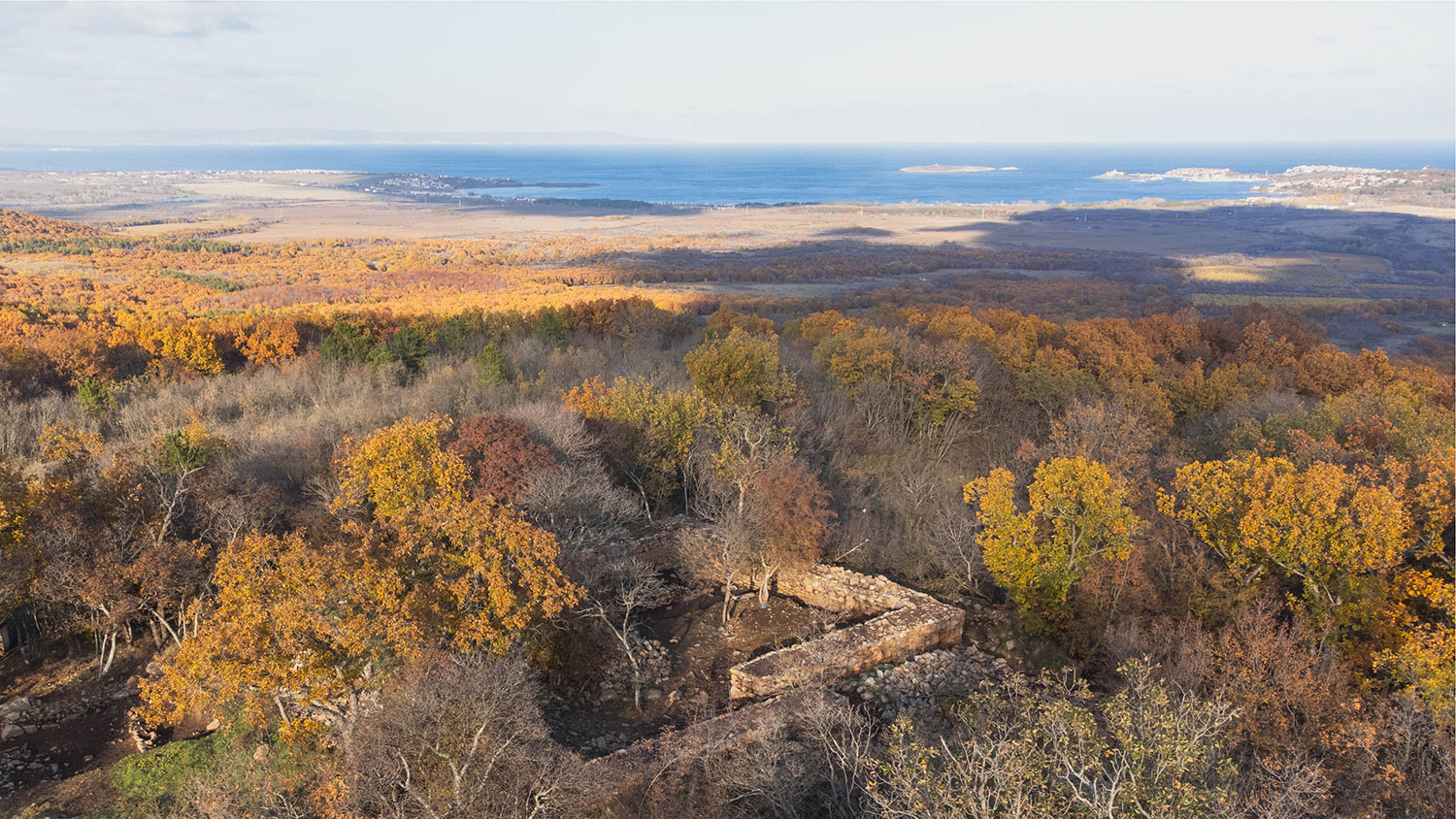
The study of the well-preserved fortified ancient fortress of Ravadinovo, located on an area of over 10 decares in the Chiplaka area, has become one of the most significant archaeological discoveries in the Black Sea region over the past decade. The fortress was situated in a strategically important contact zone between the Greek colony of Apollonia Pontica and the Thracians inhabiting the Black Sea Strandzha region. Its findings provide unique insights into daily life and cultural interactions in this area.
Archaeological excavations at Ravadinovo began in 2017, and over the course of eight seasons, important parts of the fortress’s fortification system and interior have been revealed. It is located on the ridge of a high peak in Medni Rid, providing excellent visibility of the neighboring shores, bay, and valley – ideal conditions for strategic observation and defense.
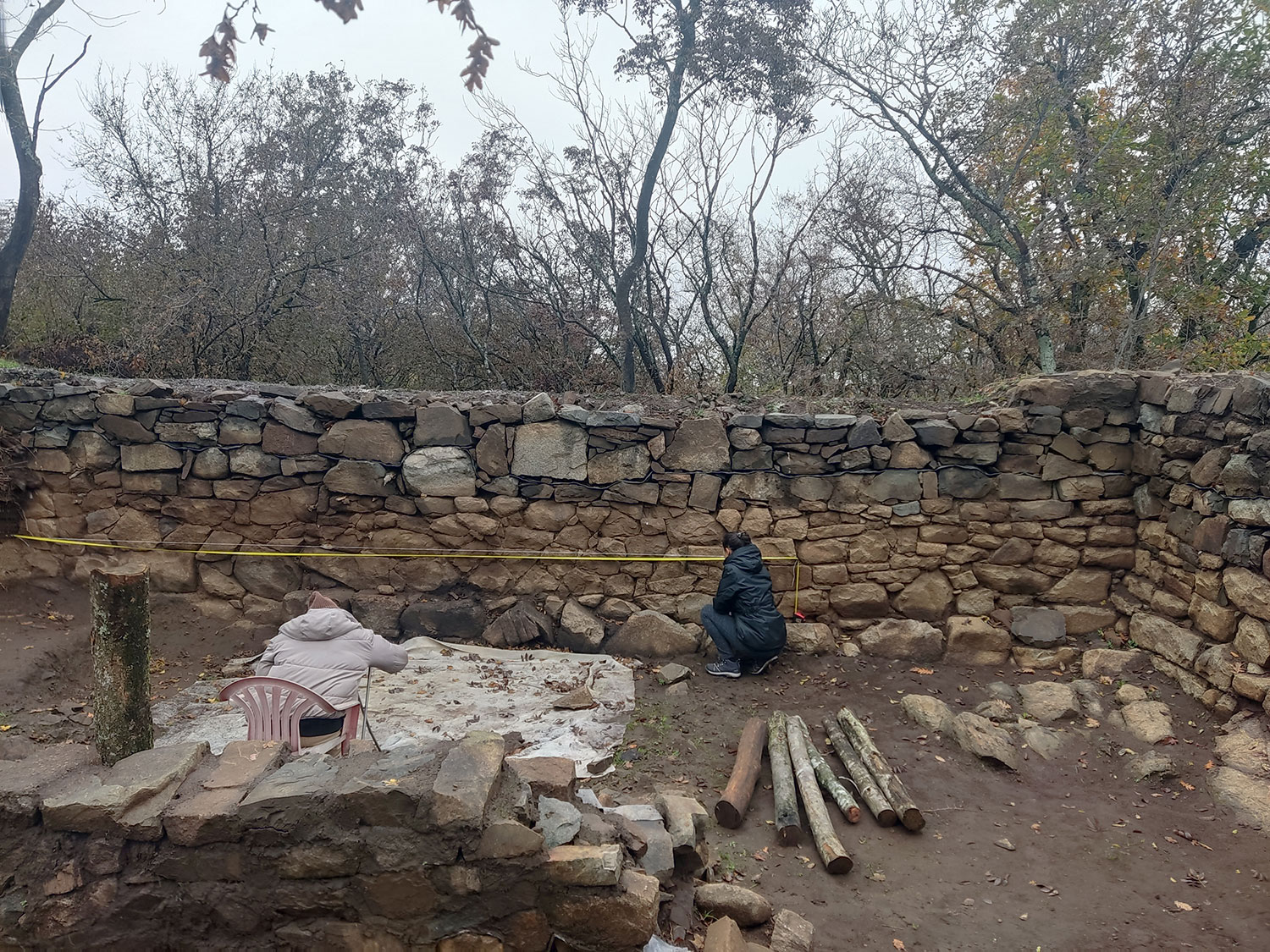
The fortress walls are constructed of large and medium-sized rubble stones arranged in rows with a clay mortar, and they have a width of 1.60 meters, reaching up to 1.80 meters in the western section. The maximum preserved height of the wall is 2 meters. An interesting fact is that this season, archaeologists discovered traces of special reinforcement to the walls, which had been coated and further protected with a wattle-and-daub structure covered with tiles, indicating the high level of attention paid to the site’s security.
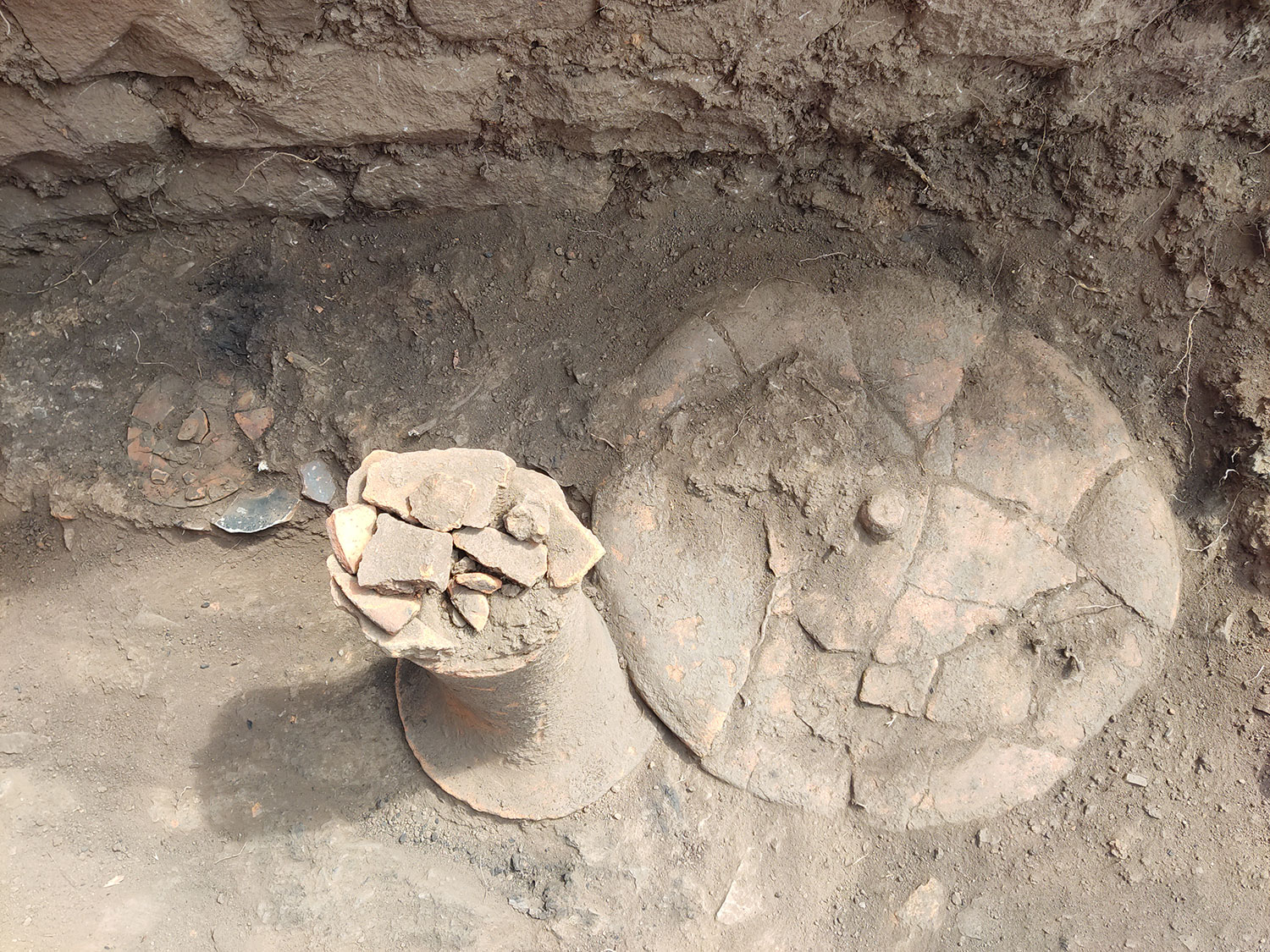
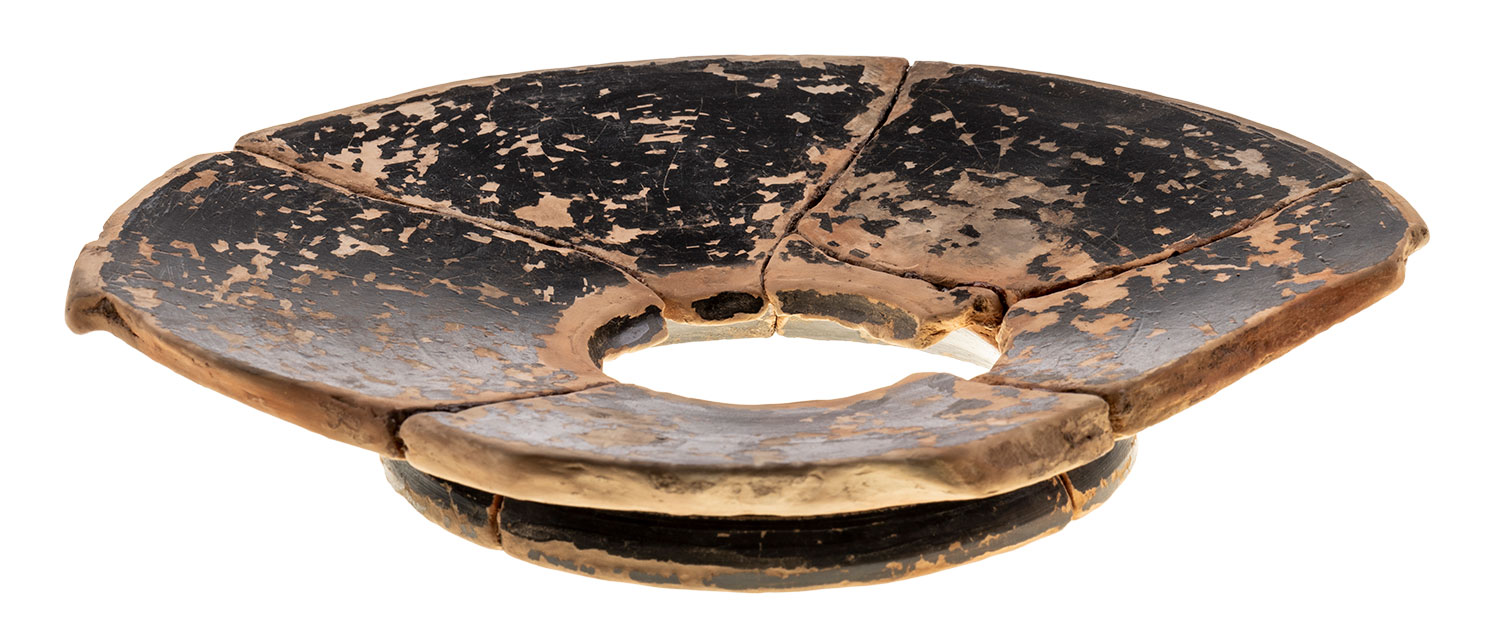
One of the key stages of the excavations is the study of the fortress’s interior, where important discoveries were made in the northeast corner, where the citadel is located. There, archaeologists uncovered new architectural features and determined the precise dimensions of the rooms. Among the most valuable findings is an exceptionally well-preserved ceramic perirrhanterion (a type of vessel for ritual and cultic purposes), which has no known parallel.
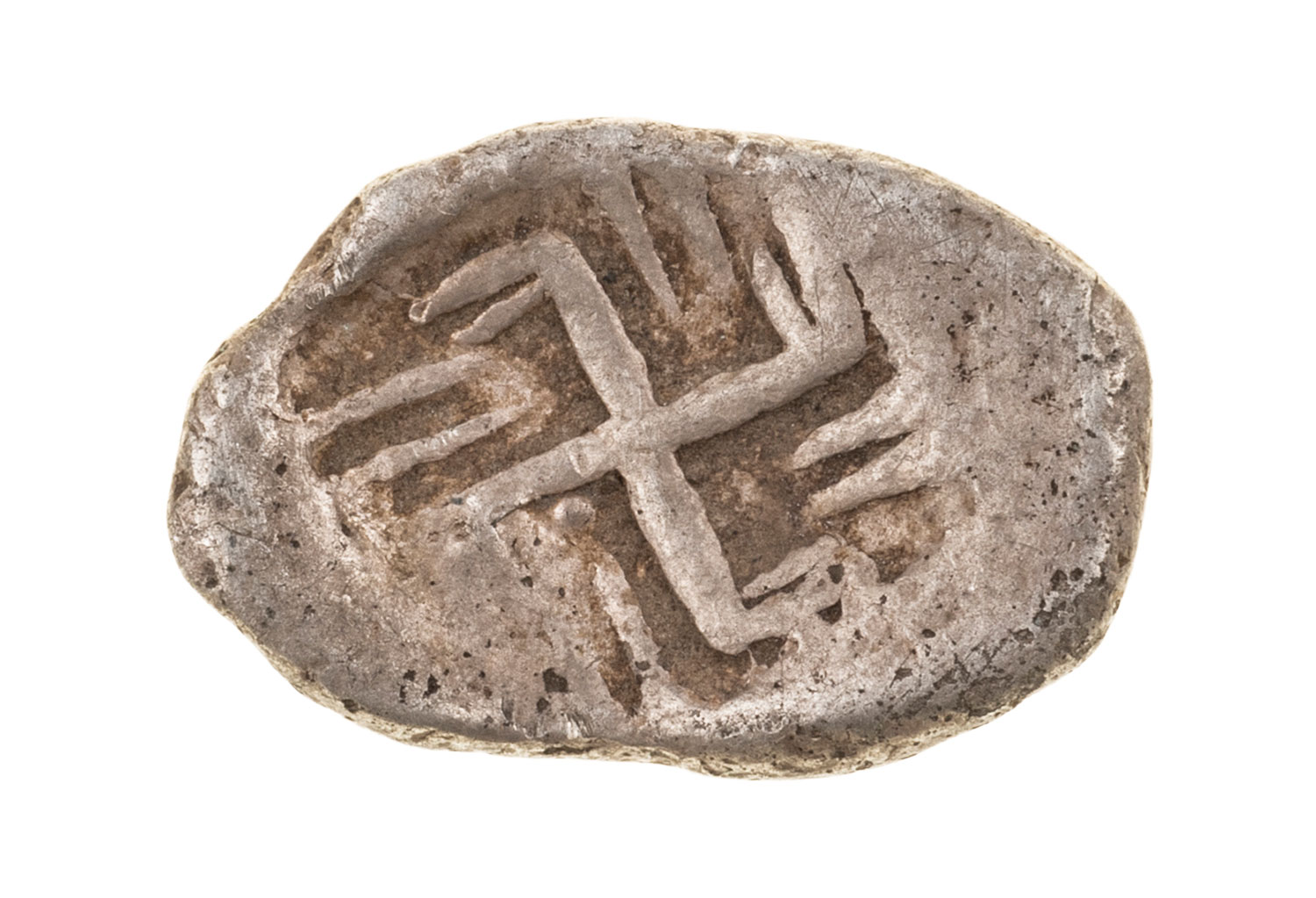
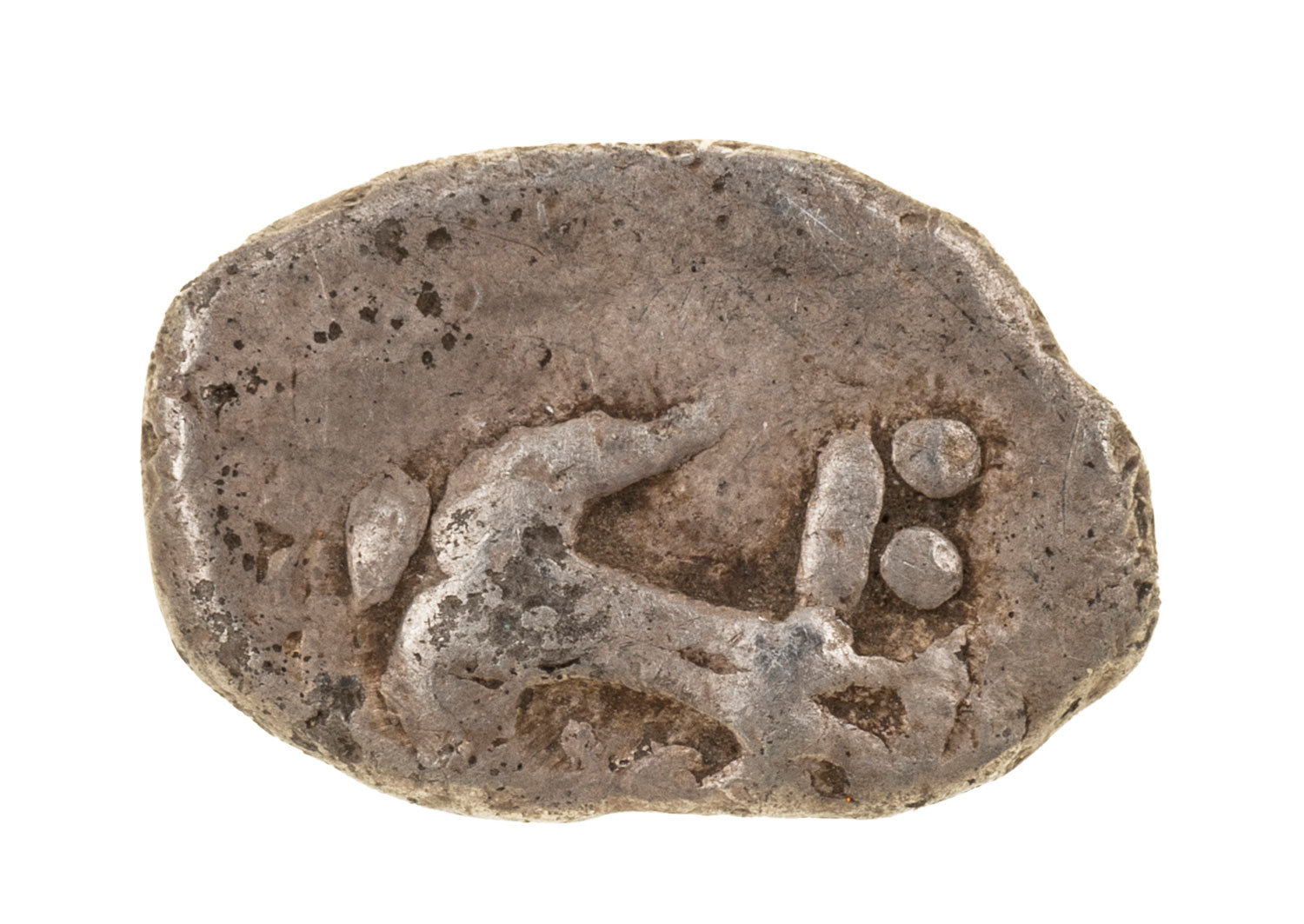
The discovery of various materials and items, such as table jugs, cups, bowls, amphorae, and even elements of horse harnesses, supports the possibility of trade connections between different civilizations during this period. Luxury vessels and fish dishes are evidence of the high social and economic status of the fortress’s inhabitants. Special attention is given to the findings of silver and bronze coins, iron tools, and roof tiles, which further enhance our understanding of the historical and economic significance of the Ravadinovo fortress.
These findings place Ravadinovo in the chronological framework between the mid-5th and 2nd centuries BC and reveal another important commercial and cultural center in the Black Sea region during antiquity.
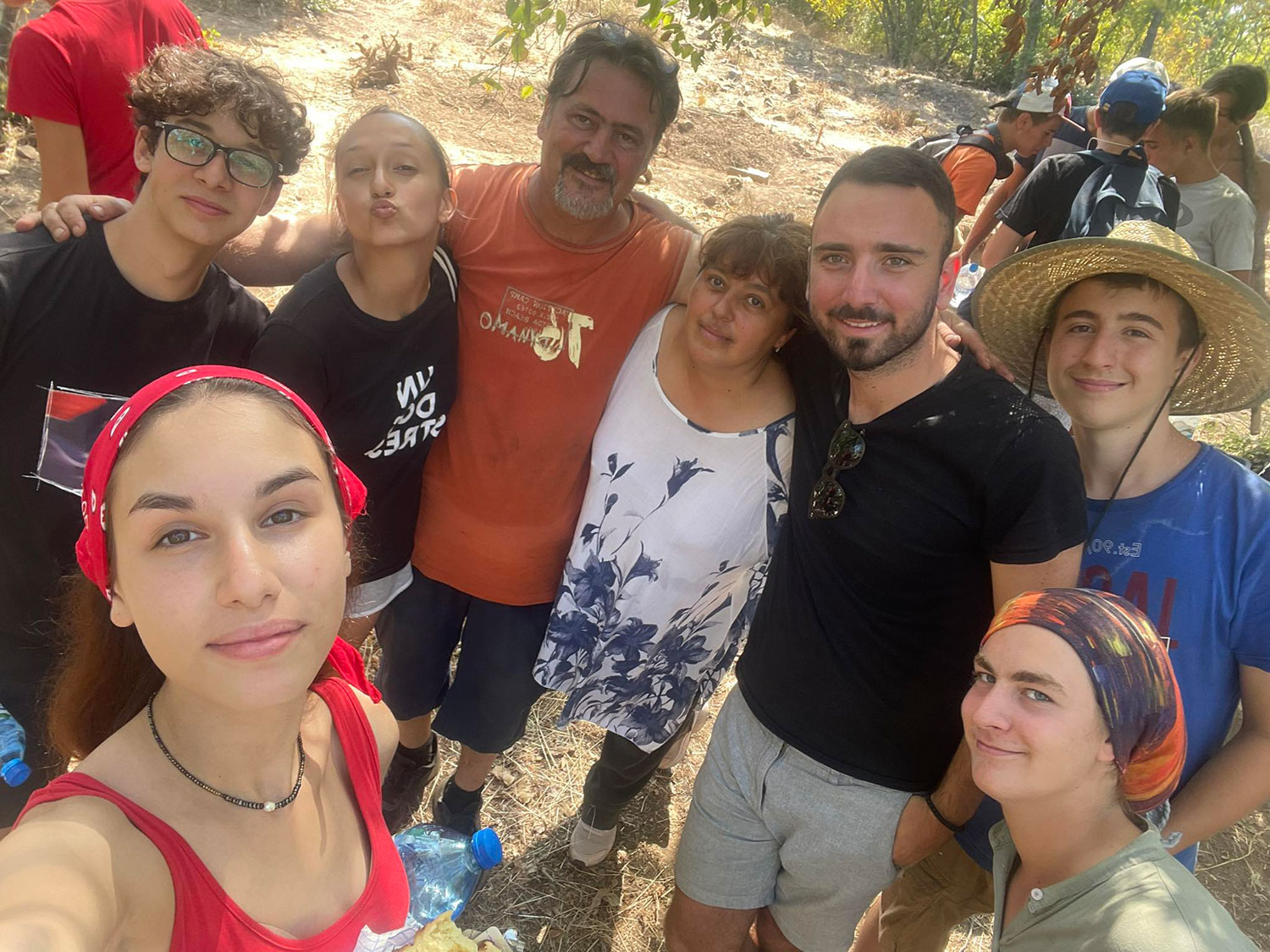
The excavations were made possible thanks to the invaluable help of traditional volunteers -102 students from the National Gymnasium of Ancient Languages and Cultures “St. Constantine Cyril Philosopher,” other high schools in Sofia, and the language high school in Haskovo, as well as 18 students from Sofia University “St. Kliment Ohridski,” 2 students from the National Academy of Art, and 5 specialists and students from Italy. The excavations were led by the Ancient Foundation “Ognyan Radev.”
The research team includes:
Scientific Director: Pavlina Devlova, National Museum of History
Deputy Director: Milena Krumova, Sofia University “St. Kliment Ohridski”
Consultant: Assoc. Prof. Dr. Krastina Panayotova, National Institute of Archaeology and Museum – BAS
Archaeologist: Stoyko Shatov
Geodesist: Eng. Stoyan Nenchev, Eng. Trifon Balakchiev
Aerial Photography with Drone: Stefan Sherbanov
Restorers: Emil Chushev, Assoc. Prof. Silvia Varadinova (National Academy of Art), Georgi Iliev (Regional Musuem- Yambol), Dimitrina Bogdanova (student at National Academy of Art).
These findings not only expand our understanding of the ancient history of Black Sea Strandzha but also highlight the significance of the region as an important commercial and cultural center during antiquity. Although the fortress of Ravadinovo remains anonymous, the archaeological findings undoubtedly show that it was an important strategic and trading center, connecting various cultures and peoples along the Black Sea coast.