Andrey Lyapchev was born on December 12, 1866.
On December 12, 1866, the politician and public figure Andrey Lyapchev (1866-1933), Prime Minister and Minister of Internal Affairs and Public Health (1926-1931) in the governments of the (Bulgarian) Democratic Alliance, was born. His rule is associated with the policy of pacification and liberalization of public life.
Domestic policy was characterized by a desire to adhere to the spirit of the constitution, stabilize parliamentarism, remove from local administration the cadres involved in the 1923 Bulgarian coup d’état (also known as the 9 June coup d’état), amnesty for opposition figures, and ensure conditions for holding democratic elections, as a result of which the government ceded power to the People’s Bloc.
The Refugee Loan (1926) and Stabilization Loan (1928) concluded during his administration were used to develop the economy, finances, infrastructure, and public works, ensuring the successful integration of nearly 220,000 refugees.
Andrey Lyapchev studied at the Bitola and Thessaloniki Men’s High School, graduated from the Plovdiv Humanitarian High School. He studied history and economics in Zurich, Berlin and Paris (1887-1895).
In his early years, at the end of the 19th century, he was a member of the leadership of the Supreme Macedonian Committee (SMC), which fought for the autonomy of Macedonia and Adrianople’s Thrace within the Ottoman Empire. He was engaged in journalism.
From 1903 to 1923 he was a member of the leadership of the (Bulgarian) Democratic Party, and from 1924 to May 1932 – a member of the Central Bureau of the Democratic Alliance.
Before becoming Prime Minister, Andrey Lyapchev was a member of three governments – in the two cabinets of the democrat Alexander Malinov (1910-1911; 1918) and of the populist Teodor Teodorov (1918-1919). He was a deputy in eight national assemblies between 1914 and 1933.
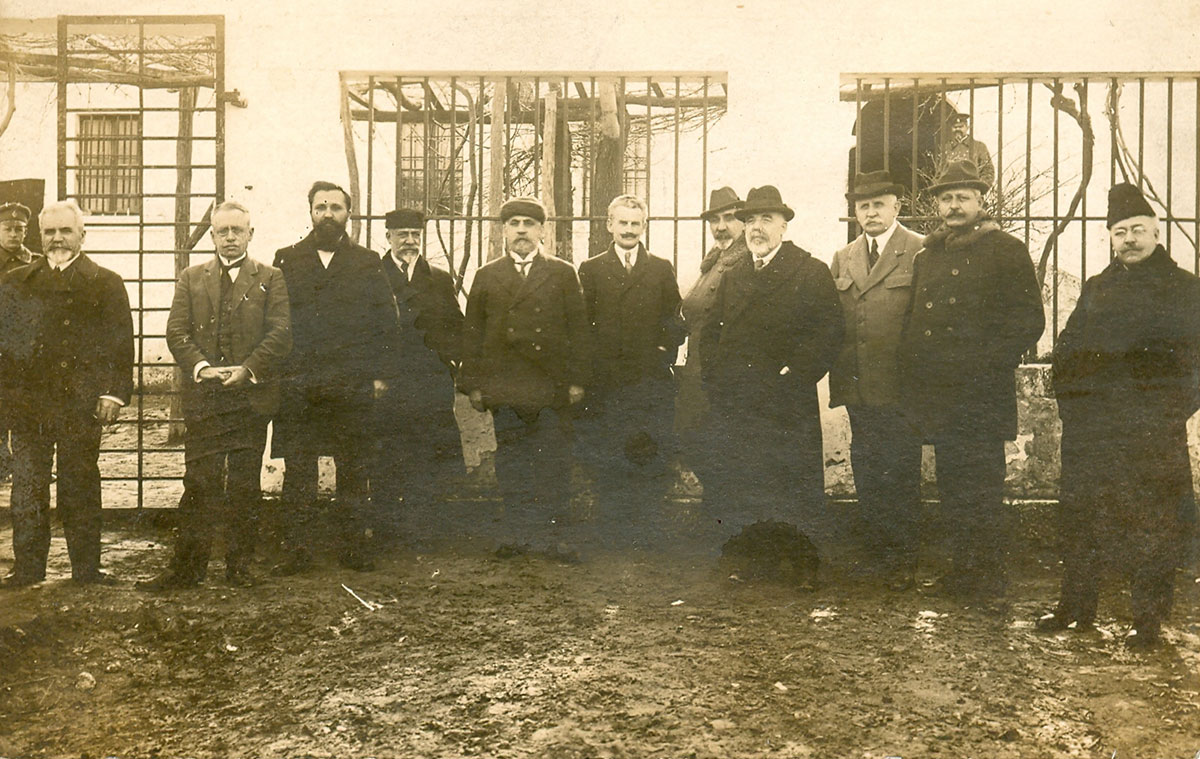
He was a delegate of the Bulgarian government at two key moments for the country – for the recognition of the independence of Bulgaria (1908-1909) and for the armistice in Thessaloniki on September 28, 1918, with which Bulgaria exited World War I. As a prominent opponent of the Bulgarian Agrarian National Union (BZNS) and for his participation in the government of Alexander Malinov (1918), he was arrested and imprisoned without trial in the Shumen prison (pictured). He died of cancer on November 6, 1933.
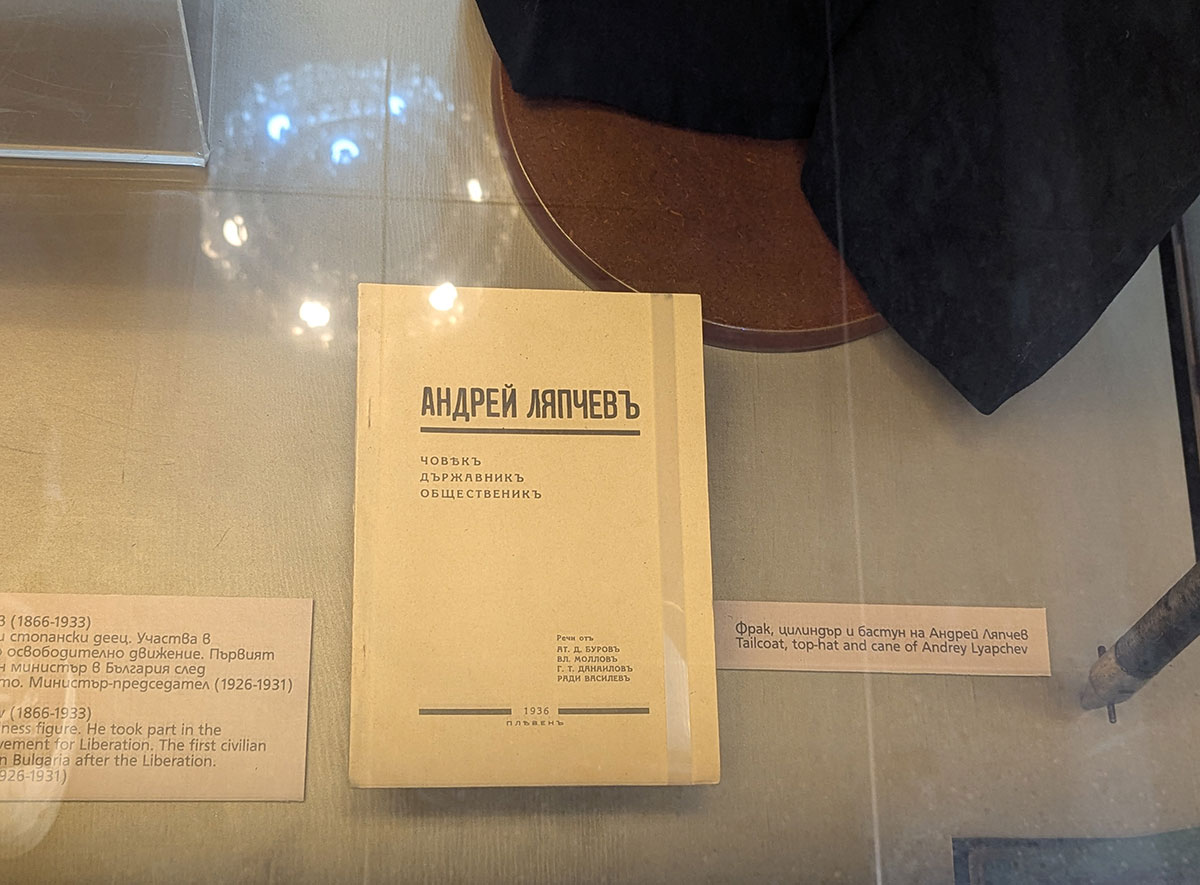
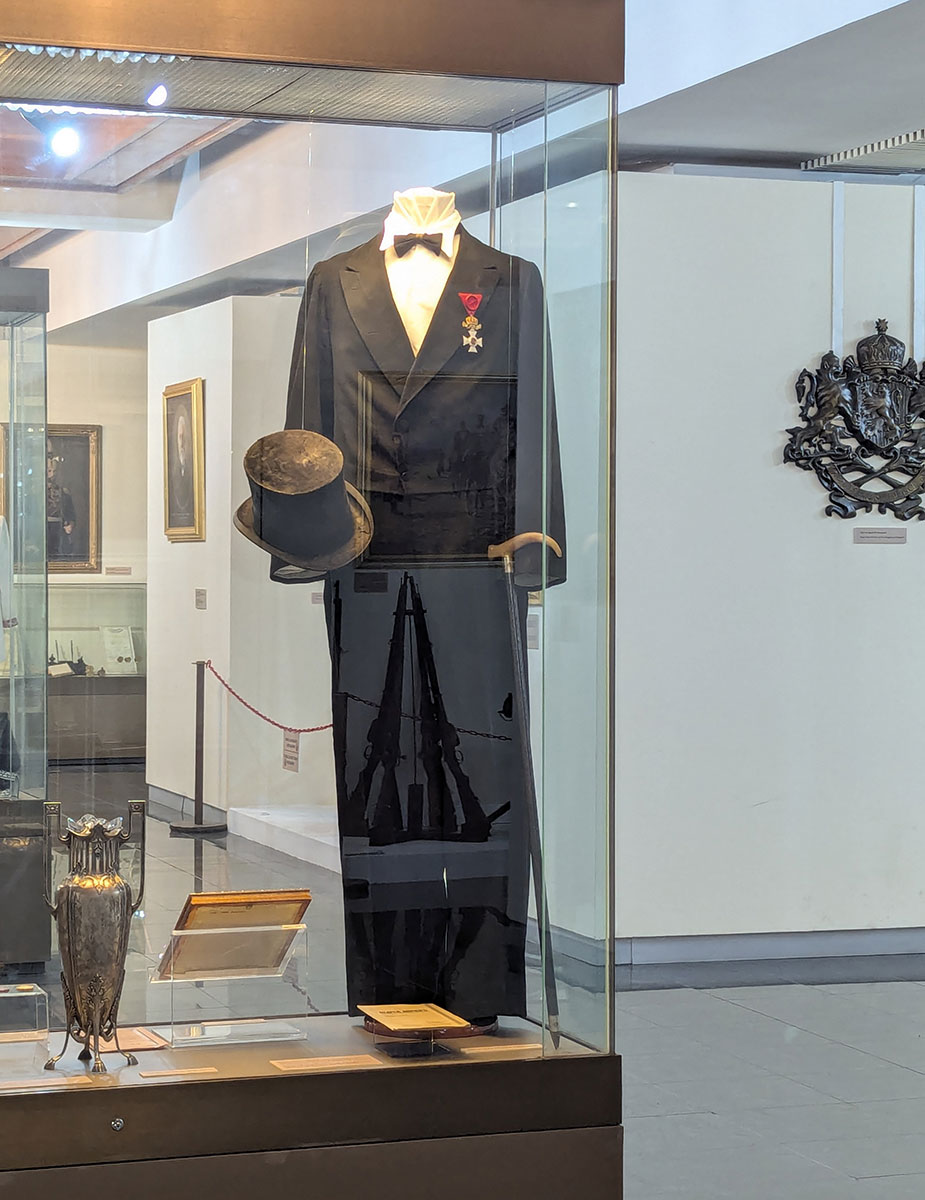
The permanent exhibition of the Bulgarian History Museum (Hall 5 on the 3rd Floor) displays the tailcoat, top hat and walking stick of Andrey Lyapchev, donated by Ivaylo Korakov.
Text: Mariana Parvanova