The Relics of Kaliakra: Church No. 2 and its Secrets
In 2011, an archaeological survey was carried out at Church No. 2 in the Inner City of Kaliakra, a site of particular importance for revealing the medieval history of the region. Back in 2010, a gold coin of Andronicus II was found there, as well as rich graves from the 14th century, which drew the attention of archaeologists to this area.
During the research in 2011, the entire interior of the temple was examined, reaching the rocky mainland. The analysis showed that the church was dedicated to St. Theotokos and had undergone several major stages of reconstruction. In its original form, probably dating back to the 13th century, it was a small, single-nave building with an entrance from the north. In the 14th century, it was extended and a narthex was built to it, probably open to the west with a wooden colonnade. The last reconstruction, dating back to the beginning of the 15th century, included closing the narthex from the west. Of particular interest was the westernmost part of the complex, long considered an exonarthex (an outer narthex in which festive services were held). The studies showed that it represents an earlier building, on which the necropolis around the church subsequently developed.
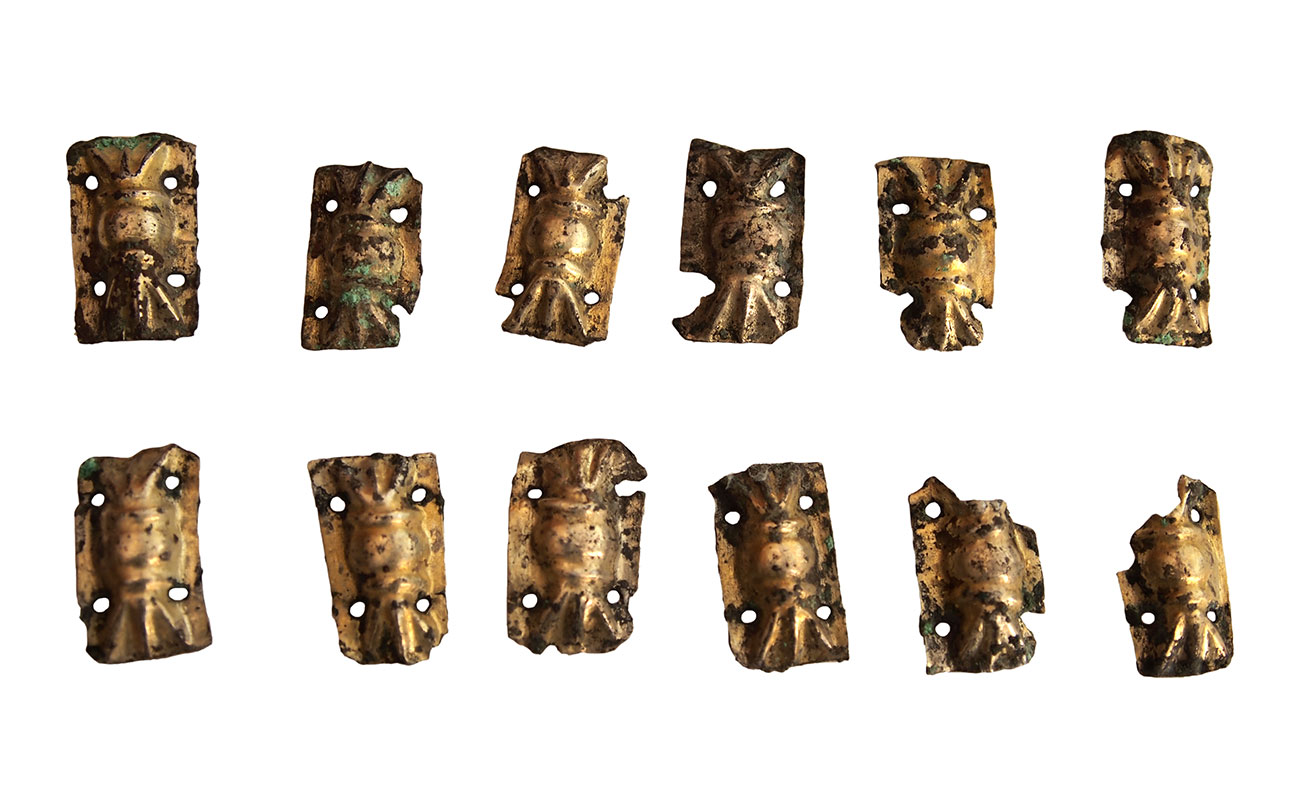
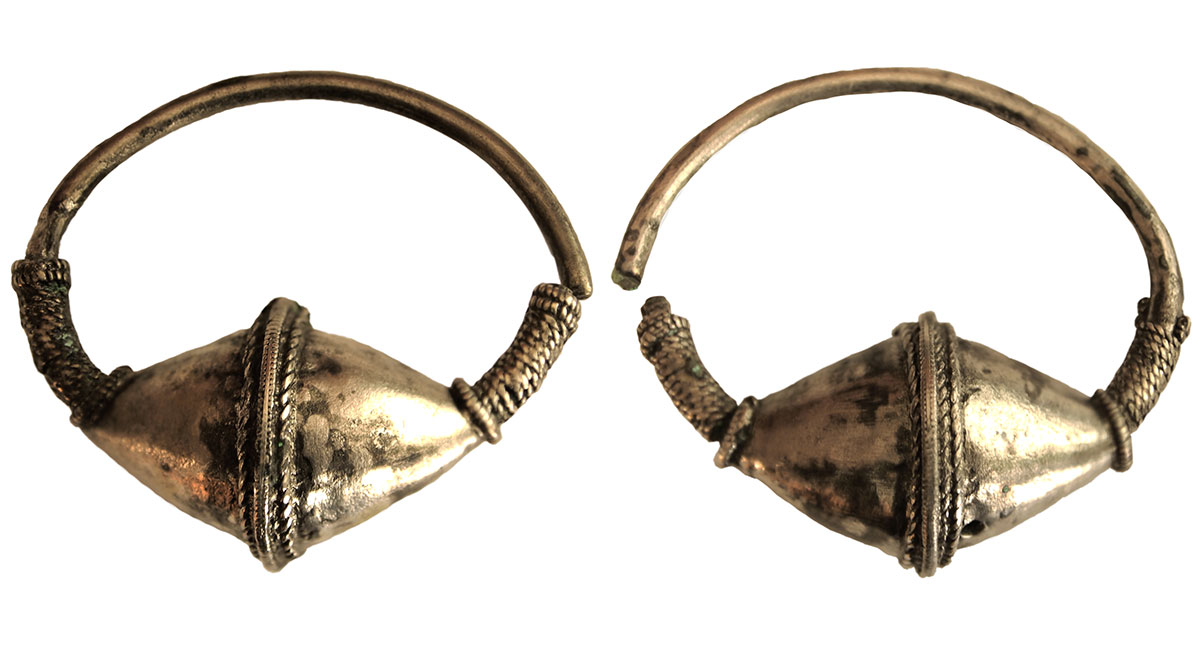
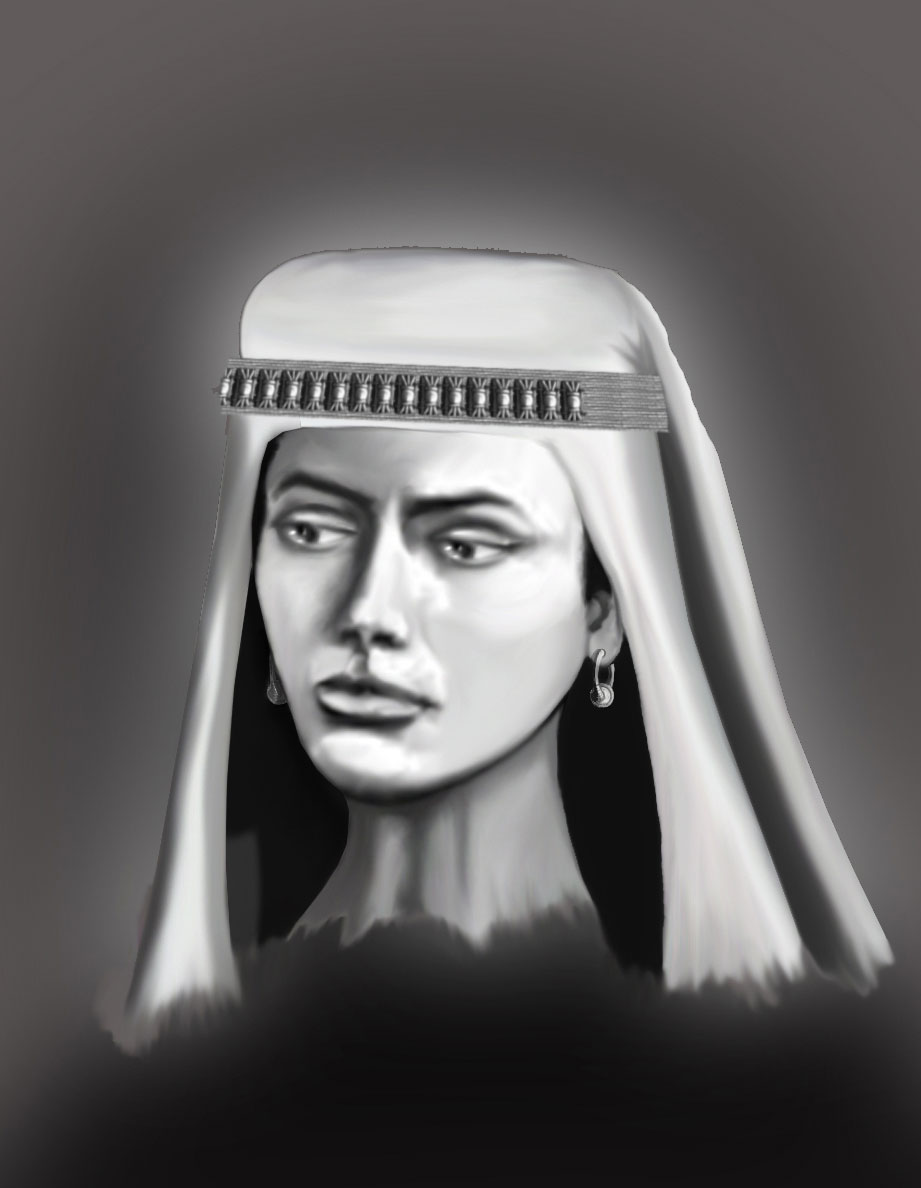
Around Church No. 2, a number of new graves belonging to prominent residents of Kaliakra have been documented. Among them, the burial of a young woman decorated with a gold headdress and silver earrings of a biconical shape is particularly impressive. The jewelry consisted of a textile ribbon on which 16 applications of gilded bronze were attached – rectangular, forged, with two holes for sewing and a relief decoration in the form of a ribbon.
The discoveries from Church No. 2 are among the most valuable archaeological finds from Kaliakra. They are included in the traveling exhibition of the Historical Museum – Kavarna, entitled “The Relics of Kaliakra”, prepared by the long-time researcher of this emblematic place for Bulgarian history, Docent Dr. Boni Petrunova. The exhibition presents the wealth of medieval culture on the Bulgarian Black Sea coast and reveals new aspects of the life of the local aristocracy.