On November 9, 1828 Dragan Tsankov was born
Having made a name for himself in the struggles for educational and ecclesiastical independence during the Bulgarian National Revival, he was no less actively involved in the socio-political life of the newly liberated Bulgarian state. He was an active participant in the debates on the drafting of the Tarnovo Constitution (1879), and was among the founders of the first parties in our country – the Liberal Party, later the Progressive Liberal Party. Prime Minister (March 26, 1880 – November 28, 1880; September 7 – December 31, 1883; December 31, 1883 – June 29, 1884) and Minister of the Interior in several cabinets, Minister of Foreign Affairs and Religions, as well as Minister of Public Buildings, Agriculture and Trade. He was a deputy in several national assemblies and chairman of the XII National Assembly (1902-1903). He was an opponent of the regime of the powers of Knyaz Alexander I, and later of Stefan Stambolov.
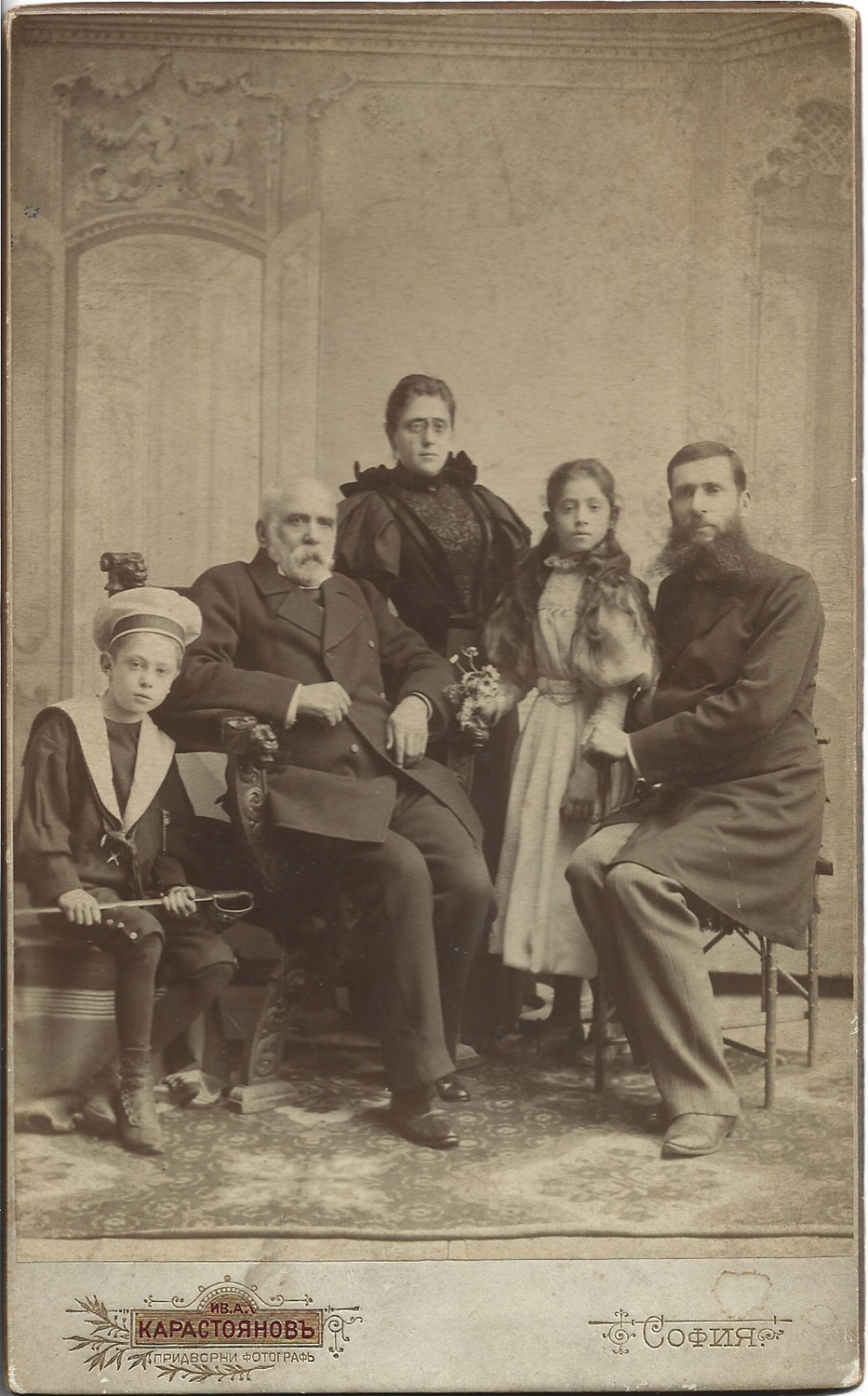
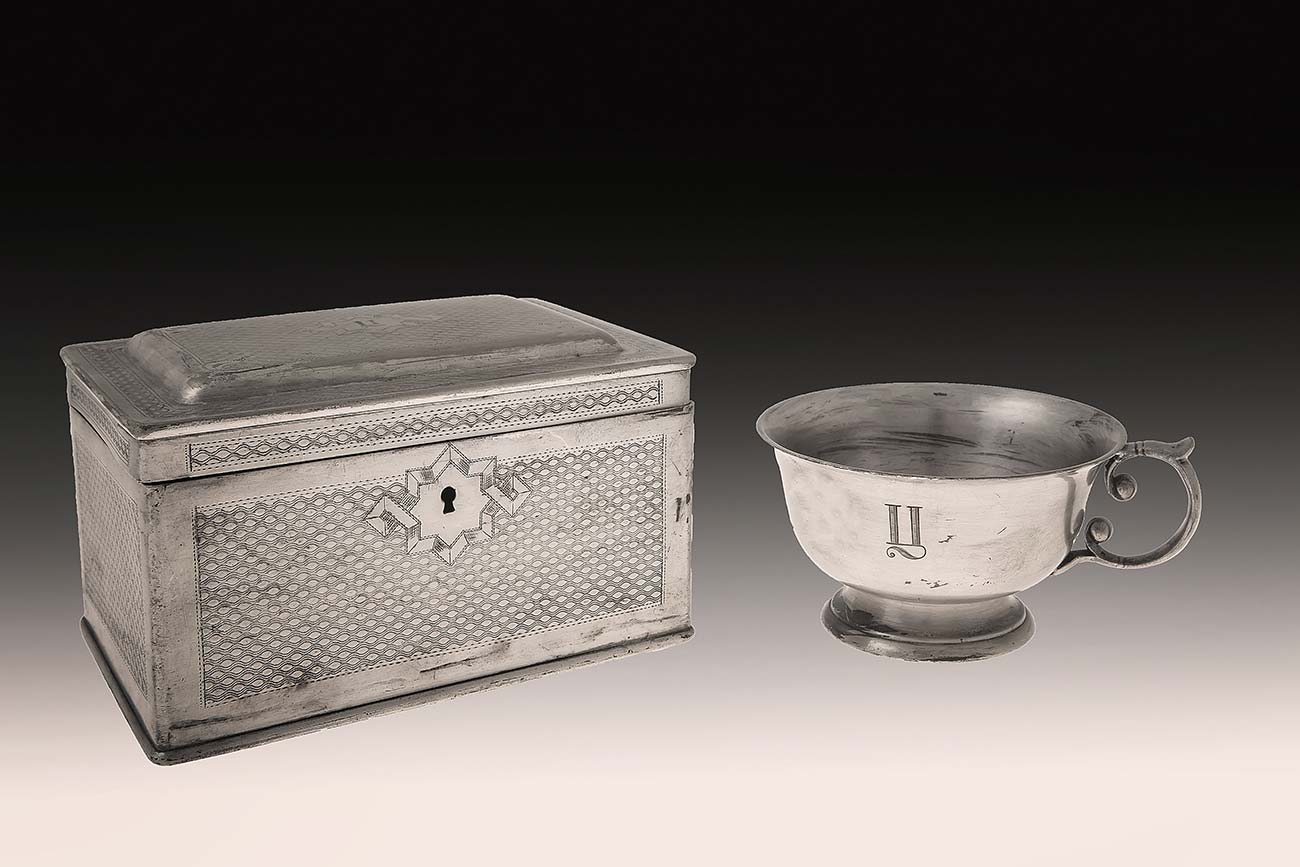
His personal belongings (a writing set, a silver cup and a box with the initials “Ts” (in Bulgarian “Ц”)), a photograph and an official portrait (owned by the Bulgarian Archives State Agency) are exhibited in the permanent exhibition of the Bulgarian History Museum in the display cases dedicated to the early years of the Third Bulgarian Tsardom. The exhibits, as well as other family items related to Dragan Tsankov’s son-in-law – Alexander Lyudskanov (pictured with Dragan Tsankov, his wife and children), were donated to the Bulgarian History Museum by Evgeniya Lyudskanova and Alexander Alexiev.
The social and political activity of Dragan Tsankov began even before the Bulgarian Liberation. Born into a wealthy family in Svishtov, he received a good education in his hometown, then studied in Odessa, Kiev and Vienna, he self-educates. He became involved in the church-educational struggles of the Bulgarians against the Greek Patriarchate, and advocated the idea of Uniatism. After the April Uprising (1876), together with Marko Balabanov, he was sent by the Bulgarian Exarchate to Europe to inform public opinion about the situation of the Bulgarians and to seek support for the victims. He died at the age of 82 in Sofia in 1911.
Text: Mariana Parvanova