400 artifacts bring Kaliakra’s past to life
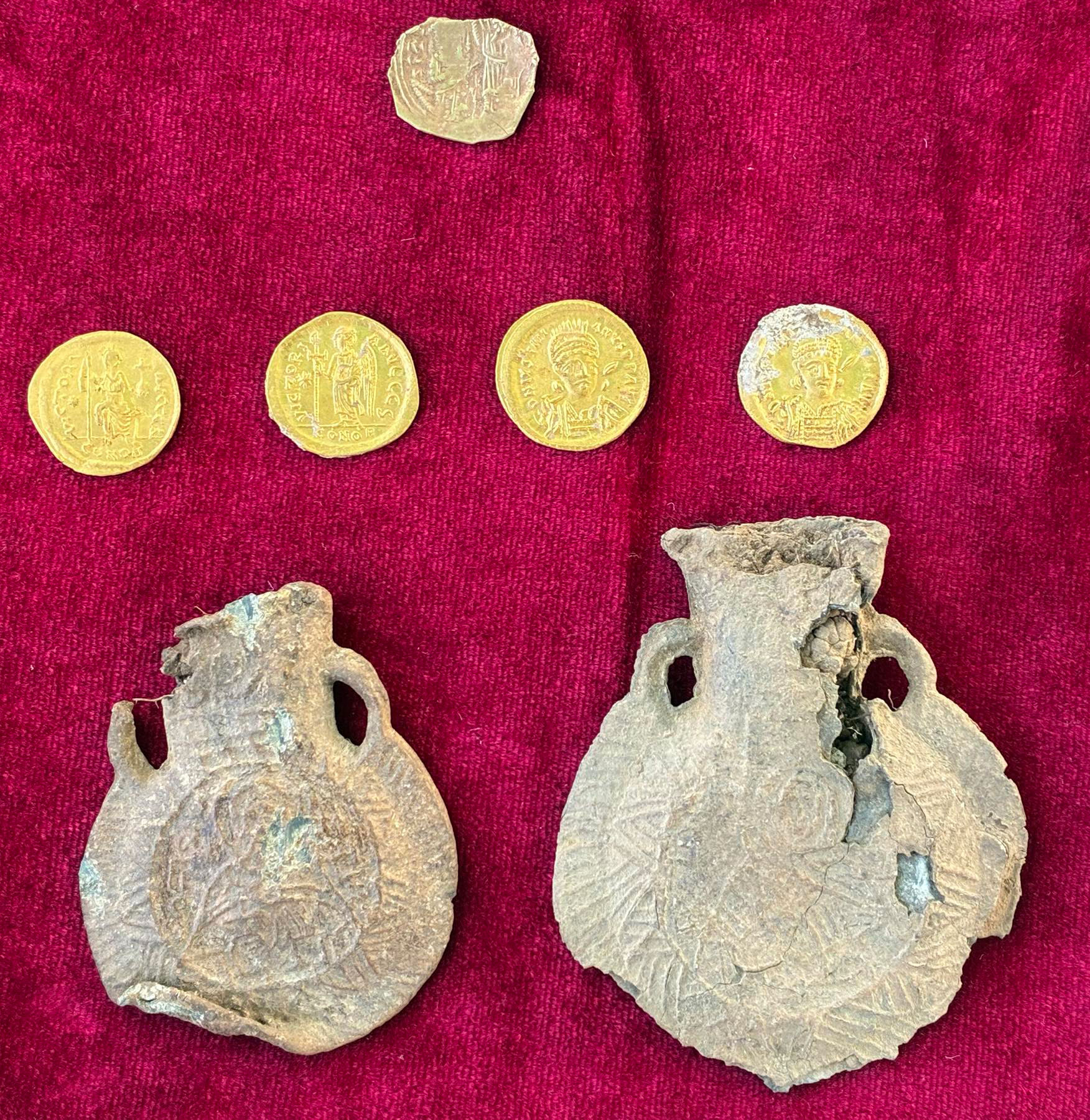
With over 400 newly discovered valuable historical artefacts, the archaeological expedition “Kaliakra 2025”, led by the director of the National Historical Museum, Assoc. Prof. Dr. Boni Petrunova, is coming to an end in a few days. During their two months of work, the scientists continued their work in the Golden Necropolis and managed to clear the Quarter of the Rich. Among the most valuable artifacts are rings with pentagrams, gold coins, and over 50 silver coins dating from the 6th to the 14th century.
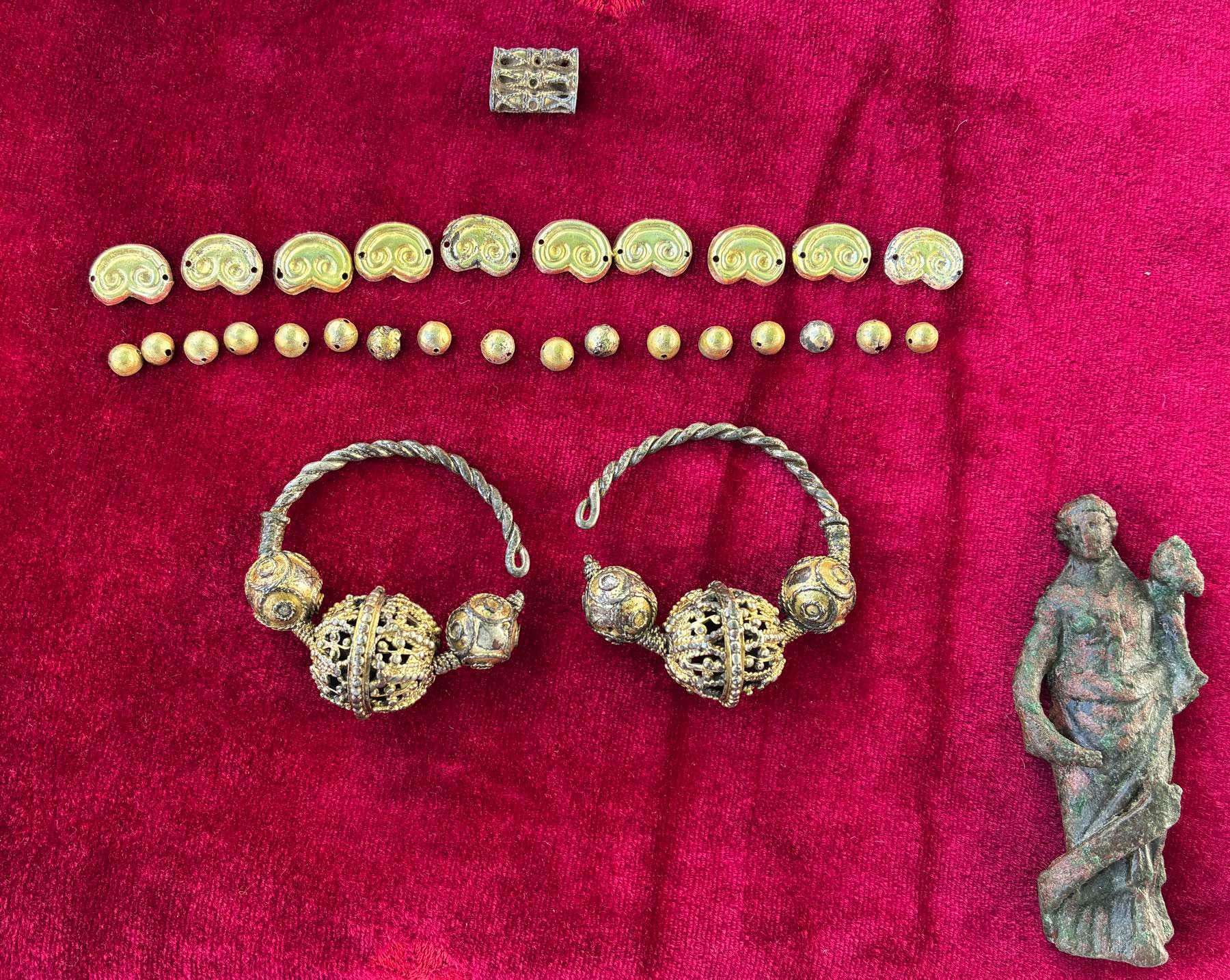
According to Dr. Philip Petrunov, archaeologists are particularly interested in two ampoules found in very good condition bearing the images of St. Demetrius and St. Theodora. An ampoule is a lead vessel used to store blessed myrrh from a holy place. Pilgrims carried them as a blessing from their journey to famous holy sites. It is important to note that about 30 such ampoules have been found so far, most of which have reached us in extremely poor condition. Therefore, this discovery will provide new information about this type of object. Among the valuable finds that will enrich our knowledge about the people who inhabited the ancient fortress is a reader with two earrings, distinguished by their exceptional beauty. Among the valuable discoveries that will enrich our knowledge of the people who inhabited the ancient fortress is a necklace with two earrings, distinguished by their exceptional filigree workmanship. They were found in the tomb of a young woman in the Golden Necropolis. After those found in 2007 and 2012, this is the third such piece of jewelry discovered in Kaliakra. At the end of last month, Docent Dr. Boni Petrunova discovered a valuable statuette from the Greco-Roman pantheon, associated with the cult of Isis-Fortuna (Kyuche).
The importance of the capital of the Dobrujan Despotate is also evidenced by the coin found with the images of John V and his mother Anna of Savoy.
During the expedition, new information signs were made for the Kaliakra archaeological reserve, and according to the director of the historical museum in Kavarna, Penko Georgiev, the museum on the cape is also to be modernized.