The Mogilanska tumulus- a burial complex of a Thracian ruler from the 4th century BC.
This year marks the 60th anniversary of the discovery of the golden Thracian treasure from the Mogilanska tumulus. It was half-ruined and located in the courtyard of a house in the centre of the old part of Vratsa when archaeological research was conducted in 1965-1966.
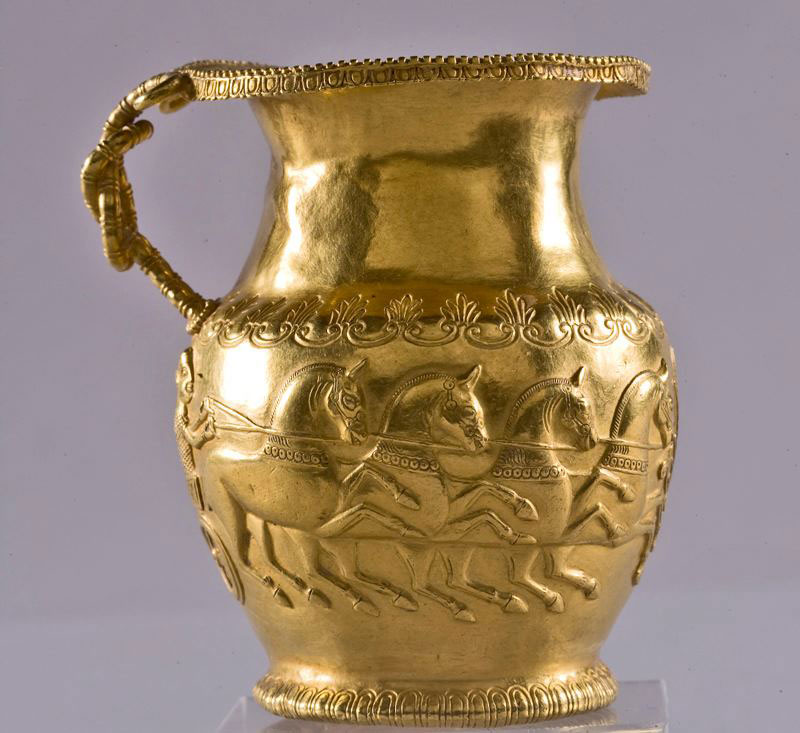
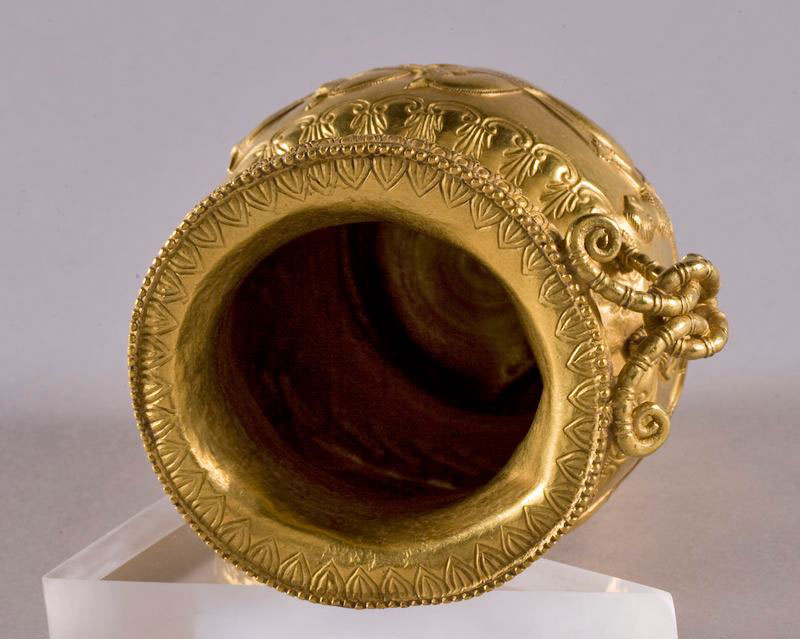
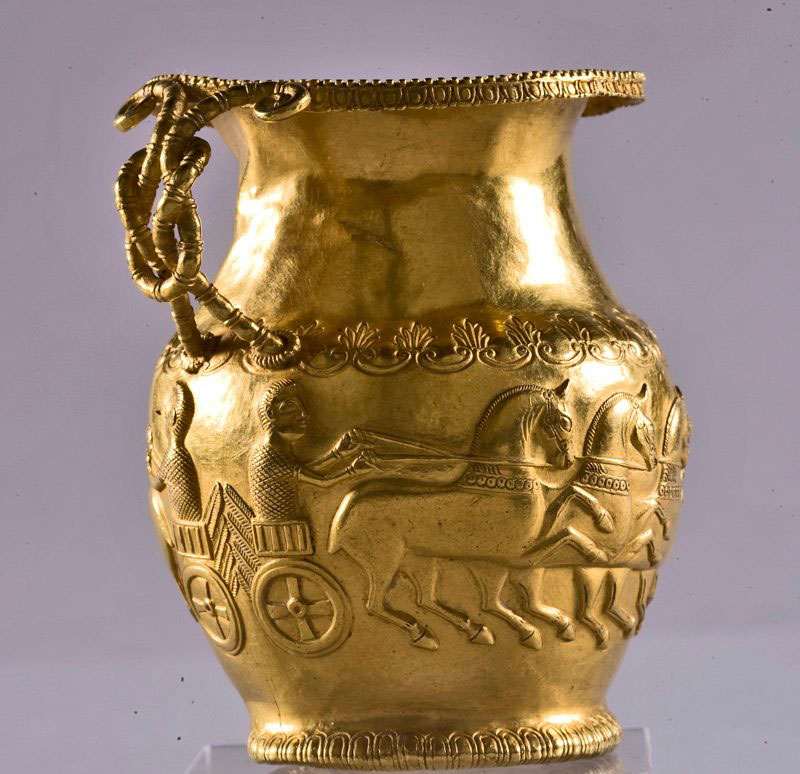
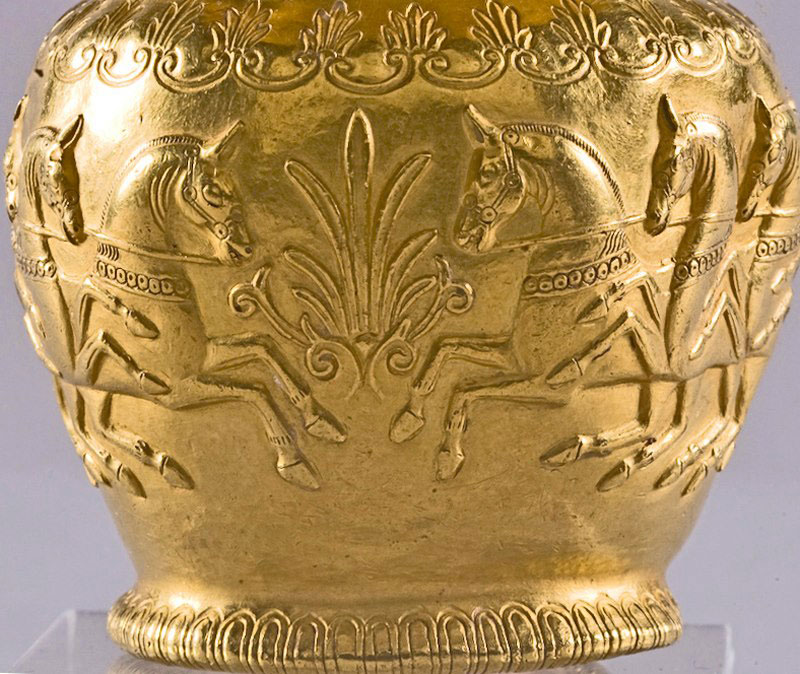
According to historians, this is the royal treasure of the Thracian tribe known as Triballi, dating back to the 4th century BC. Some of the vessels bear inscriptions with the name of the Odrysian ruler Kotys I.
Three tombs were discovered beneath the mound. One had been looted in ancient times, while the other two were relatively well preserved. The most interesting finds are in grave 2, where a chariot with two horses harnessed to it was found, both of which had been ritually slaughtered. Behind the chariot, another horse skeleton was found, which had been used for riding. Around its remains, a silver-plated bridle and silver appliqués, parts of the horse’s harness decoration, were found. Next to the horse, there was a skeleton of a young woman, probably one of the servants, who was ritually killed along with her master during the ceremonies.
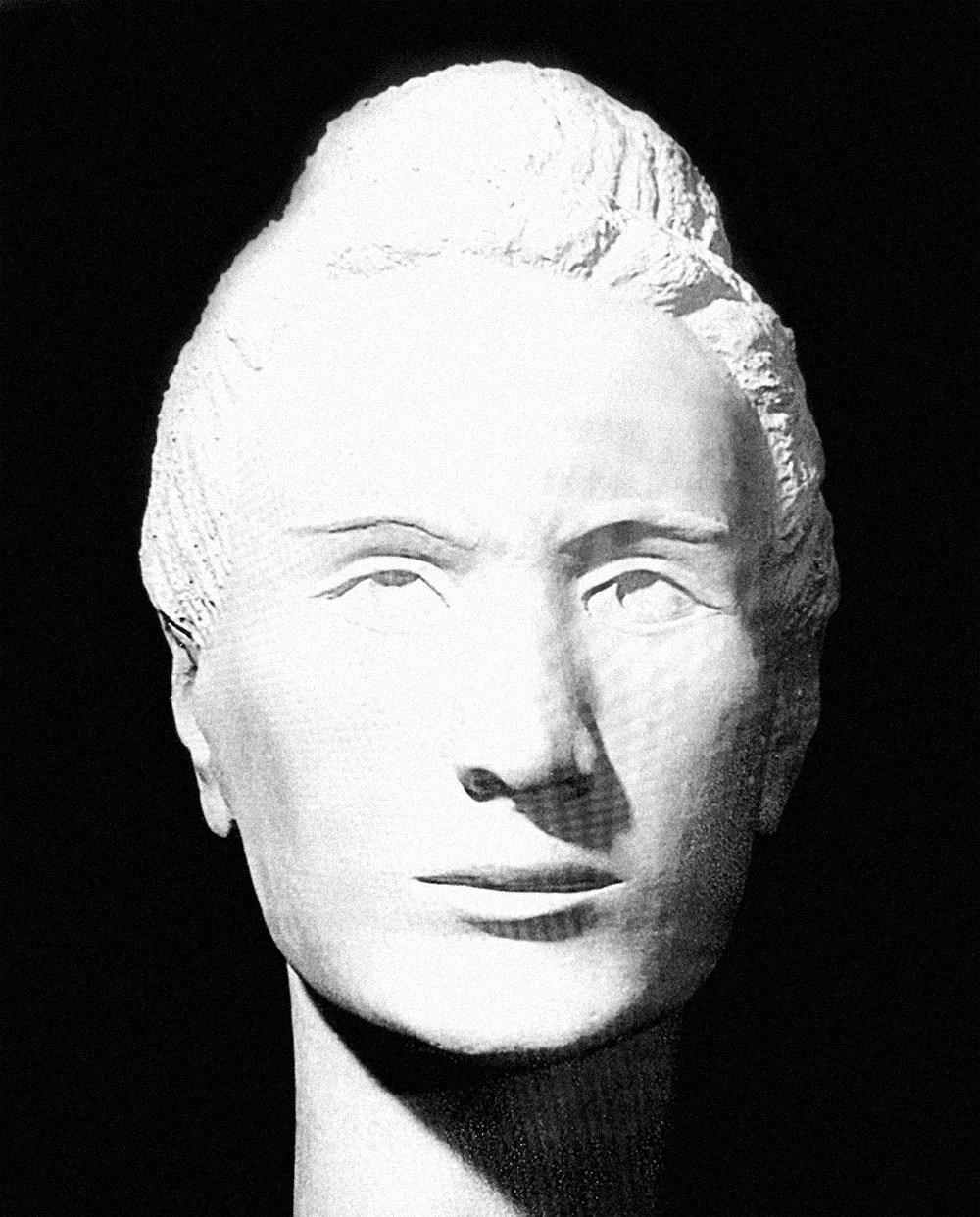
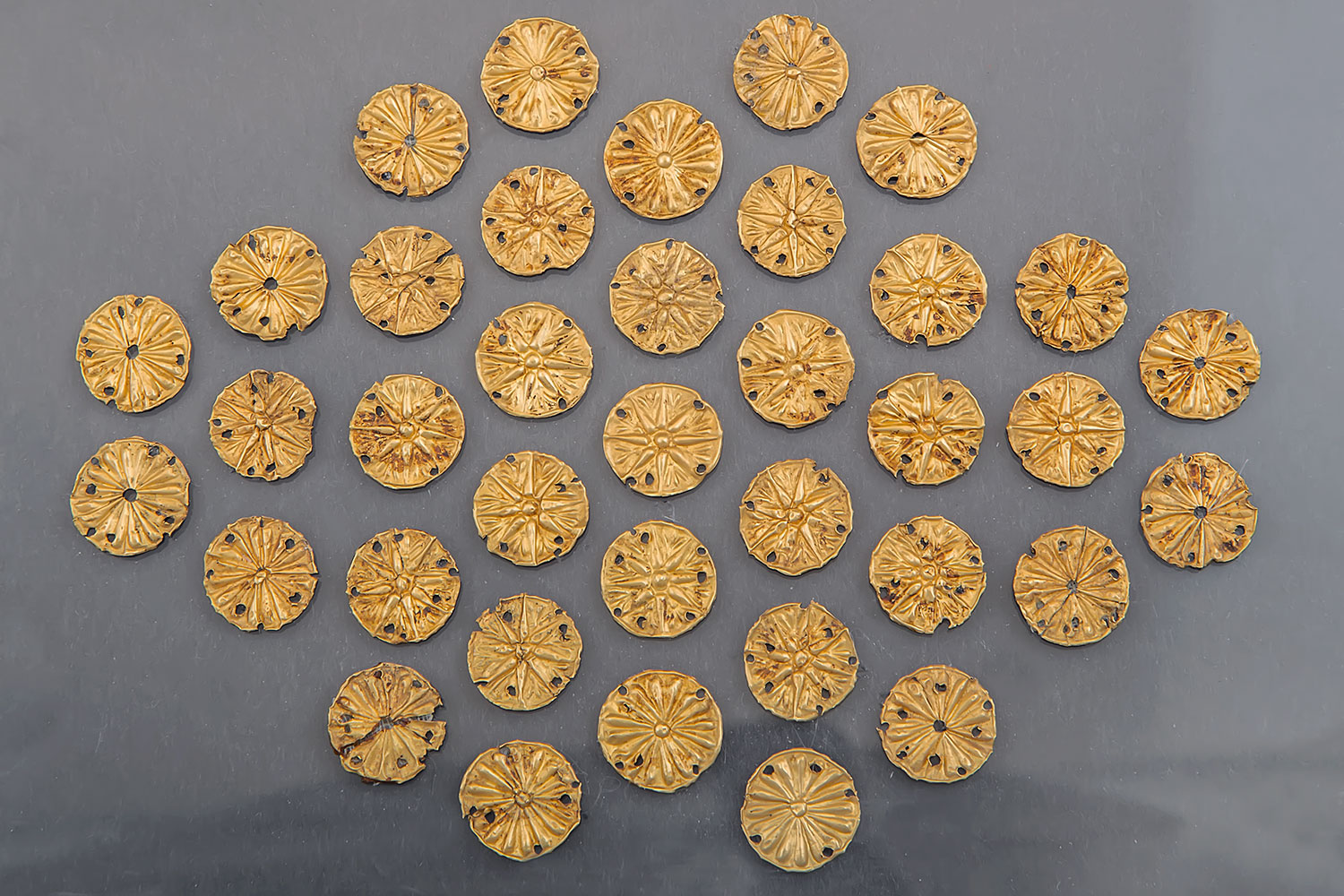
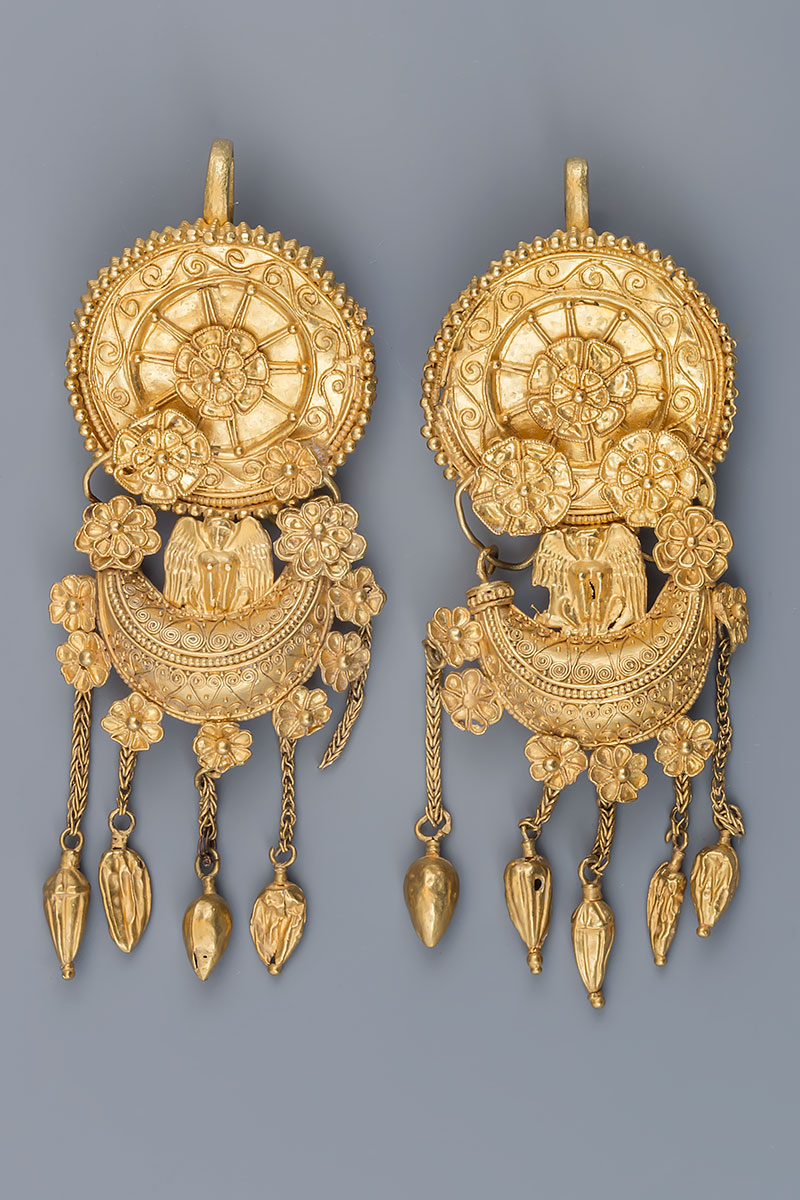
The most valuable of the finds from Vratsa is the golden wreath that adorned the head of a Thracian princess 2,500 years ago. The golden wreath was complemented by massive golden earrings, exquisitely decorated at the lower part with figures of sphinxes and plant ornaments. Another 47 gold appliqués were found on and around the head. It is believed that the appliqués were attached to a veil that covered the girl’s head, but the veil has not been preserved. A mirror was placed in her left hand. The skeleton of the young girl, a princess, was about 150 cm tall.
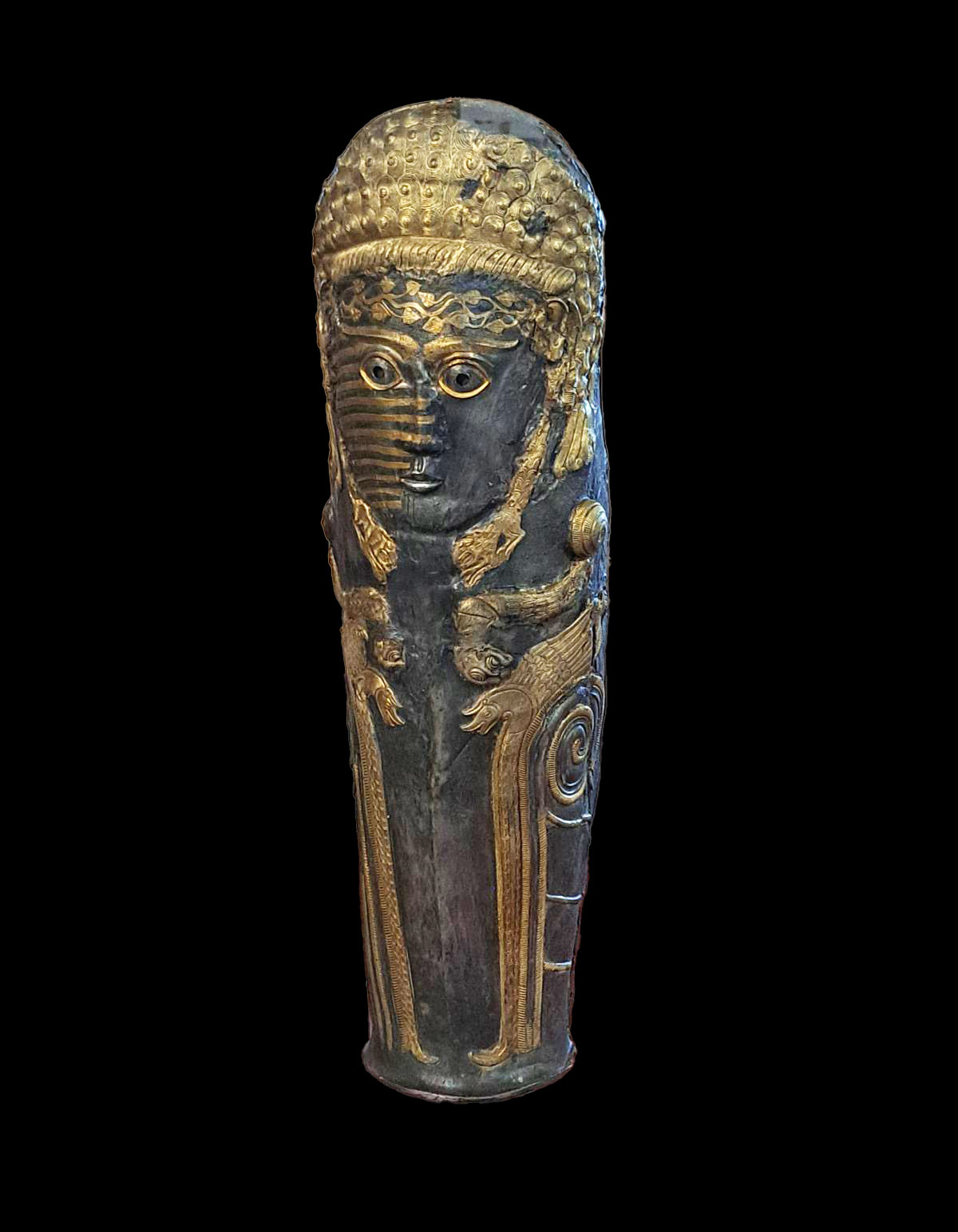
Next to her were found the remains of a man – a warrior along with his weapons. The grave goods are complemented by four silver phialae, a silver jug, a rhyton-amphora, a set of magical clay figurines and other finds. An emblematic find from the Mogilanska tumulus is the silver knemida with gold inlays depicting the image of the Mother Goddess. Her forehead is adorned with a wreath, and her ears with magnificent earrings. Interestingly, the jewellery found in the tomb replicates them with great accuracy. Experts believe that the unique craftsmanship is evidence of a local master craftsman. One of the mysteries of the treasure is related precisely to the knemida – why there is only one. Similar situations have been documented in the Zlatinitsa-Malomirovo tumulus, as well as in three other sites in Romania. The knemida is a symbol of royal power.
Some of the discovered objects can be seen in Hall №2 of the National Museum of History.
Excavations continue there today. New excavations in the area of the tumulus began after the demolition of an old house so that an residential building could be constructed. The archaeological research that halted construction will continue until the end of the week.
Text: Mihaela Zaneva