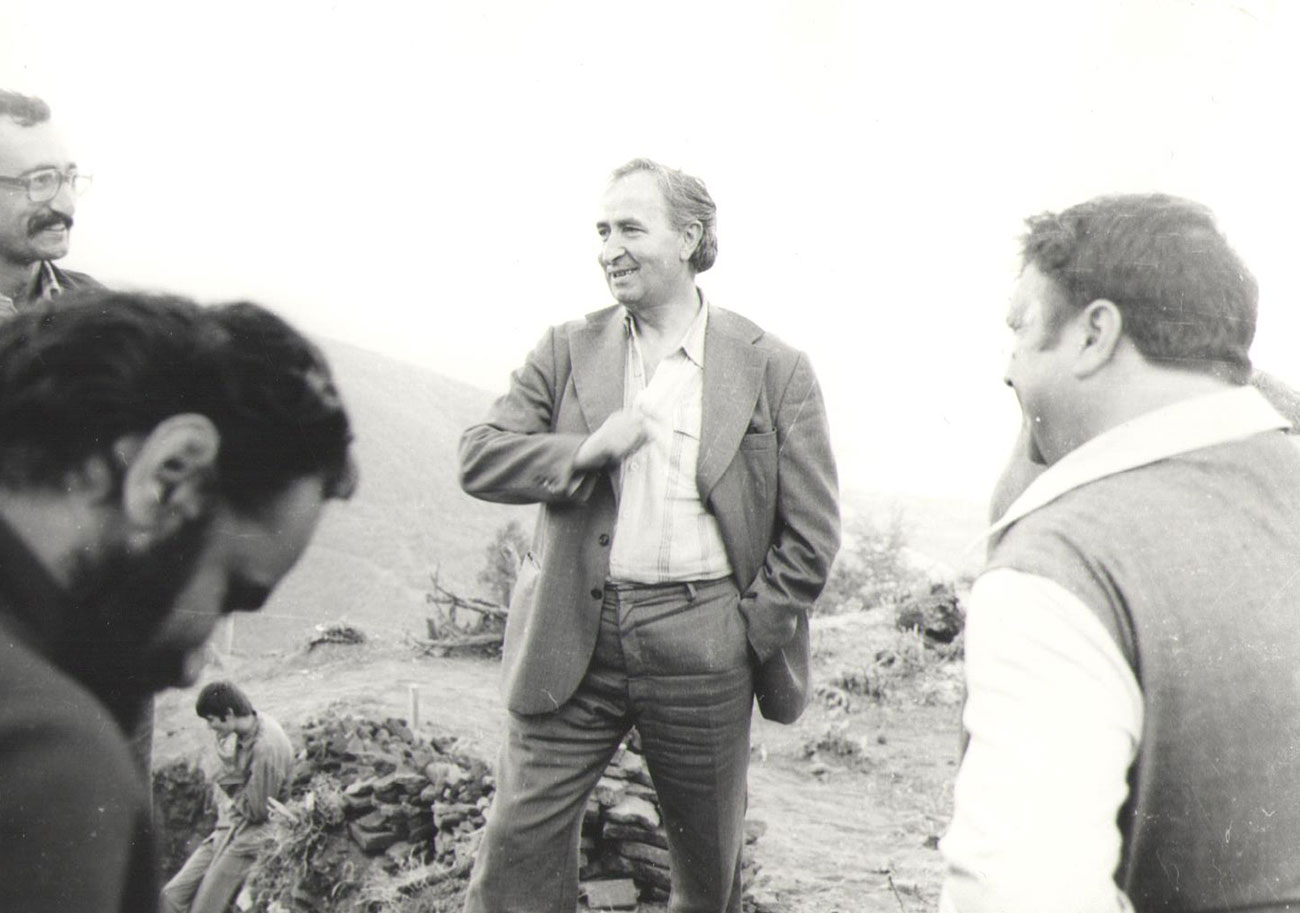
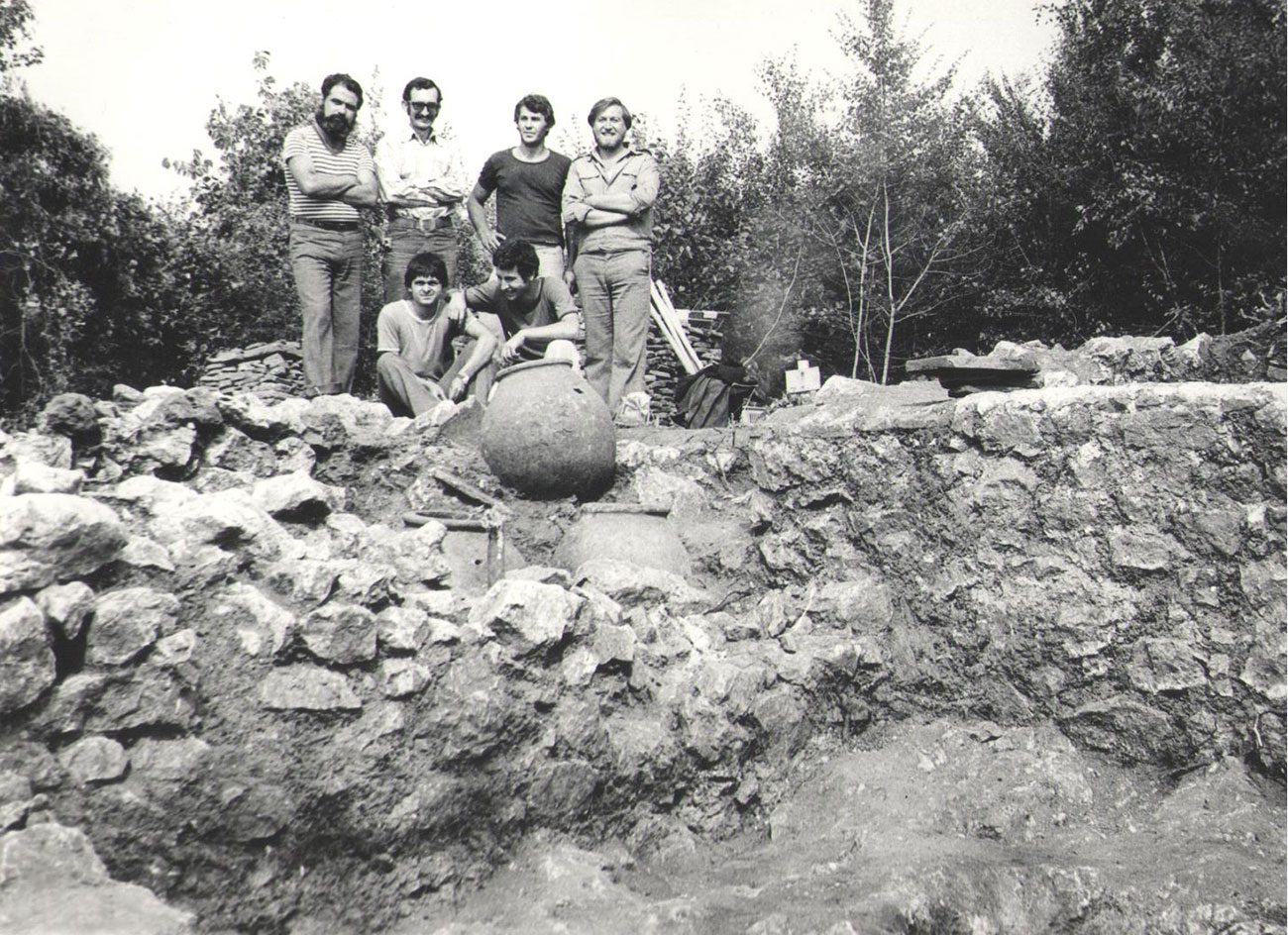
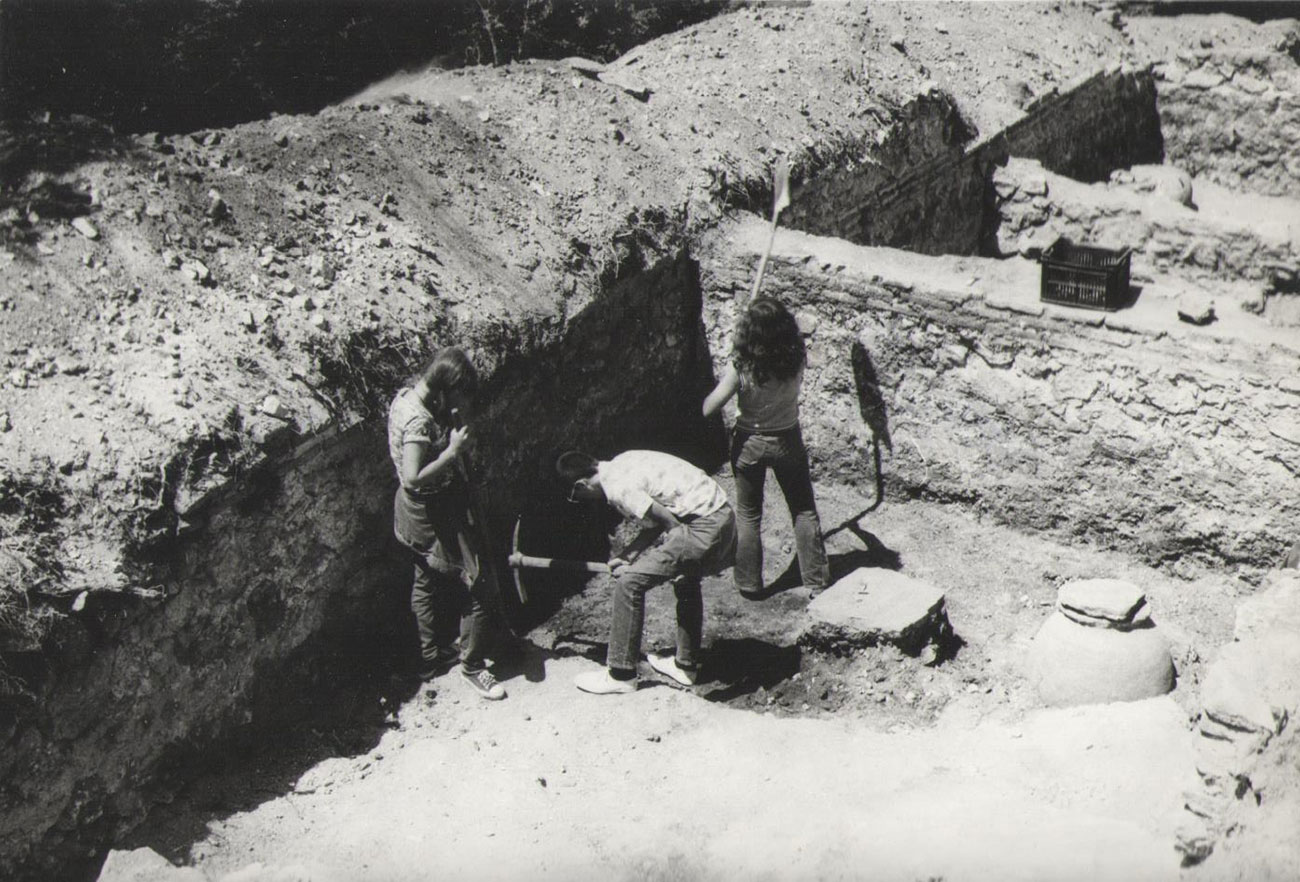
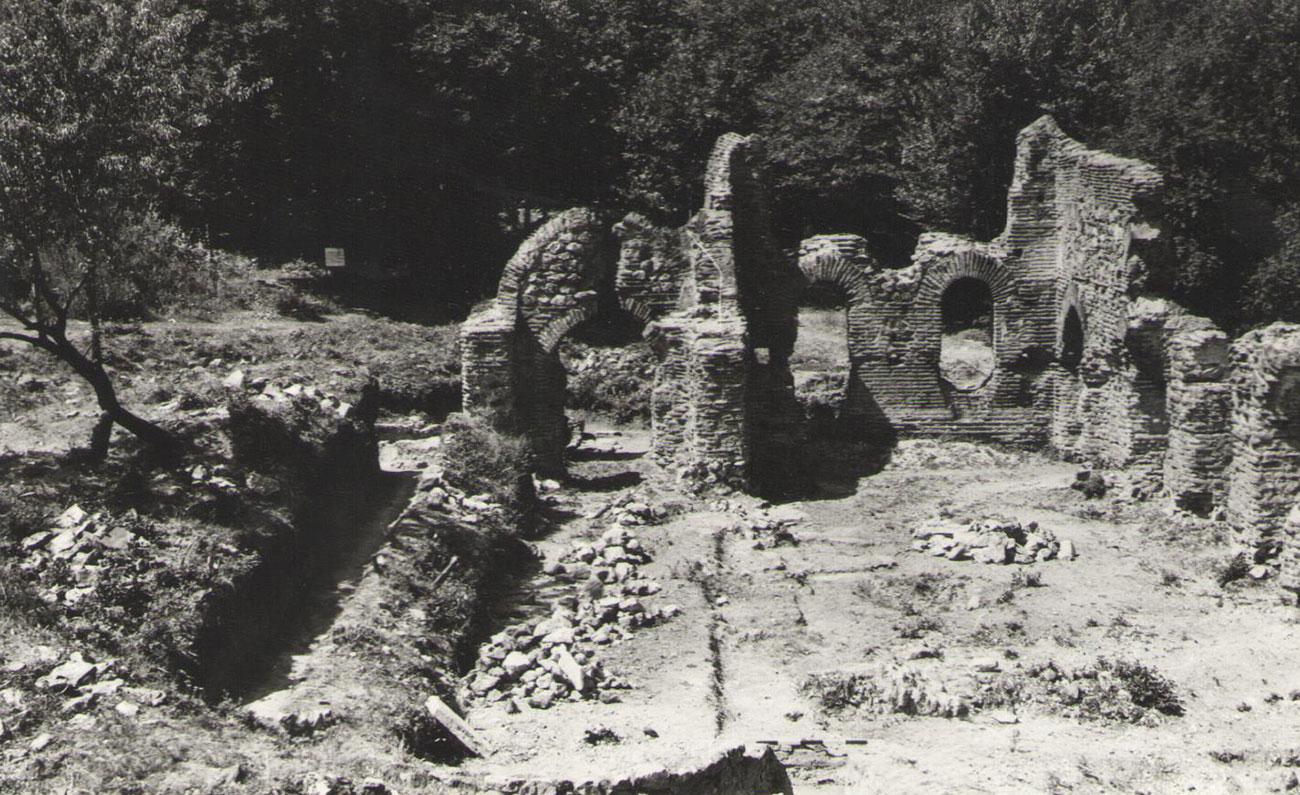
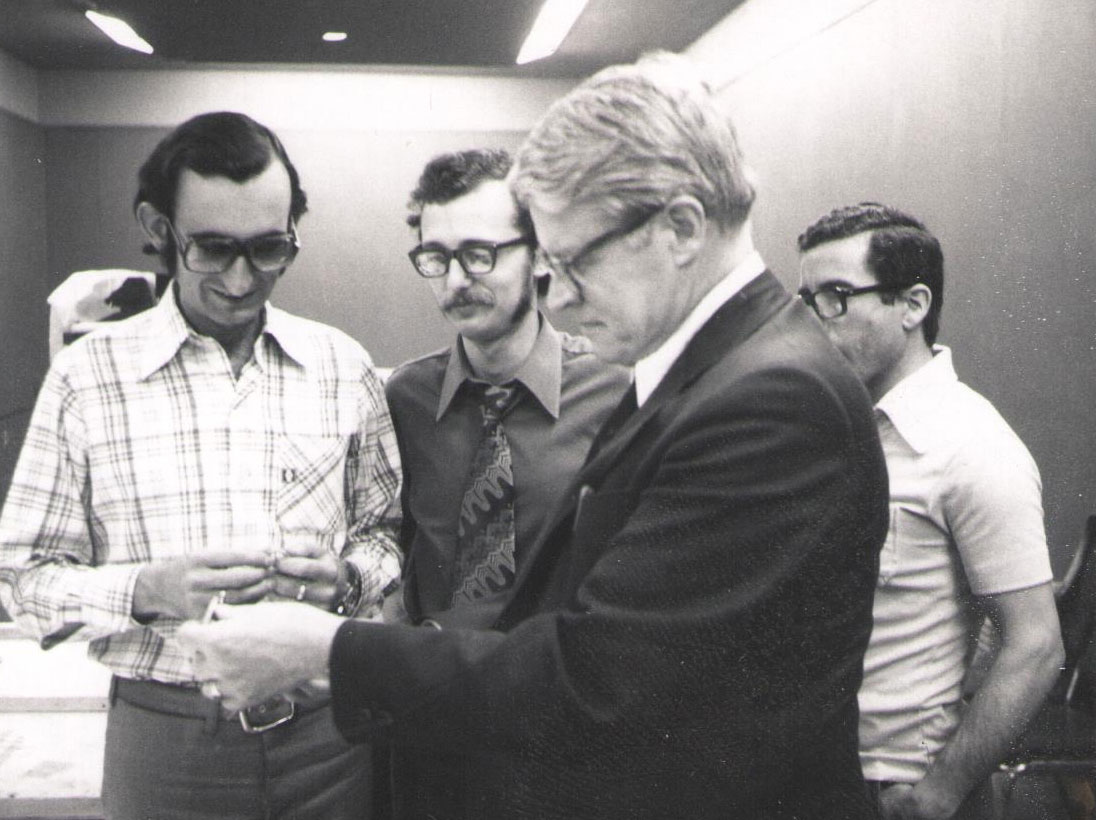
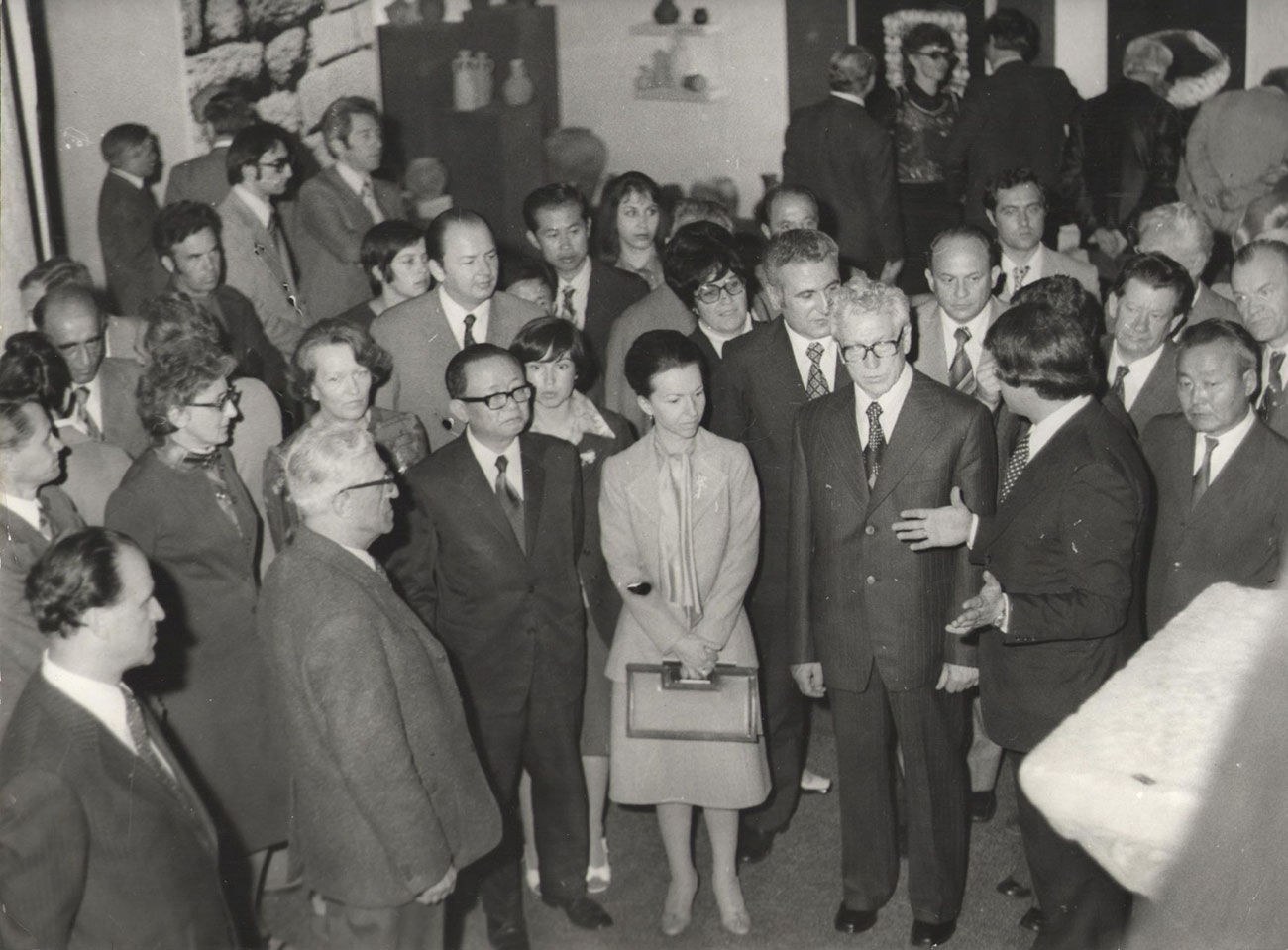
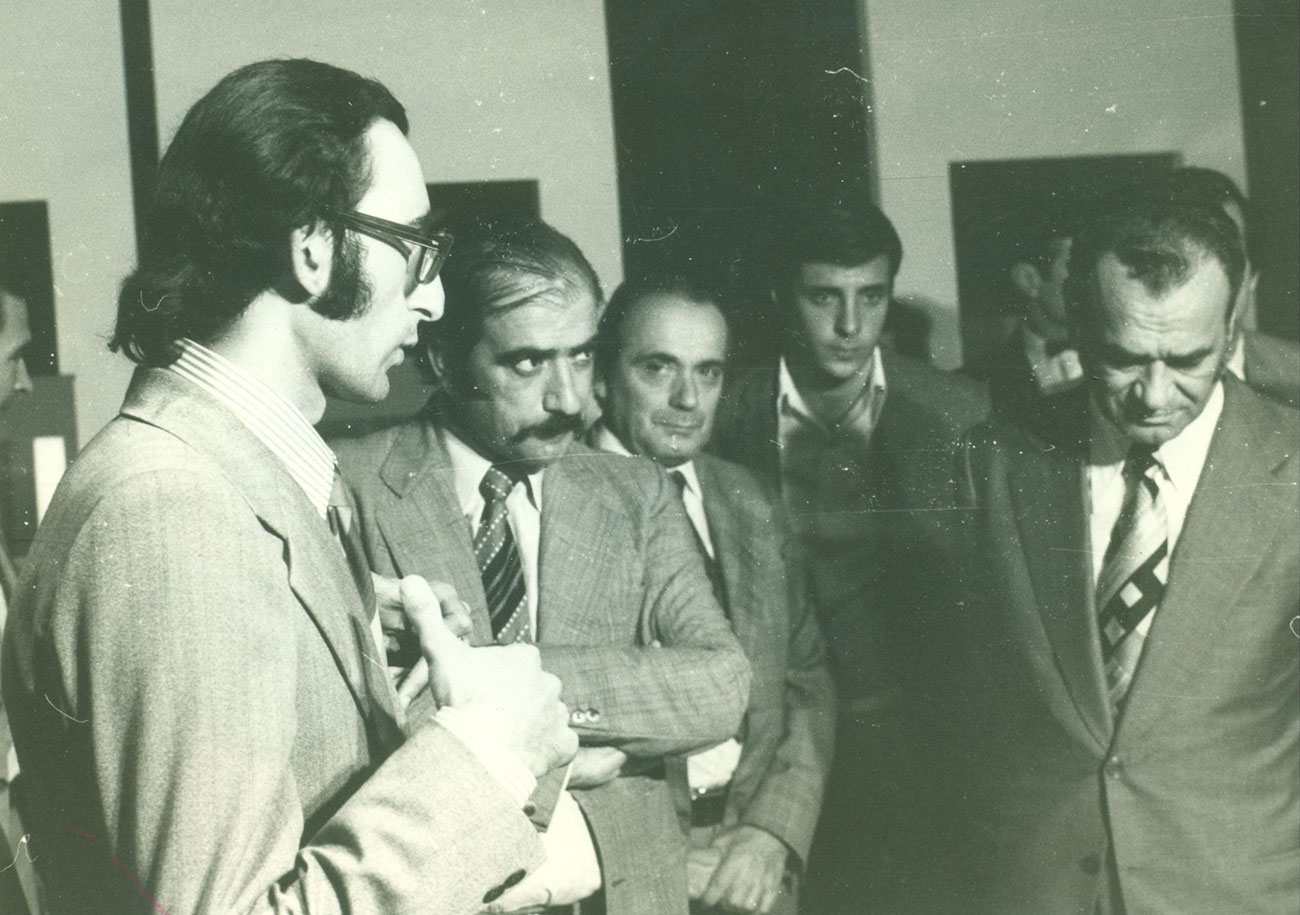
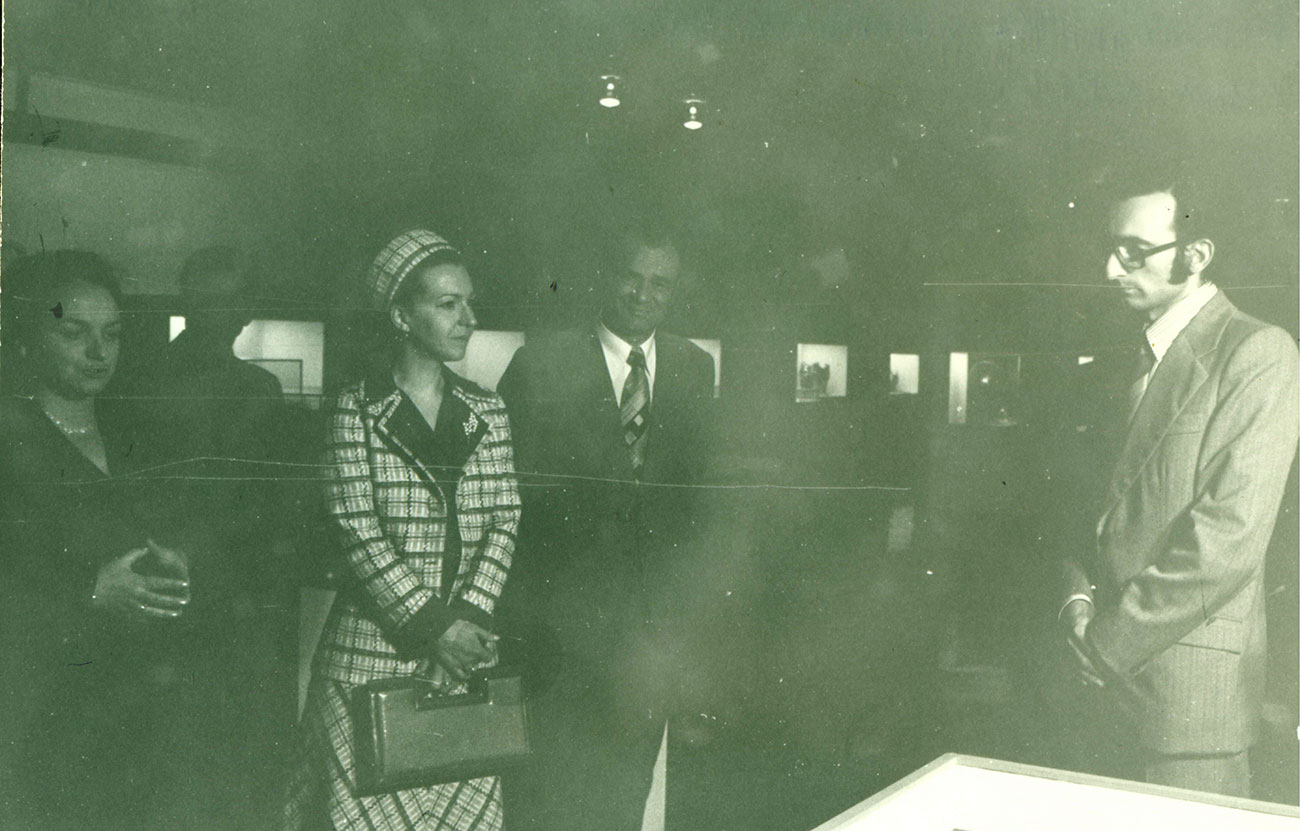
The story in pictures, the beginning
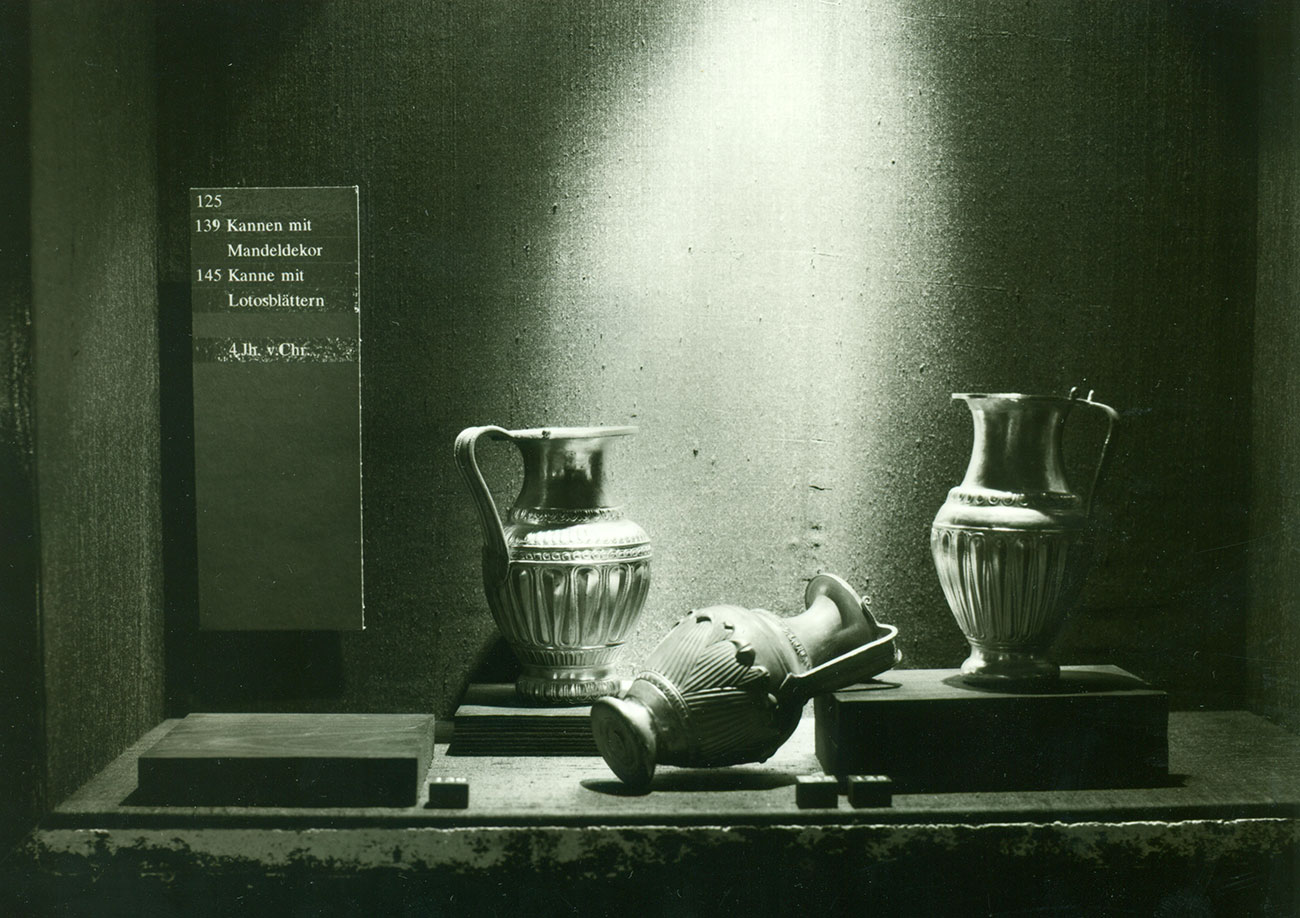
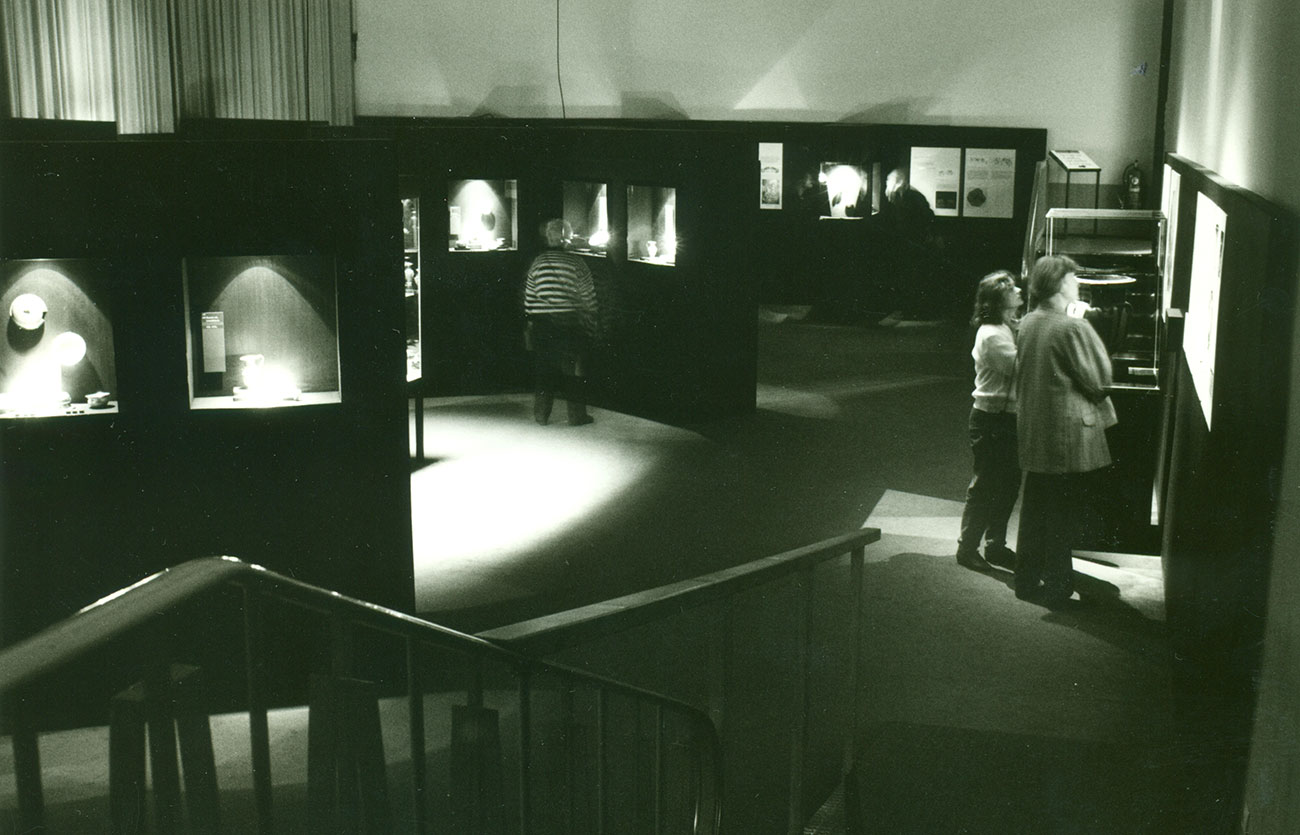
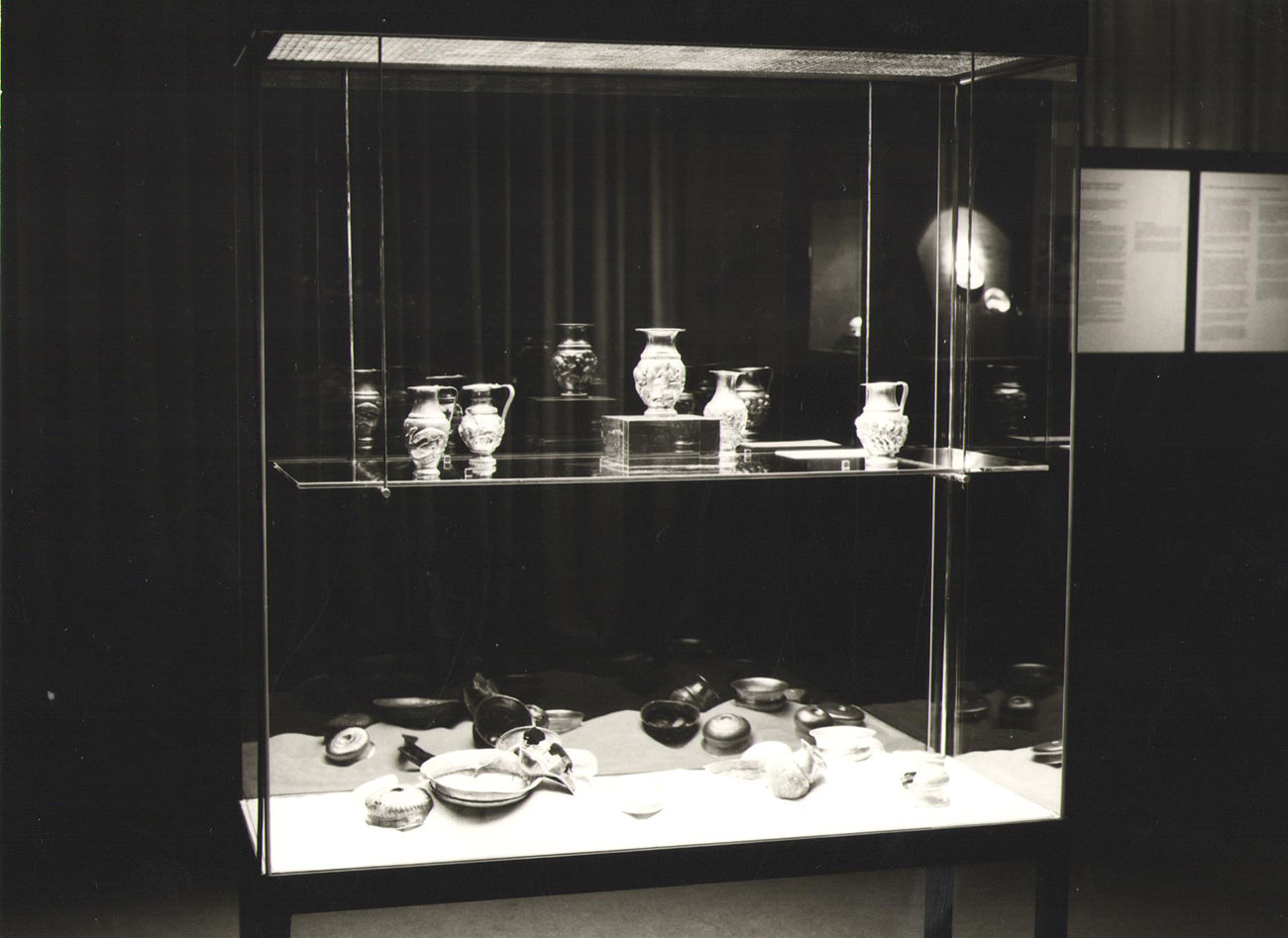
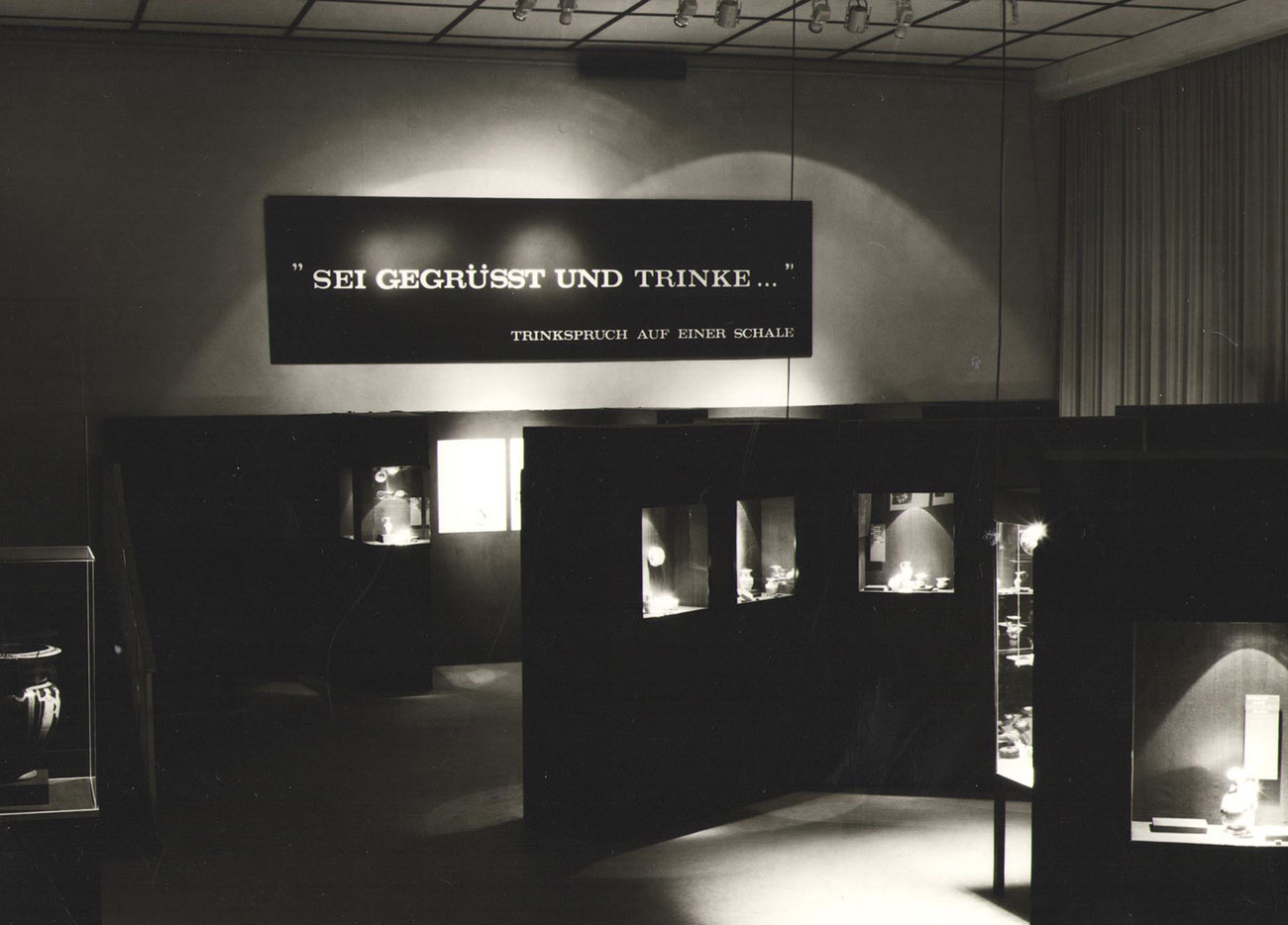
The gallery includes 70 photos. When you open any of the ones shown below, you can view all the other documentary footage.

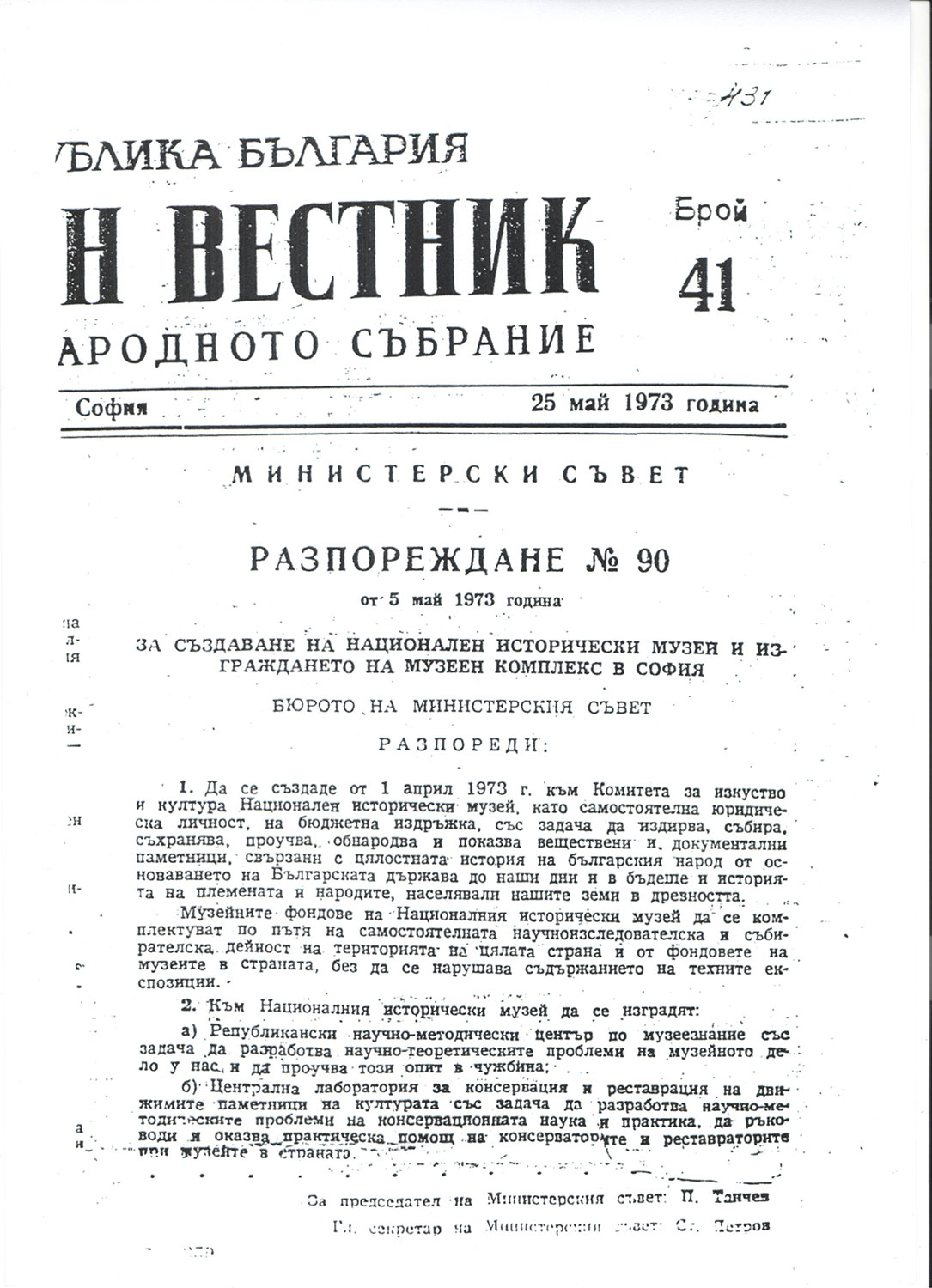
25 май 1973 г. В брой на „Държавен вестник” е публикувано Разпореждане №90 на Министерския съвет за създаване на Национален исторически музей

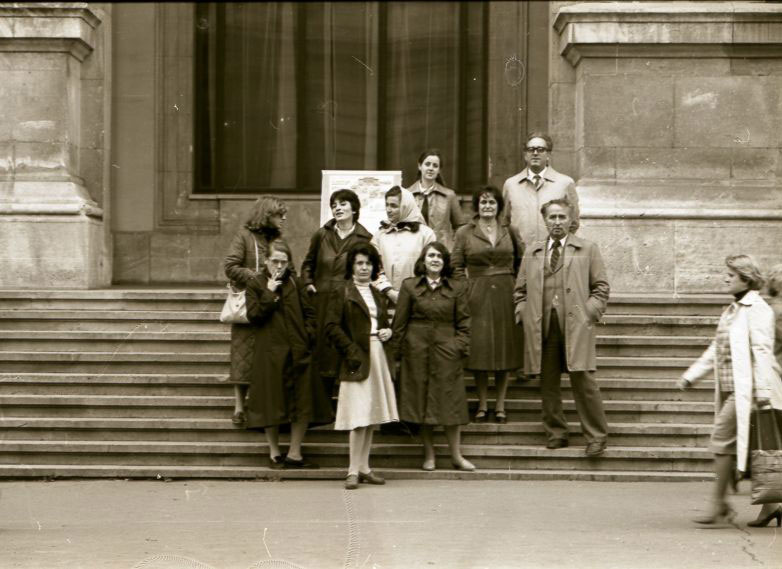
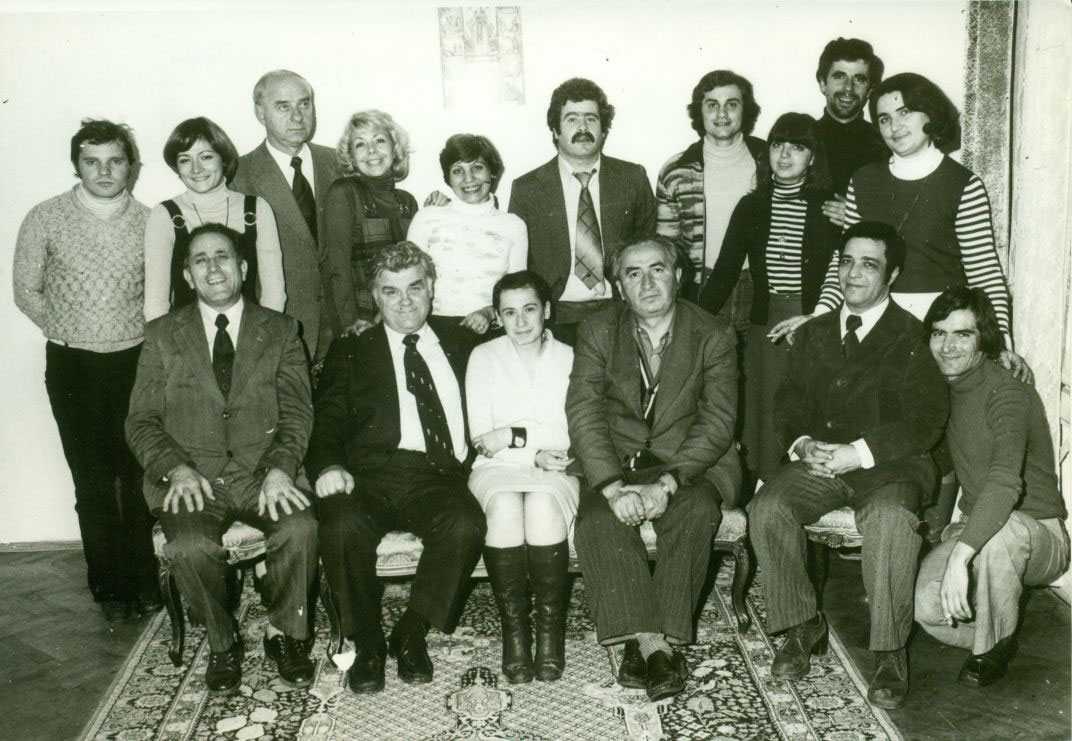
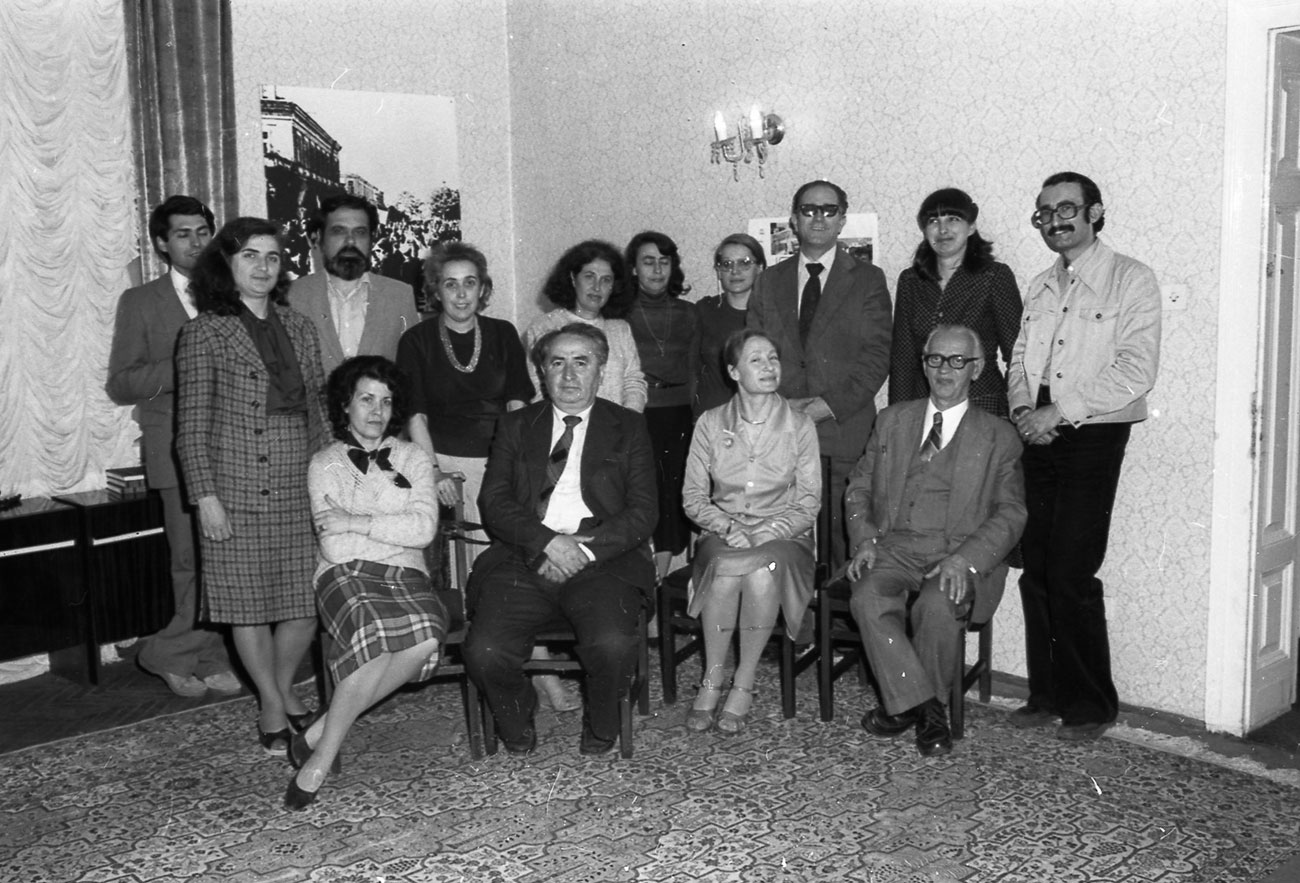
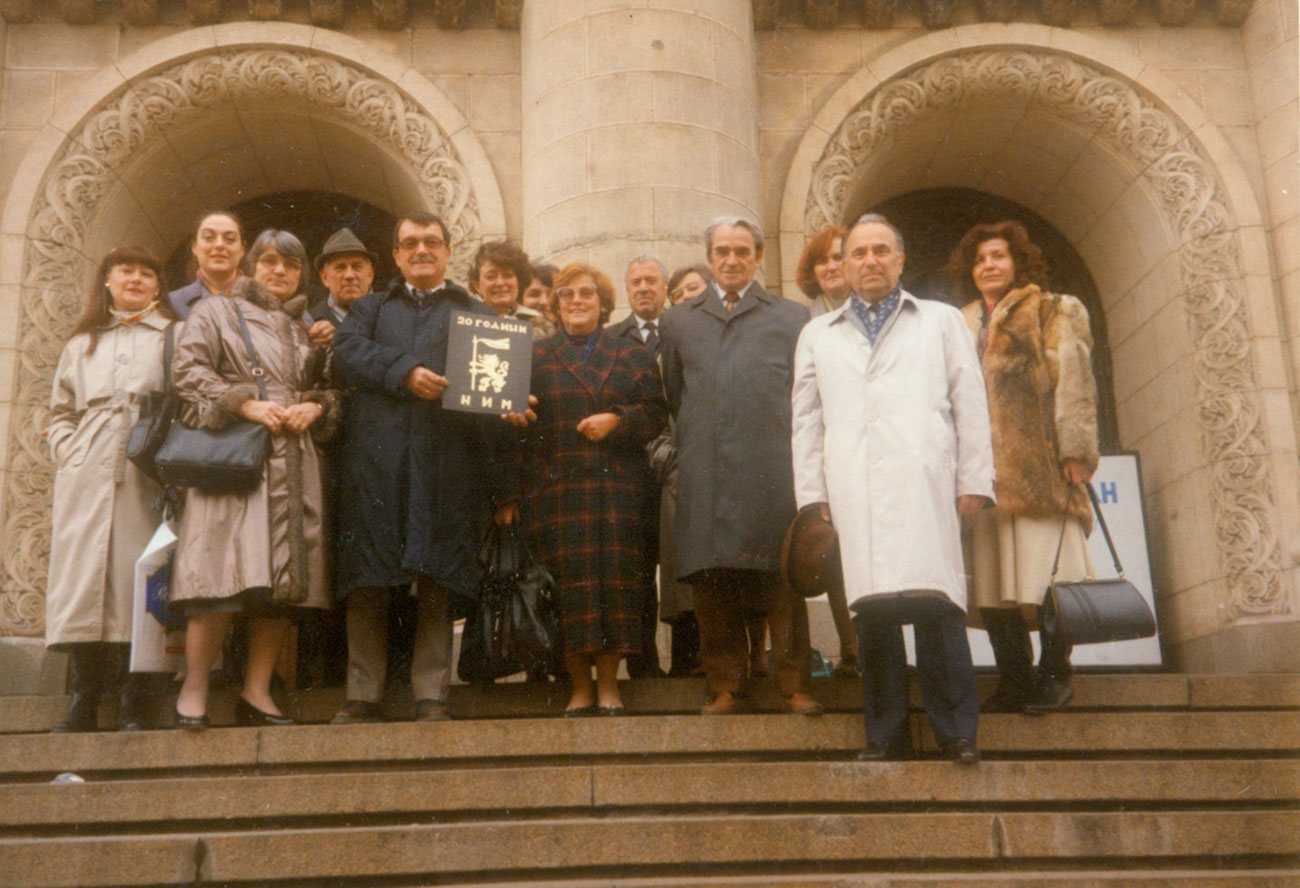
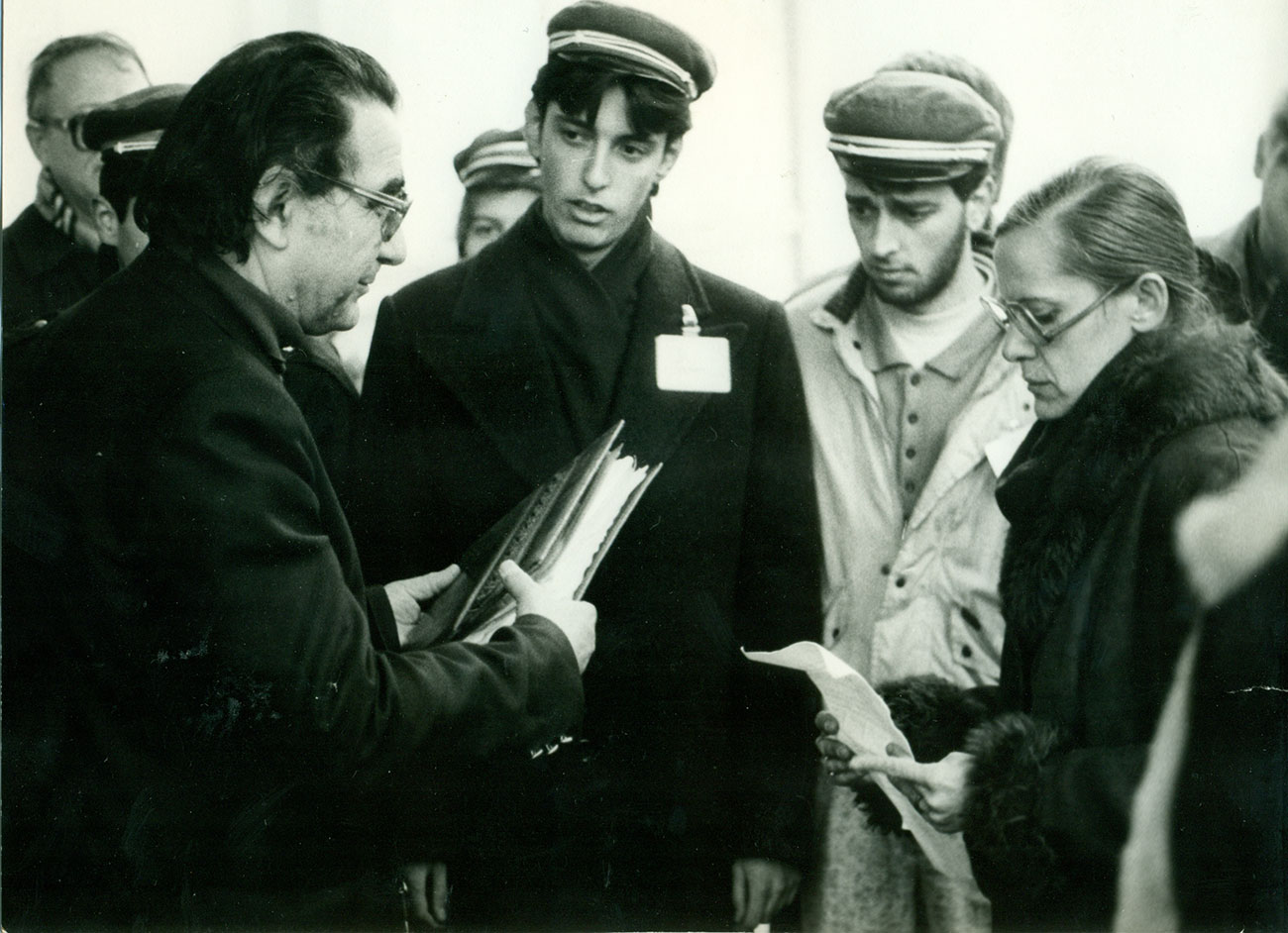
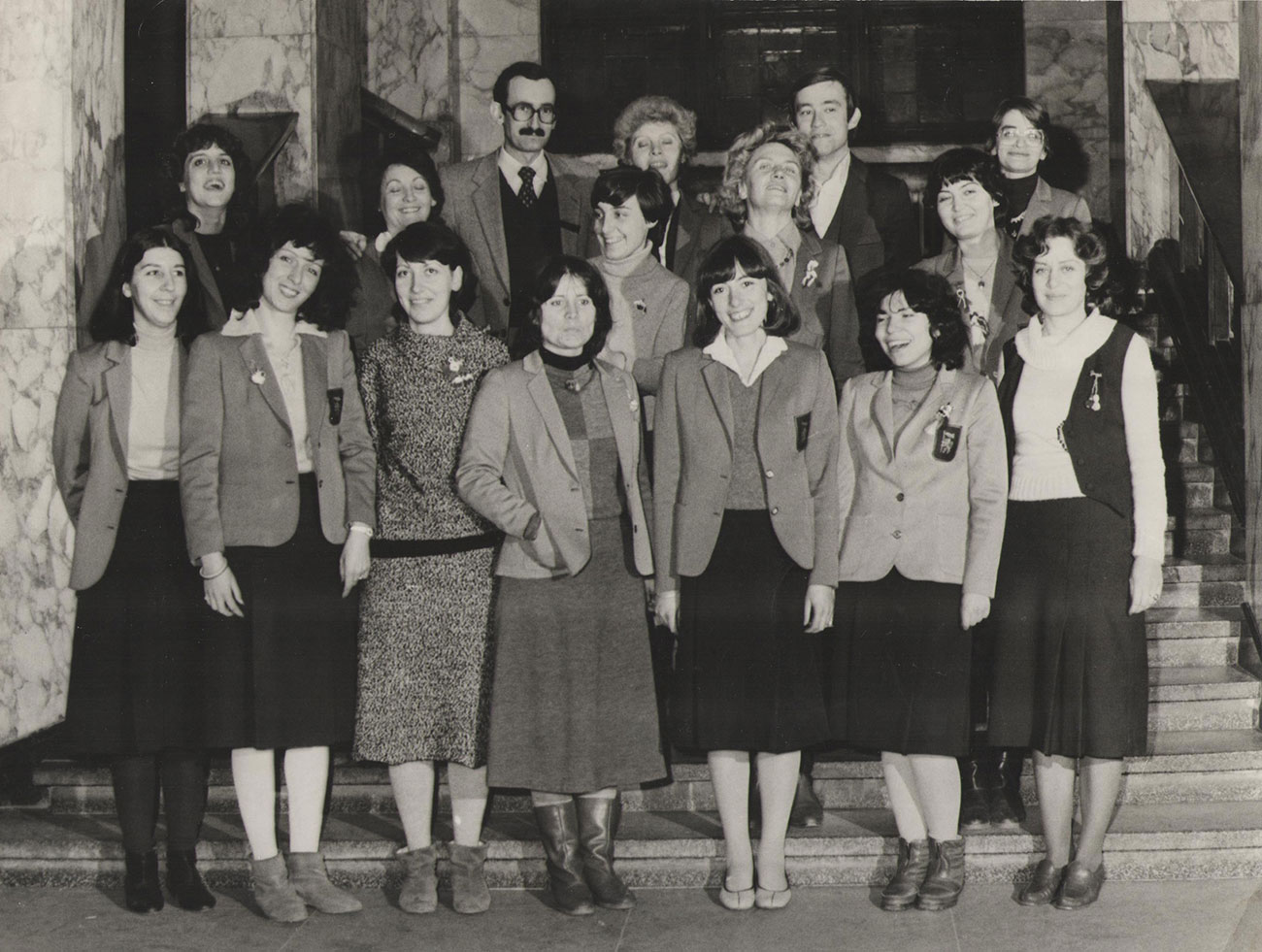
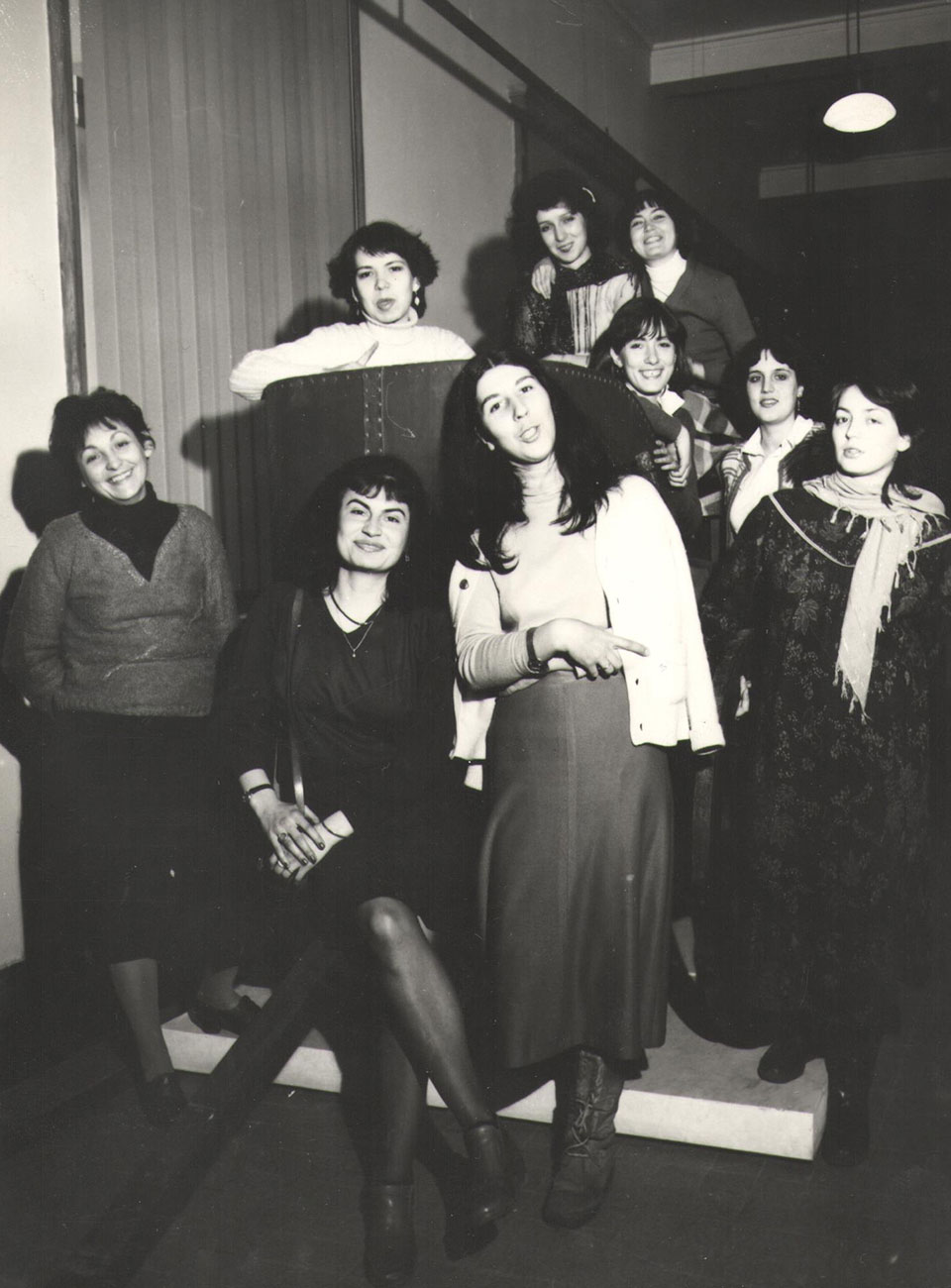
. 1983 г. Командировка на екип на НИМ в Букурещ, в румънския Национален исторически музей
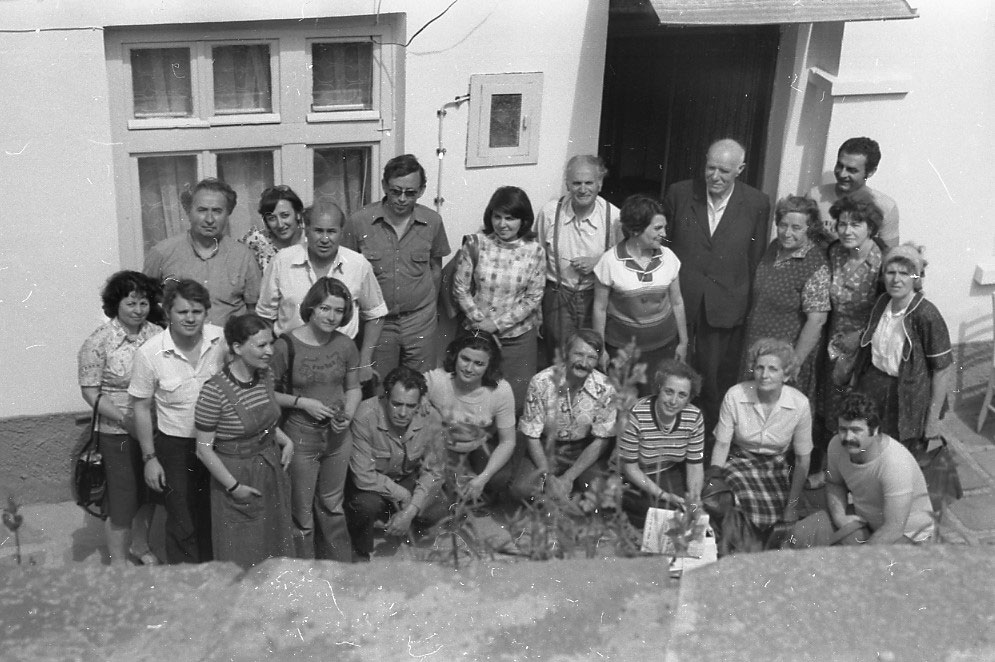
Първи ред: Мая Аврамова, Галина Германова, Здравка Ракова. Втори ред: Елка Пенкова, Ваня Костова, Вера Кирова, Лидия Михайлова, Анчо Анчев. Трети ред: Мария Златкова, Иван Драев

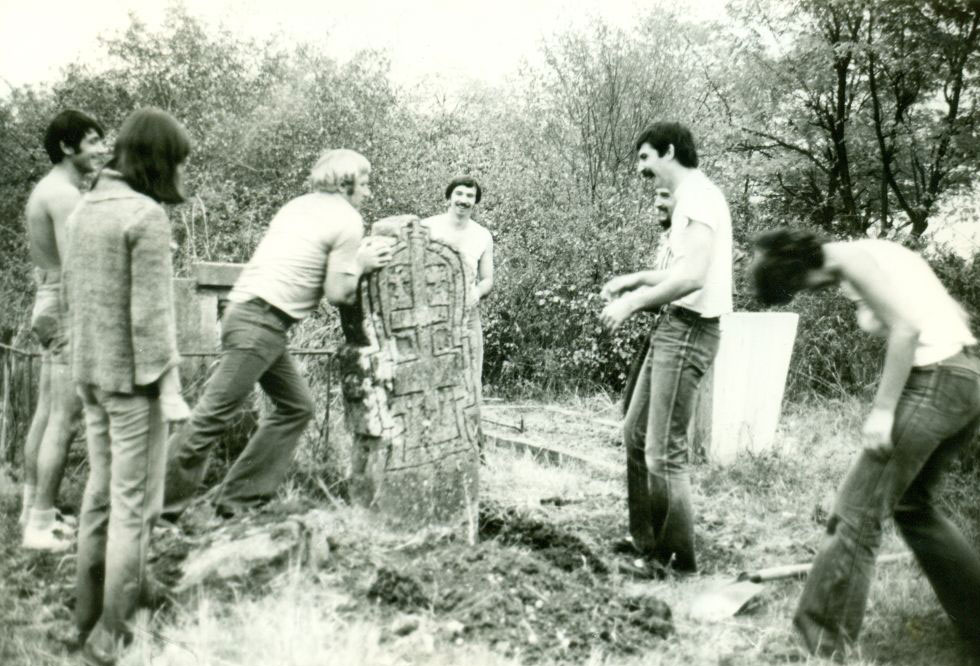
1981 г. Експедиция във Врачанско за събиране на надгробни паметници и оброци
Стефка Васева, Георги Кьосев, Георги Михайлов, Венци Гигов, Вера Керелезова и др.

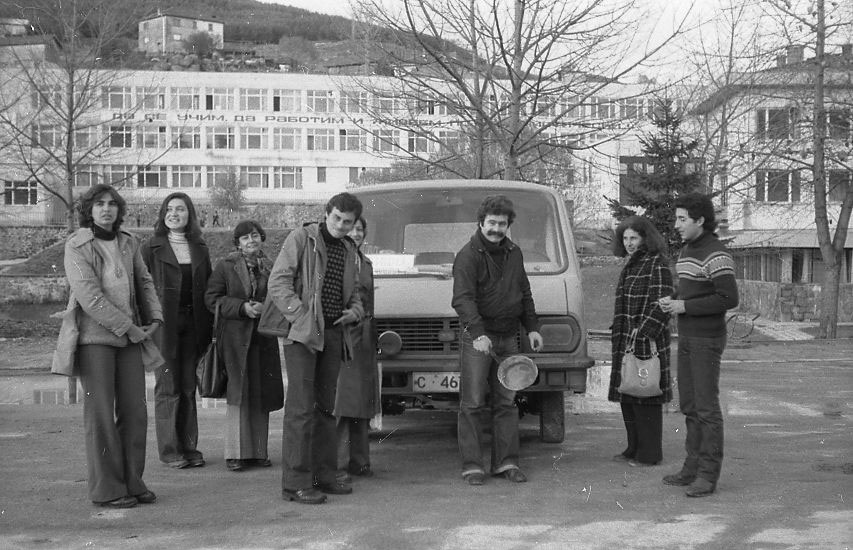
1979 г. Смолянска експедиция на НИМ в Западните Родопи (с. Змеица):
Пламен Чакъров, Виолета Димова, Димитър Петков, Стефка Васева, Миладин Бочев, Ивелина Генова, Ева Пеловска и Вера Керелезова

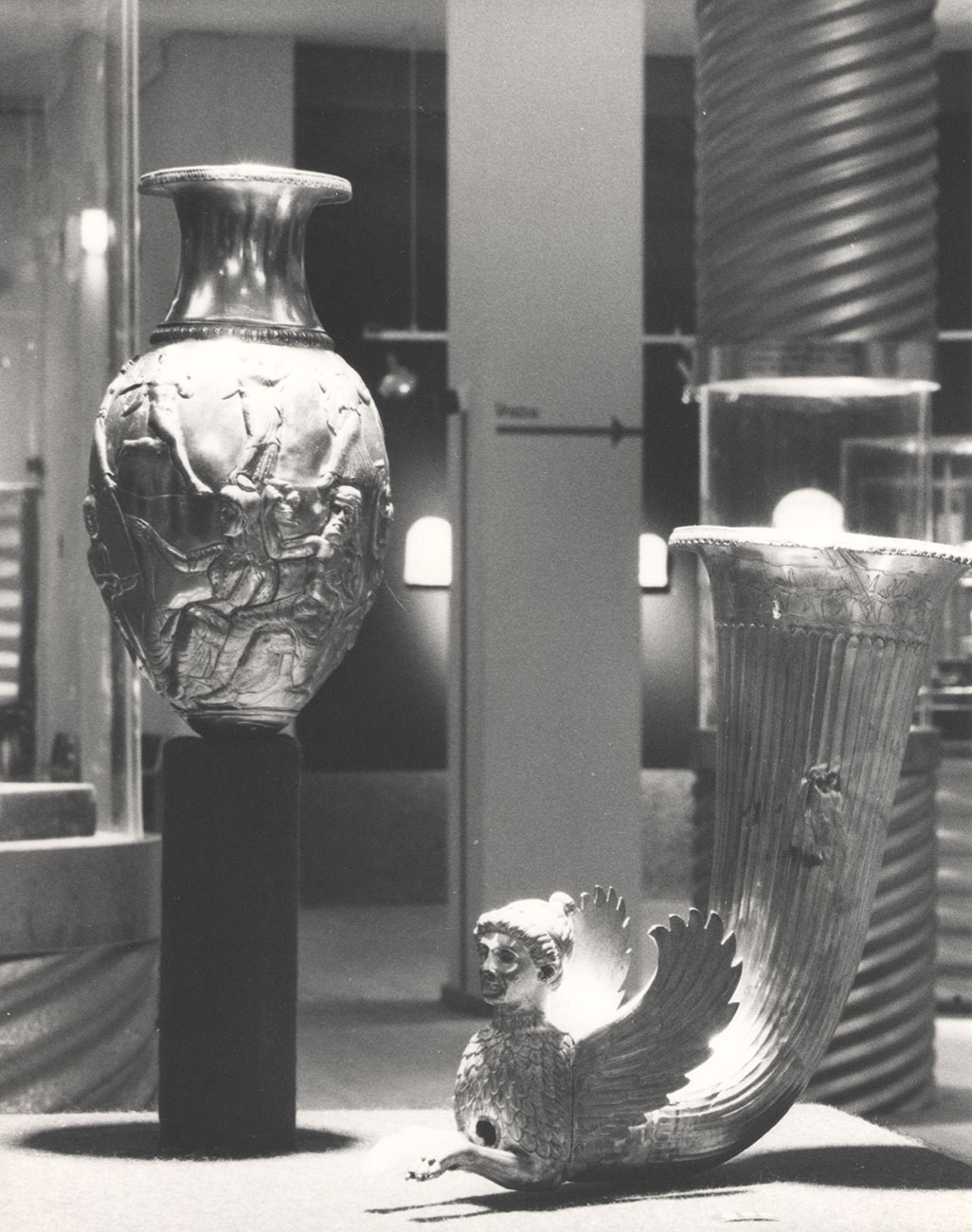
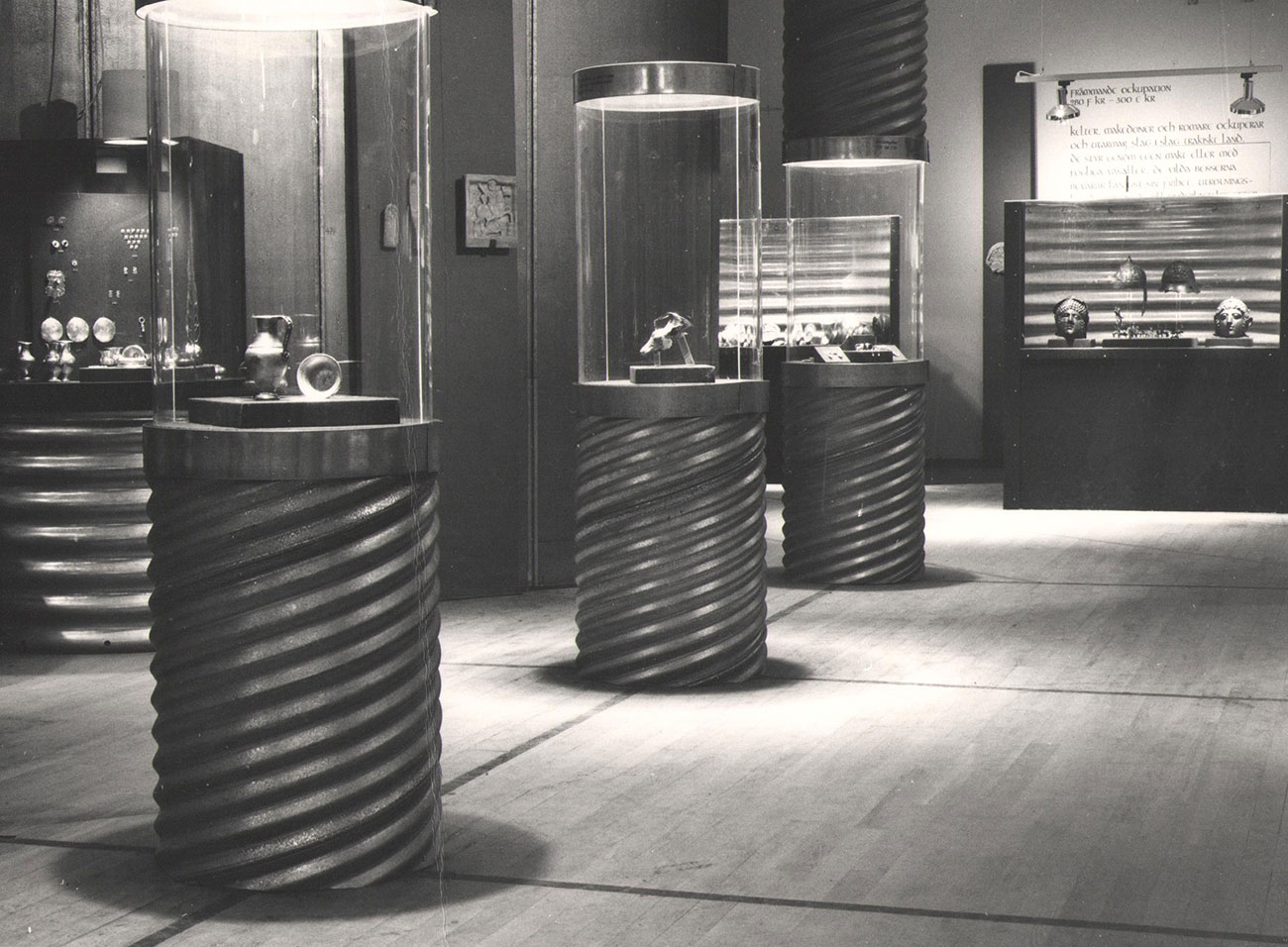
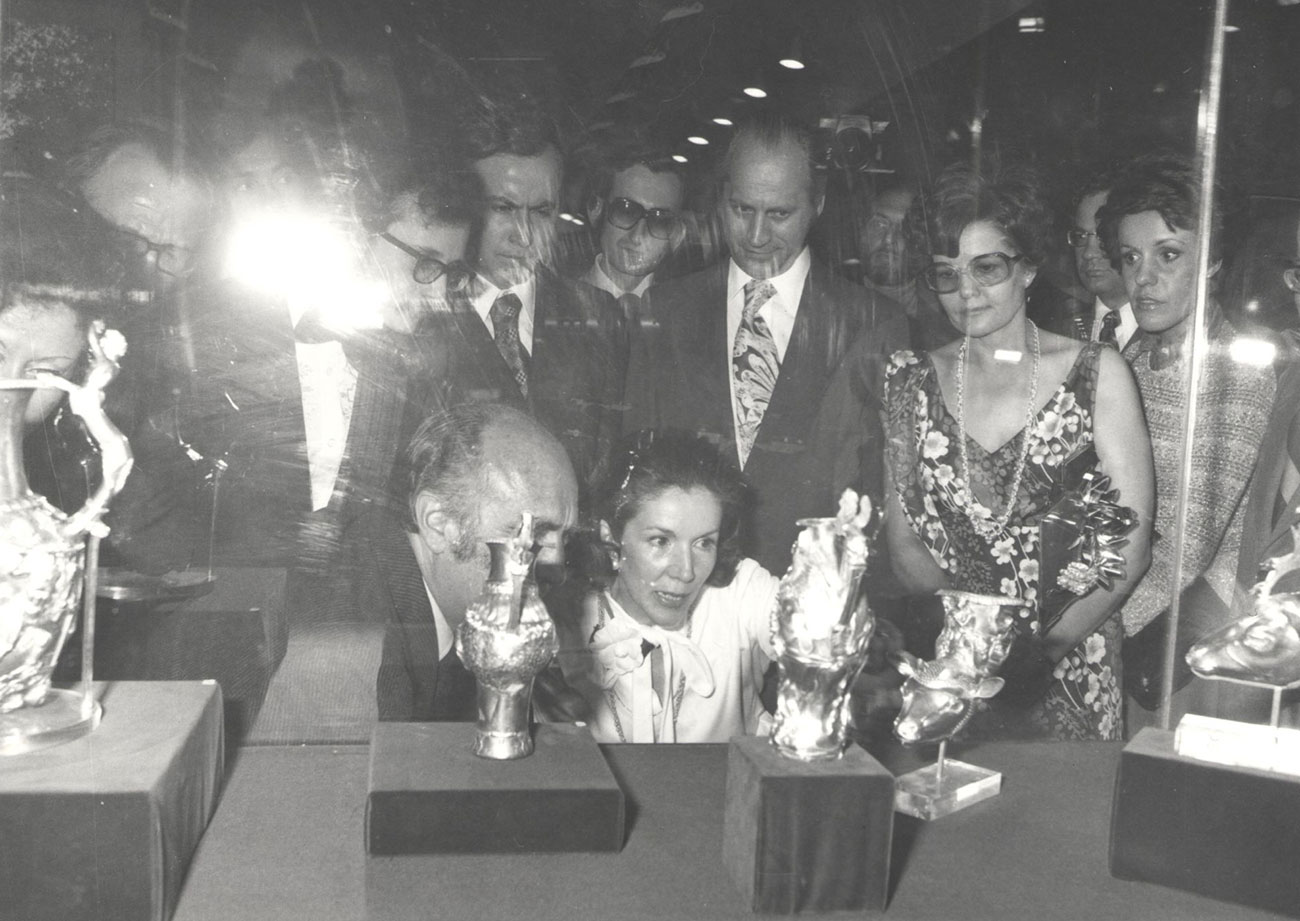
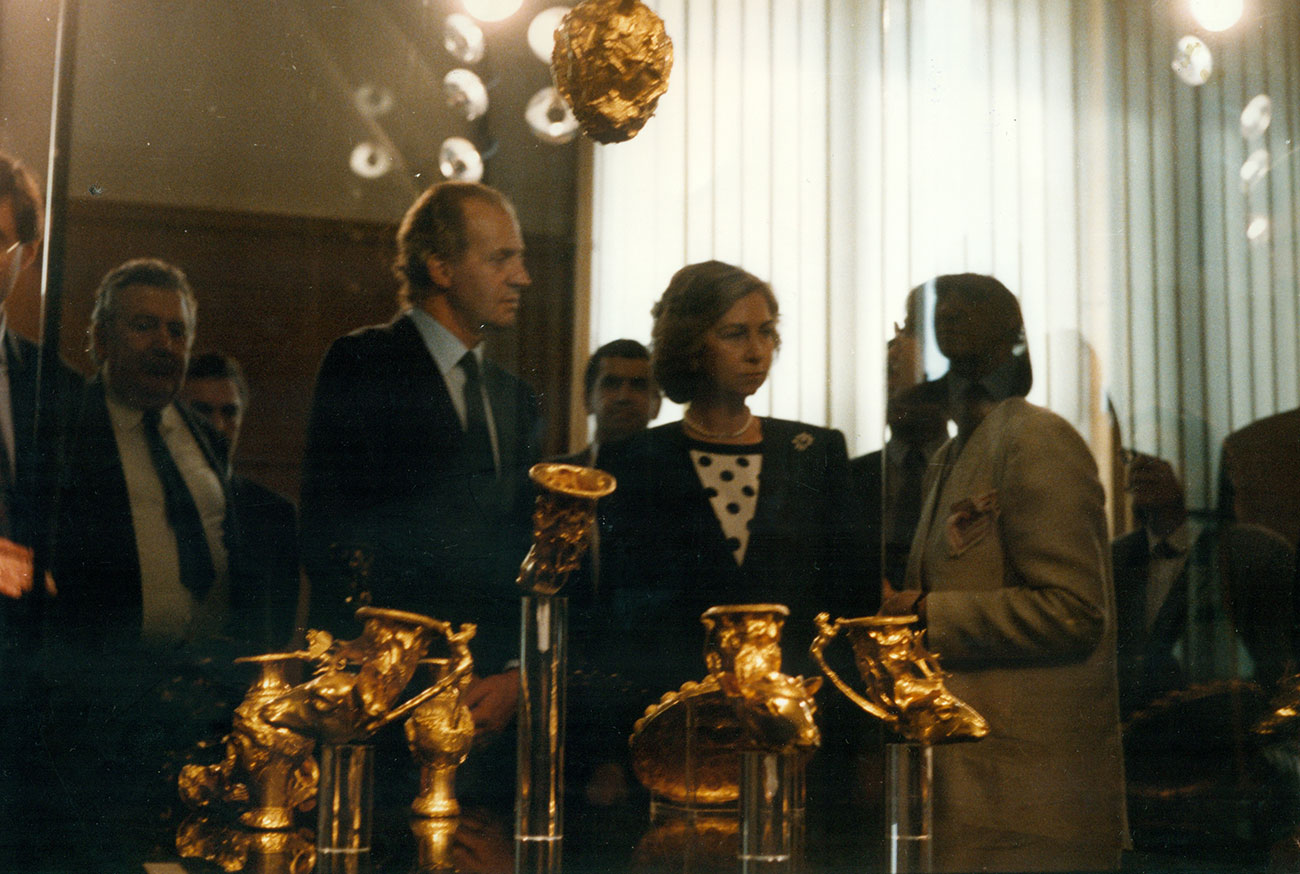
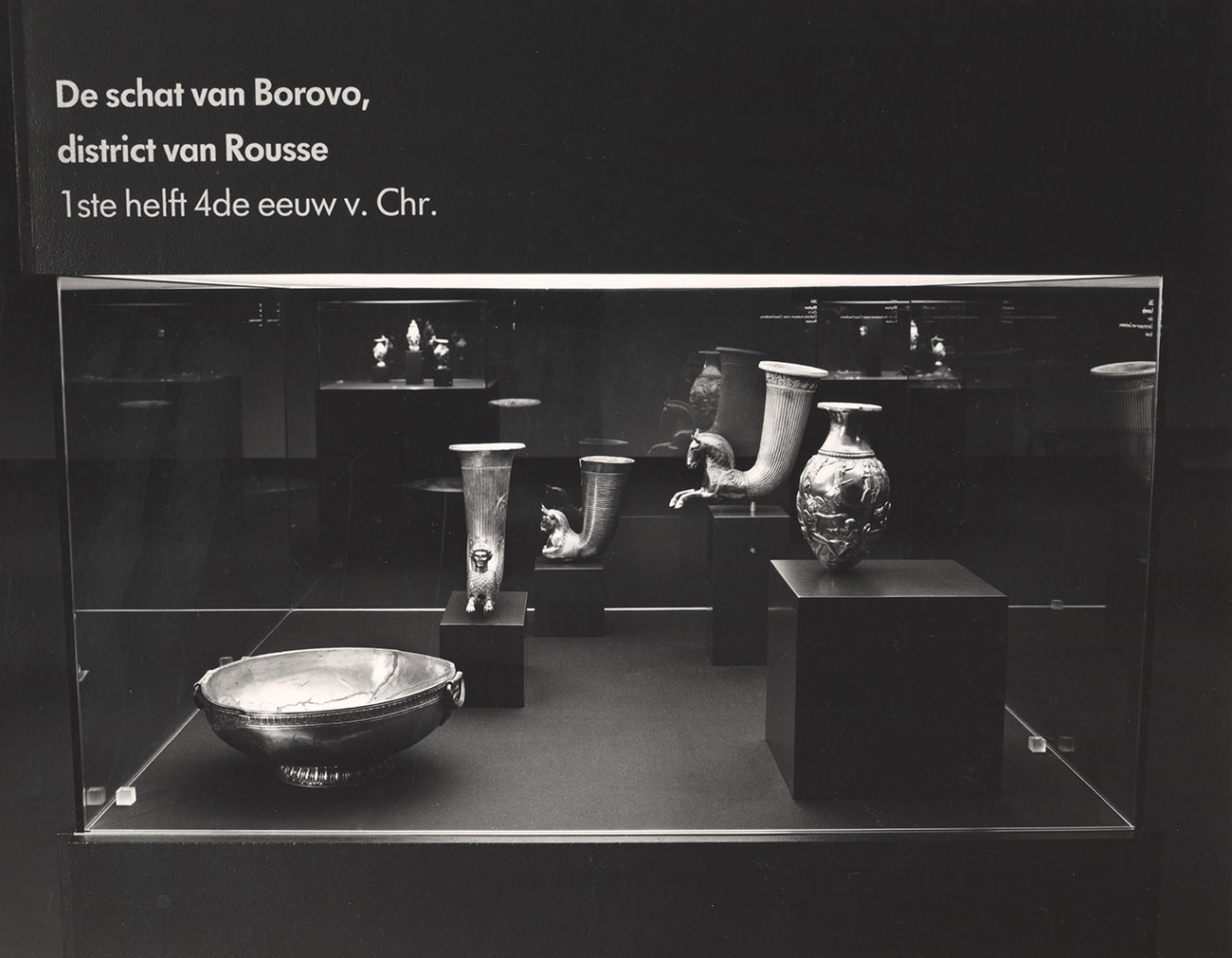
1980 г. Изложба „Златният рай на траките” в Държавния исторически музей в Стокхолм

1980 г. Изложба „Златният рай на траките” в Държавния исторически музей в Стокхолм

1980 г. Изложба „Златният рай на траките” в Държавния исторически музей в Стокхолм

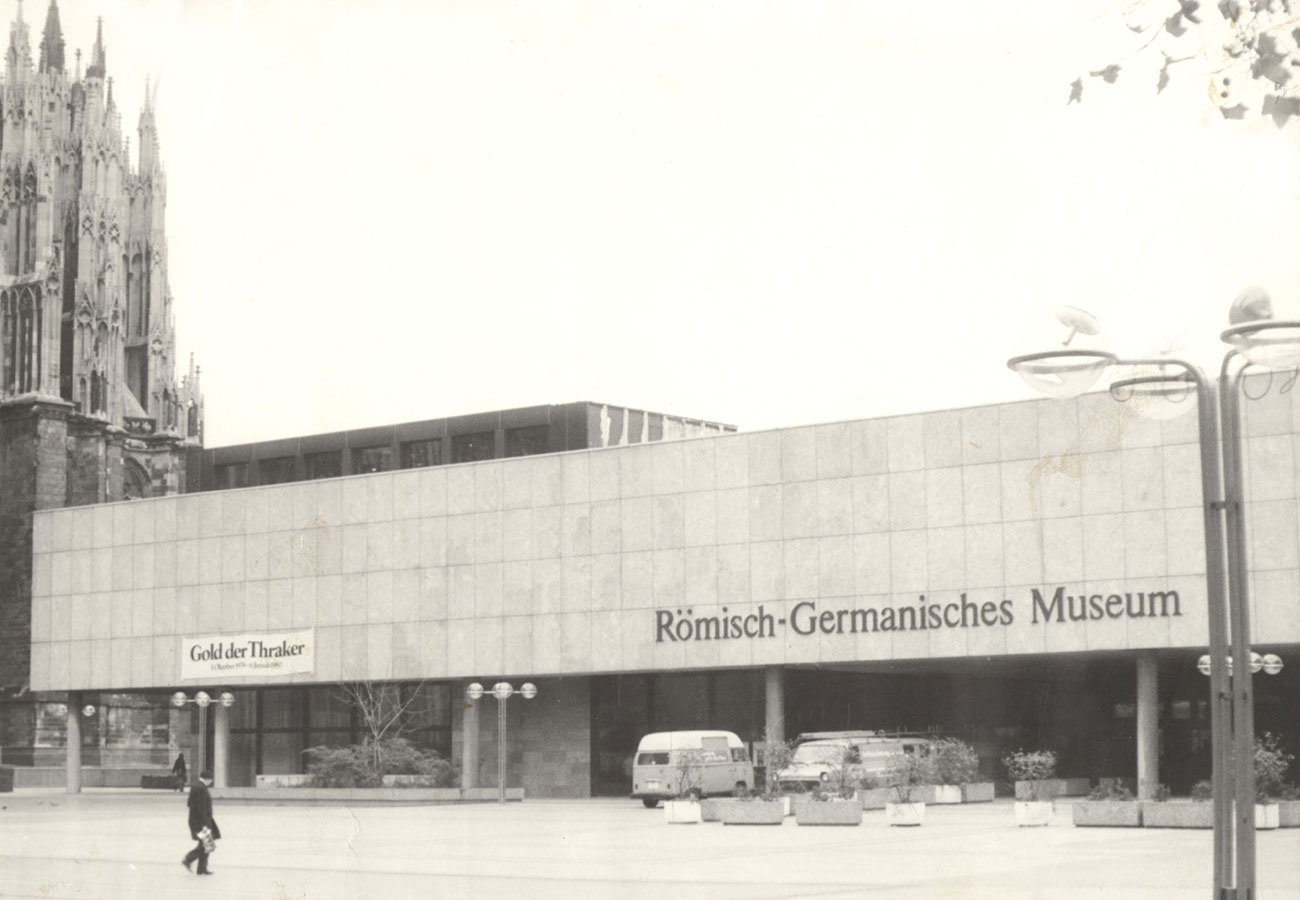
1979 г. Изложба „Златото на траките” в Римско-германския музей в Кьолн

1979 г. Съвместна изложба на НИМ и АИМ - „Балтите – северни съседи на славяните” в Археологическия музей.
На стълбите на бившето руско посолство - екипът на изложбата, заедно с полски гости: Мария Вакарелска, Елена Кърджилова, Павлина Илиева, Ивелина Генова, Димитър Кръстев, Васил Василев, Галя Германова, Здравка Ракова, Виолета Димова, Мария Йосифова, Анчо Анчев и др.

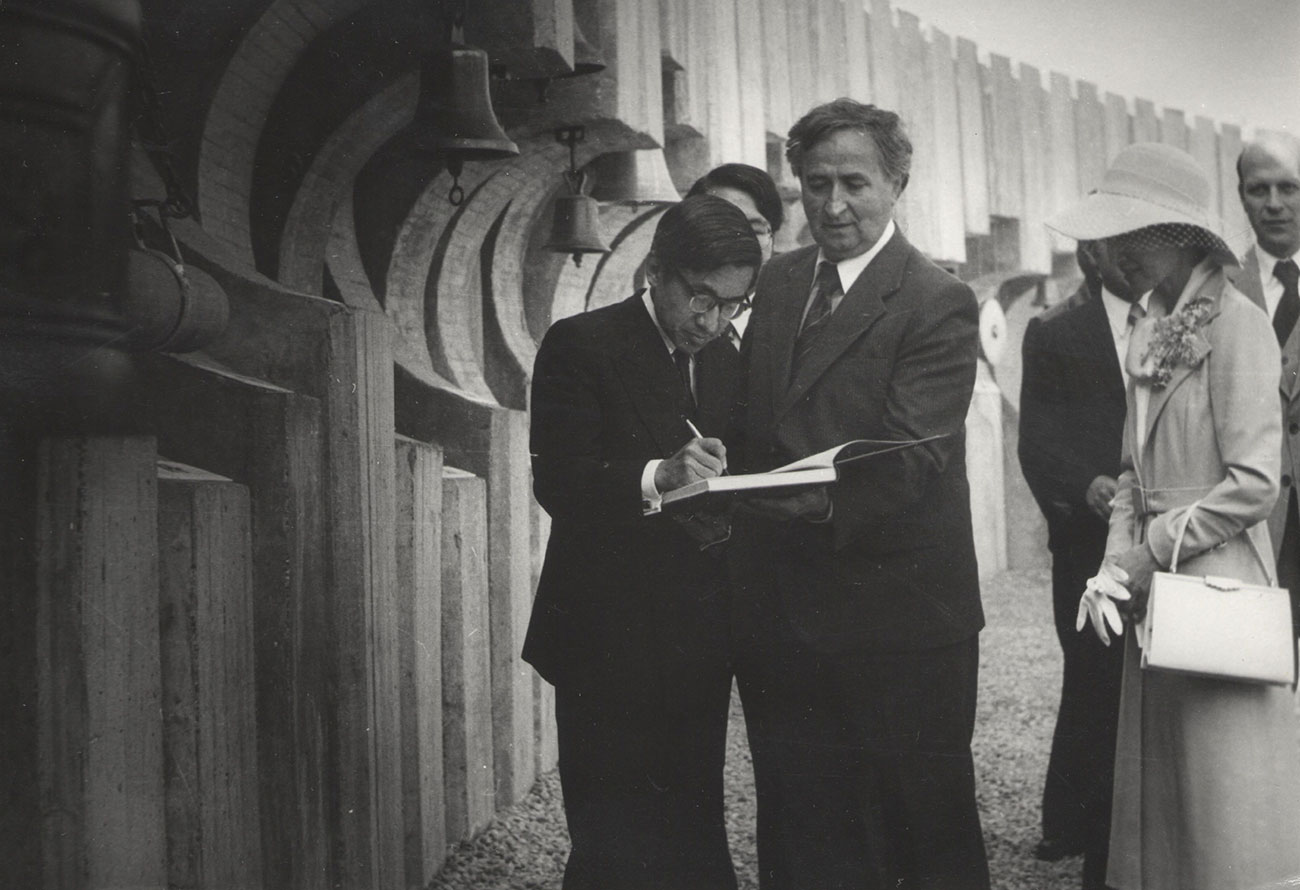
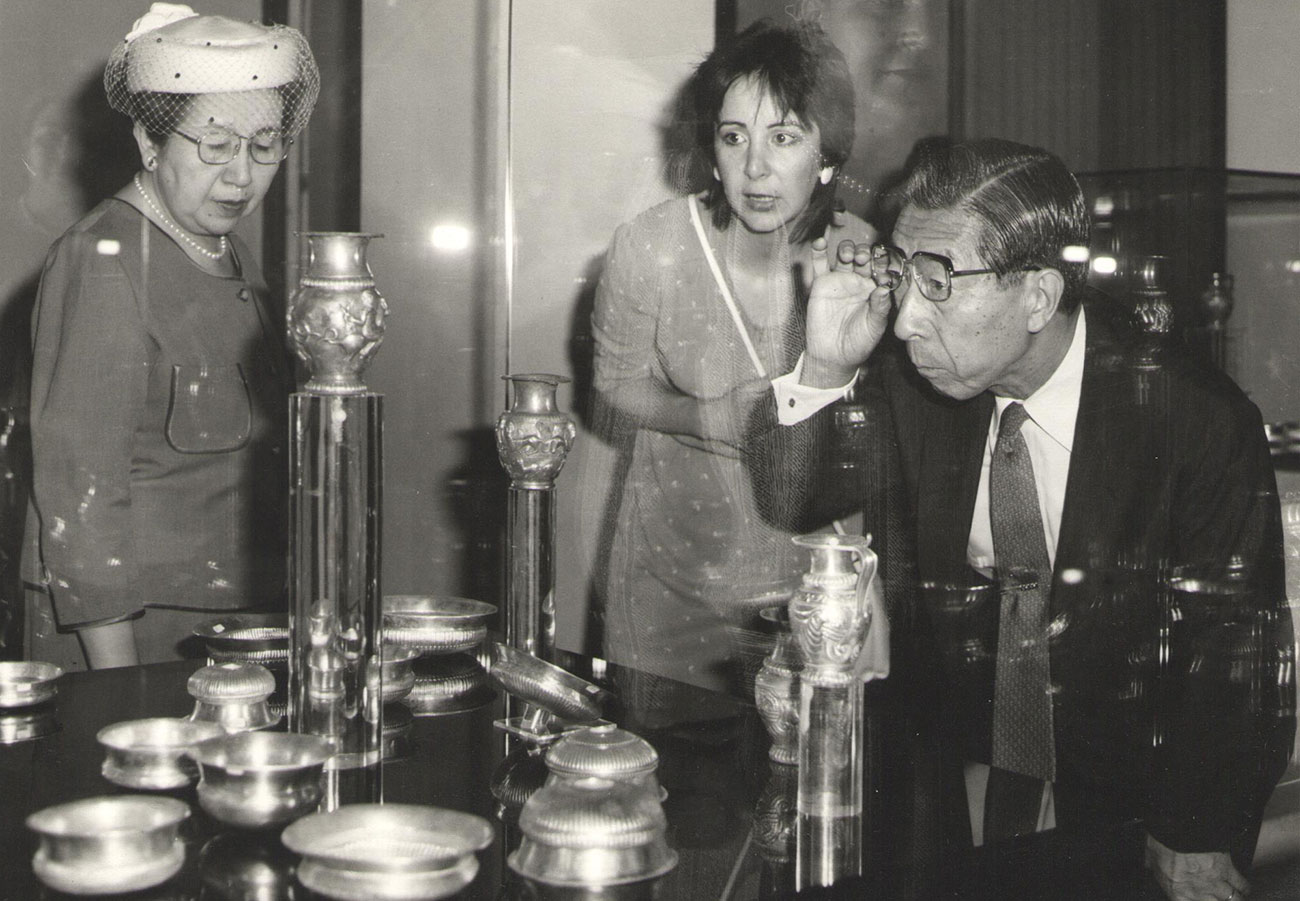
1979 г. Официално посещение на коронования японски принц Акихито (настоящият император на Япония ) и на принцеса Мичико на монумента „Камбаните”, тогава филиал на НИМ

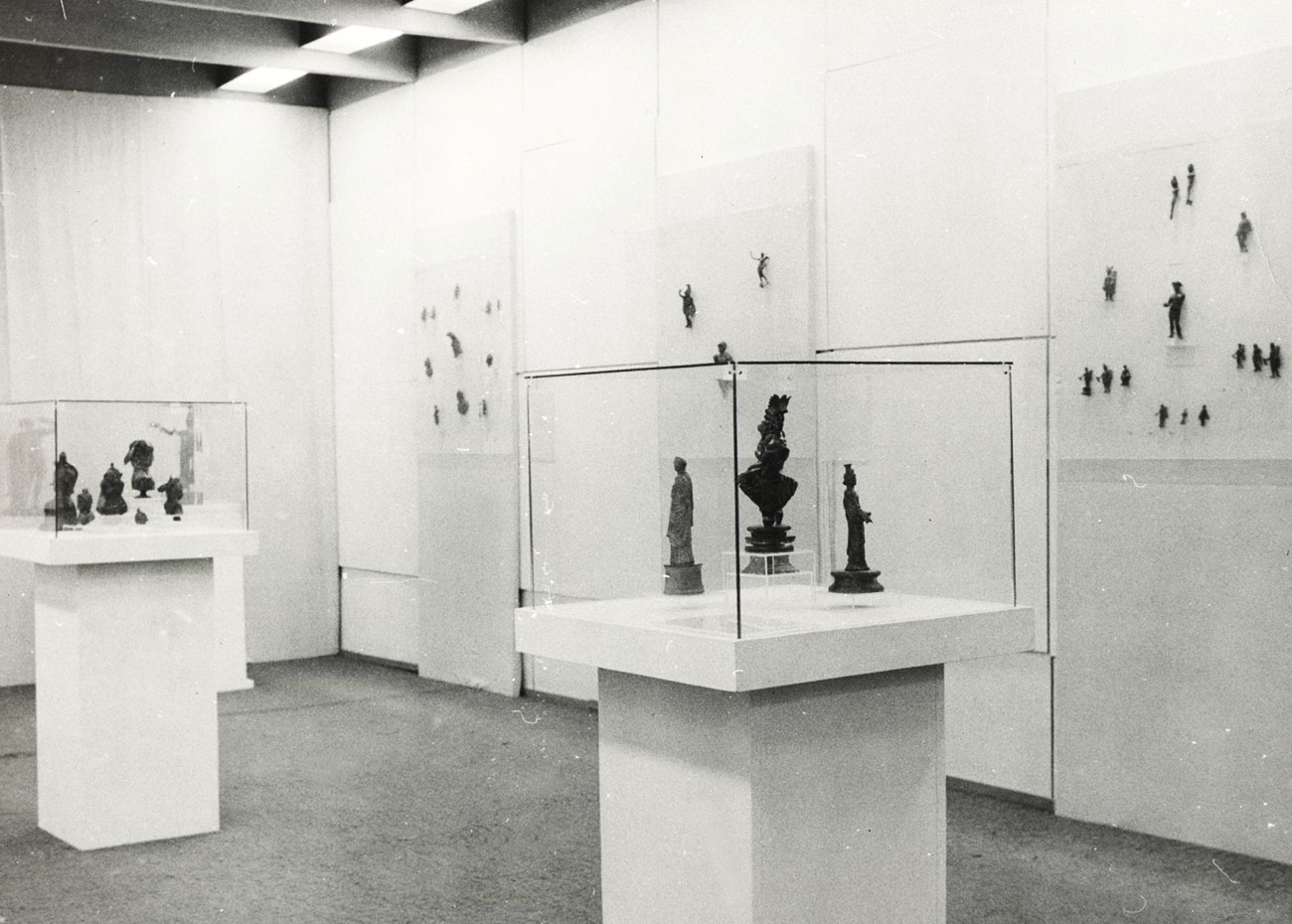
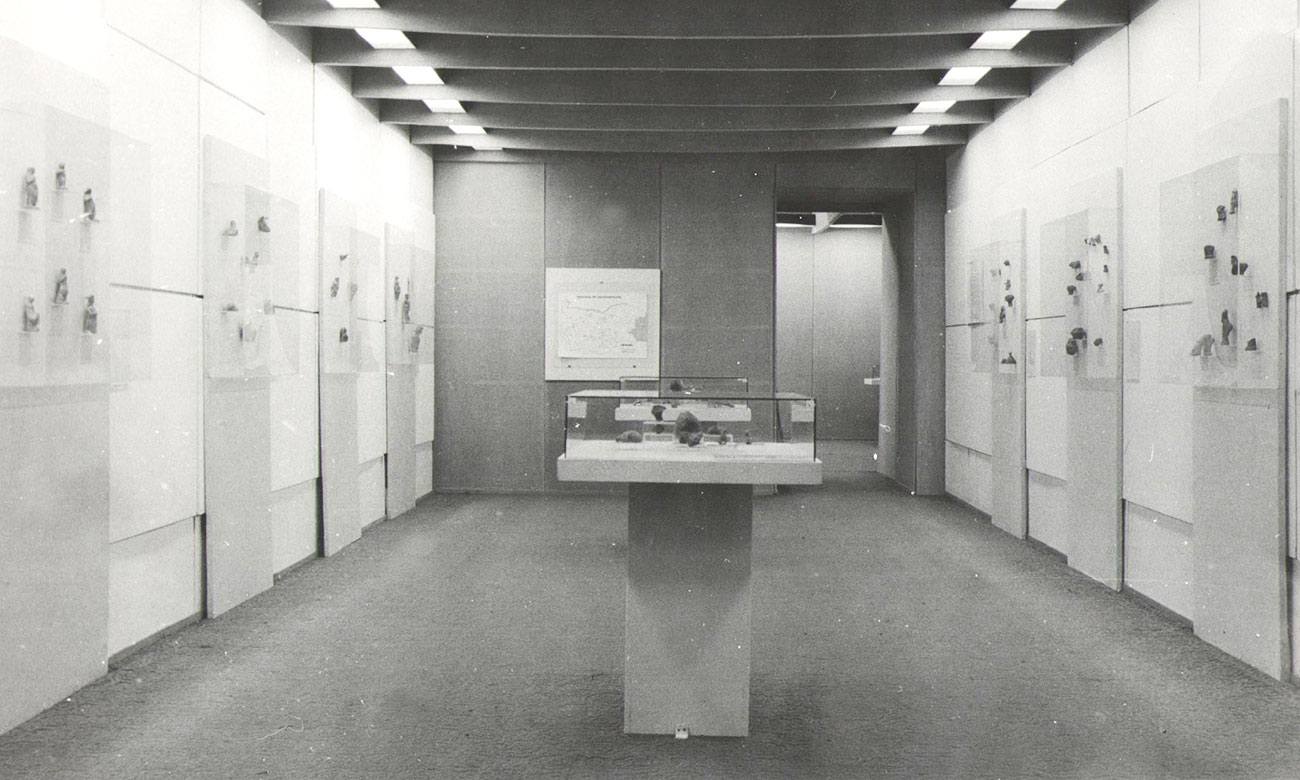
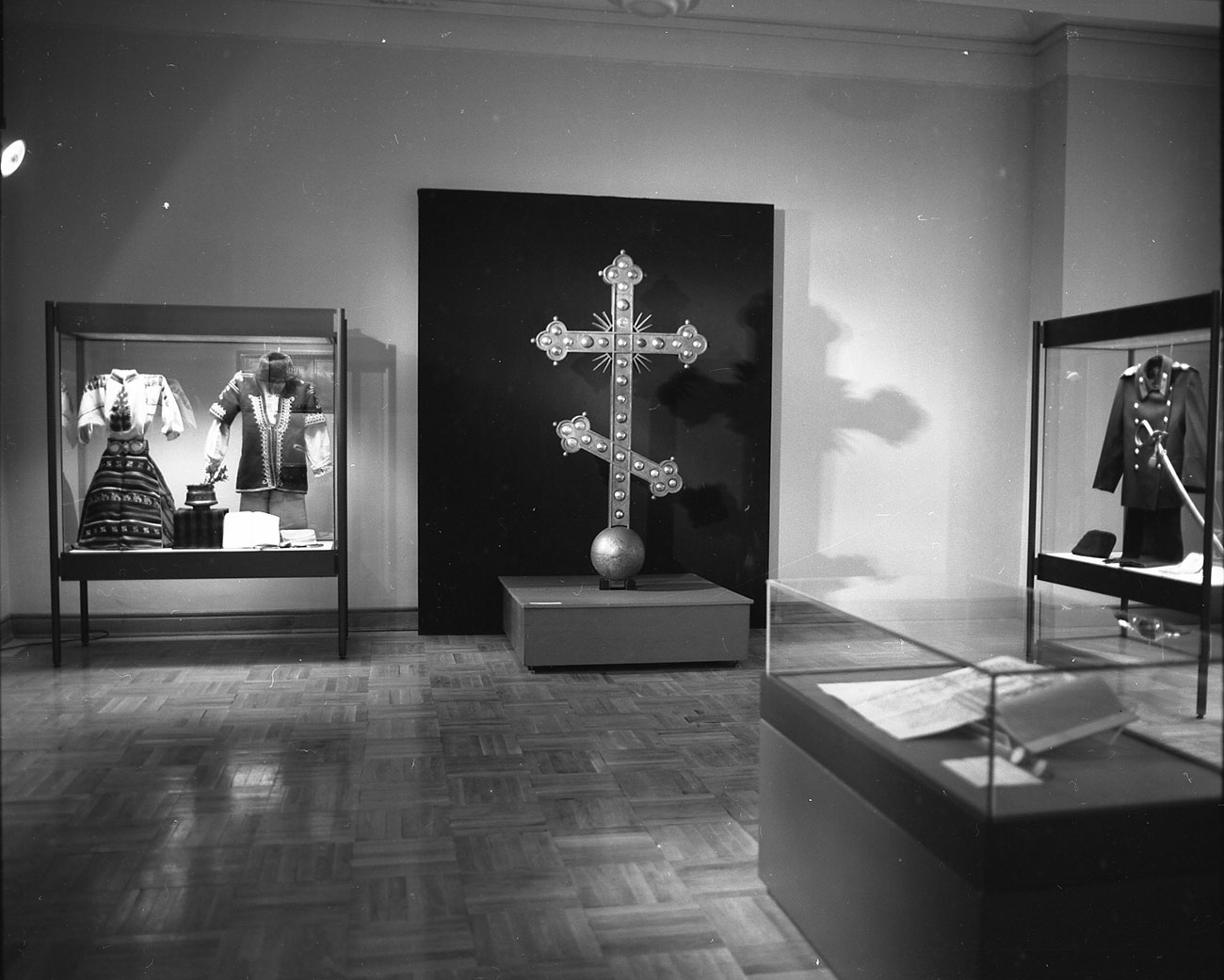
1979 г.Една от първите изложби на НИМ – „Малка пластика” в бившата сграда на руското посолство

1979 г.Една от първите изложби на НИМ – „Малка пластика” в бившата сграда на руското посолство

1979 г. Научна сесия по повод 30 години от откриването на Панагюрското златно съкровище
д-р Петър Горбанов, двама от братята Дейкови, ст.н.с. Мария Чичикова, проф. Теофил Иванов, Гавраил Лазов, ст.н.с. Камен Колев

1979 г. Посещение в родния дом на първия български космонавт - Георги Иванов в Ловеч.
Среща с неговите родители (прави, отляво надясно): Анчо Анчев, Тоня Пачова, Гани Ганев, Сотир Спасов, Вера Радкова, Галя Германова, Светослав Чешмеджиев; (клекнали, отляво надясно): Валери Петков, Петя Николова - ЦЛКР, Стефка Васева, Йордан Милушев, Вера Кирова, Димитър Кръстев, Мария Вакарелска, Дима Лафчийска, Димитър Петков

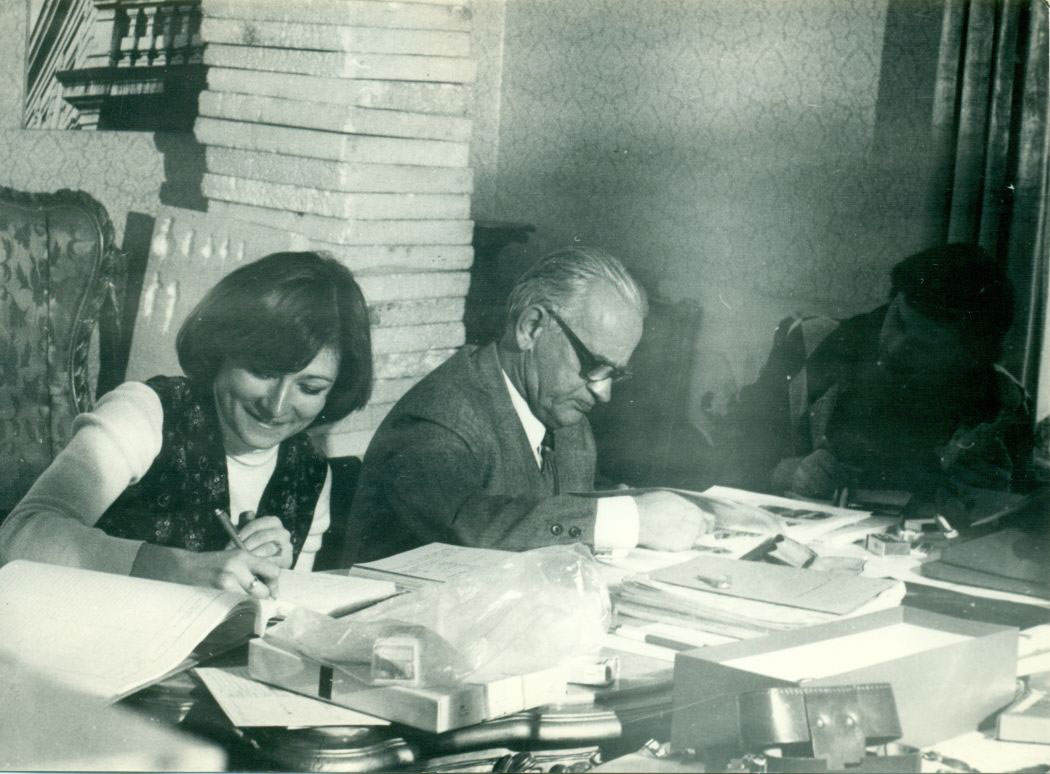
. 1979 г. Стефка Васева и проф. Иван Венедиков описват артефакти от изложбата „Бронзова пластика”

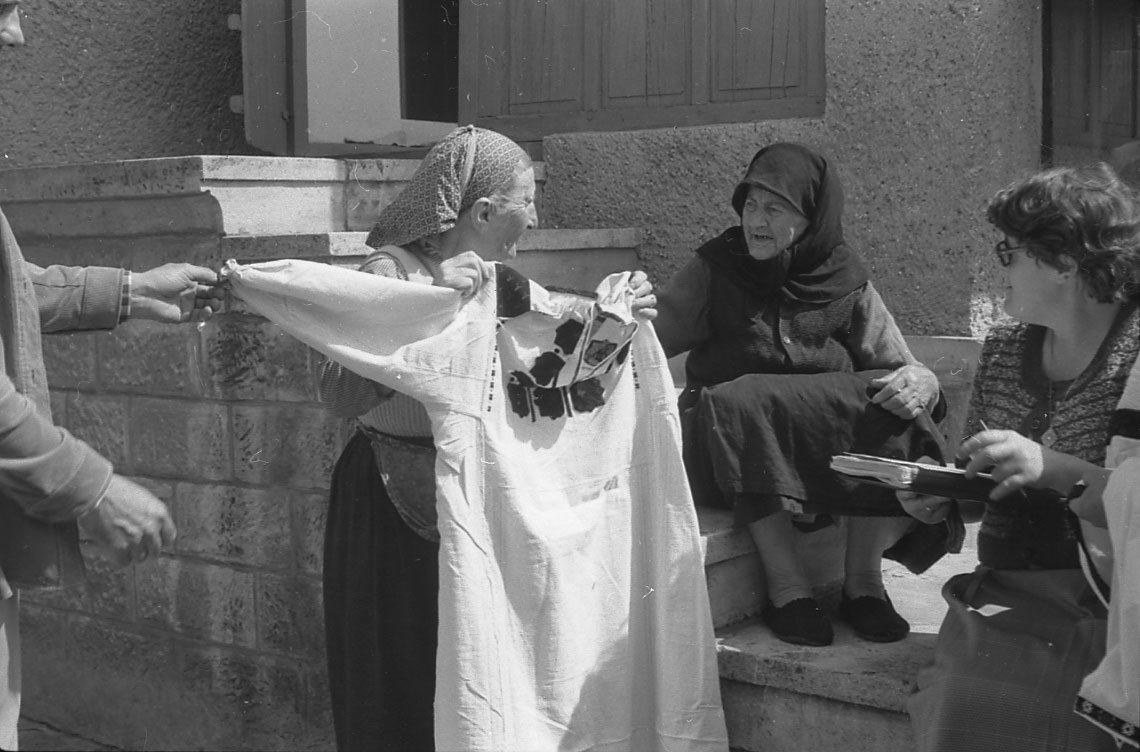
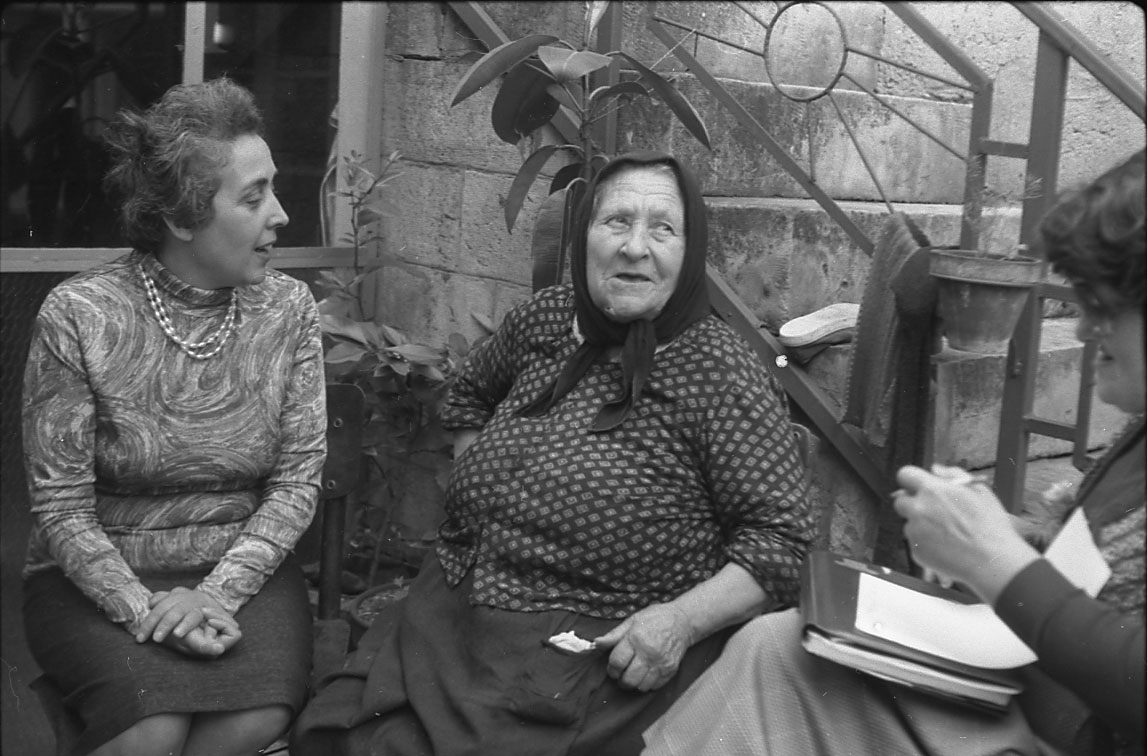
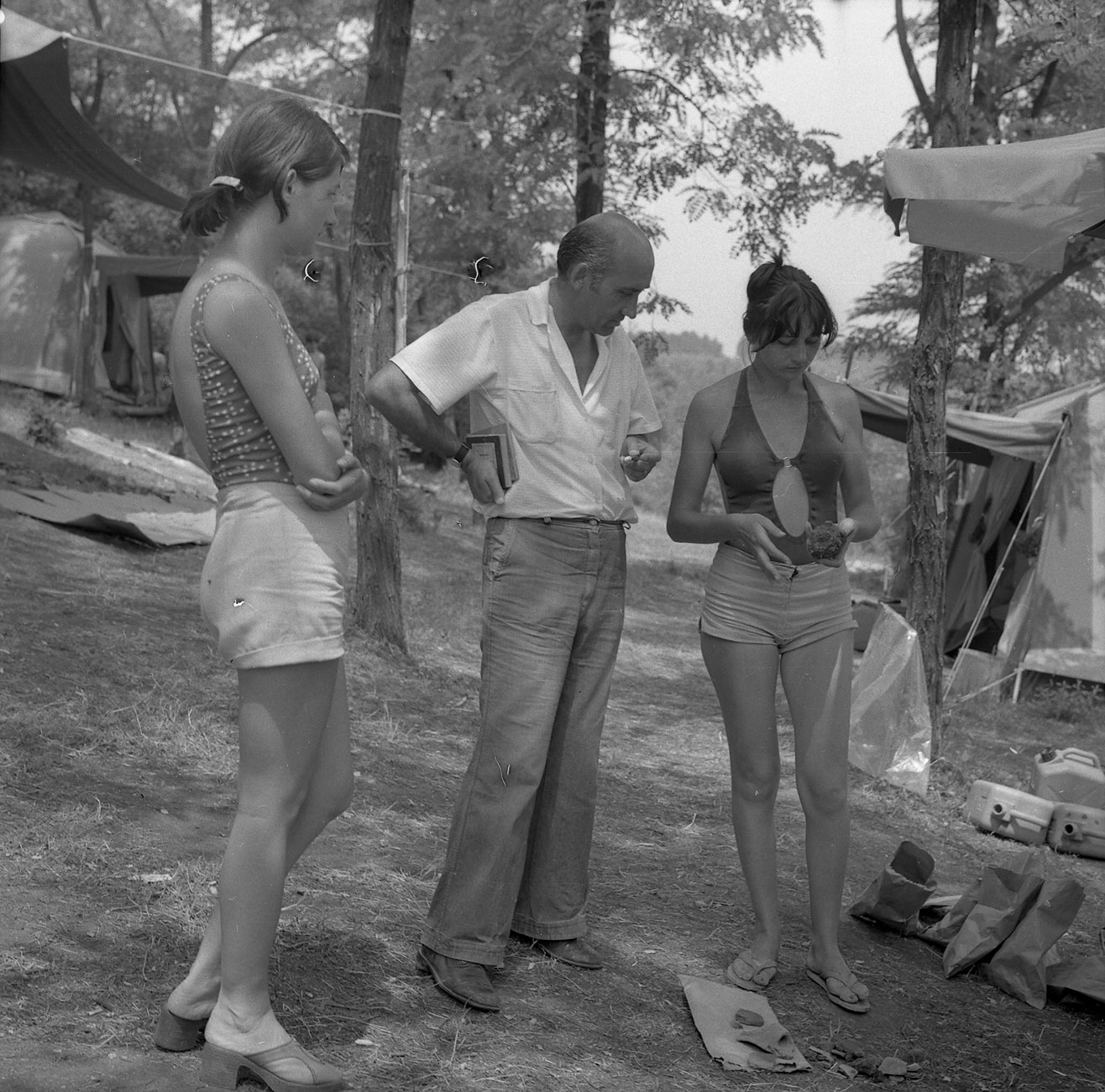
1978-1980 г. Експедиции на НИМ в Хасковско, Русенско и Ловешко:
Мария Вакарелска, Георги Кьосев и Мариана Цонева (в с. Екзарх Йосифово – „Русе’80”).

1978-1980 г. Експедиции на НИМ в Хасковско, Русенско и Ловешко:
Мария Вакарелска, Георги Кьосев и Мариана Цонева (в с. Екзарх Йосифово – „Русе’80”).

1978-1980 г. Експедиции на НИМ в Хасковско, Русенско и Ловешко:
Мария Вакарелска, Георги Кьосев и Мариана Цонева (в с. Екзарх Йосифово – „Русе’80”).

1978-1980 г. Експедиции на НИМ в Хасковско, Русенско и Ловешко:
Мария Вакарелска, Георги Кьосев и Мариана Цонева (в с. Екзарх Йосифово – „Русе’80”).

Декември 1978 г. Екипите на НИМ и на Държавния исторически музей в Москва (ГИМ Москва)
при подготовка на гостуващата изложба на ГИМ-Москва „100 години от Освобождението”. Първи ред: Иван Драев, Людмила Савченко, Анчо Анчев, Младен Костов.Втори ред: Валери Петков, Стефка Васева, Славчо Савов, Теофана Матакиева, Димитър Петков, Миладин Бочев, Олга Панева, Петър Делев, Вера Кирова

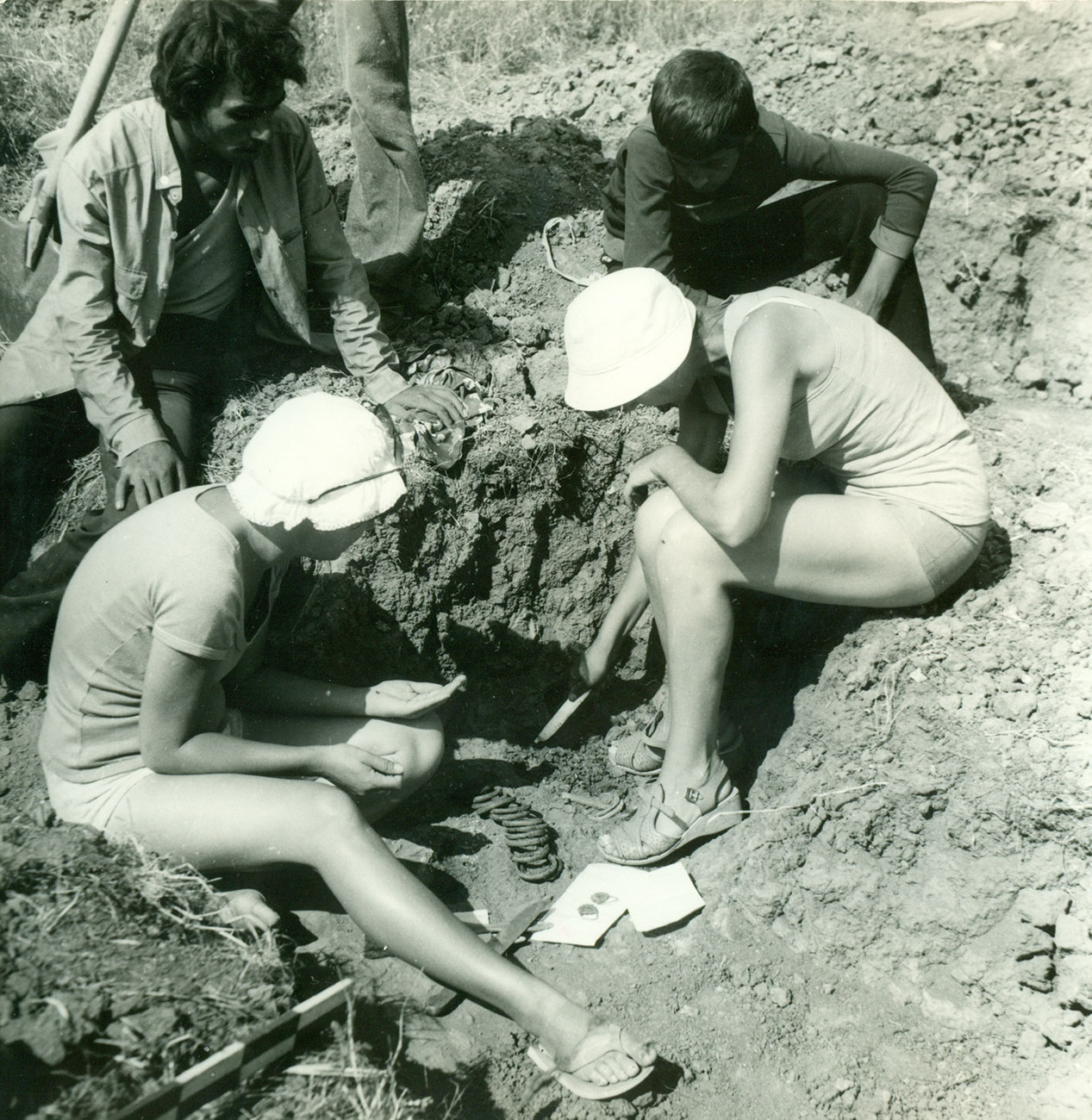
1978 г. Разкопки на Дуранкулак с участие на Националния исторически музей
Мая Аврамова, Хенриета Тодорова, Станчо Ваклинов

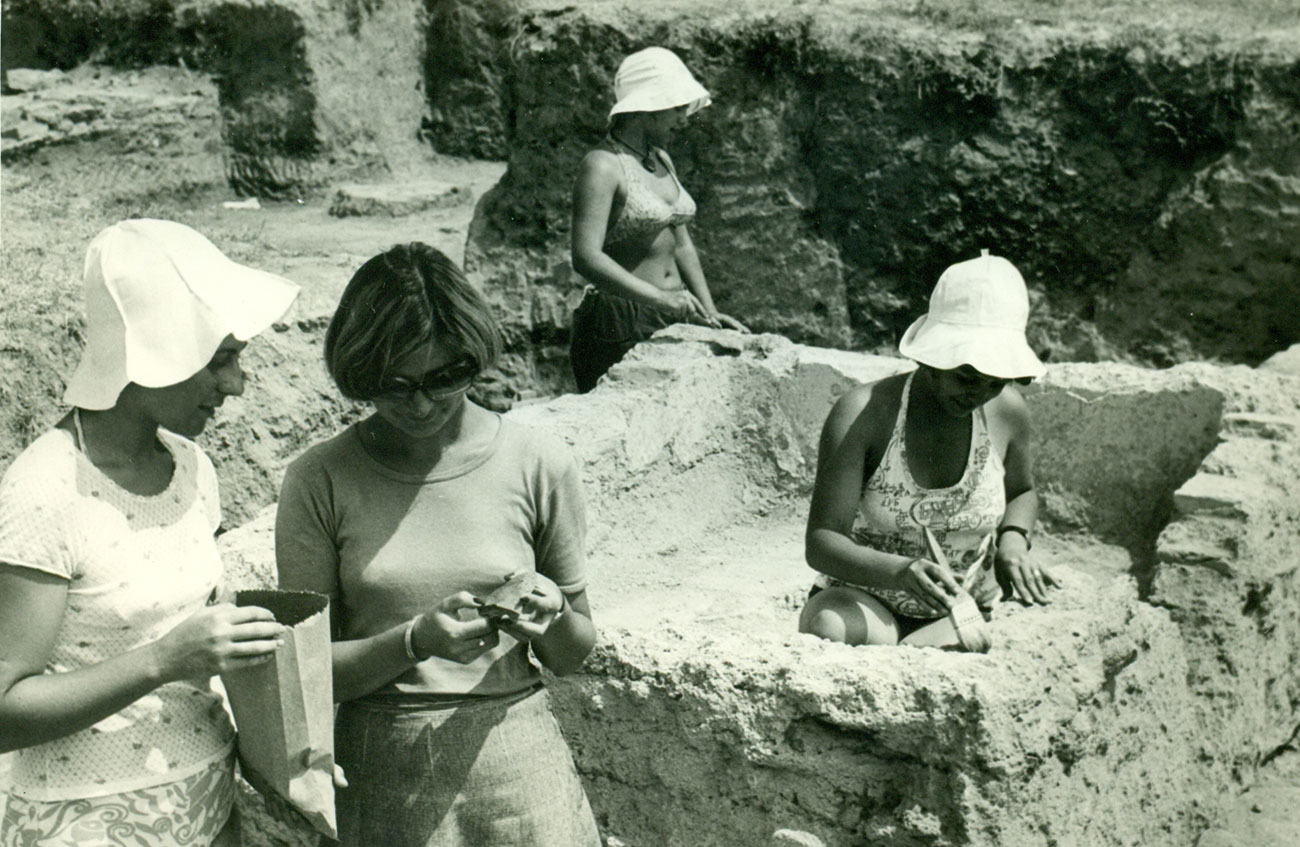
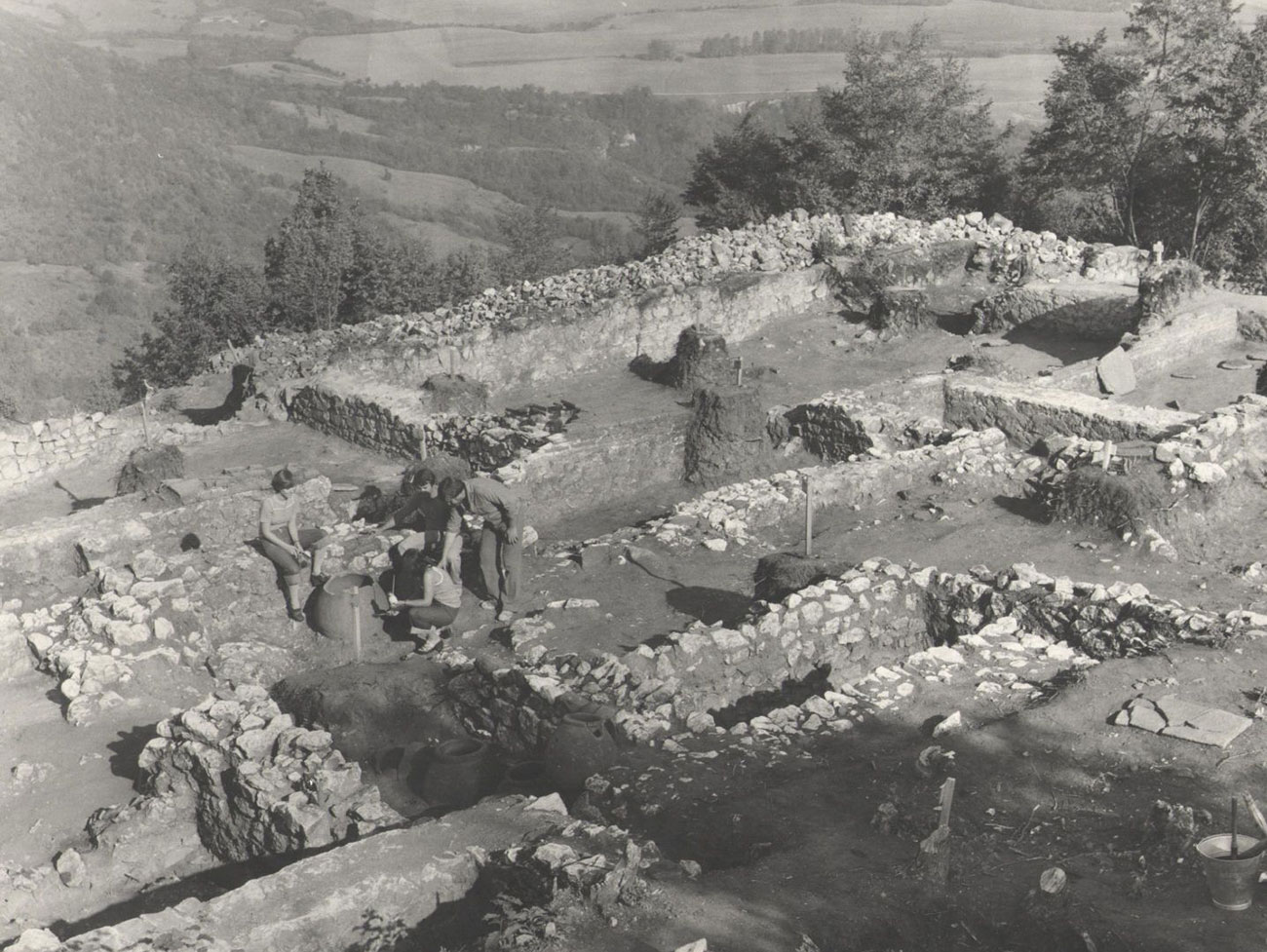
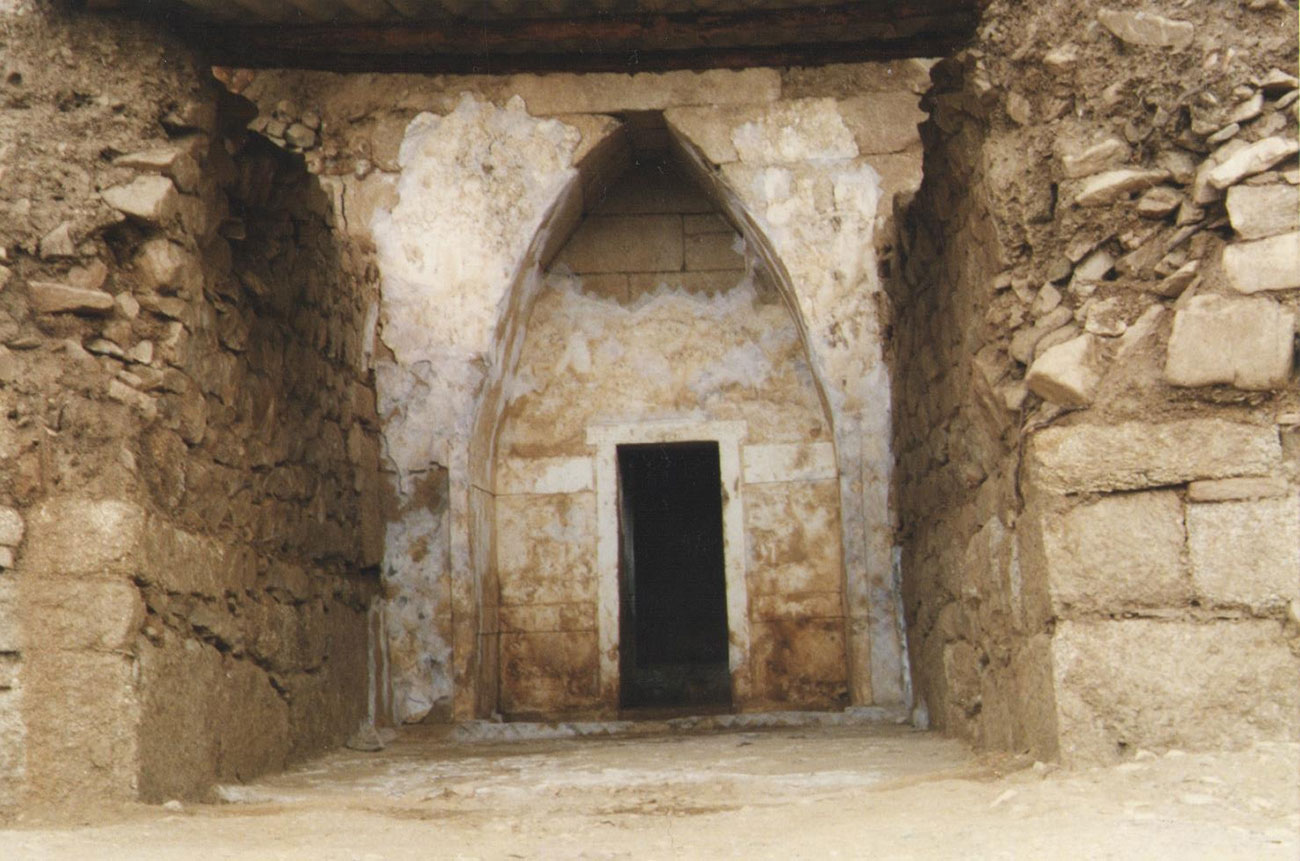
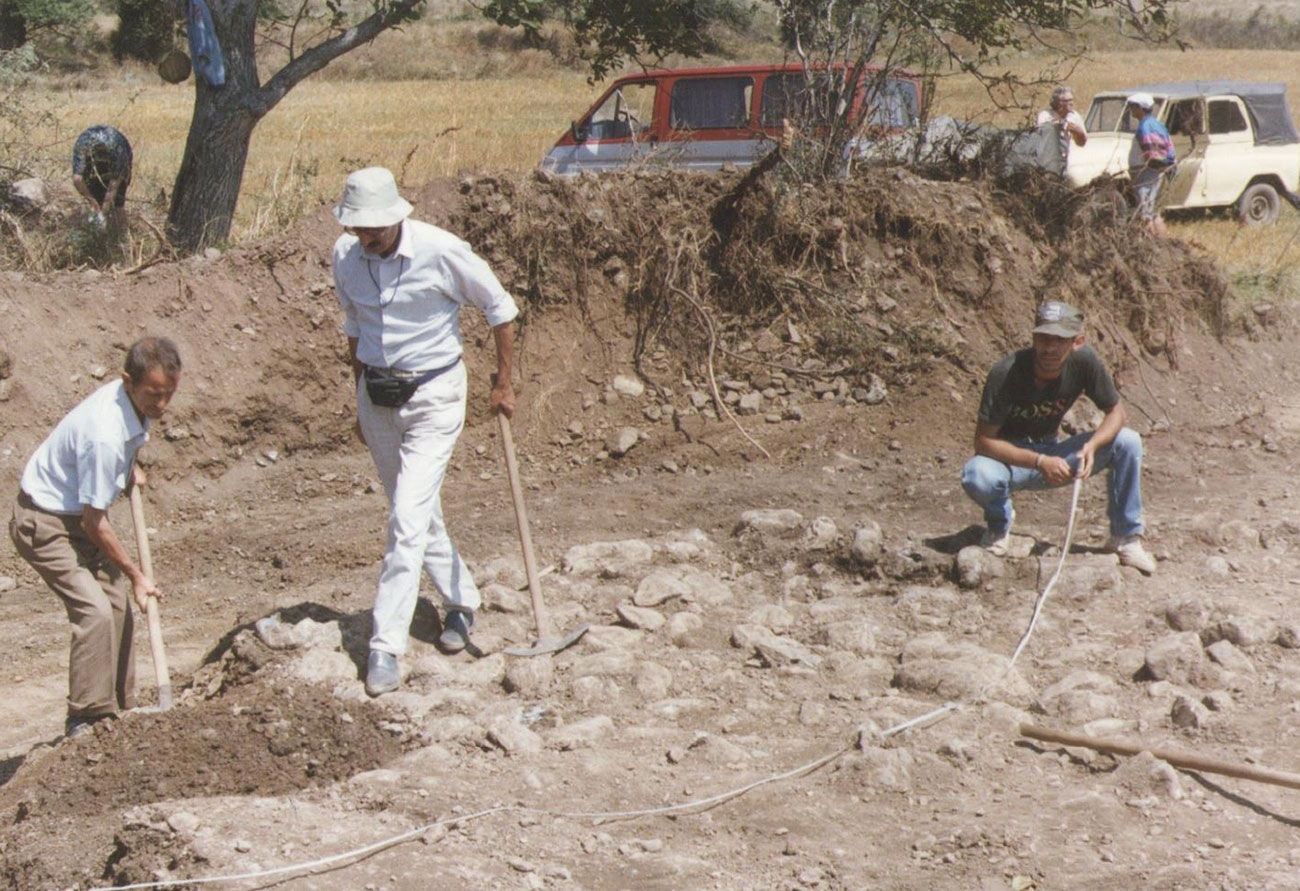
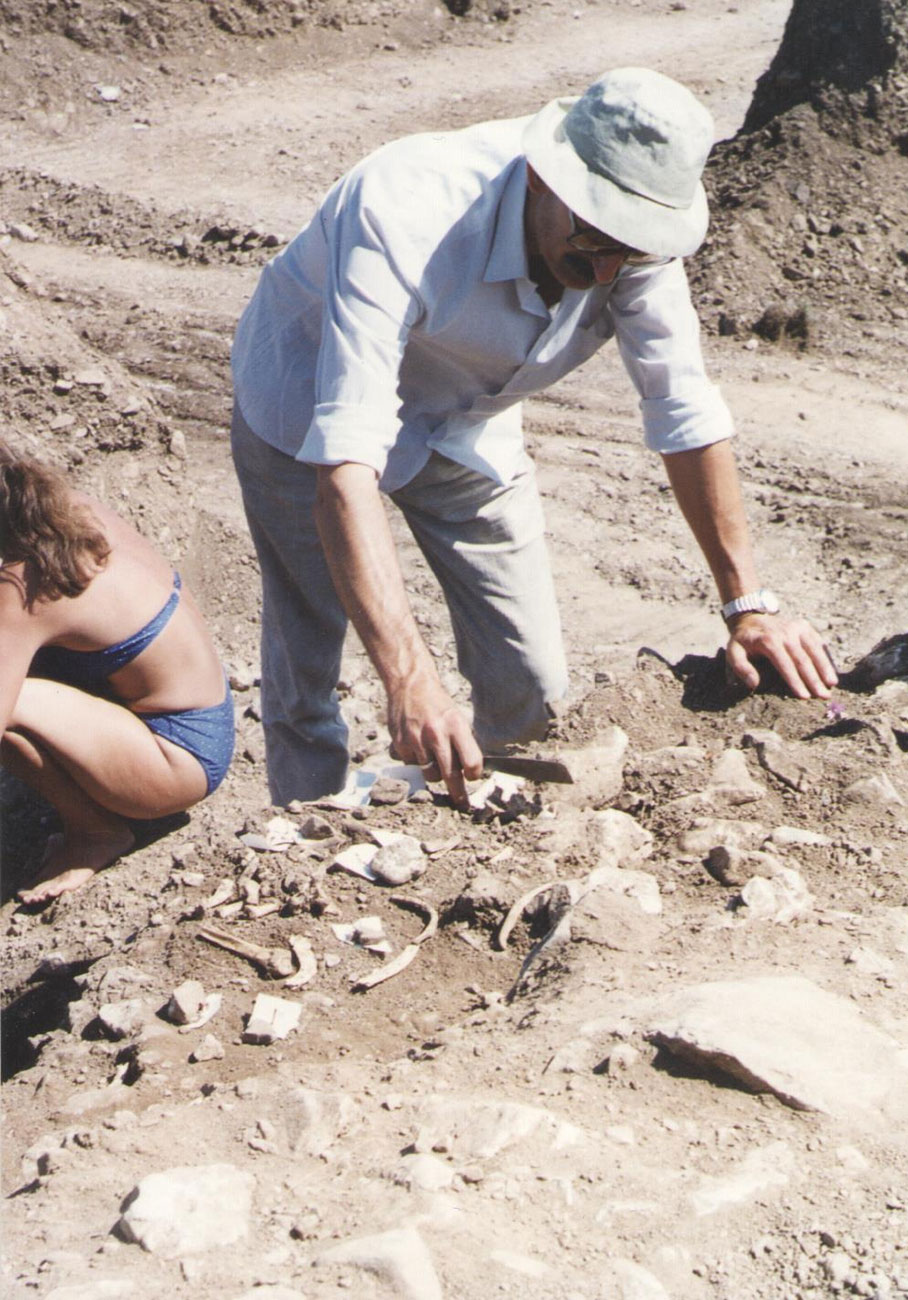
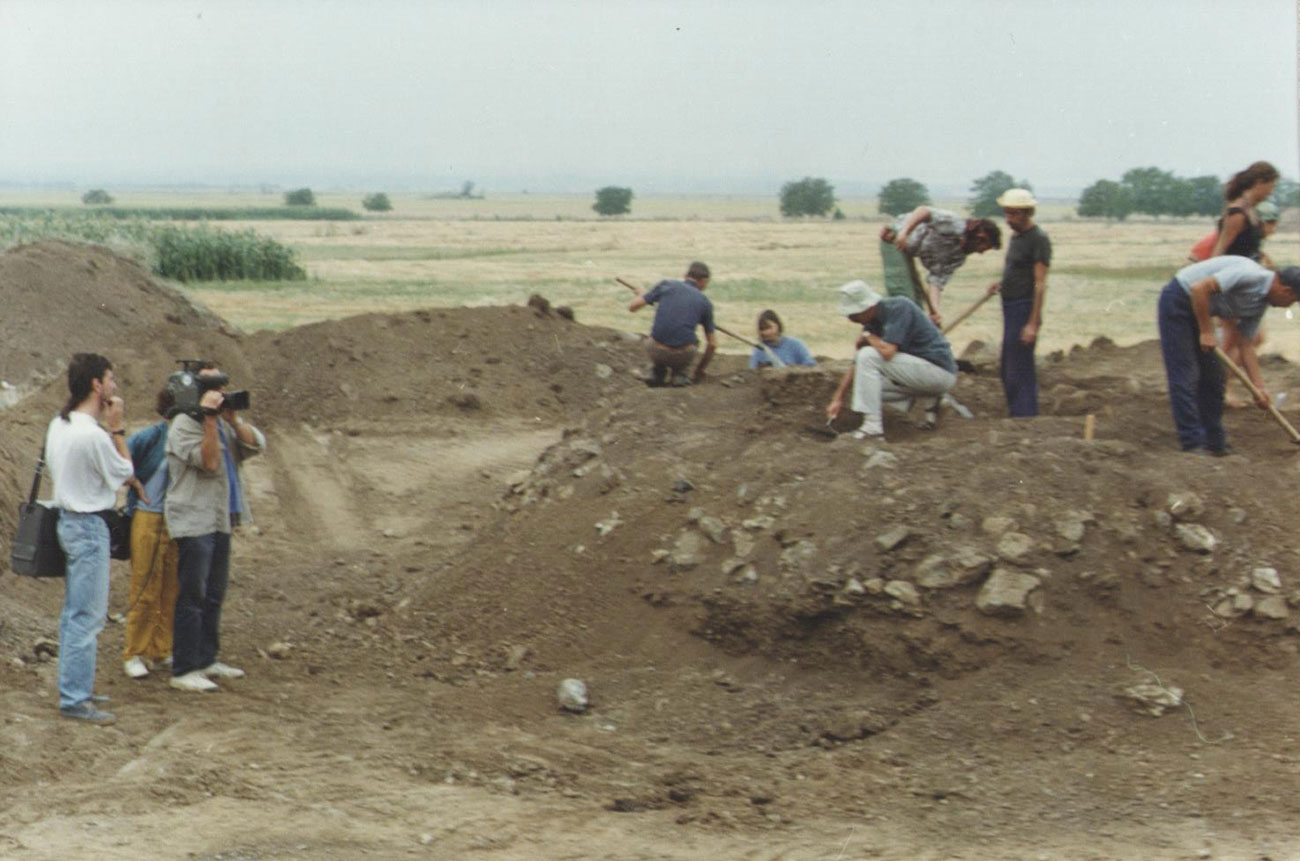
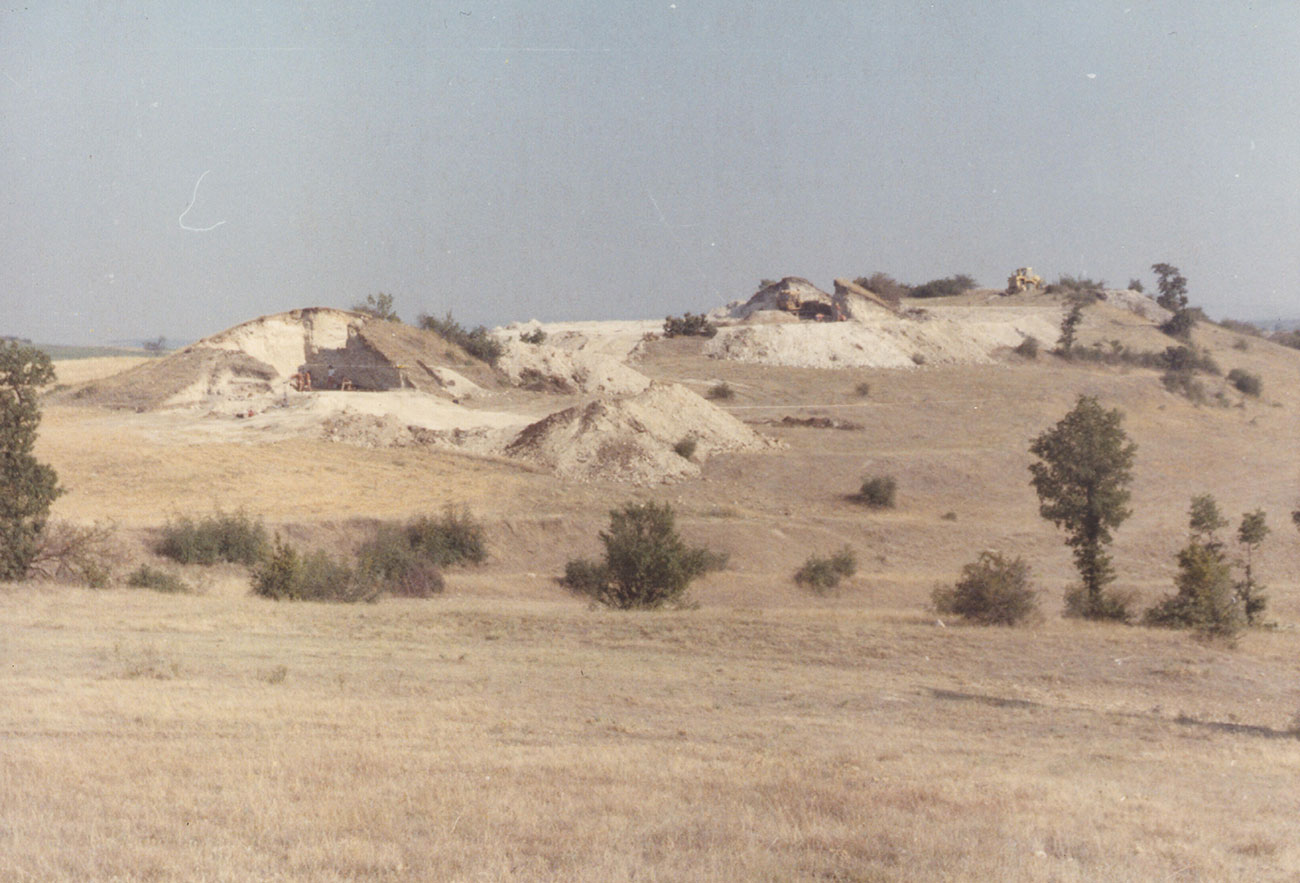
1977 г. Началото на 80-те години на ХХ век .Археологически разкопки на НИМ в град Марица (сега Симеоновград) на крепостта Асара – Констанция.

1977 г. Началото на 80-те години на ХХ век .Археологически разкопки на НИМ в град Марица (сега Симеоновград) на крепостта Асара – Констанция.

1977 г. Началото на 80-те години на ХХ век .Археологически разкопки на НИМ в град Марица (сега Симеоновград) на крепостта Асара – Констанция.

1977 г. Началото на 80-те години на ХХ век .Археологически разкопки на НИМ в град Марица (сега Симеоновград) на крепостта Асара – Констанция.
На снимките: Анчо Анчев, арх. Павел Стойчев, Стефка Васева, Пламен Георгиев, Кристина Капелкова, Димчо Аладжов и др.

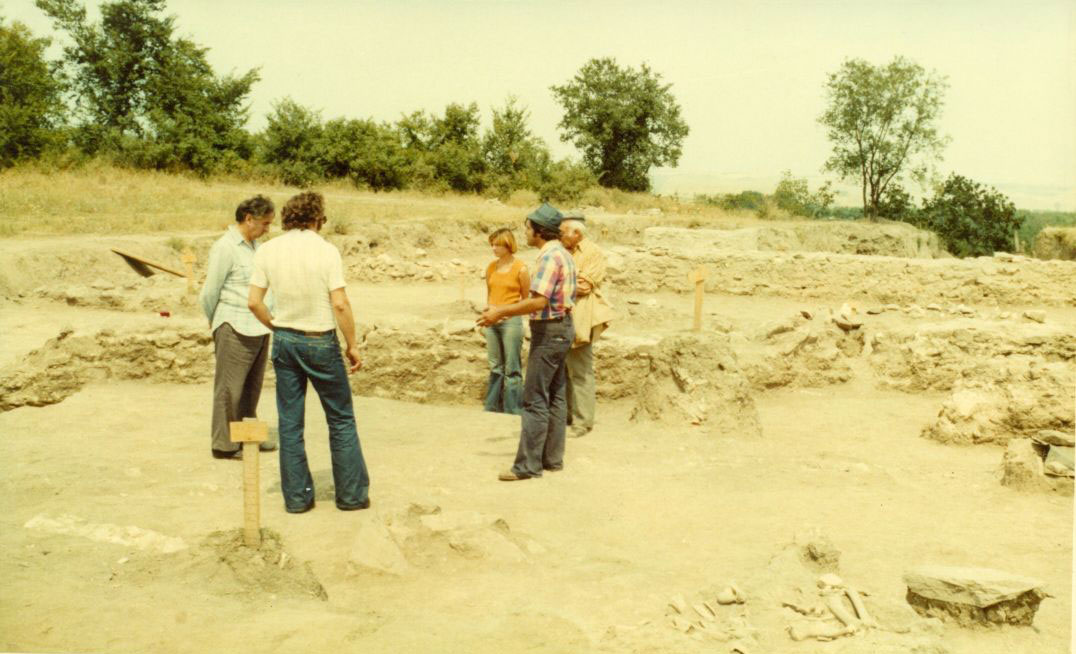
1978-1979 г. Първи разкопки на НИМ в местността Св. Спас до Беловската базилика (с. Голямо Белово), Пазарджишко

1978-1979 г. Първи разкопки на НИМ в местността Св. Спас до Беловската базилика (с. Голямо Белово), Пазарджишко

1978-1979 г. Първи разкопки на НИМ в местността Св. Спас до Беловската базилика (с. Голямо Белово), Пазарджишко

1978-1979 г. Първи разкопки на НИМ в местността Св. Спас до Беловската базилика (с. Голямо Белово), Пазарджишко

1978-1979 г. Първи разкопки на НИМ в местността Св. Спас до Беловската базилика (с. Голямо Белово), Пазарджишко

1978-1979 г. Първи разкопки на НИМ в местността Св. Спас до Беловската базилика (с. Голямо Белово), Пазарджишко

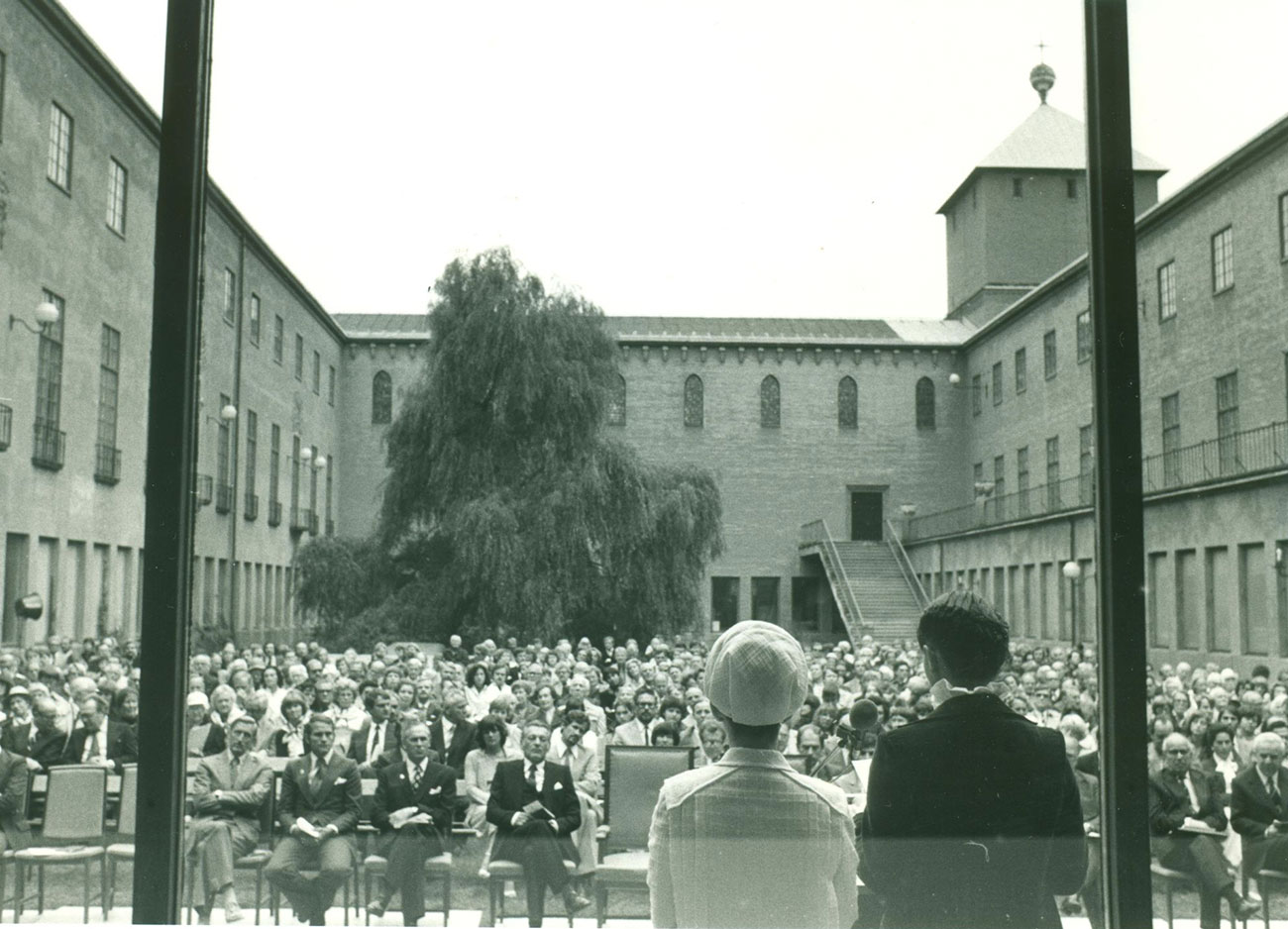
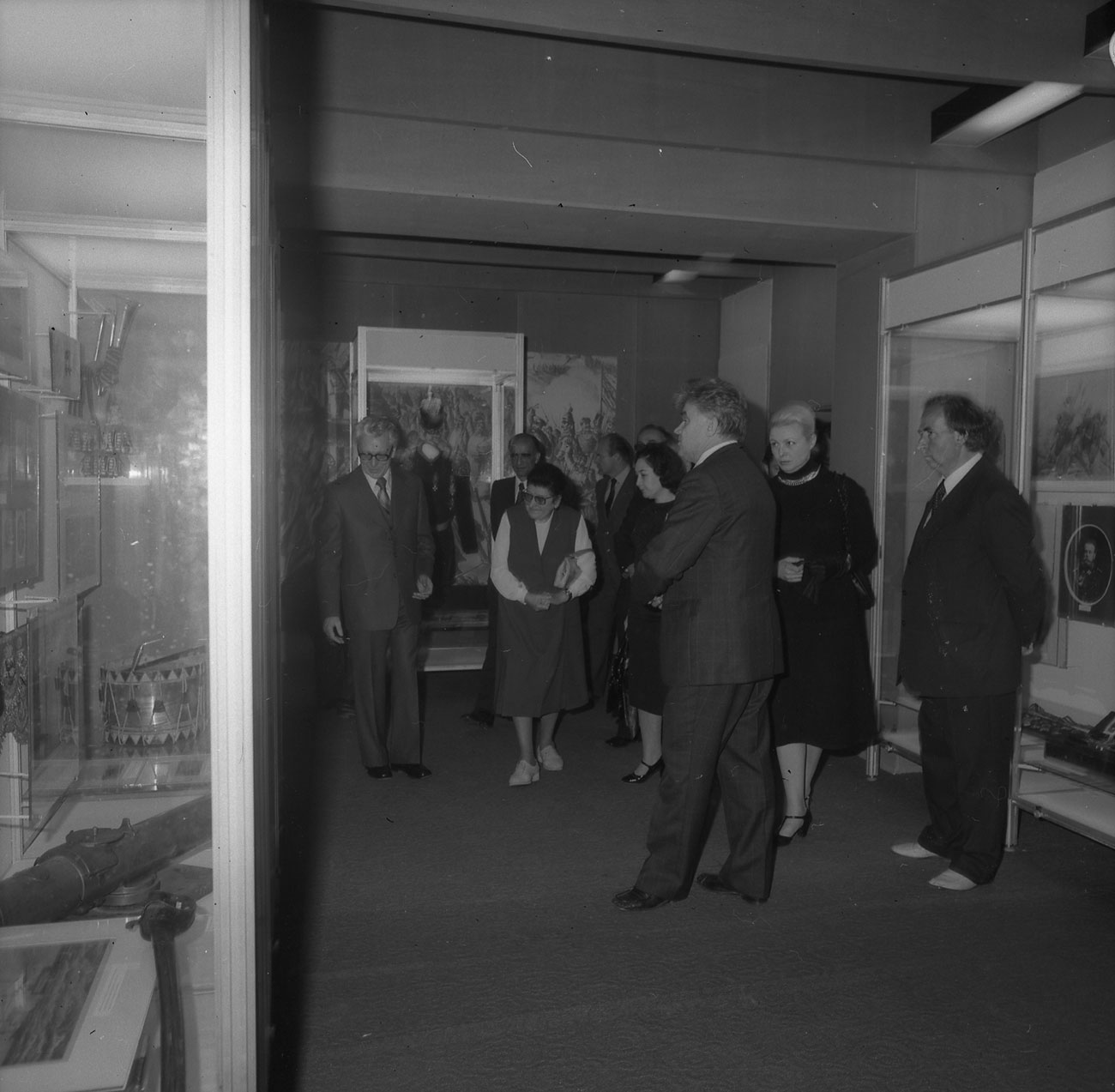
1978 г. След откриване на изложбата „100 години от Освобождението на България” в двора на музея
Дойно Донов, Цветана Кьосева, Борис Чолпанов, Вера Кирова, Цецко Сурдулов

След откриване на изложбата „100 години от Освобождението на България” в двора на музея
(прави, отдясно наляво): Теофана Матакиева, Гани Ганев, Емил Цанов, Мария Вакарелска, Стефка Васева, Ивелина Генова,Галя Германова, Вера Радкова, Петър Делев, Иван Драев, Дойно Дойнов; (клекнали, отдясно наляво): Димитър Кръстев, Гавраил Лазов, Стоянка Маркова, Мария Йосифова, Леонора Бонева, Донка Димитрова

1978 г. Откриване на изложбата „100 години от Освобождението на България”
Пейо Бербенлиев, Цола Драгойчева, Анчо Анчев

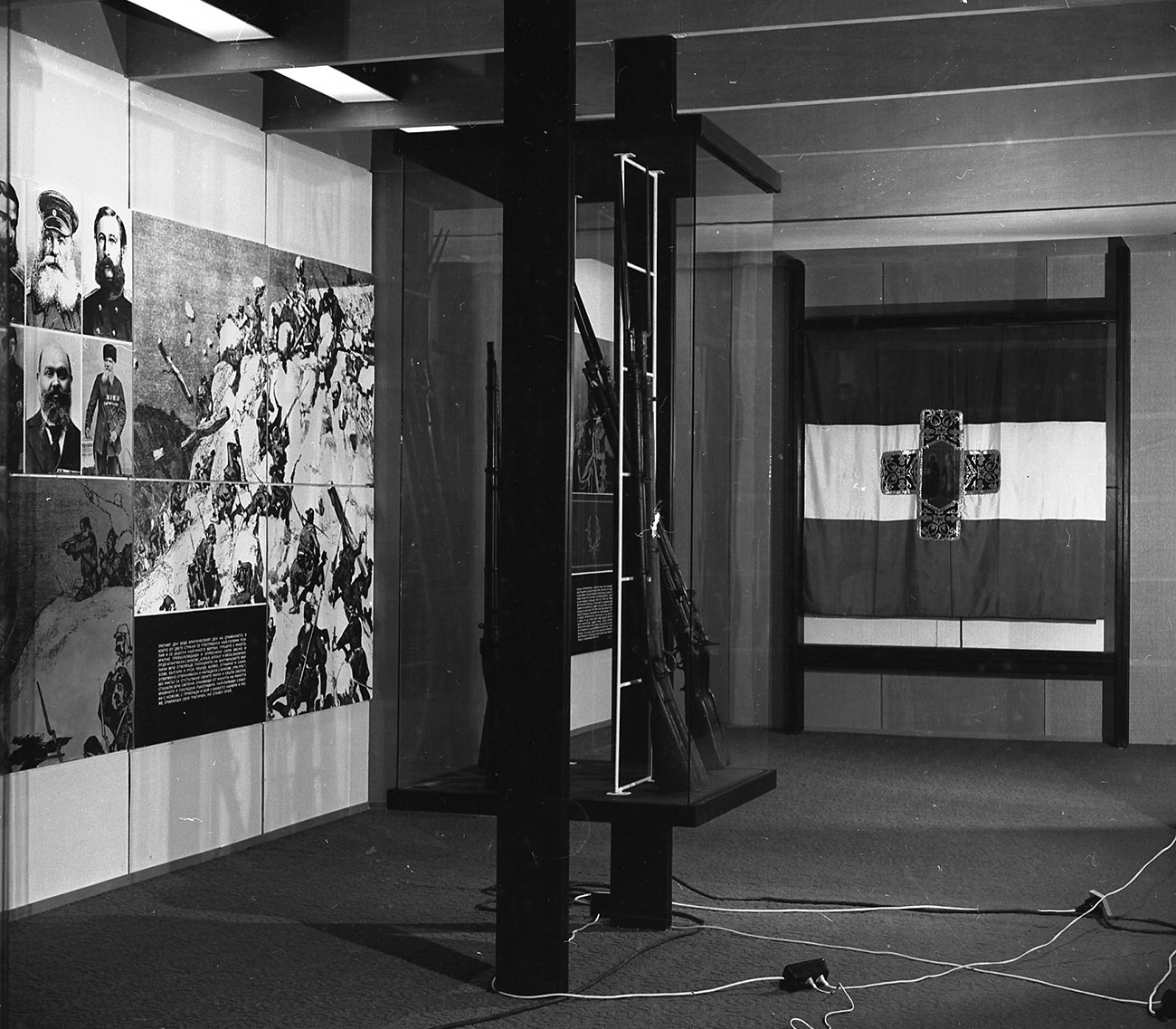
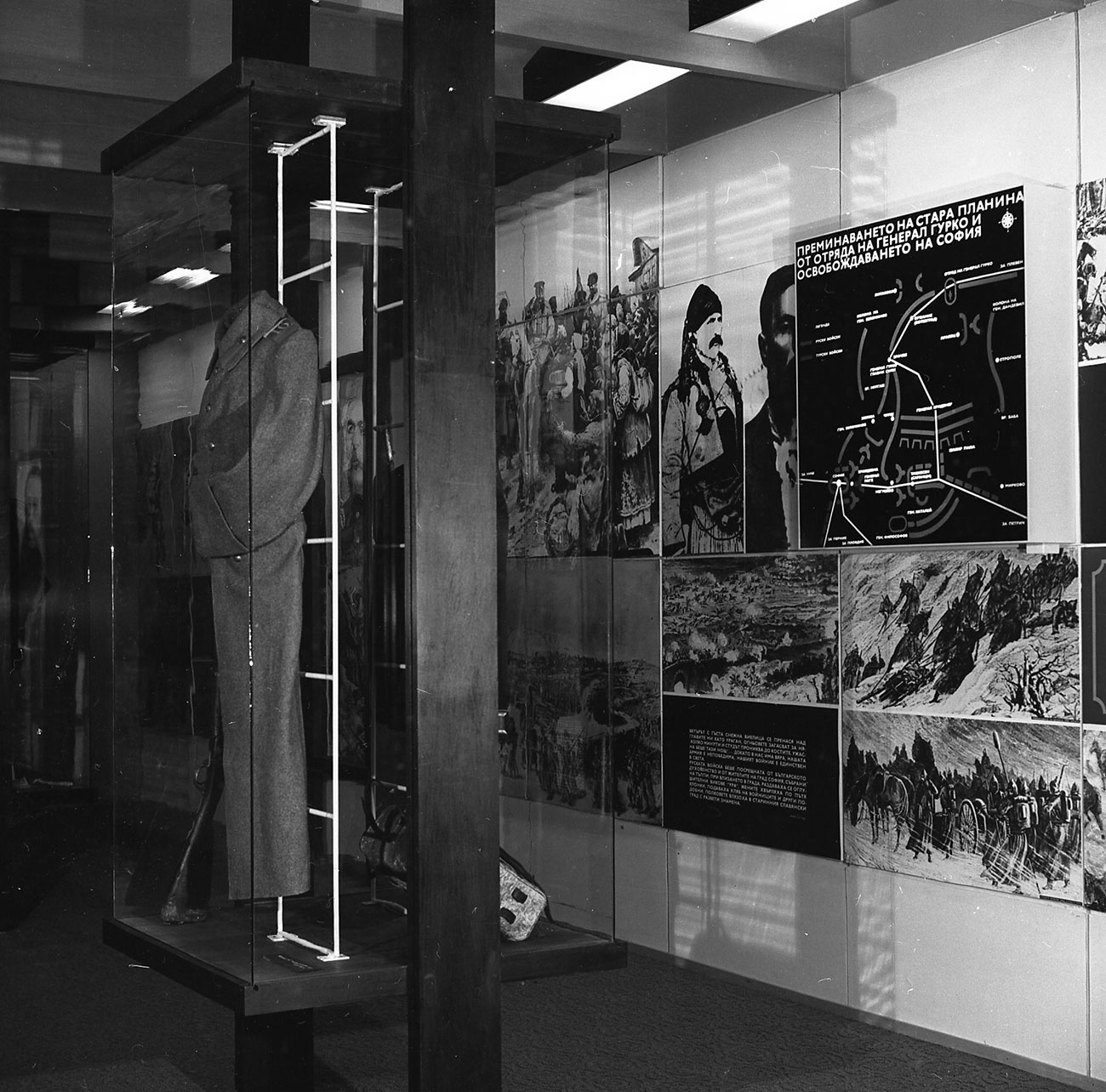
1978 г. Изложба „100 години от Освобождението на България”

1978 г. Изложба „100 години от Освобождението на България”

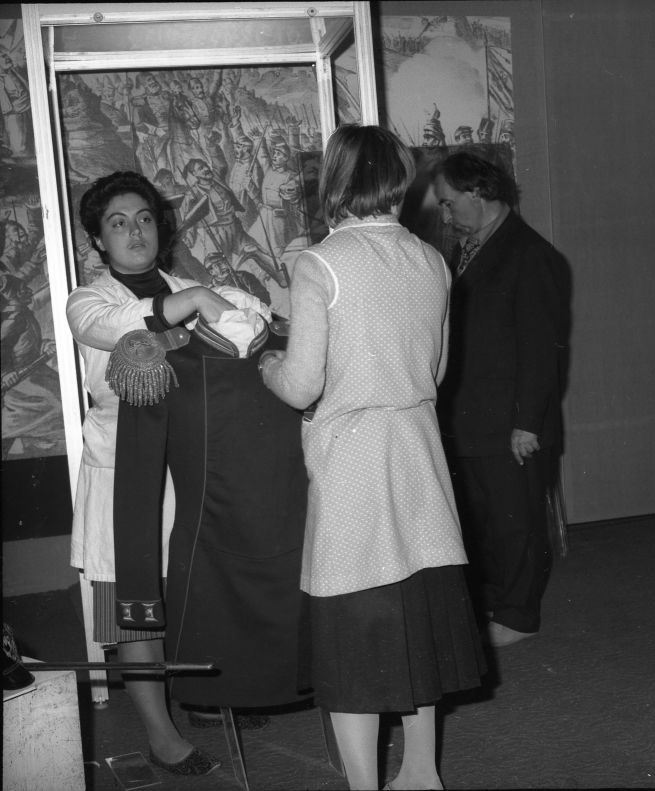
1978 г. Подготовка на изложбата „100 години от Освобождението на България”
Анчо Анчев, Вера Керелезова, Леонора Бонева

1977 г. Гостуване на дъщерята на акад. Дмитрий Лихачов - Вера Лихачова в НИМ ( по това време се помещава в бившата сграда на руското посолство).
Първи ред (от ляво на дясно): Галя Германова, Анчо Анчев, Вера Лихачова, проф.Иван Венедиков. Втори ред: Вера Кирова, Стефан Дамянов, Мария Вакарелска, Виолета Димова, Ивелина Генова, Мая Аврамова, Иван Драев, Вера Керелезова, Гавраил Лазов. Трети ред: Едуард Гешев

1977-1978 г. Проф.Иван Венедиков, Мая Аврамова, Емил Цанов, Мария Йосифова,проф.Страшимир Димитров, Галя Германова, Донка Димитрова

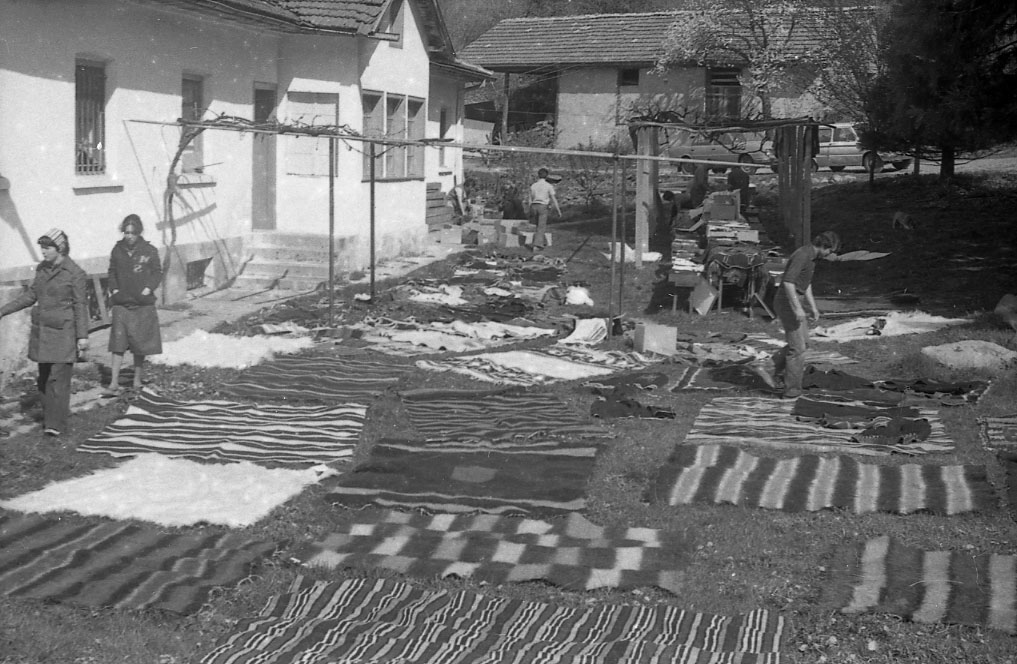
70-те години. Пролетно почистване на експонати от фонда на НИМ в Германския манастир, тогава фондова база на музея

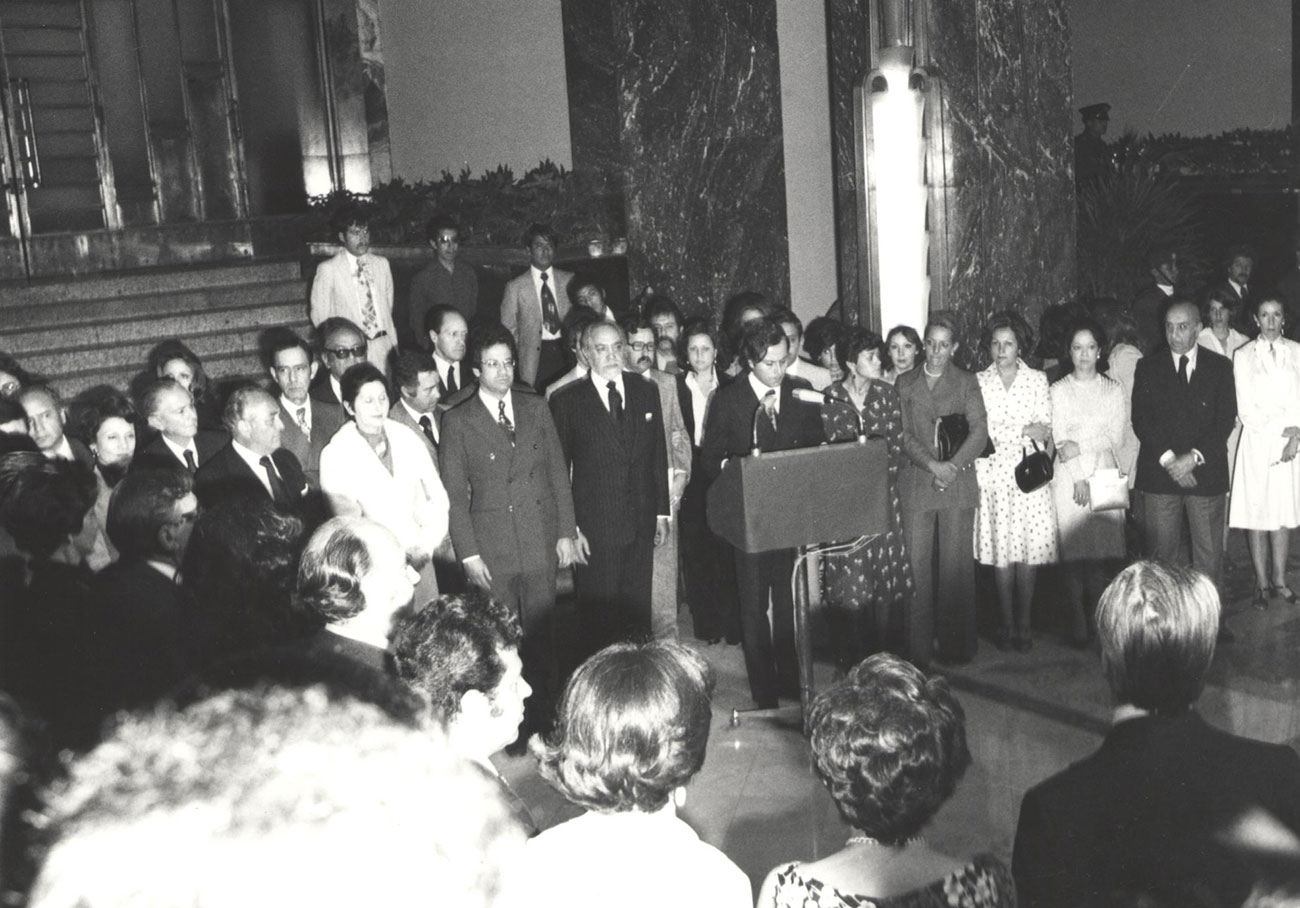
1977 г. Откриване на изложбата “Съкровища от България.

1977 г. Откриване на изложбата “Съкровища от България.

1977 г. Откриване на изложбата “Съкровища от България.
Тракийско изкуство”, Мексико Сити, Дворец на изящните изкуства, от президента Хосе Лопес Портиьо

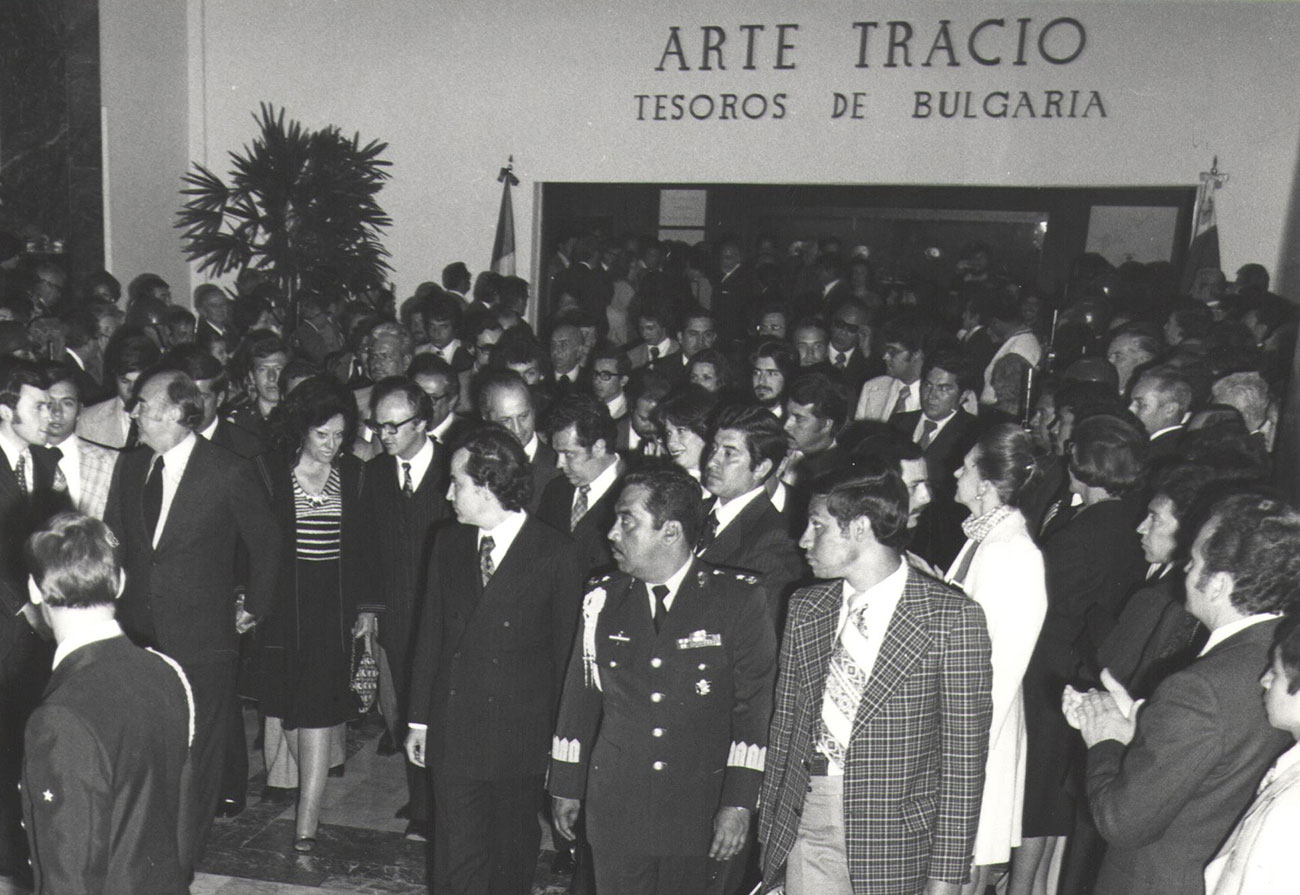
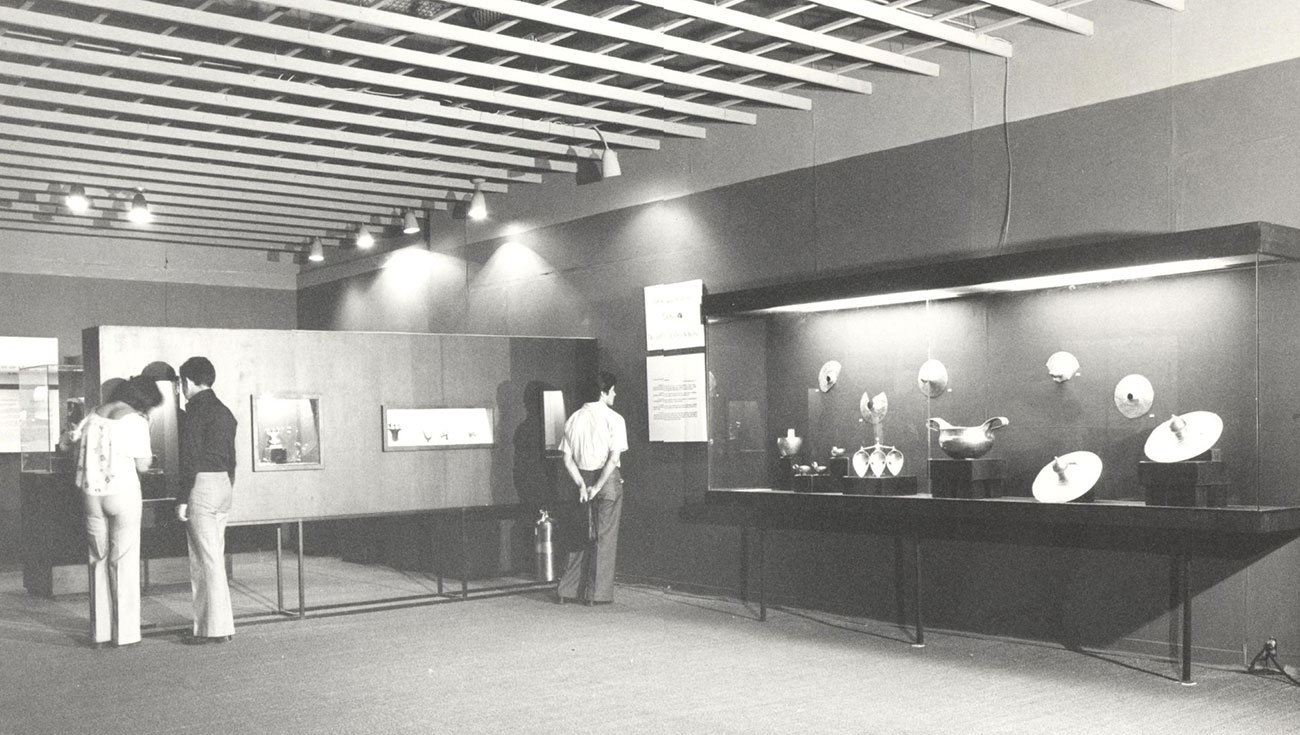
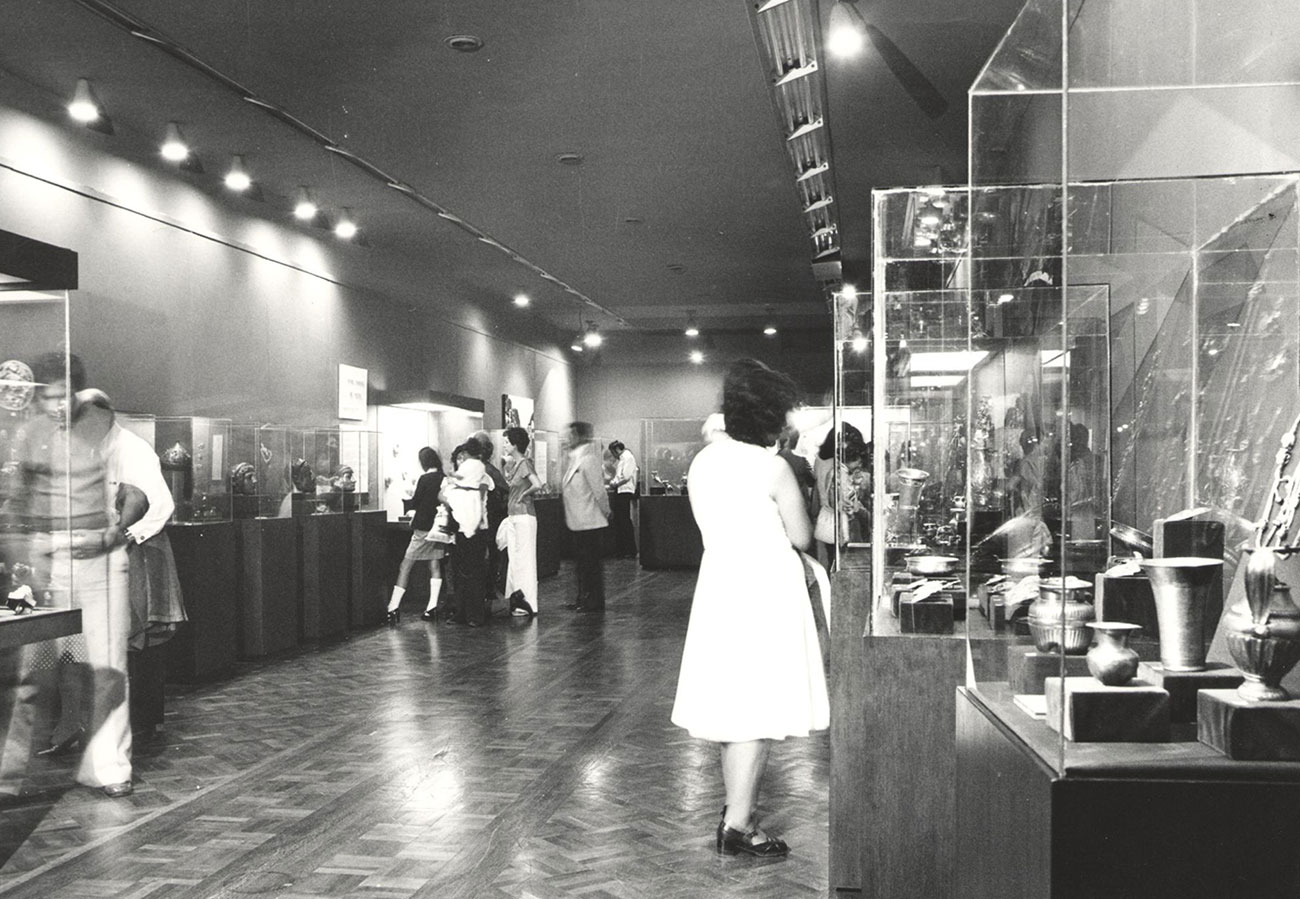
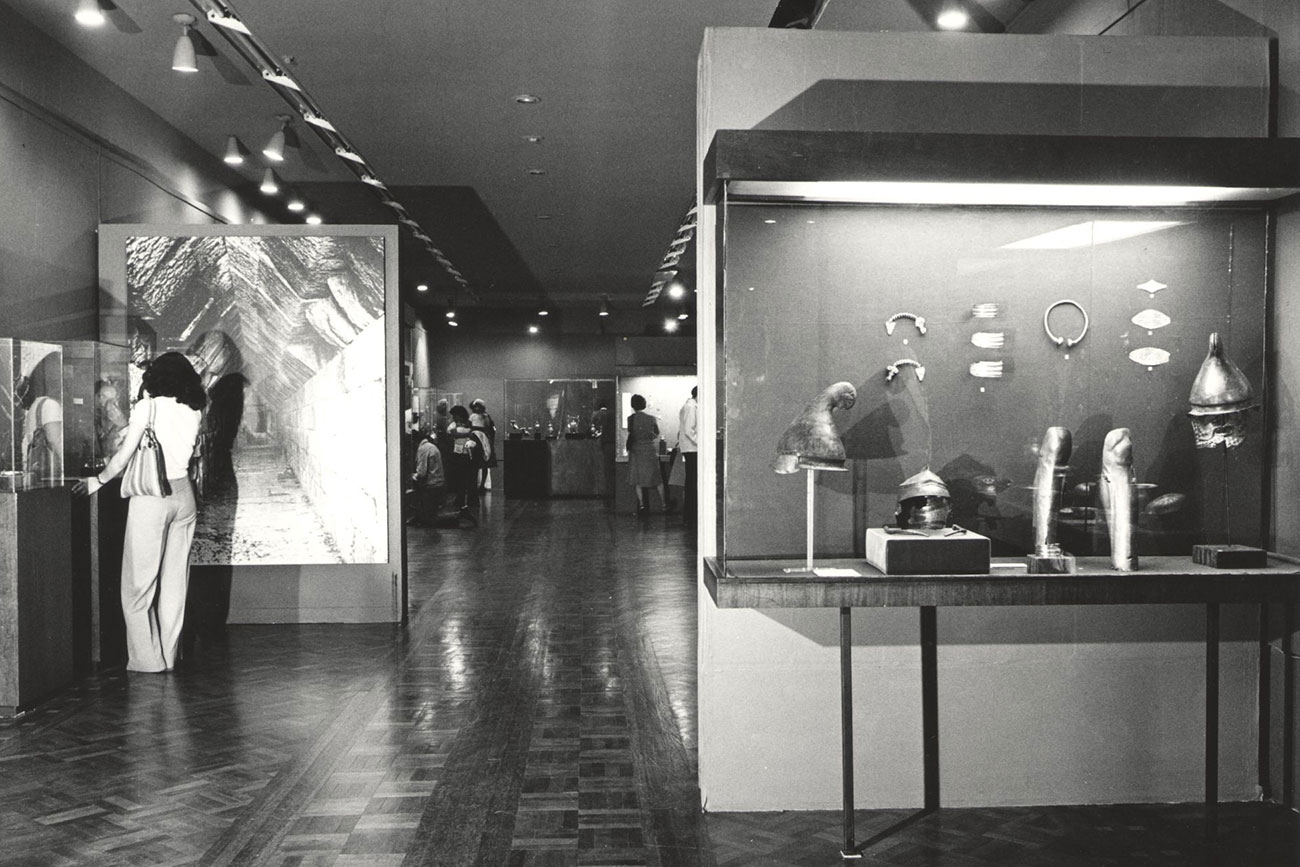
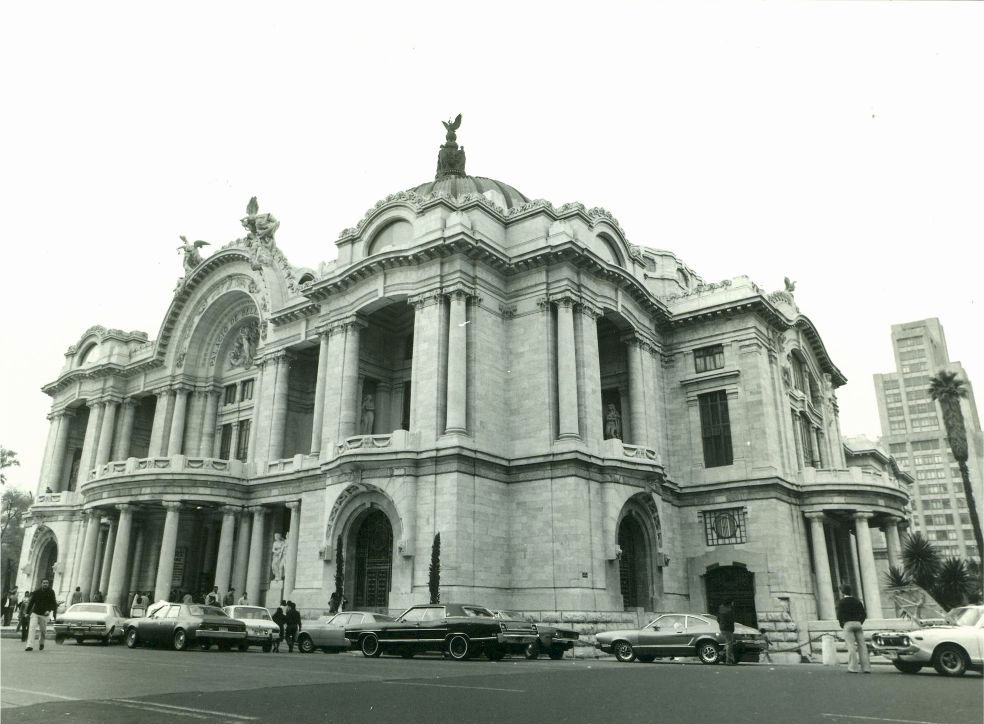
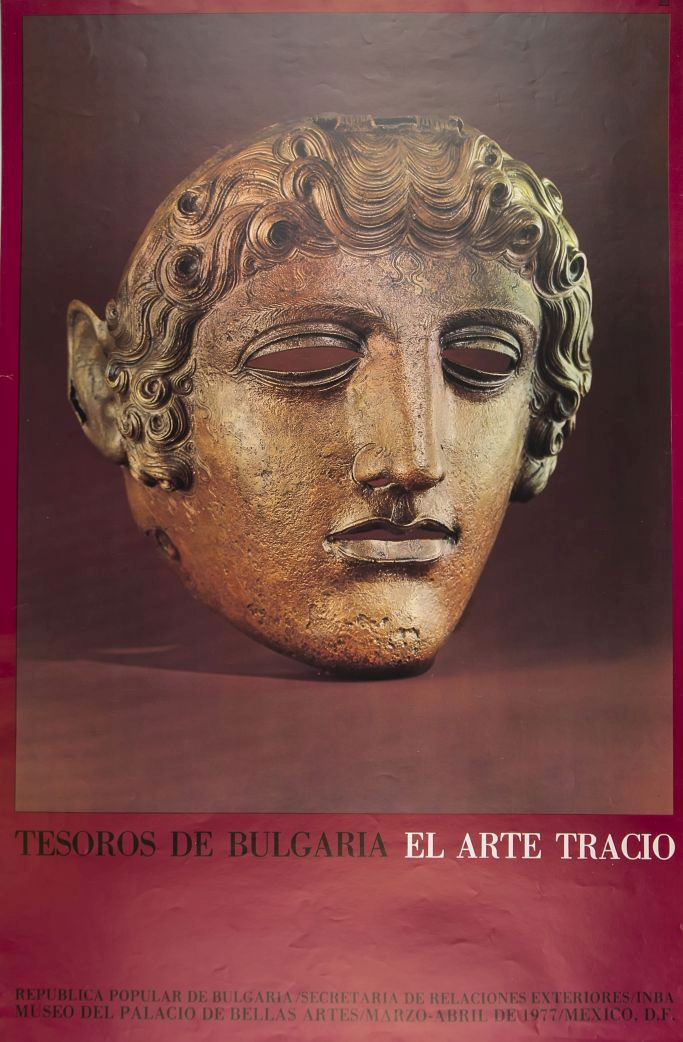
Март1977 г. Изложба “Съкровища от България. Тракийско изкуство” в Двореца за изящни изкуства в Мексико Сити, Мексико

Март1977 г. Изложба “Съкровища от България. Тракийско изкуство” в Двореца за изящни изкуства в Мексико Сити, Мексико

Март1977 г. Изложба “Съкровища от България. Тракийско изкуство” в Двореца за изящни изкуства в Мексико Сити, Мексико

Март1977 г. Изложба “Съкровища от България. Тракийско изкуство” в Двореца за изящни изкуства в Мексико Сити, Мексико

Март1977 г. Изложба “Съкровища от България. Тракийско изкуство” в Двореца за изящни изкуства в Мексико Сити, Мексико

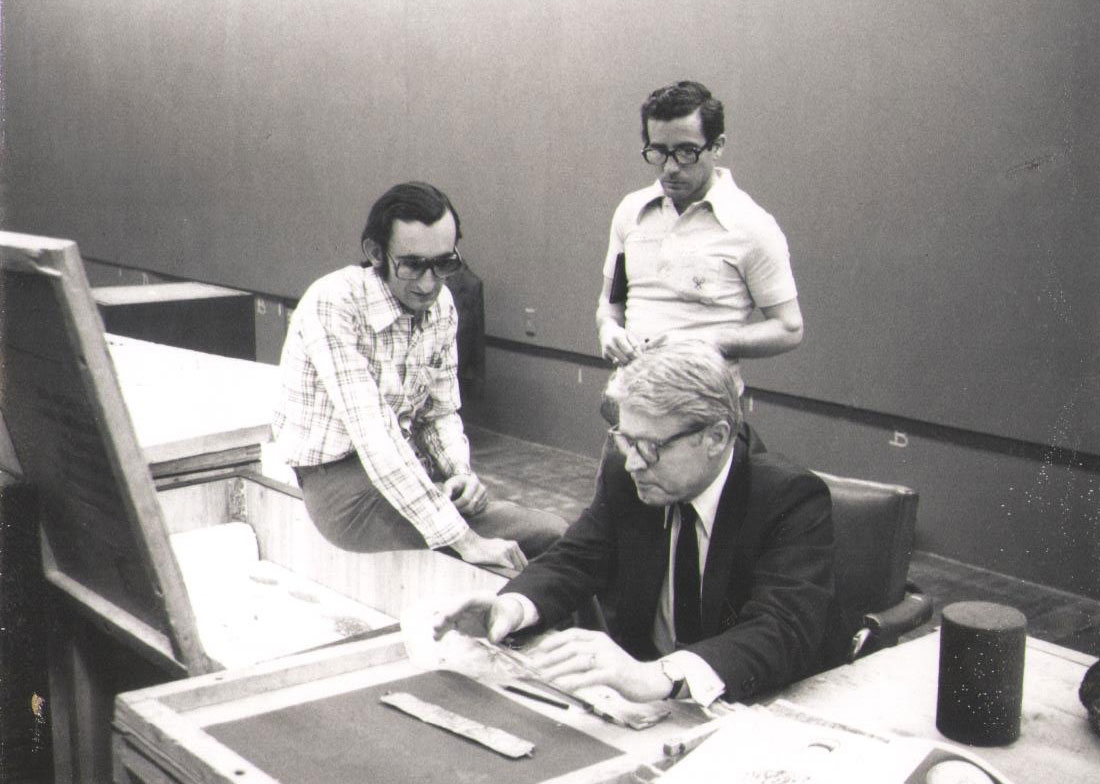
1977 г. Подготовка на изложбата “Съкровища от България. Тракийско изкуство” в Мексико Сити, Мексико
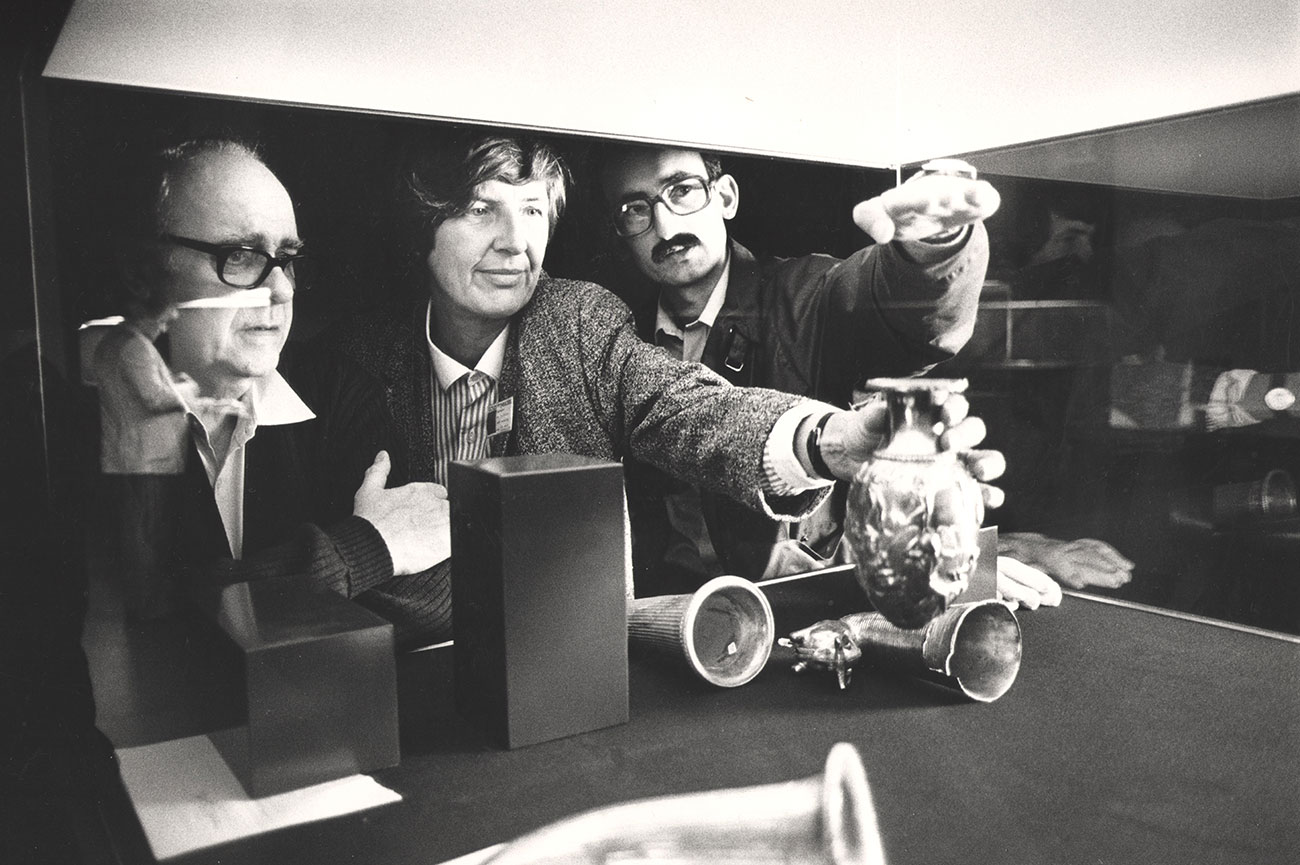
Дитрих фон Ботдер от Античния отдел на музея „Метрополитен” в Ню Йорк и Гавраил Лазов от НИМ

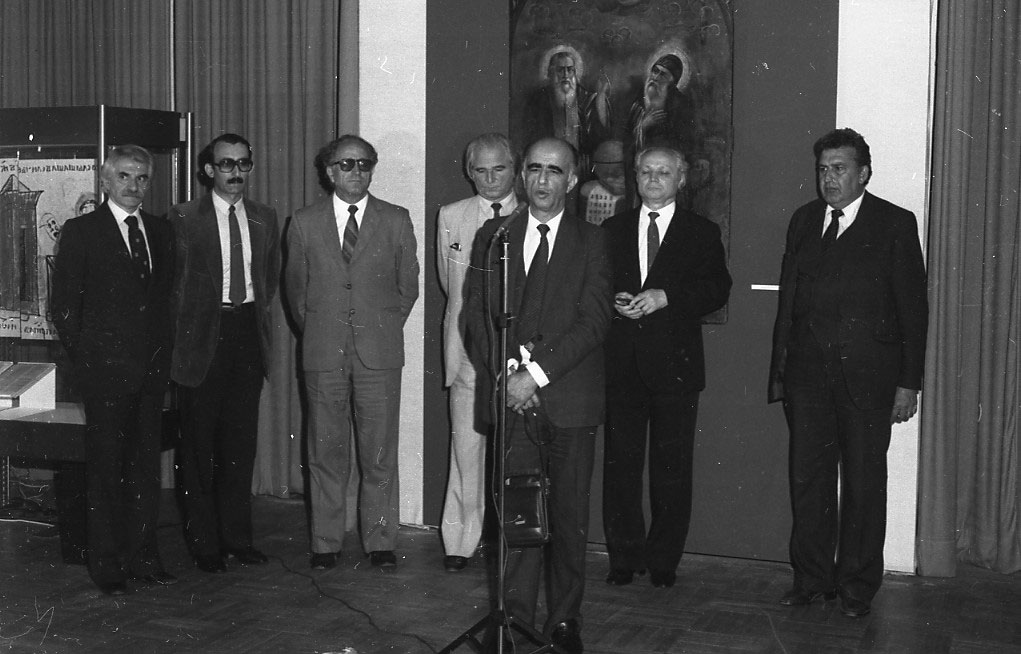
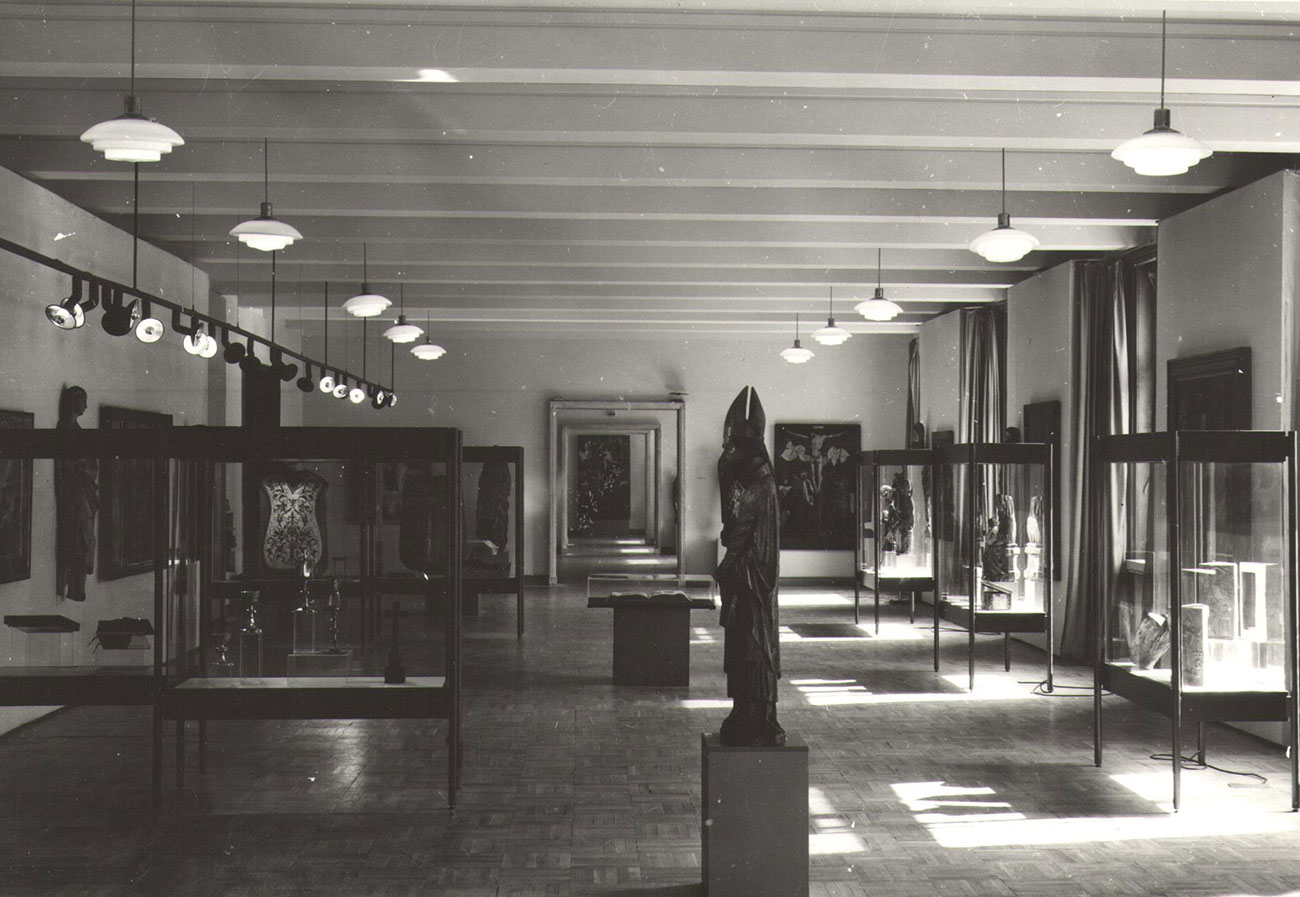
. Съвместна изложба на НИМ и АИМ - „Средновековно изкуство”, в Археологическия музей.

1977 г. Съвместна изложба на НИМ и АИМ - „Средновековно изкуство”, в Археологическия музей.
Доц. Васил Гюзелев (вторият вдясно) – директор на НИМ , представя изложбата на Людмила Живкова и на официални гости

1976 г.Откриване на изложбата “Тракийско изкуство” в Хавана
Гавраил Лазов, българският посланик и др.

1976 г.Откриване на изложбата “Тракийско изкуство” в Хавана

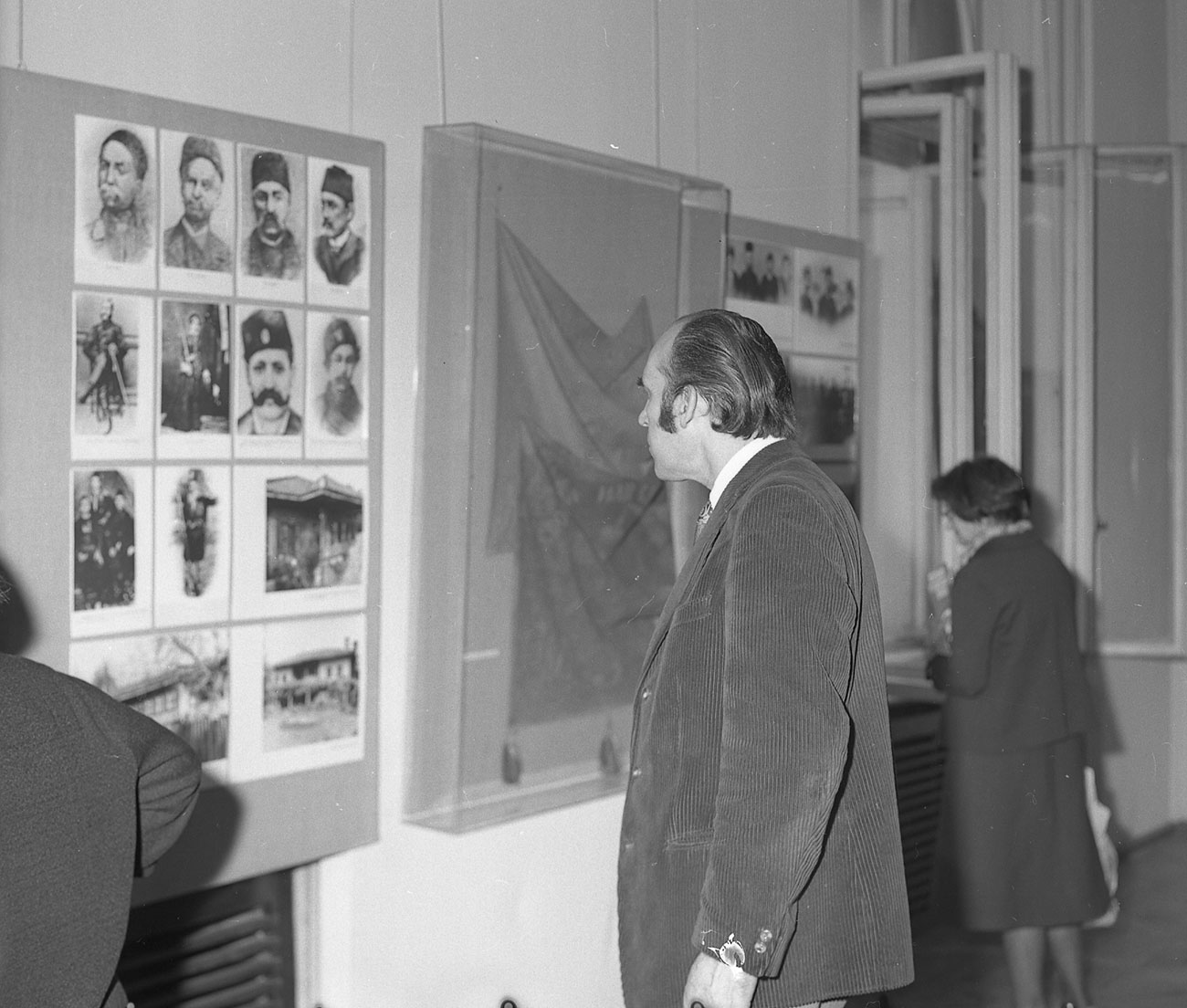
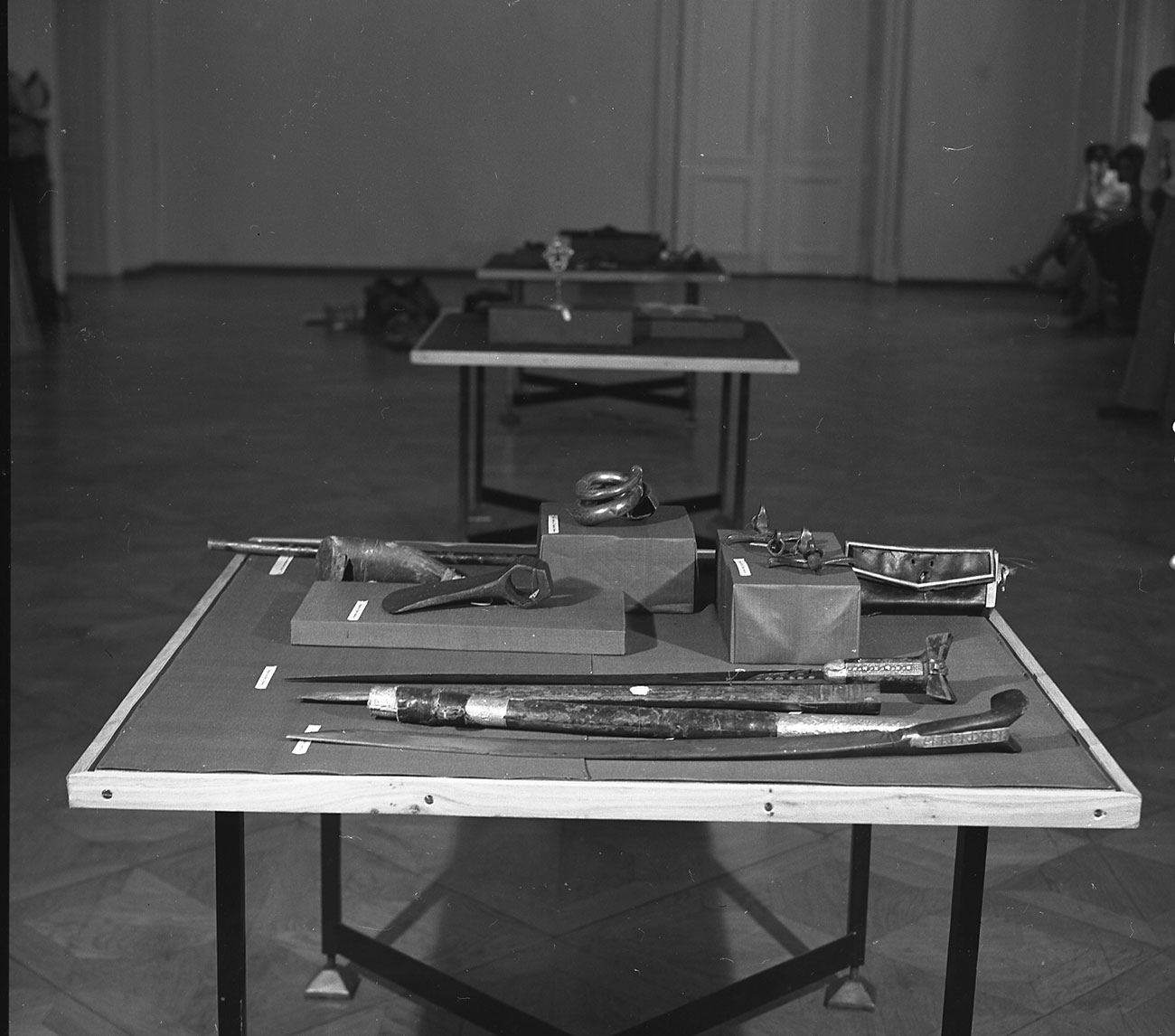
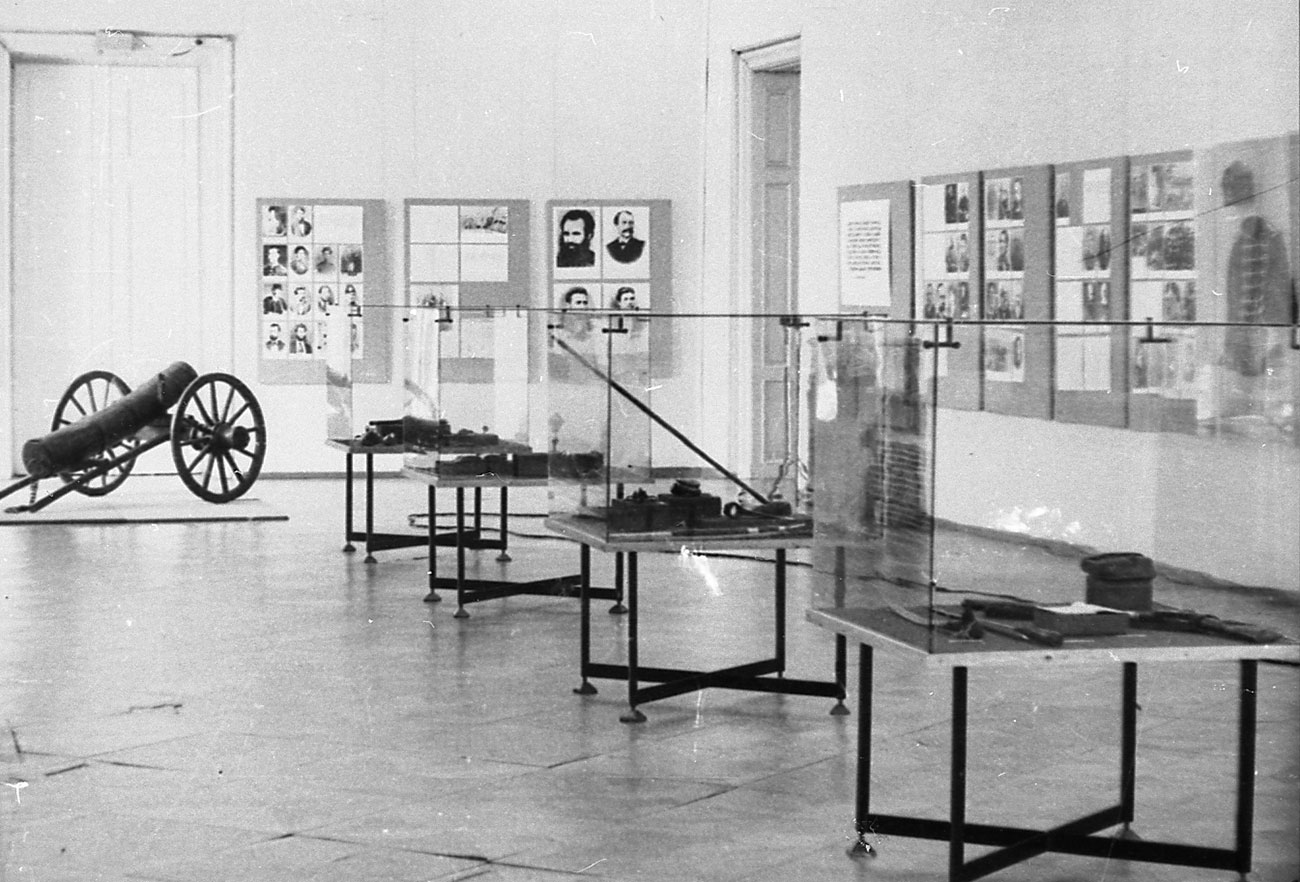
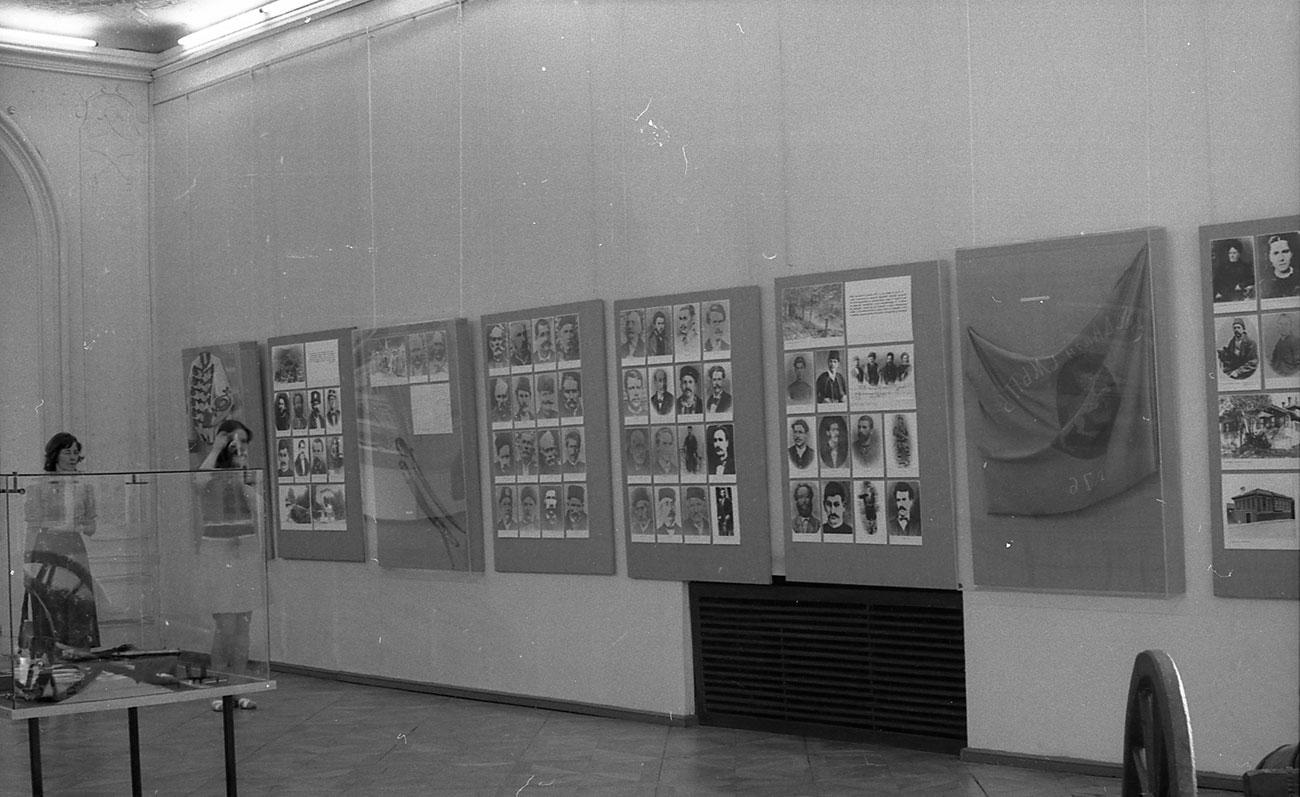
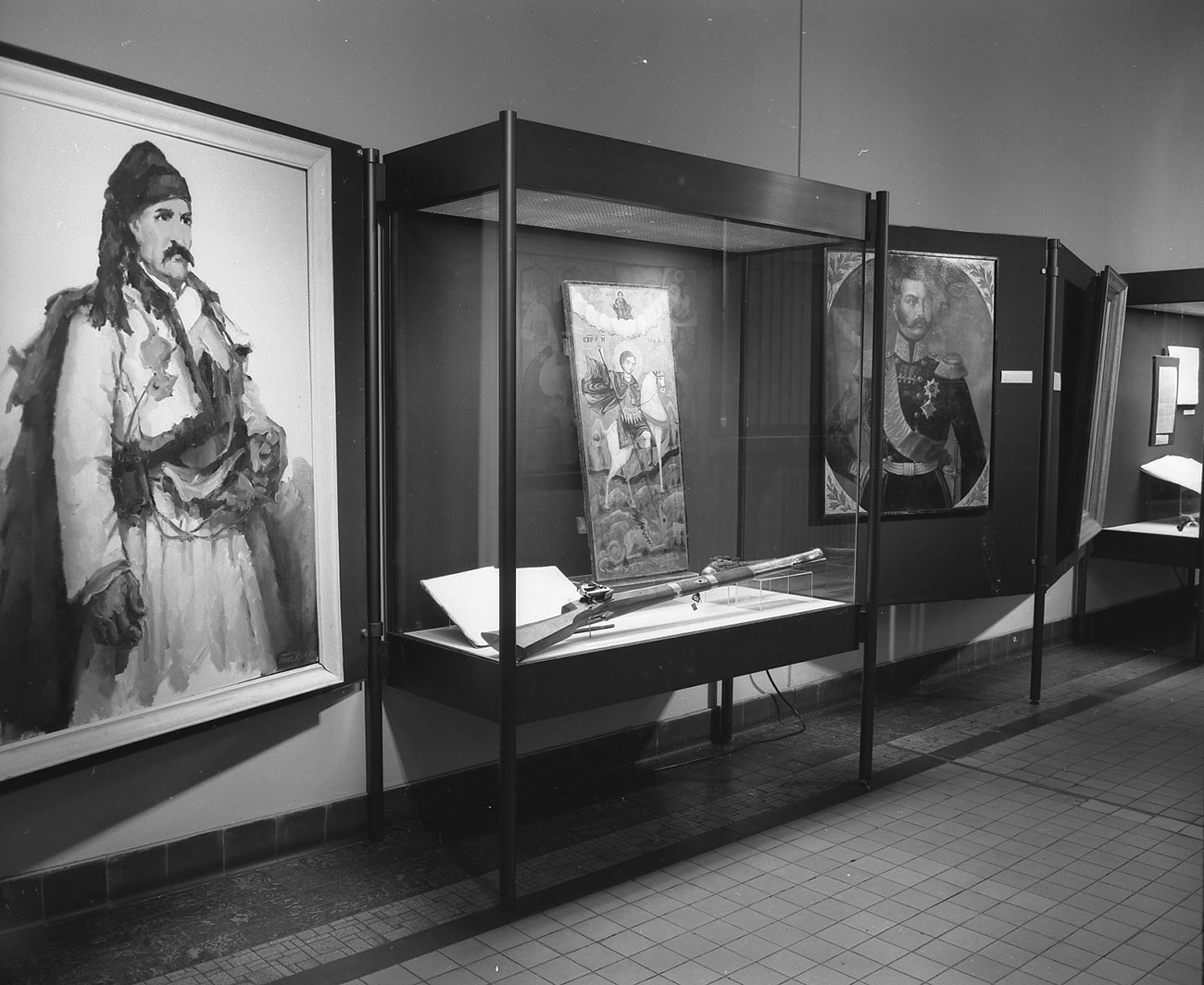
1976 г. Изложба „100 години от Априлското въстание” в Националната художествена галерия

1976 г. Изложба „100 години от Априлското въстание” в Националната художествена галерия

1976 г.Откриване на изложбата “Тракийско изкуство” в Хавана

1976 г. Изложба „100 години от Априлското въстание” в Националната художествена галерия

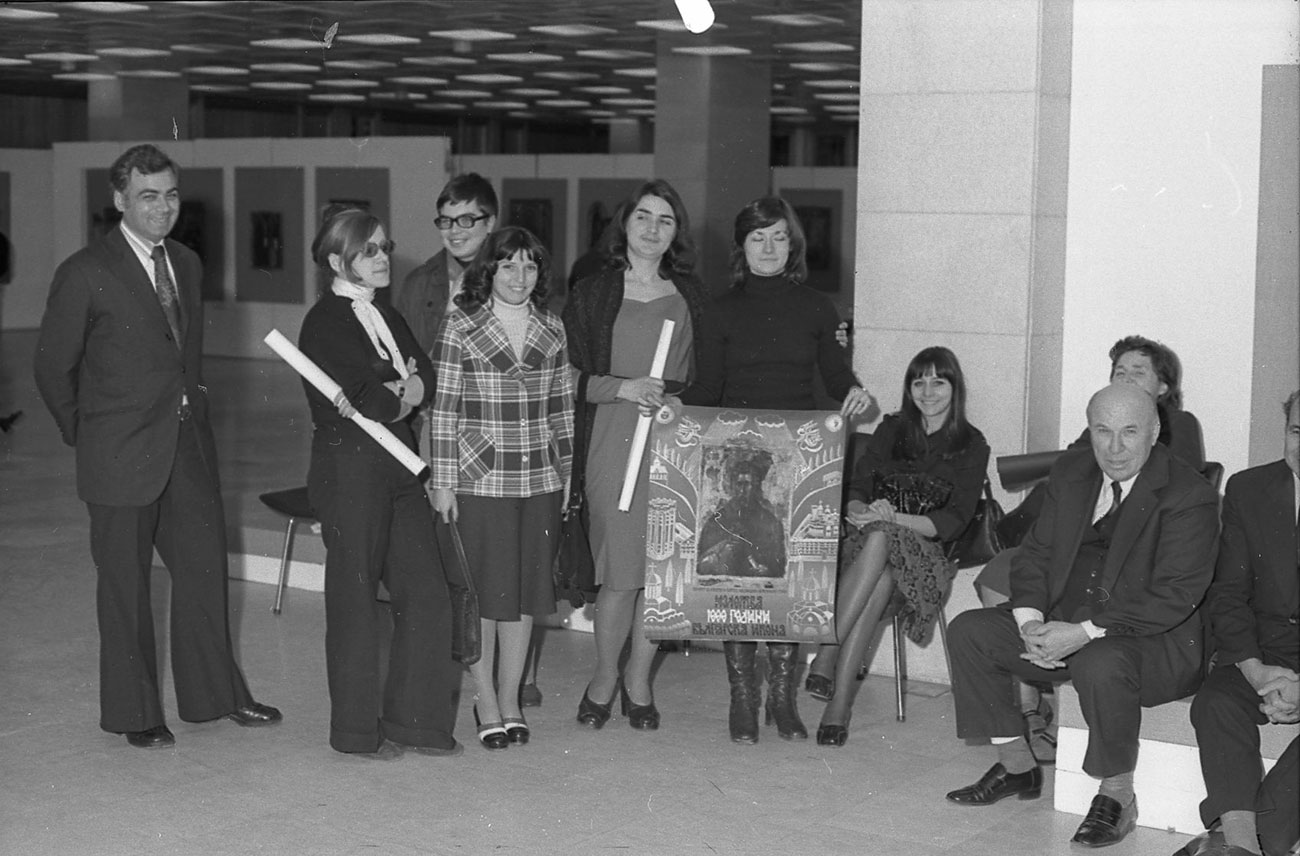
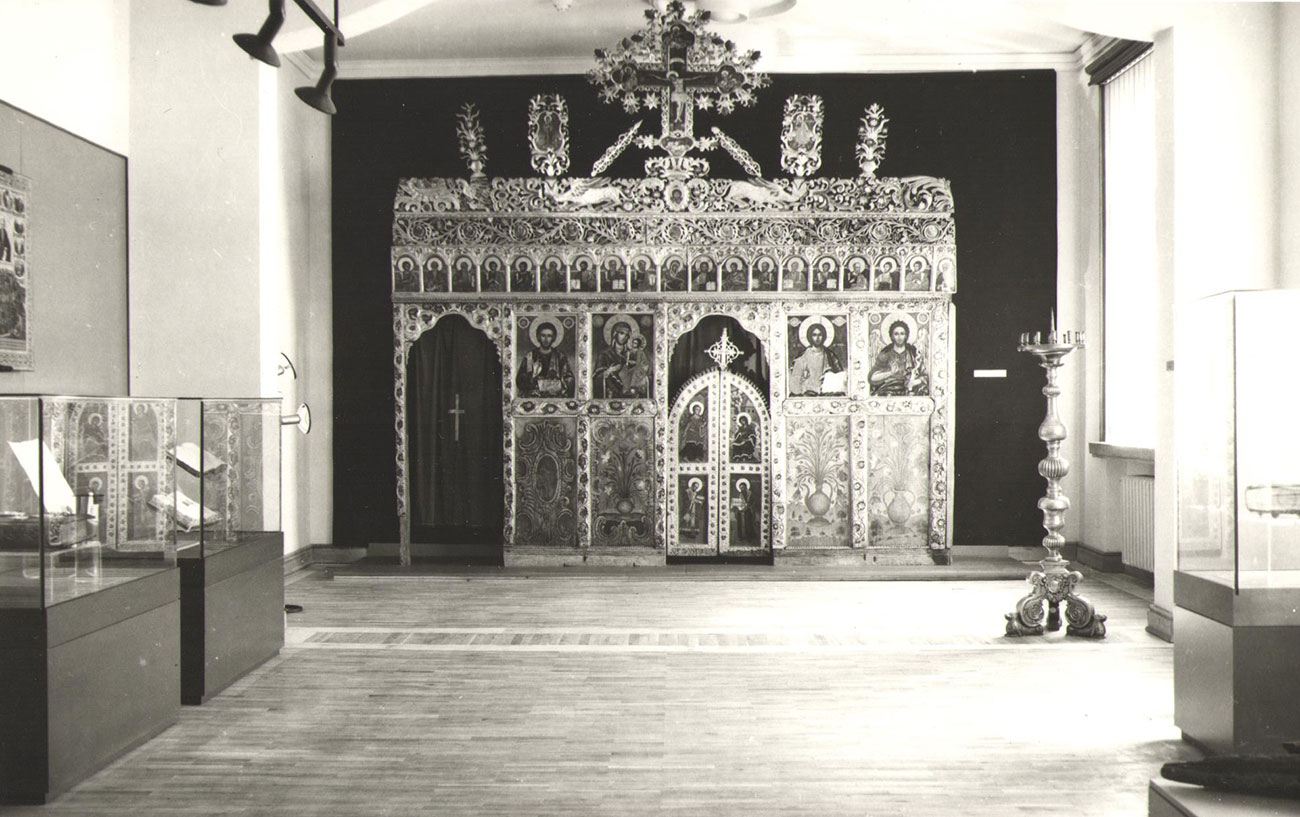
Януари 1976 г. Откриване на изложбата „1000 години българска икона” в сградата на СБХ на ул.”Шипка” 6
(отляво на дясно): Кристина Капелкова, Стефка Васева, Вера Кирова, Цветана Кьосева, Мариан Киров, Мая Аврамова, Зарко Ганчев

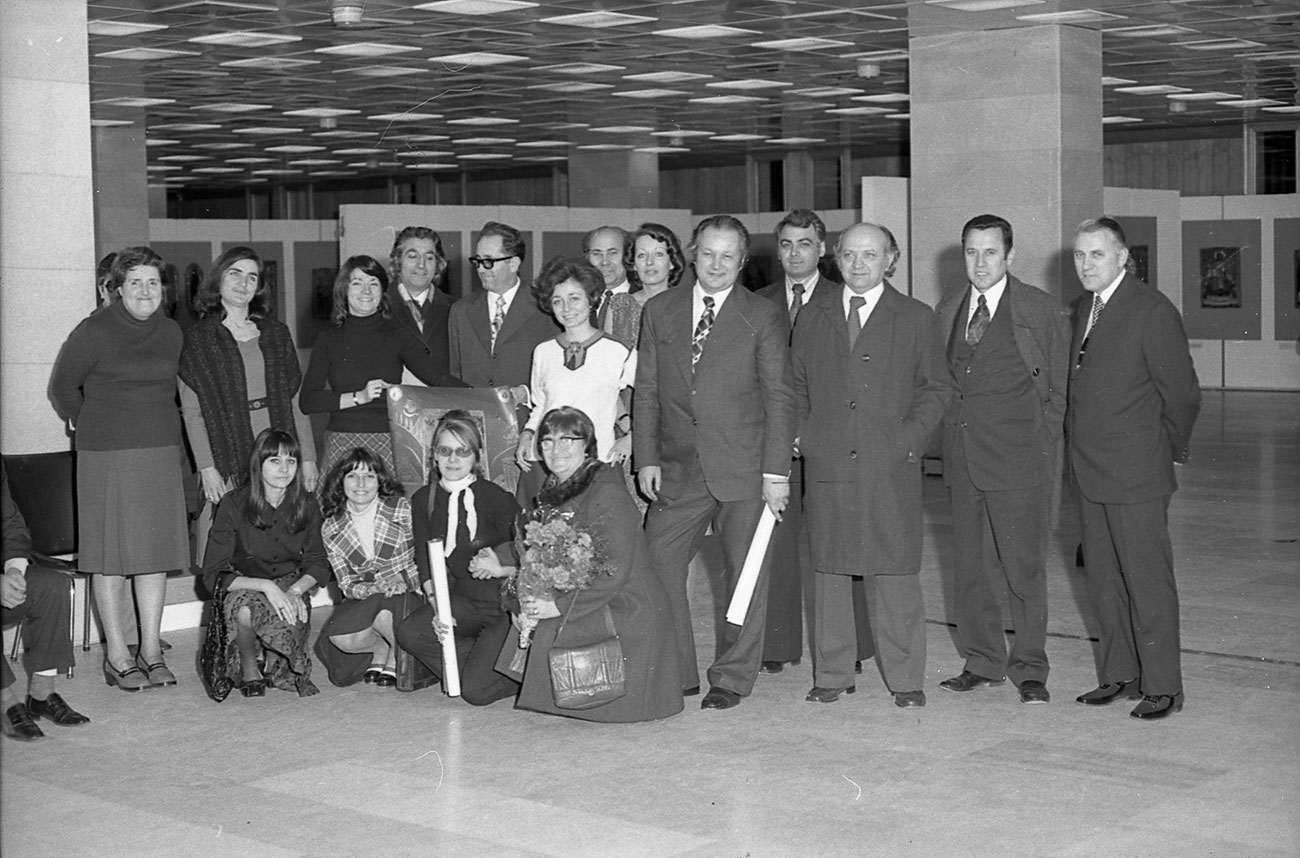
Януари 1976 г. Екип на НИМ след откриване на на изложбата „1000 години българска икона” в сградата на СБХ на ул. ”Шипка” 6
(клекнали, отляво надясно): Кристина Капелкова, Цветана Кьосева, Мая Аврамова, Венета Иванова; (прави, отляво надясно) Мариана Цонева, Вера Кирова, Стефка Васева, арх. Стефан Бояджиев, Иван Драев, Мария Йосифова, Гани Ганев, Вера Сотирова, проф. Любен Прашков, Зарко Ганчев, Злати Чалъков, проф. Дойно Дойнов

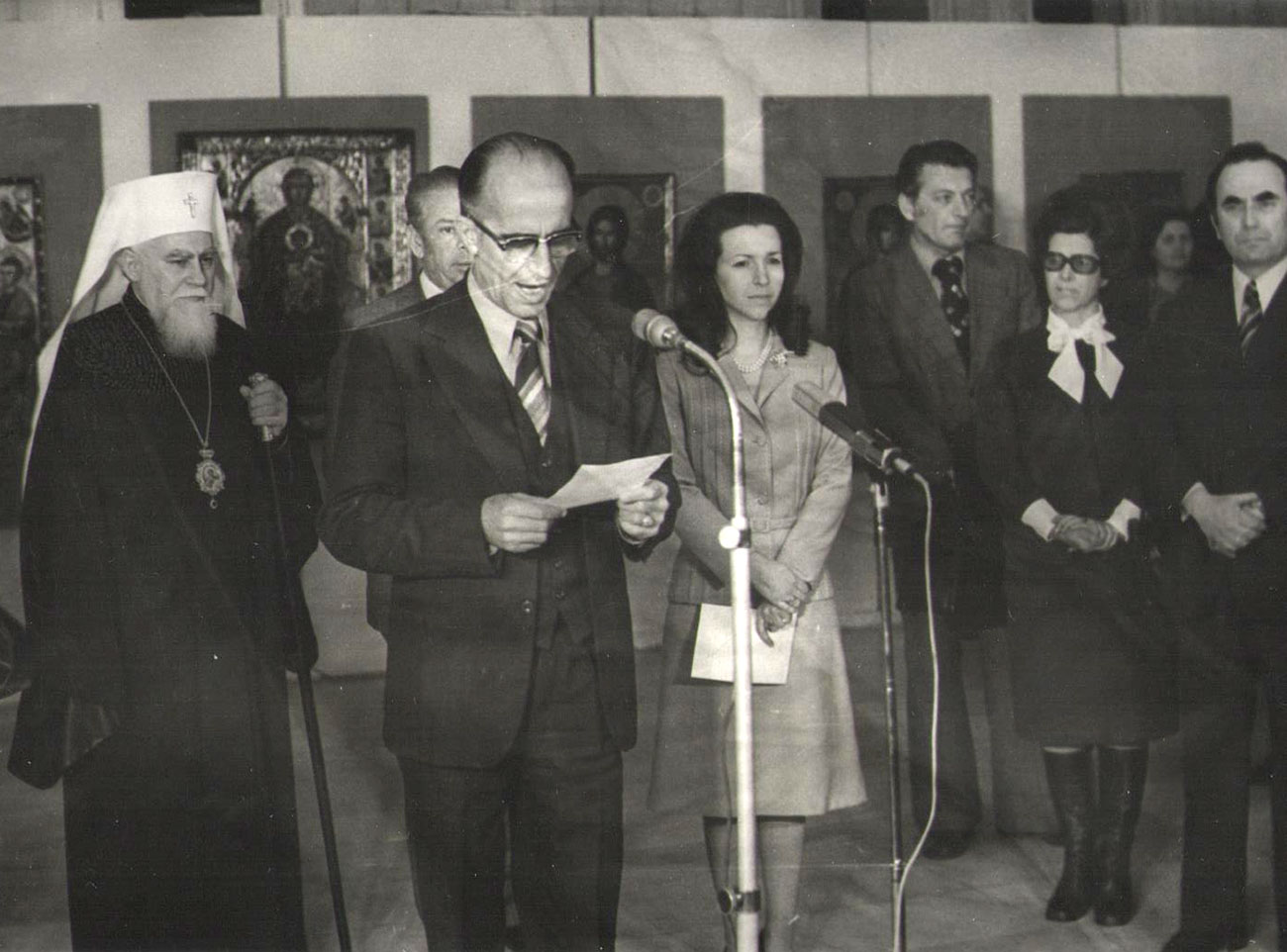
Януари 1976 г. Откриване на изложбата „1000 години българска икона” в сградата на СБХ на ул.”Шипка” 6.
Отляво надясно: патриарх Максим, Павел Матев, Людмила Живкова

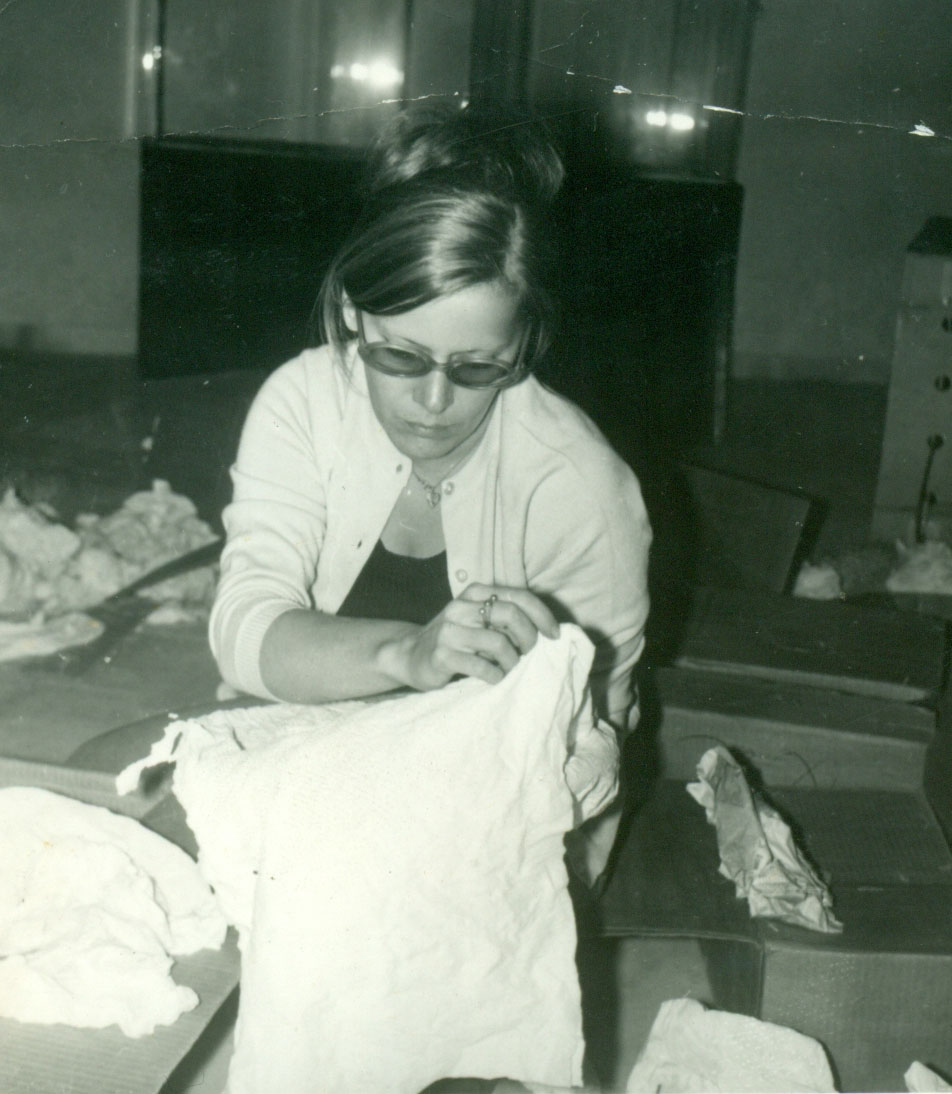
1975 г. Мая Аврамова работи по подготовката на изложбата „Праисторическо изкуство в България” в изложбения салон на Аладжа манастир

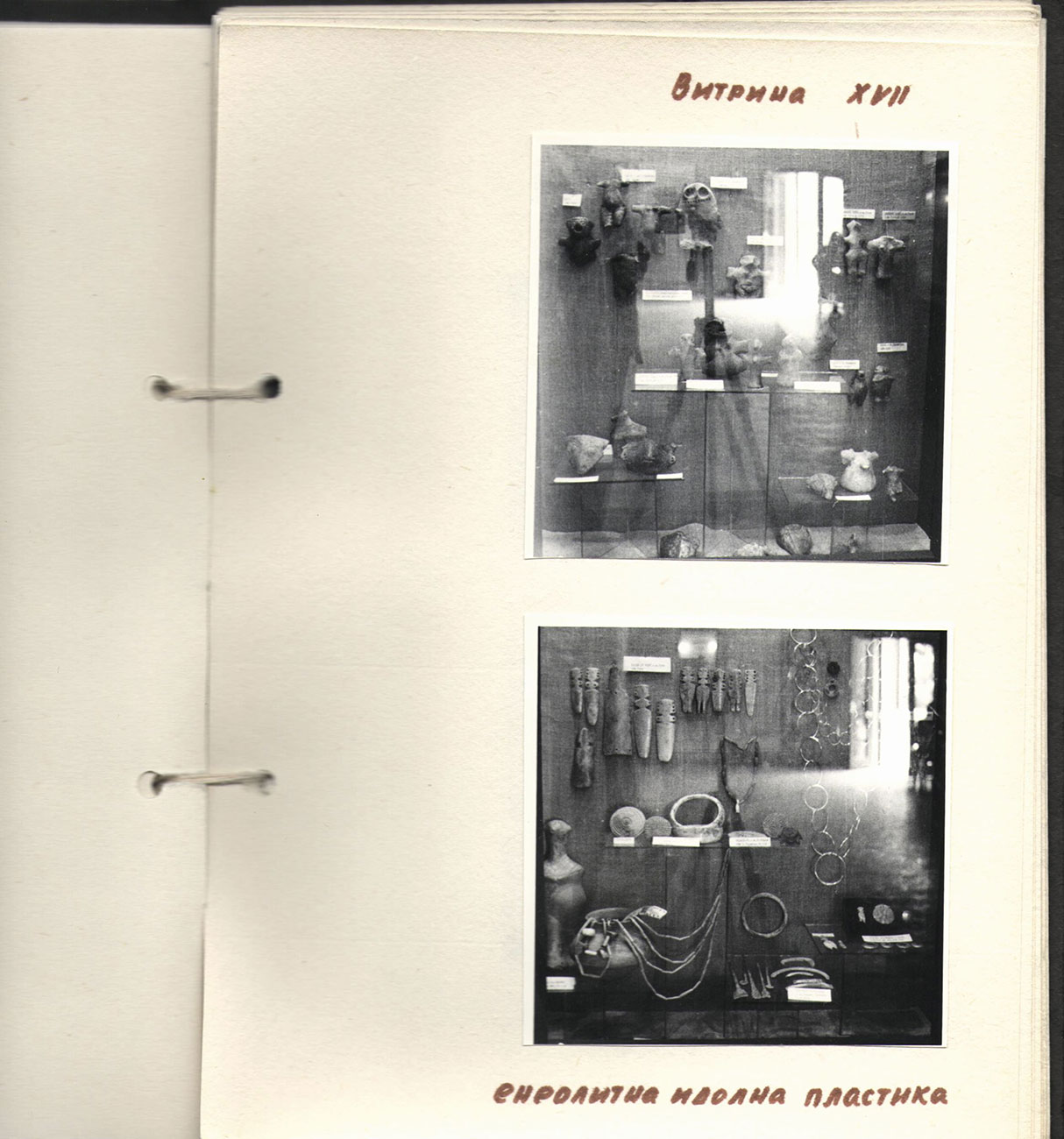
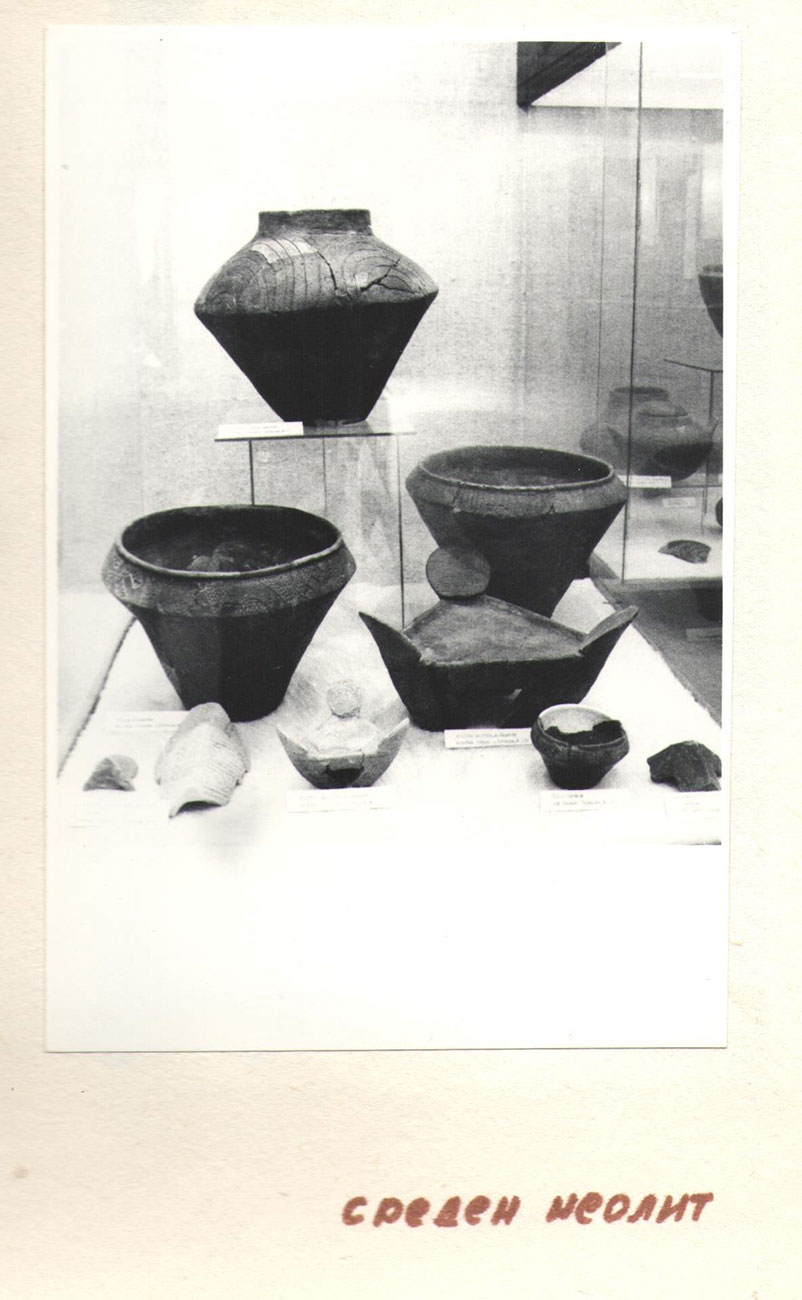
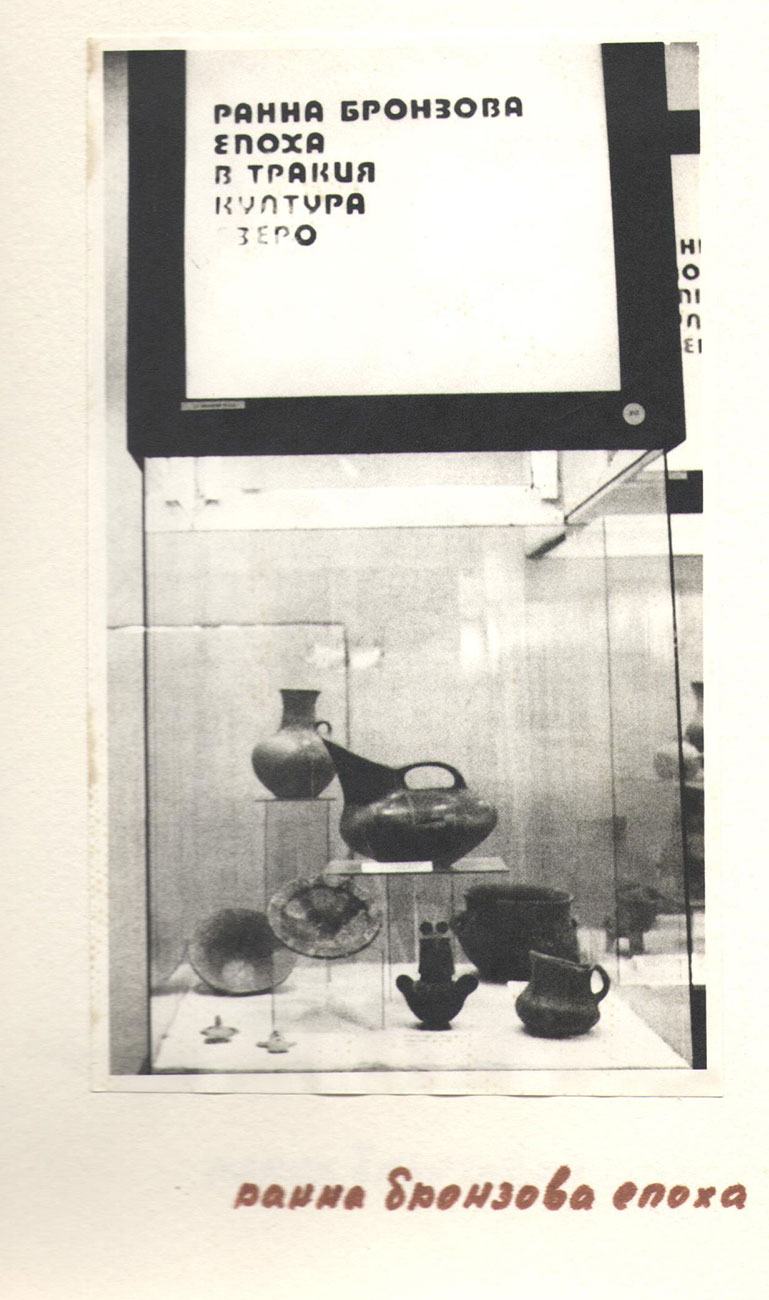
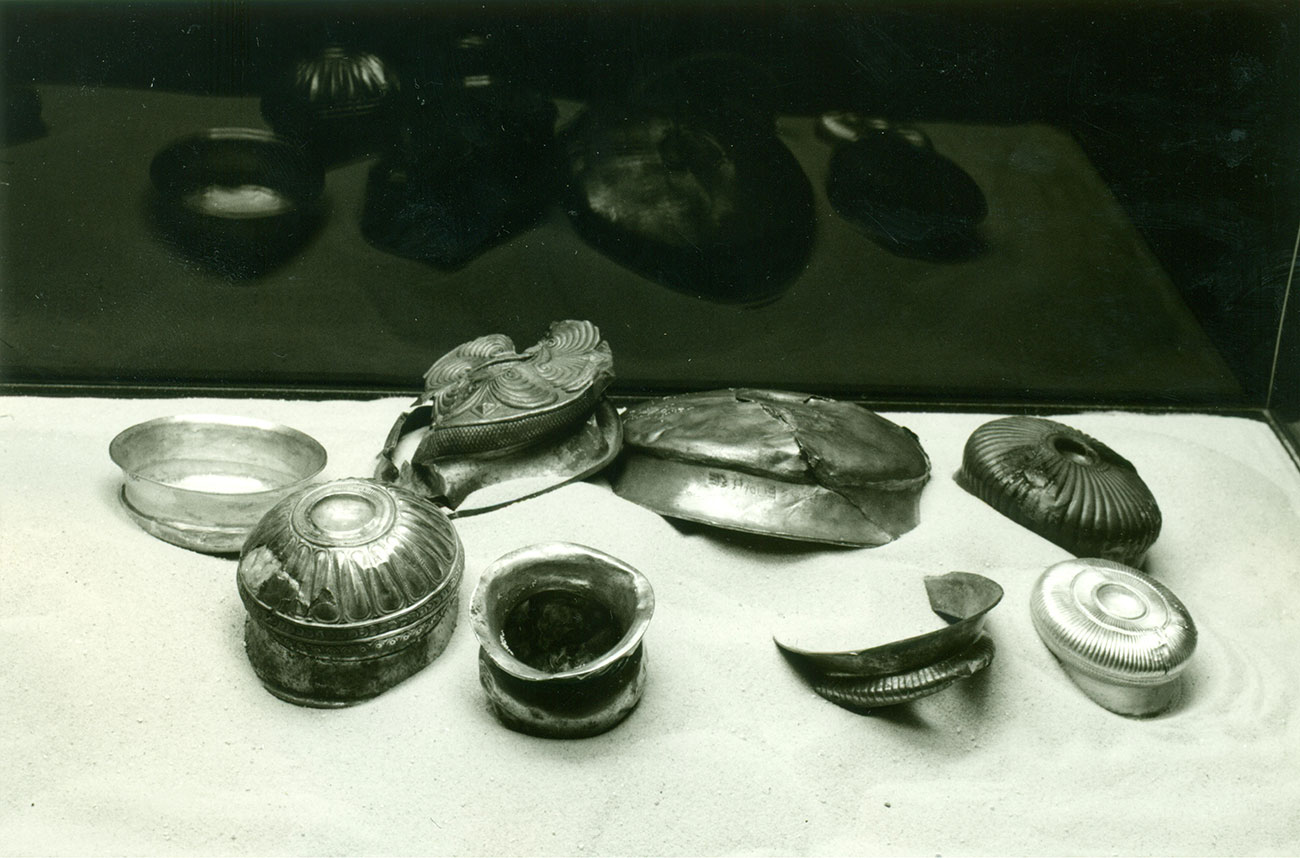
. 4 май 1975 г. Първа изложба на Националния исторически музей – „Праисторическо изкуство в българските земи”

. 4 май 1975 г. Първа изложба на Националния исторически музей – „Праисторическо изкуство в българските земи”

. 4 май 1975 г. Първа изложба на Националния исторически музей – „Праисторическо изкуство в българските земи”

. 4 май 1975 г. Първа изложба на Националния исторически музей – „Праисторическо изкуство в българските земи”

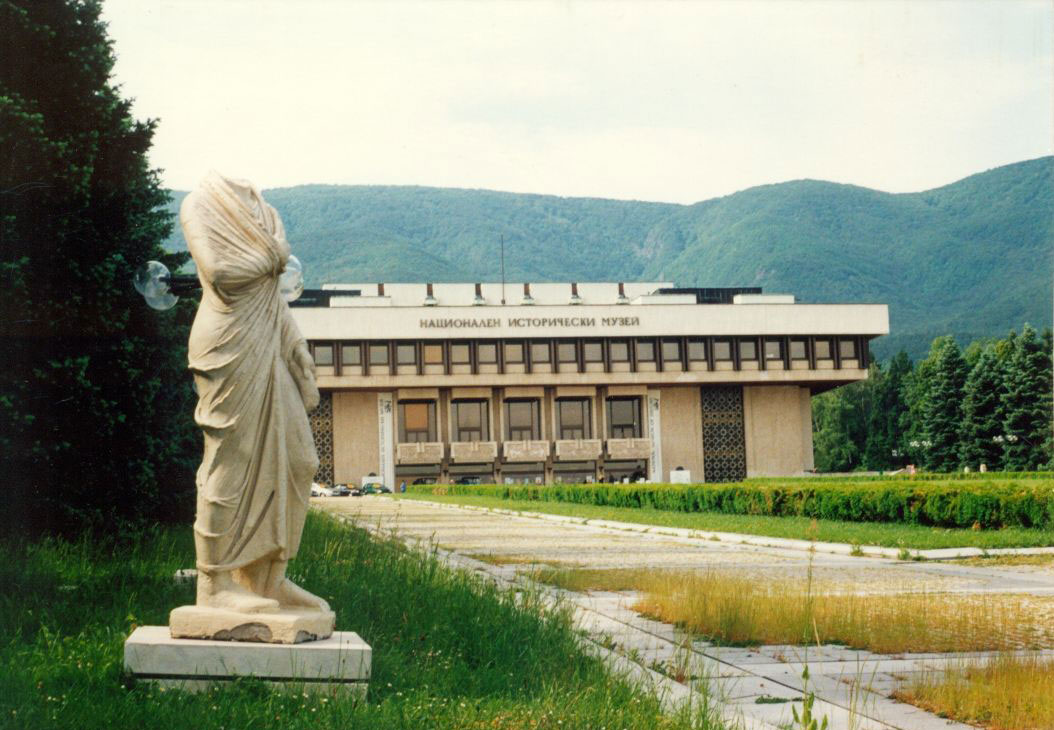
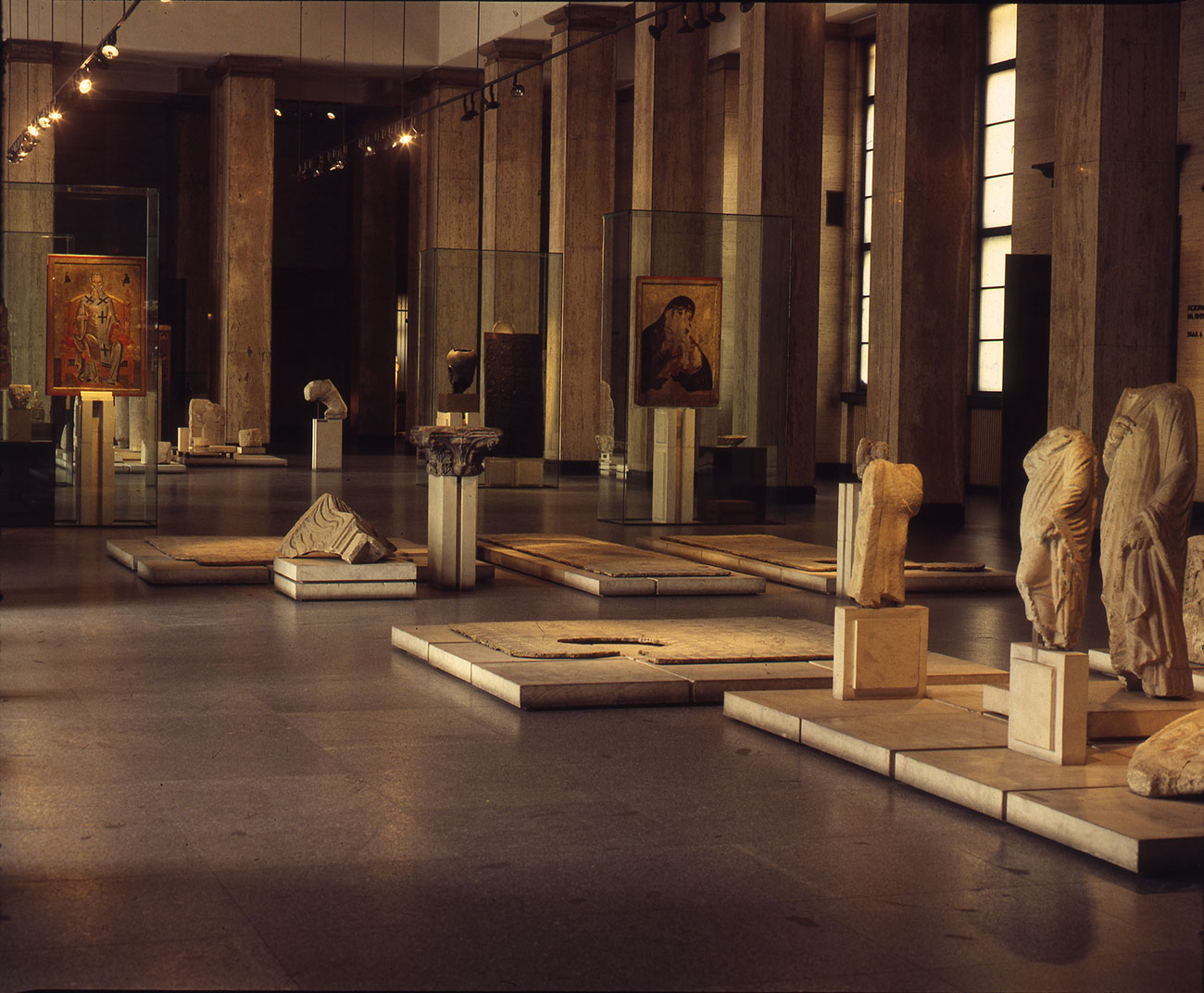
Сегашната сграда на Националния исторически музей в момента на откриването ѝ през 2000 г.

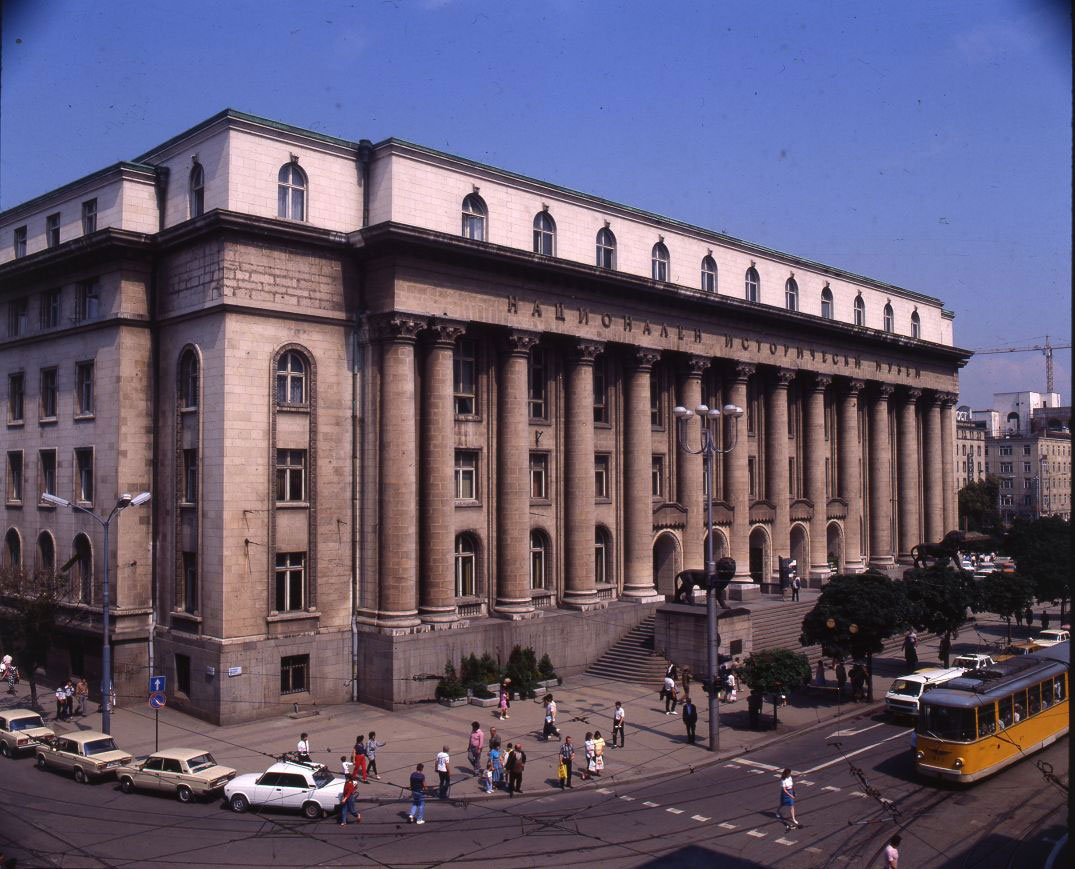
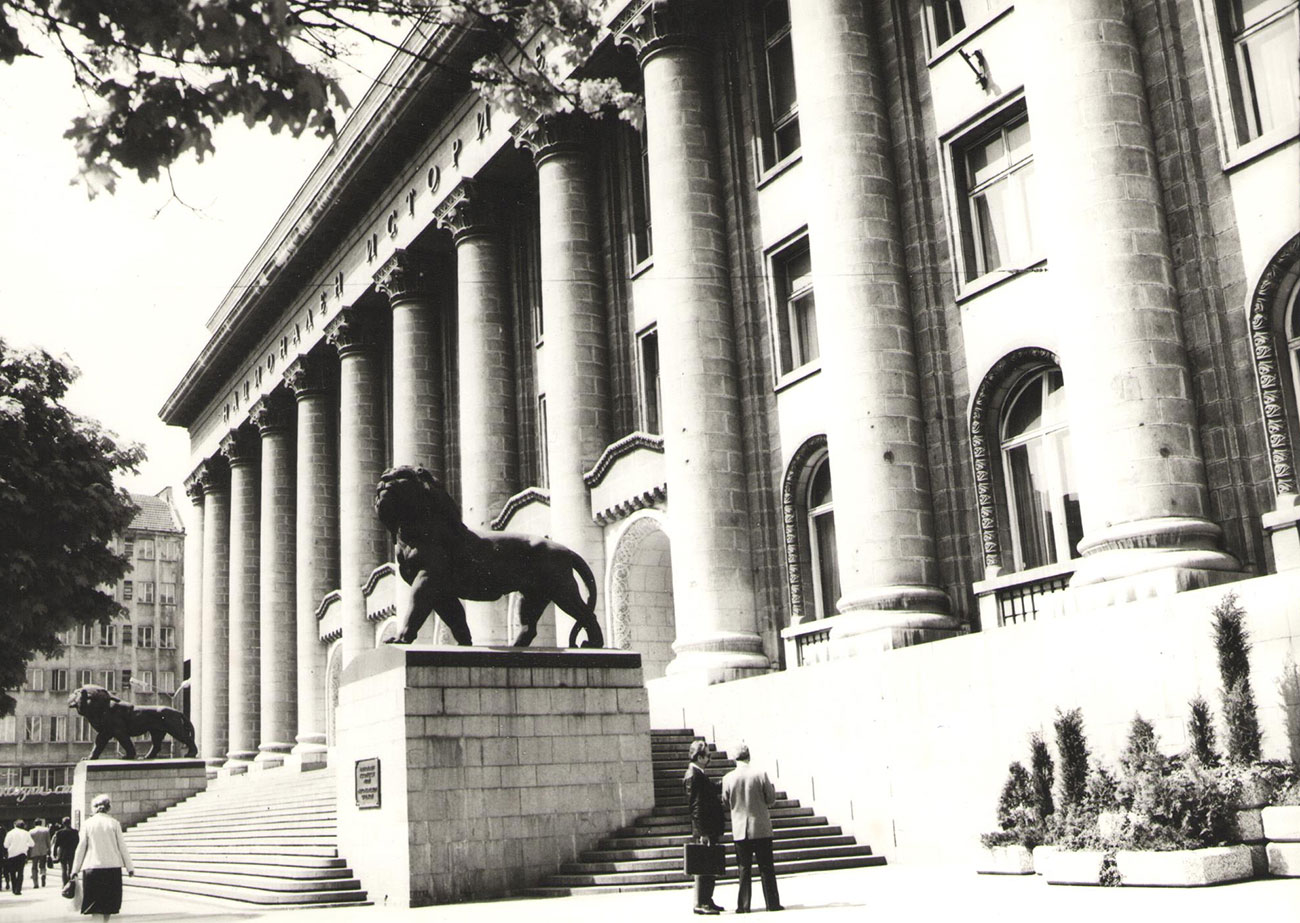
Сградата на Съдебната палата, в която от 1984 до 1999 г. е била представена експозицията на НИМ

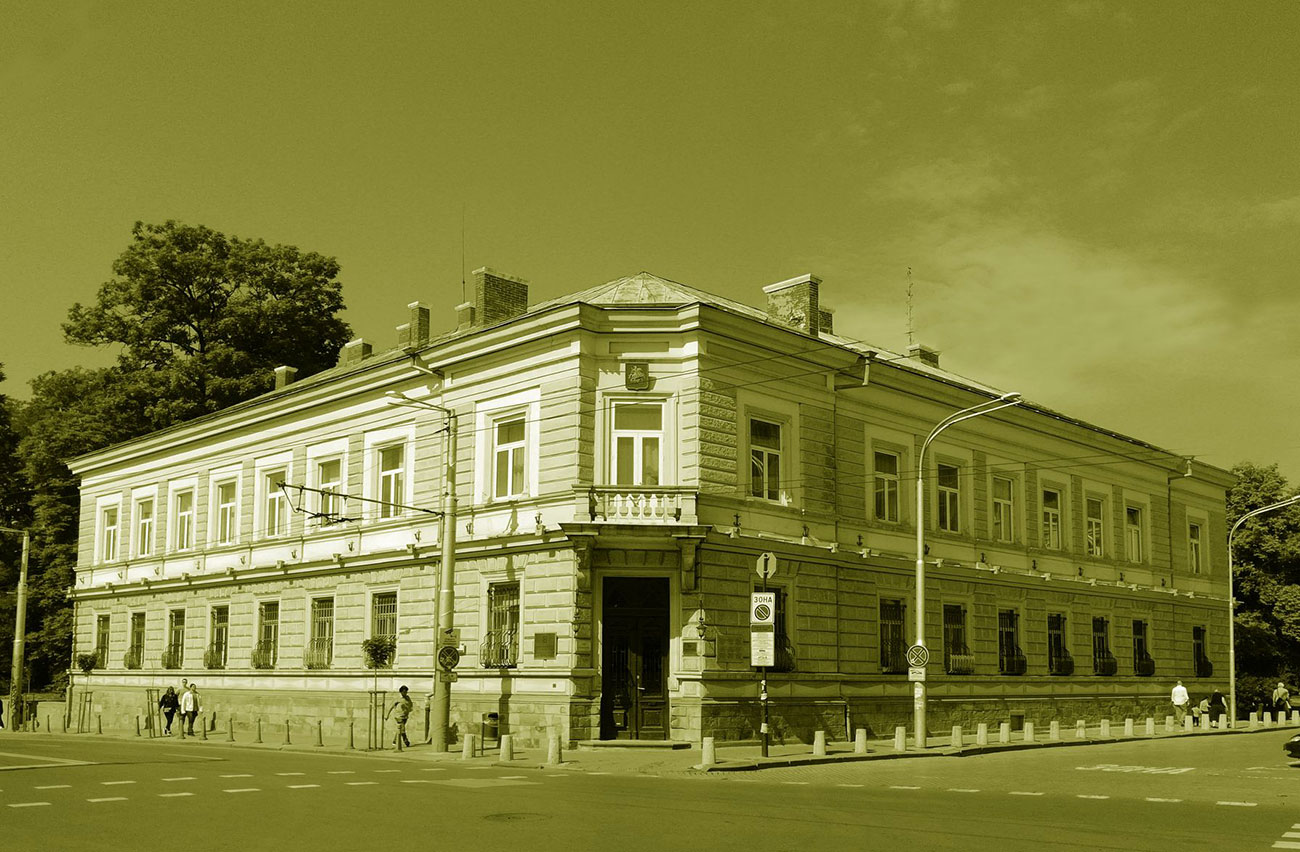
Бившата сграда на руското посолство на ул. ”Г. С. Раковски” 92, сега „Дом на Москва в София”.
През 1978 г. музеят се премества тук и остава до 1983 г. Разполага с малка експозиционна площ, където представя редица изложби

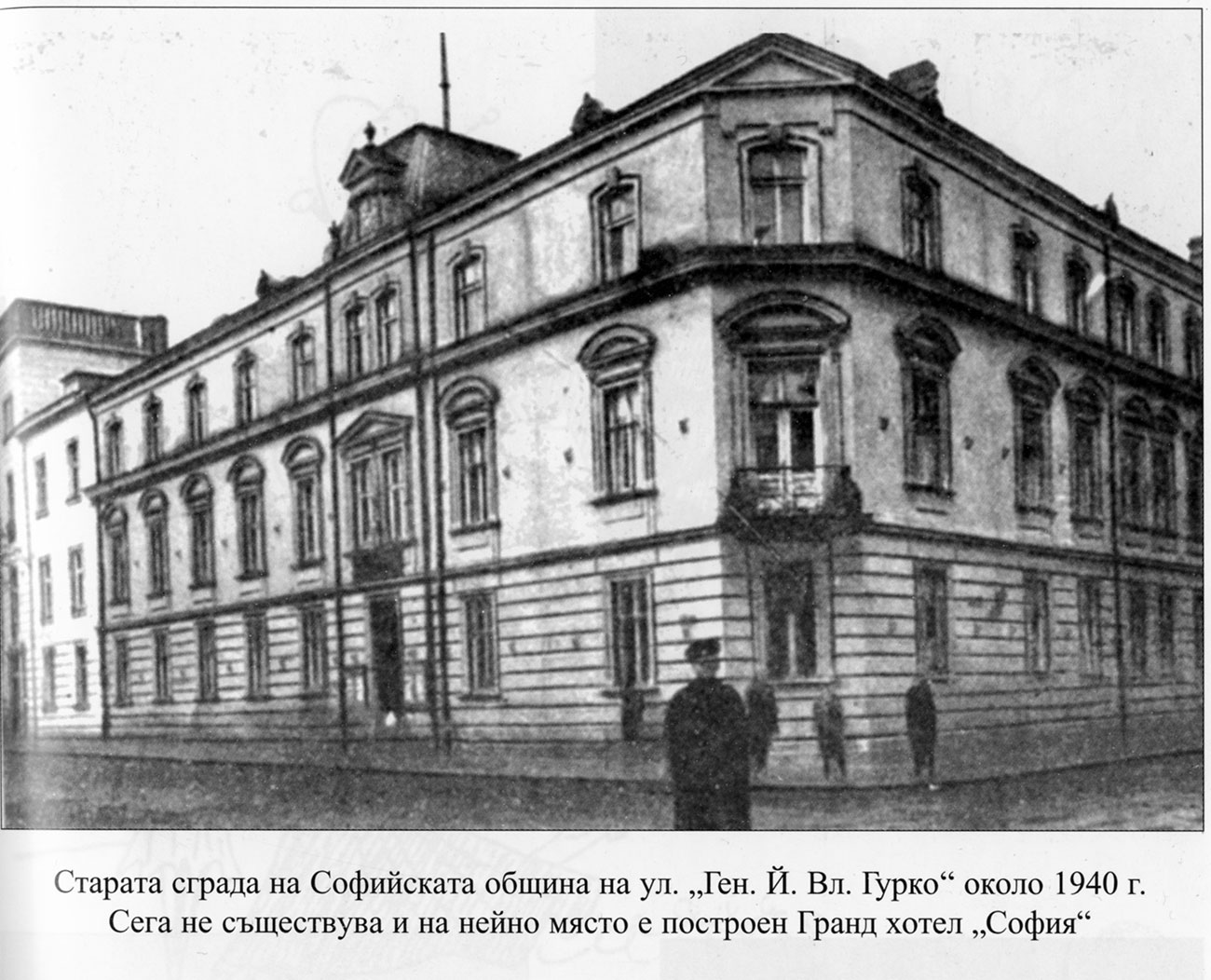
Сградата на ул. ”Гурко” 1 - някогашната Софийска община, в която до 1987 г. се е помещавала Столичната библиотека.
В нея от 1973 до 1978 г. Националният исторически музей е разполагал с малка стаичка